





Vintage Wood Tea Chest
A vintage wood tea chest brings centuries of domestic ritual and cabinet-making skill into modern rooms.
Vintage Wood Tea Chest
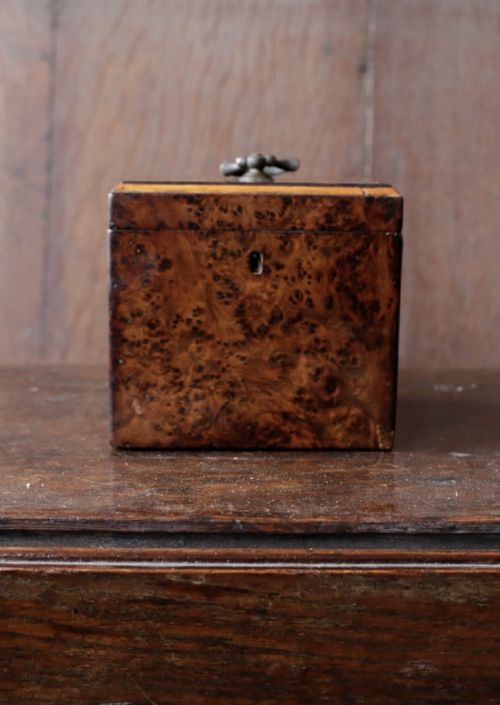
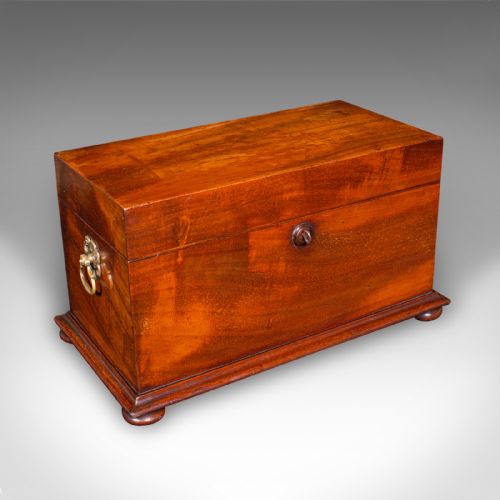
A vintage wood tea chest is a specialised storage box designed to hold and protect valuable loose leaves, appearing most frequently on this page as tea caddies and decorative boxes from the Georgian, Regency, and Victorian eras.
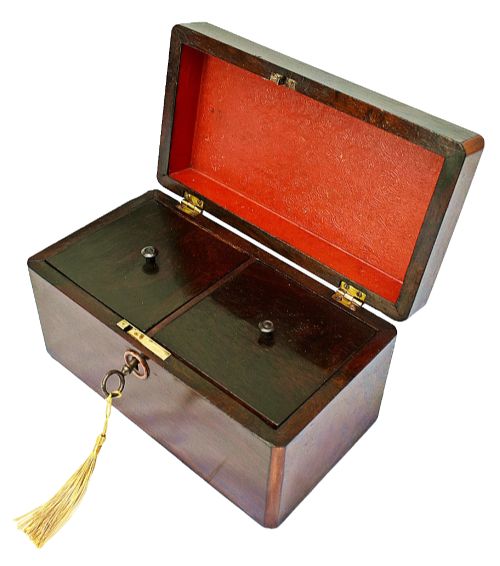
The selections span from compact 18th-century pieces to larger William IV and mid-19th-century examples, often featuring dual compartments for different tea varieties.
Beyond traditional tea storage, these objects serve as general keepsake boxes, stationery cases, or distinctive tabletop accessories.
How they were made
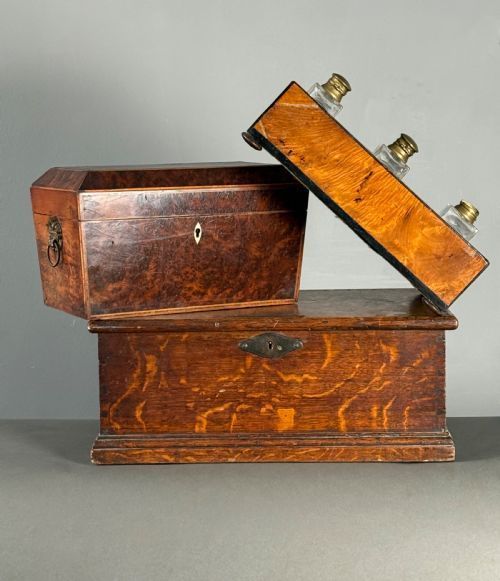
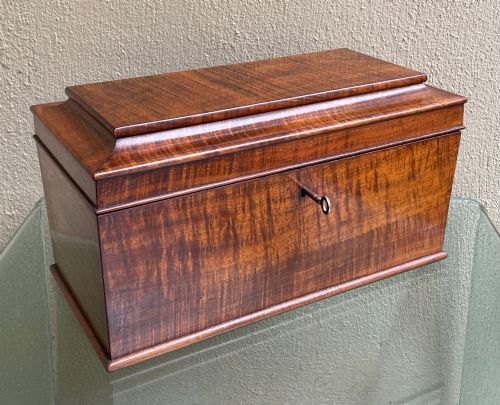
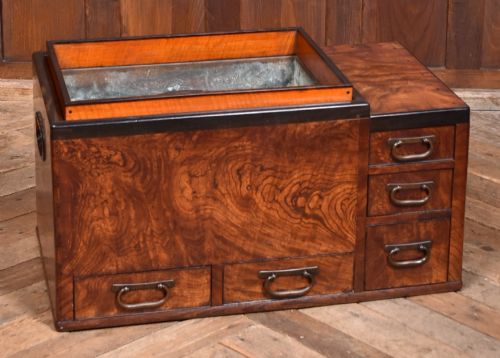
Cabinet makers utilised dense, richly figured hardwoods such as mahogany, rosewood, walnut, burr yew, and partridge wood to construct these durable containers.
Many examples incorporate precise boxwood and wood inlay, alongside contrasting details in bone and mother of pearl to ornament the exterior surfaces.
Brass fittings, including escutcheons, handles, and internal lids with functioning locks, complete the construction of these refined household items.
Vintage Wood Tea Chest Retail Price Guide 2026
Typical asking prices for vintage wood tea chest among the pieces listed under this phrase on Sellingantiques today, from the lower quarter to the upper quarter. They describe what is for sale here now, not the wider market.
Listings feature woods ranging from mahogany and walnut to exotic rosewood and figured burr yew.
What varies in quality
Quality depends on the selection of timber veneers, where highly figured burr woods, satinwood, and symmetrical grain patterns distinguish finer boxes from plain counterparts.
The precision of the joinery and the delicacy of the inlay work dictate the overall refinement of the piece, alongside the intact preservation of interior compartments and original hardware.
The Vintage Wood Tea Chest Glossary
- Tea caddy
- A small box or chest designed specifically for storing loose tea leaves securely. These containers often featured internal lids and divided compartments for black and green tea.
- Escutcheon
- A flat plate of brass or bone surrounding a keyhole. This protective element prevents the surrounding wood from splintering during repeated use.
- Inlay
- A decorative method where contrasting materials such as boxwood or mother of pearl are embedded into recesses within the wood surface. This creates intricate patterns and borders.
- Dual compartment
- An internal layout featuring two separate lidded sections inside the main box. This allowed households to store different tea types side by side.
Vintage Wood Tea Chest: Frequently Asked Questions
What is a vintage wood tea chest used for today?
While originally designed to lock away expensive loose tea leaves in past centuries, these wooden boxes now serve primarily as decorative accent pieces.
Today, owners utilise them on sideboards or coffee tables to store small keepsakes, jewellery, or stationery.
How do I identify a Georgian tea chest?
Georgian tea chests, dating roughly from the mid-18th to the early 19th century, typically display clean geometric proportions and restrained use of fine veneers like satinwood or mahogany.
They often rely on subtle wood inlay rather than heavy metal ornamentation to achieve their decorative effect.
Why do some tea chests have two compartments?
During the periods when these chests were made, tea was a costly imported commodity that included distinct varieties such as green and black tea.
Divided interiors with separate lidded compartments kept different leaves fresh and prevented their aromas from mingling.
How should I care for a rosewood tea chest?
Rosewood and other dense hardwoods require stable indoor humidity away from direct sunlight and heat sources to prevent the wood from splitting.
Periodic dusting with a soft, dry cloth maintains the finish without the need for heavy modern polishes.