
Vintage Wood Tables
These vintage wood tables bring enduring character to a room, offering practical surfaces shaped from mahogany, oak, walnut and rosewood.
Vintage Wood Tables
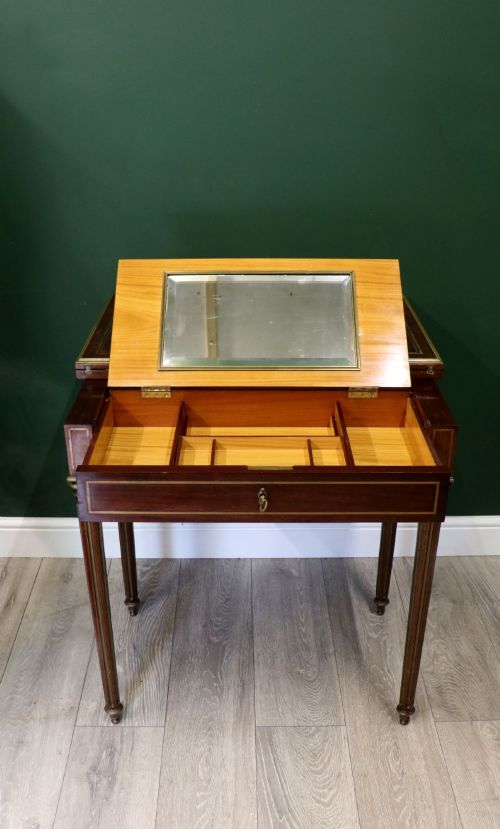
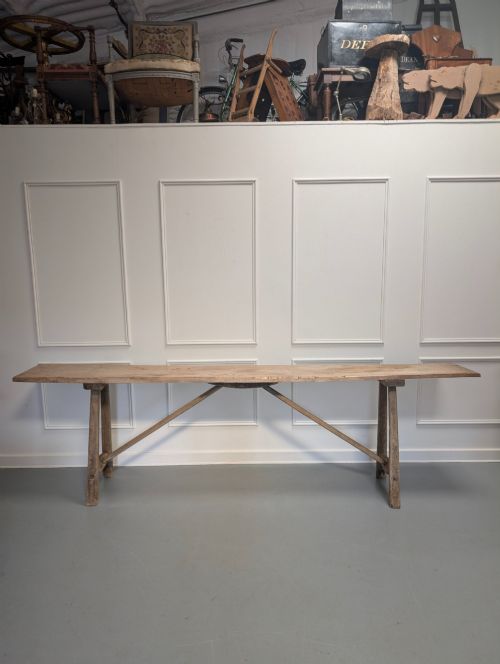
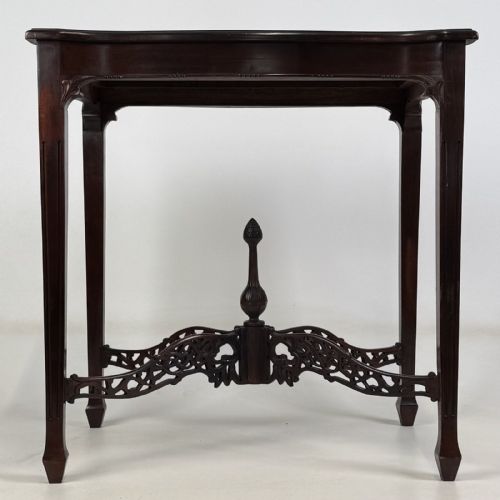
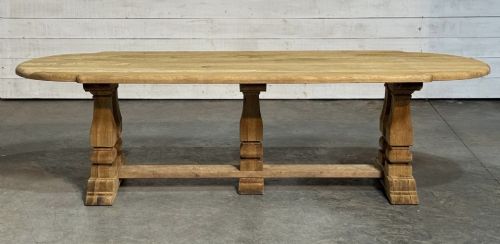
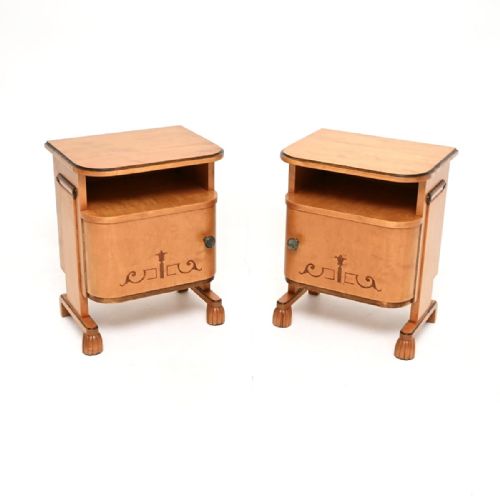
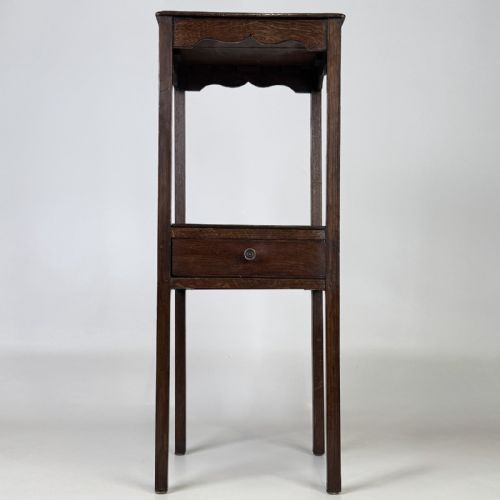
When buyers search for vintage wood tables, they encounter a diverse array of forms spanning multiple centuries, from formal Georgian dining pieces to compact Edwardian occasional tables. These items serve daily domestic functions while carrying the distinct aesthetic weight of periods such as the Victorian era, the Edwardian years and the early twentieth century. Side tables, desks, dining tables and bedside cabinets form the core of what appears in this selection.
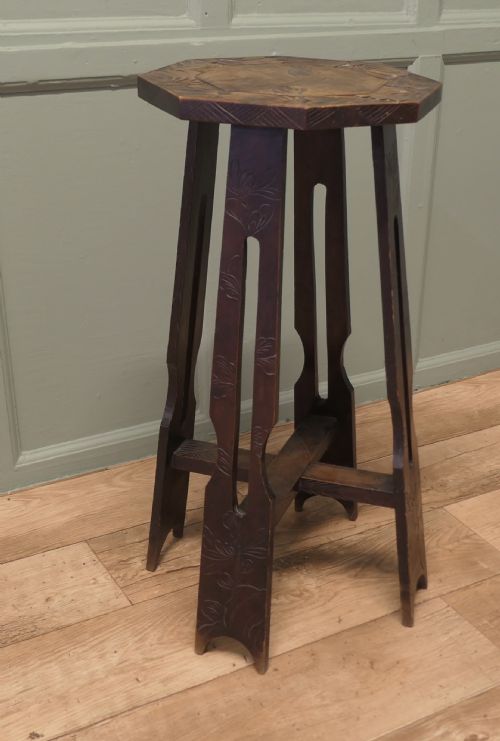
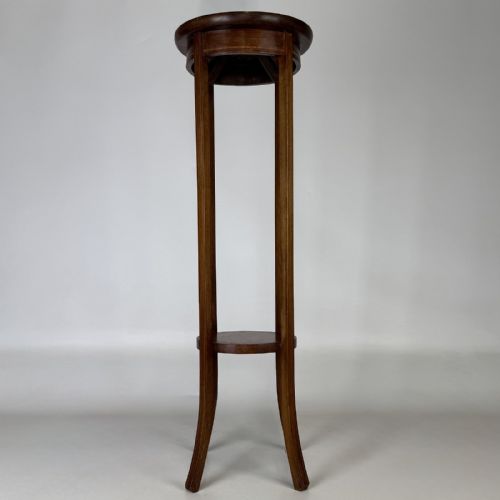
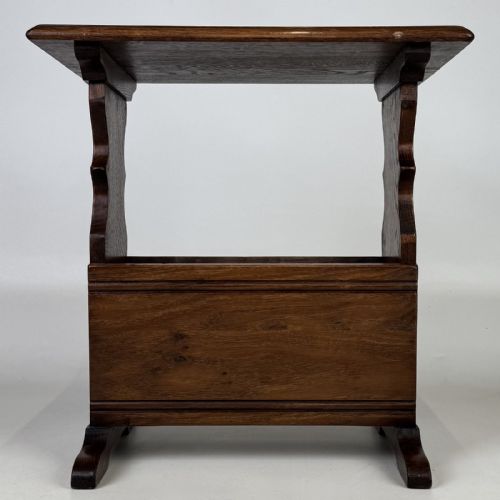
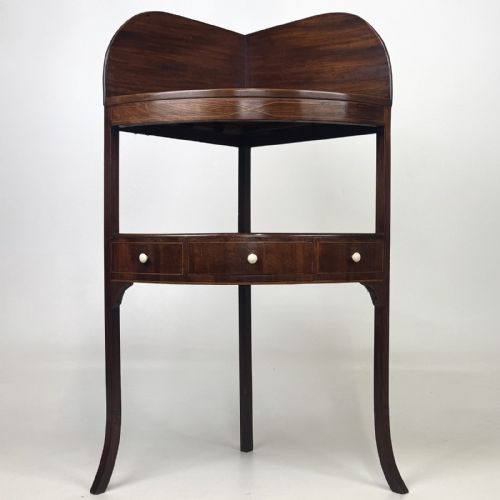
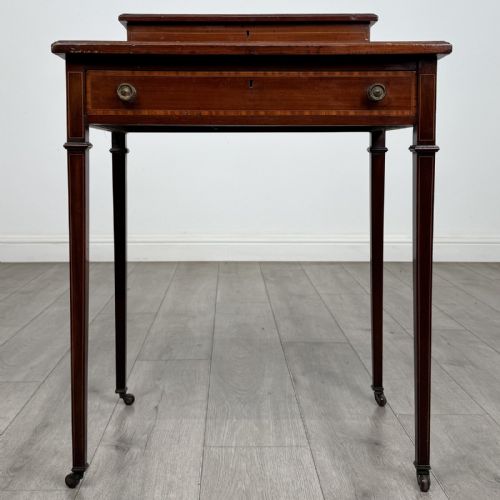
The Edwardian iterations dominate the selection, frequently appearing in mahogany with inlaid detailing, occasional formats or functional side tables with lower shelves. Alongside these, nineteenth-century pieces bring heavier timbers and deeper patination, whilst walnut writing tables and oak desks represent the more utilitarian or specialised domestic requirements of past households. Regional and stylistic variations, including French provincial designs and Jacobean revival oak, expand the range significantly.
Buyers also encounter specialised variants such as coaching tables, nests of tables, wine tables and butlers trays on stands, each adapted for specific nineteenth and twentieth-century domestic uses. These forms highlight how timber was manipulated to suit changing interior layouts, offering flexible surfaces that function just as effectively in modern settings as they did in their original eras.
How they were made
Cabinet makers relied predominantly on dense hardwoods, utilising mahogany, oak, walnut and rosewood as the structural and aesthetic foundation for these pieces. Timber selection dictated the construction method, with durable oak supporting heavier side tables and desks, whilst finely grained mahogany and burr walnut permitted intricate inlay and polished finishes.
Construction techniques evolved across the periods represented, moving from solid timber joinery secured with turned legs and stretchers to more decorative applications like marquetry and raised galleries. Brass fittings, leather writing inserts and glass elements frequently complemented the woodwork, demonstrating a synthesis of materials that defined quality furniture production.
The listings feature mahogany more frequently than any other wood across nineteenth-century and Edwardian pieces.
What varies in quality
The distinction between standard domestic items and superior examples lies in the selection of timber figures and the precision of the joinery. Pieces featuring burr walnut veneers, carefully matched mahogany grains or detailed marquetry inlay represent a higher tier of craftsmanship than plain utility items.
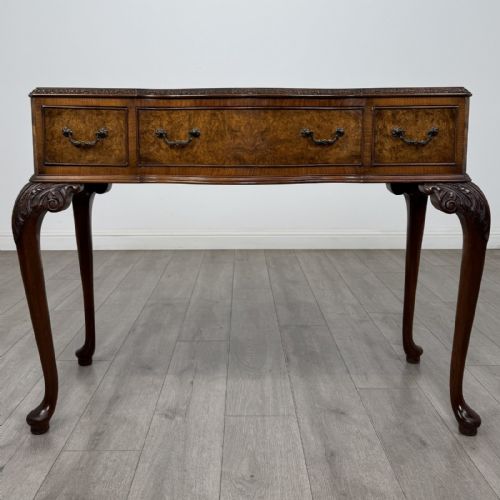
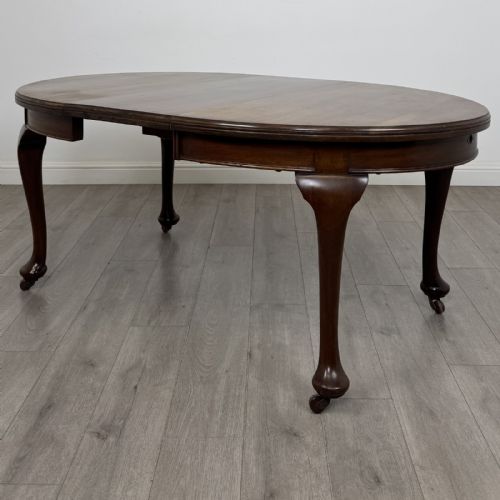
Proportion and structural integrity separate fine survivals from lesser pieces, particularly in extending dining tables and writing desks where mechanical elements must operate smoothly. The subtlety of carved details, such as cabriole legs with carved knees or turned stretchers, determines the overall refinement of the piece.
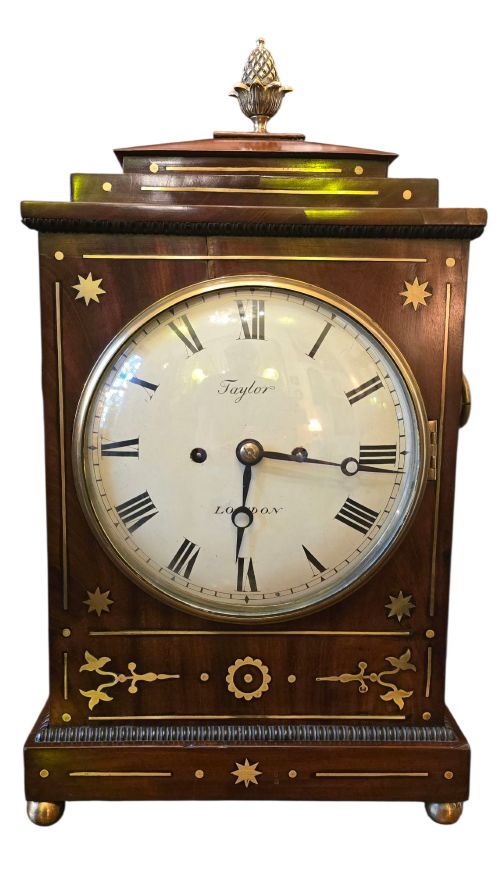
Shapland and Petter·Taylor of London
The Vintage Wood Tables Glossary
- Cabriole leg
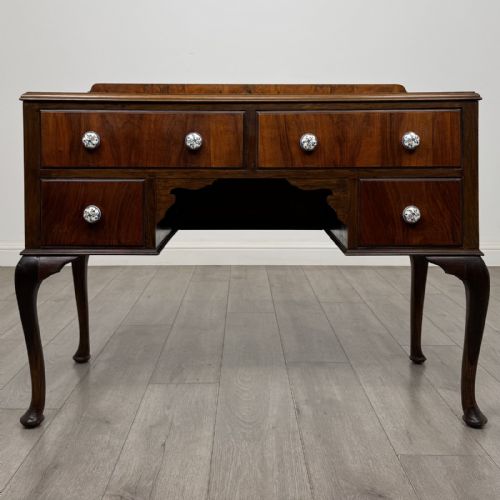
- A furniture leg that curves outward at the knee and tapers inward at the ankle, commonly found on walnut and mahogany writing tables from the Edwardian period.
- Marquetry
- Decorative veneer work forming intricate patterns using various woods, seen on high-end Edwardian and eighteenth-century pieces.
- Pedestal desk
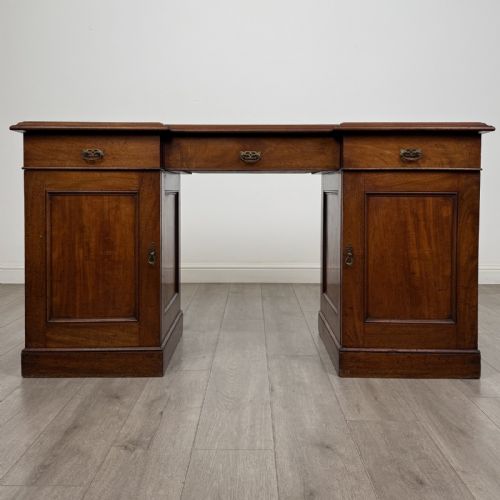
- A heavy desk comprising two separate pedestals of drawers supporting a single desktop, frequently executed in mahogany or bleached oak.
- Occasional table
- A small, movable table designed for specific, intermittent use rather than permanent placement, heavily represented in Edwardian designs.
- Stretcher
- A horizontal wooden brace connecting the legs of a table or desk to provide structural rigidity, typical of earlier oak and revival pieces.
Vintage Wood Tables: Frequently Asked Questions
What timber is best for daily use?
Hardwoods like oak and mahogany offer exceptional durability for items subject to regular daily contact, such as dining tables and writing desks. These dense timbers withstand frequent use while maintaining their structural integrity.
Softer or more decorative woods like walnut and rosewood require slightly more careful placement to protect their polished surfaces and fine veneers from heavy wear.
How were writing tables used historically?
Writing tables served as dedicated spaces for correspondence, household administration and personal journal keeping in the parlour or study. Drawers incorporated within these pieces held stationery, inkwells and writing implements.
Over time, their roles expanded as domestic spaces evolved, transforming them into convenient display surfaces or occasional workspace additions.
Are Edwardian tables sturdy?
Edwardian tables generally benefit from sound, established manufacturing traditions that prioritize practical domestic utility alongside decorative appeal. Their solid timber frames and secure joinery ensure they remain reliable for contemporary use.
While lighter occasional formats require sensible handling, heavier dining tables and desks easily accommodate standard modern requirements.