
Vintage Wood Panel
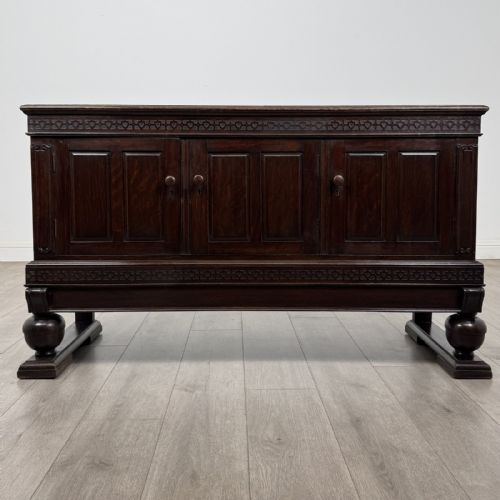
Vintage wood panel pieces bring tactile warmth to a room, spanning carved oak coffers, painted decorative items and oil paintings on board.
Vintage Wood Panel
When buyers search for vintage wood panel, they encounter a diverse selection of items ranging from architectural woodwork and carved decorative panels to oil paintings executed directly on wooden boards. These pieces demonstrate how craftsmen utilised timber across centuries to create both structural furniture and surface ornamentation.
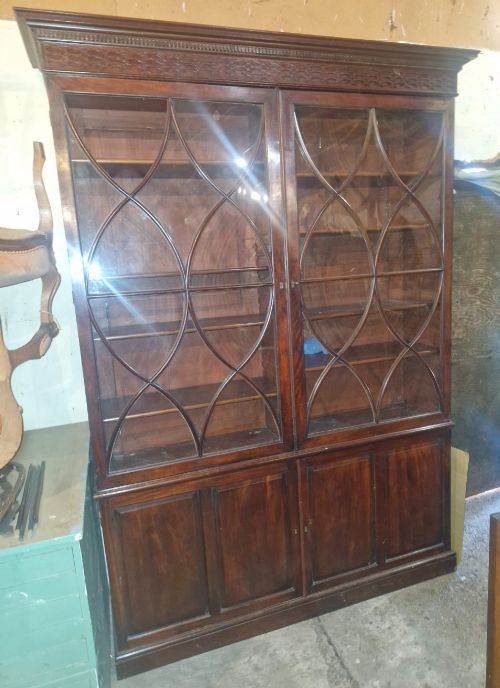
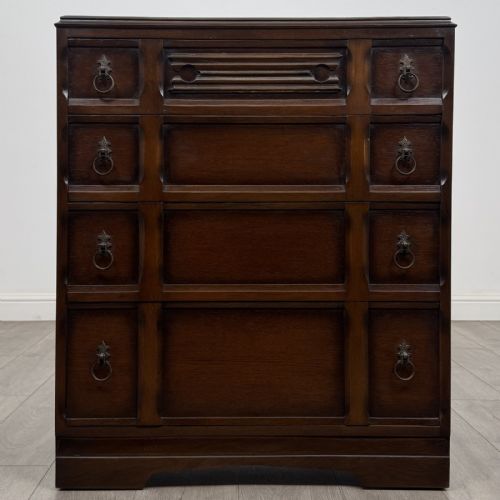
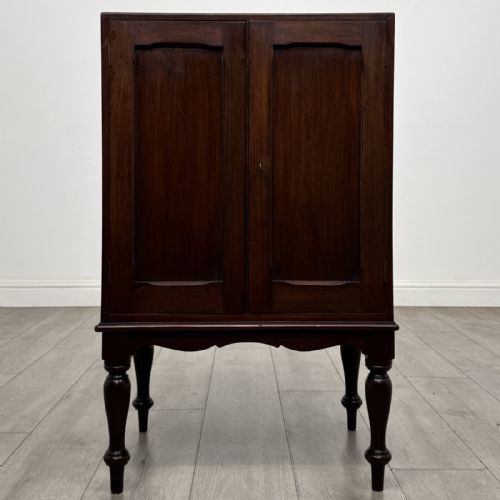
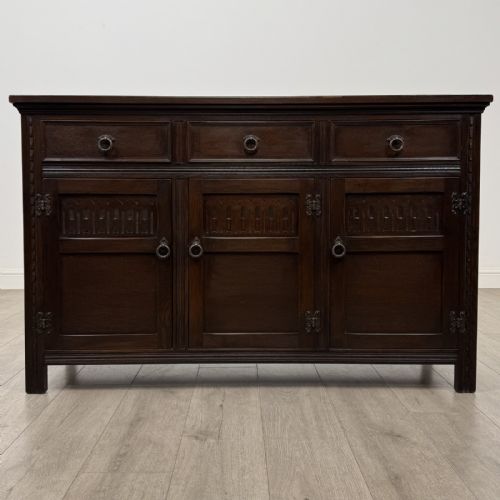
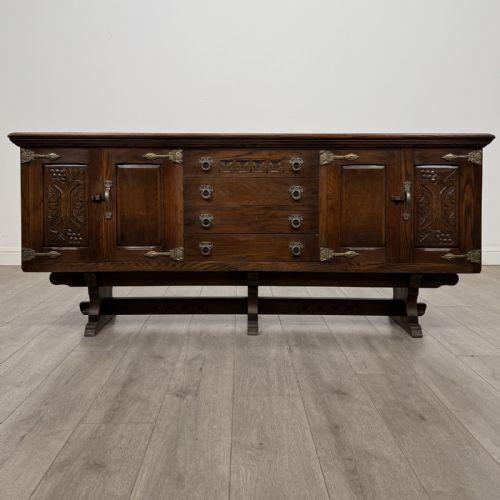
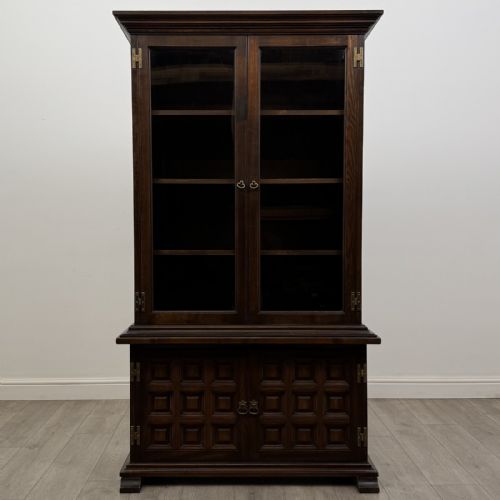
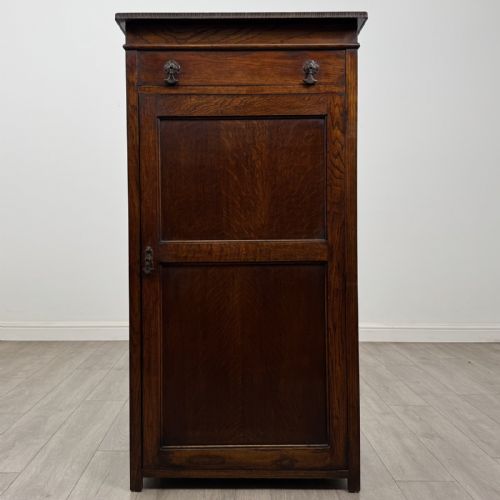
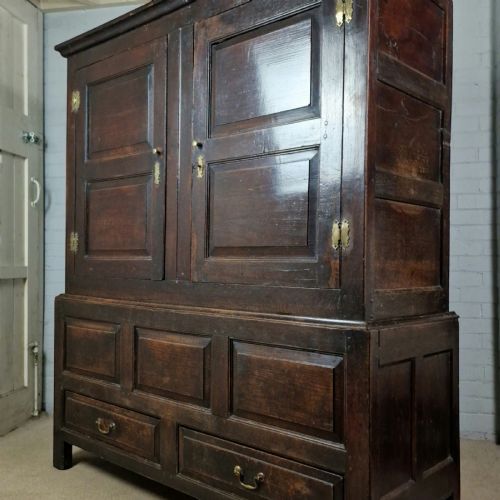
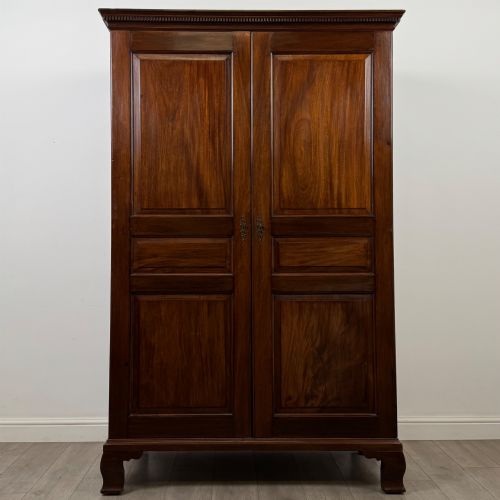
The inventory on this page most frequently presents oak and mahogany in forms such as sideboards, cupboards, coffers and wall art. Items span several eras, including Georgian, Victorian, Edwardian and early twentieth-century periods, alongside specific regional pieces like Indian marquetry and Burmese carvings.
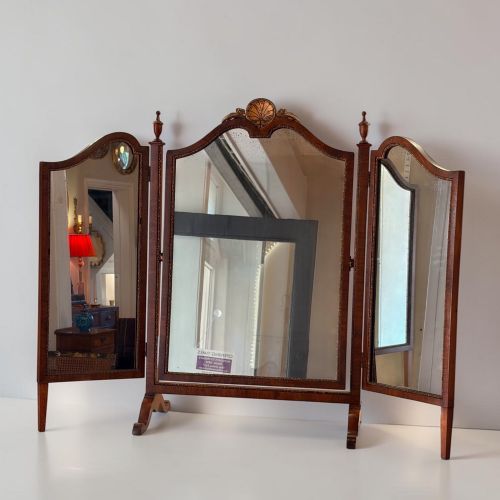
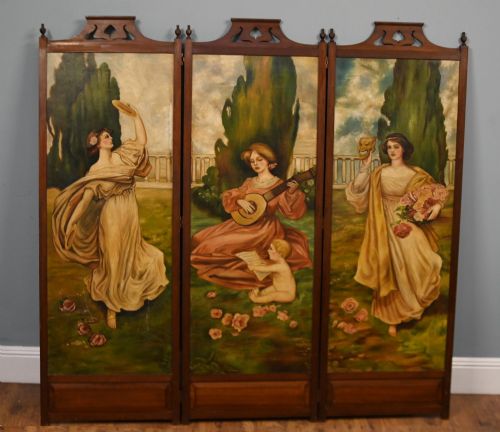
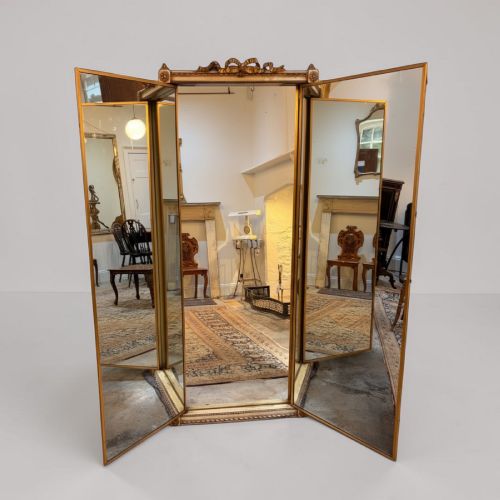
Buyers also find folding screens, wardrobes, bench seats and framed oil paintings on panel. Each object relies on the natural grain and stability of the wood to provide both utility and visual character within domestic interiors.
Materials and construction
Makers relied heavily on domestic and imported hardwoods, chiefly oak and mahogany, supplemented by pine, beech and ash for structural integrity and panel construction. Timber was selected for grain pattern and seasoned to prevent warping across large surfaces.
Joinery techniques involved traditional mortise and tenon frames surrounding floating panels, allowing the wood to expand and contract naturally with seasonal humidity changes. Carving, marquetry and applied mouldings were executed by hand using gouges and chisels on solid wood.
Surface finishes included traditional wax, polish and oil paint applied directly to timber or prepared boards. Oil paintings on panel utilised prepared wooden supports, providing a rigid foundation for fine brushwork by artists.
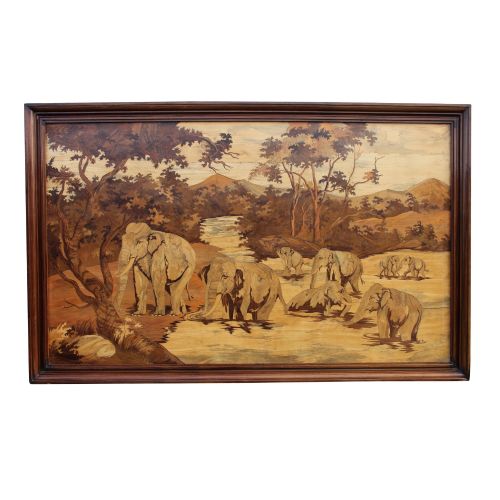
An elephant marquetry panel from around nineteen hundred proves that Victorian interiors possessed a remarkably global imagination.
Distinguishing quality in panel work
Quality rests in the depth and precision of the carved detail, where crisp lines and well-defined relief indicate skilled hand execution rather than mechanical shaping. The choice of timber grain and the neatness of joinery integration also separate standard utility items from finer examples.
Proportion and structural honesty dictate the success of larger forms like cupboards, coffers and sideboards. Pieces retaining original hardware, uncompromised timber thickness and untouched patination command greater appreciation among collectors.
The Vintage Wood Panel Glossary
- Panel
- A flat piece of wood set within a surrounding frame to prevent splitting caused by shrinkage. This method allows timber furniture and architectural elements to remain stable over decades.
- Coffer
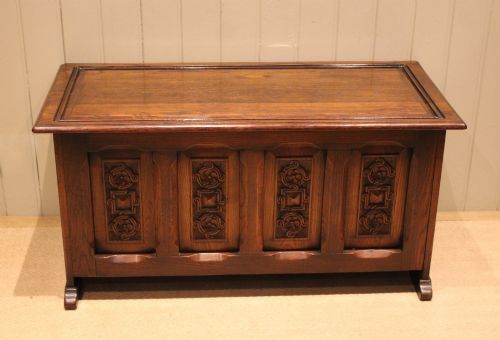
- A large heavy box with a lid, used historically for storing valuables and textiles. Early examples frequently display carved panels on the front and sides.
- Marquetry
- The art of applying pieces of veneer to a structure to form decorative patterns and pictorial designs. Different coloured woods are cut and fitted together meticulously.
- Dentil cornice
- A moulding decorated with a series of small rectangular blocks resembling teeth. This architectural detail appears frequently on Georgian cabinets and wardrobes.
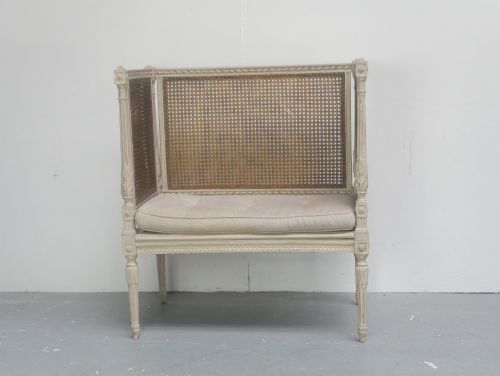
- Bergere
- A type of enclosed upholstered armchair or bed frame with cane or wicker panelling. It gained popularity during the eighteenth century and subsequent revival periods.
Vintage Wood Panel: Frequently Asked Questions
How do I clean a carved wooden panel?
Dust gently with a soft, dry brush to remove particles from crevices without disturbing the wood grain or patination.
Apply a microcrystalline wax sparingly if the surface feels dry, avoiding modern liquid silicones that damage antique finishes.
Can I hang an oil painting on wood panel?
Check that the hanging wire and structural frame are secure and capable of supporting the weight of the board.
Mount the painting away from direct heat sources and dramatic humidity fluctuations to prevent the wooden panel from warping or cracking.
What is the difference between oak and mahogany panels?
Oak displays a pronounced, open grain with visible medullary rays, commonly associated with earlier centuries and revival styles.
Mahogany offers a denser, finer, reddish-brown grain that became dominant during the Georgian and Victorian eras for formal furniture.
How should I place a room divider screen?
Position the hinged panels in a stable zig-zag formation to ensure the structure supports its own weight safely across the floor.
Keep the hinges clear of heavy traffic areas to prevent accidental tipping or undue strain on the joining hardware.