







Vintage Wood Log Holder
These vintage wood log holder pieces keep hearths tidy while bringing character to a room through traditional materials like oak and brass.
Vintage Wood Log Holder
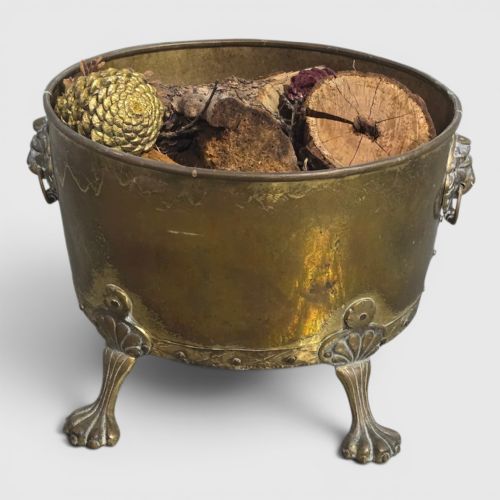
A vintage wood log holder serves the fireplace as a practical container for fuel, taking forms such as bins, buckets, boxes and baskets. When you search for this phrase, you encounter items designed to sit beside the hearth and hold timber, kindling or coal.
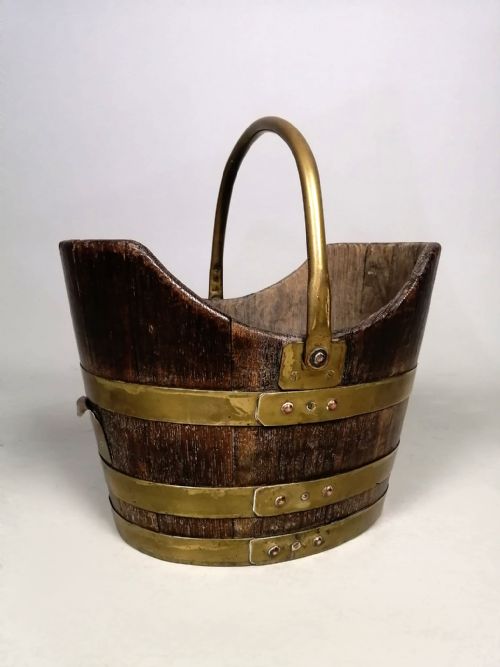
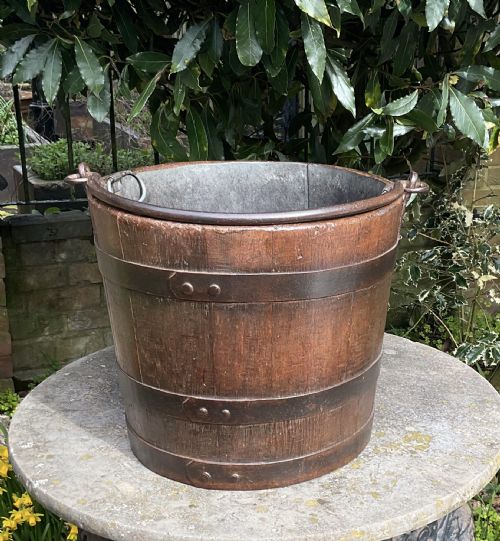
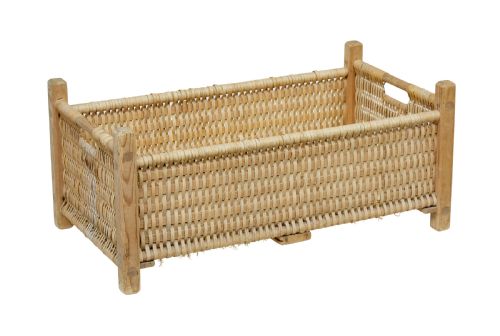
The pieces listed on this page span several eras from the eighteenth century through the Victorian period and into the early twentieth century. Examples include coopered oak bins, brass-banded buckets, iron carriers and hand-woven pine baskets from English, Scandinavian and French traditions.
Most items you meet here combine utilitarian function with regional craft styles, ranging from rustic country pine to formal Georgian mahogany. They function equally well in active fireplaces or as decorative storage within period interiors.
How they were made
Construction relies heavily on traditional woodworking methods, notably cooperage where wooden staves are bound together with metal bands of brass or iron. This technique creates strong, watertight vessels capable of enduring the weight of dense hardwood logs.
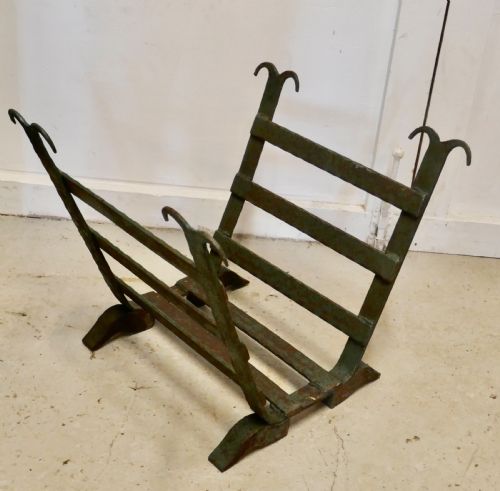
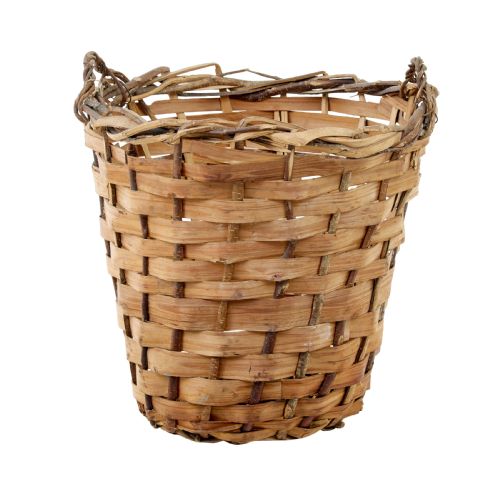
Other examples utilise hand-woven natural fibres in pine and timber to form flexible yet sturdy storage baskets. Blacksmiths also shaped heavy iron into robust carriers designed for direct hearthside use.
Vintage Wood Log Holder Retail Price Guide 2026
Typical asking prices for vintage wood log holder among the pieces listed under this phrase on Sellingantiques today, from the lower quarter to the upper quarter. They describe what is for sale here now, not the wider market.
The periods represented span from the eighteenth century through to the early twentieth century.
What varies in quality
Quality shows in the selection of primary materials and the integrity of the joinery, whether dealing with dovetailed mahogany boxes or tightly fitted oak staves. Superior pieces retain their original metal liners and secure bandings that withstand heavy daily use.
The fineness of hand-carved details or the tightness of the weave in woven pine baskets distinguishes standard utility items from finer workshop pieces. Patina developed through decades of domestic service also marks the better-surviving examples.
The Vintage Wood Log Holder Glossary
- Coopered
- Built from vertical wooden staves fitted together and bound by hoops of metal, similar to barrel construction. This method ensures structural strength for holding heavy loads of timber.
- Inglenook
- A large recessed space around a fireplace designed for sitting. Items built for this area are typically heavy-duty iron or robust wood intended for intense hearth use.
- Peat bucket
- A traditional container originally used for holding dried peat sods as fuel. These often feature brass banding and carrying handles similar to log bins.
- Stave
- One of the narrow shaped pieces of wood forming the sides of a coopered bucket or bin. Staves are traditionally tapered and tightly joined.
- Patina
- The surface sheen and colour developed by wood and metal over years of handling and exposure to hearth conditions. A deep patina indicates age and regular use.
Vintage Wood Log Holder: Frequently Asked Questions
How do I clean a wooden log holder?
Dust the surface regularly with a dry cloth to remove debris and soot. Avoid harsh chemical cleaners that might strip the historic finish.
For wooden surfaces, an occasional application of beeswax helps nourish the timber and preserve the patina without altering the colour.
Can I use these for actual logs?
Most of these pieces were built precisely for holding fuel beside a fireplace. Coopered oak and iron carriers are particularly sturdy for heavy timber.
Check that the interior is sound and fitted with a suitable liner if you wish to prevent loose bark and dirt from marking the floor.
How do I tell Victorian from Georgian pieces?
Georgian pieces often feature formal timbers like mahogany paired with neat brass banding. They tend to reflect classical furniture proportions.
Victorian and later pieces frequently utilise oak or pine with a more robust rustic country finish, reflecting different domestic trends of the nineteenth century.
Where were these baskets made?
The listings show origins across England, Scandinavia and France. Each region employed local materials such as pine in northern Europe or oak in English workshops.
Regional techniques like Swedish weaving or English cooperage give each piece its distinct geographic character.