


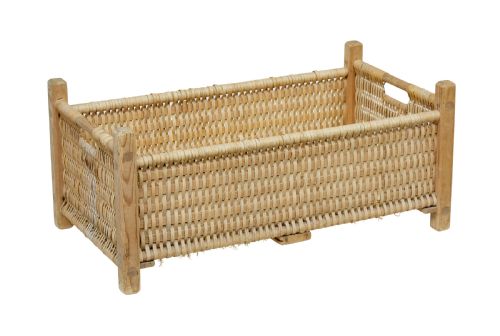


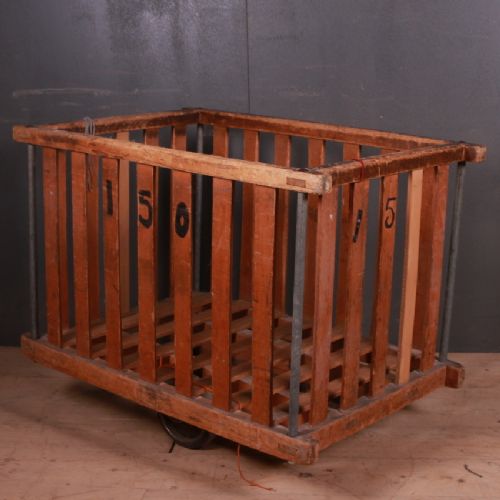

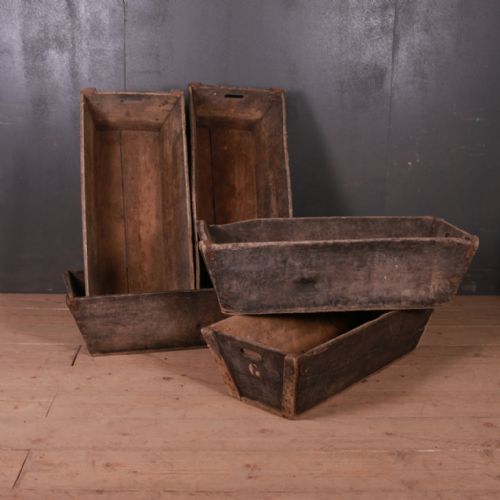

Pine Storage Basket
A pine storage basket brings honest utility and warmth to a room, offering robust function through traditional craftsmanship.
Pine Storage Basket
A pine storage basket satisfies the need for practical organisation with an authentic aesthetic, drawing on styles such as Scandinavian country and rustic farmhouse. The pieces found here range from nineteenth-century woven vessels to early twentieth-century stands and bins.
Buyers meet forms including deep log baskets, storage barrels, two-tier stands, and French grape bins. Most originate from Scandinavian workshops, reflecting functional domestic and agricultural traditions in timber.
The material character is defined by visible grain and sturdy construction, often combining softwoods with iron or metal elements. These objects suit contemporary interiors as readily as period spaces, serving as natural receptacles for household goods.
Materials and construction methods
Makers utilised pine, timber, and wood splint, shaping strips by hand to create resilient woven walls and rigid frames. The inherent flexibility of bentwood allowed artisans to curve the material into stable cylindrical and rectangular vessels.
Iron and metal fixtures reinforce handles, rims, and structural joints, adding industrial durability to organic forms. Surface finishes rely on the natural ageing of the wood rather than heavy varnish, preserving the raw texture of the material.
Pine Storage Basket Retail Price Guide 2026
Typical asking prices for pine storage basket among the pieces listed under this phrase on Sellingantiques today, from the lower quarter to the upper quarter. They describe what is for sale here now, not the wider market.
Distinguishing quality in construction and material
The distinction between standard utility items and superior examples lies in the tightness of the weave and the structural integrity of the timber. Skilled hand weaving results in even tension across the splints, ensuring the vessel maintains its shape under heavy loads like logs.
Age and provenance also shape the character of each piece, with nineteenth-century examples displaying distinct patination through decades of handling. The integration of metal hardware and the survival of original structural components distinguish finer vessels from later adaptations.
The Pine Storage Basket Glossary
- Pine
- A softwood derived from conifer trees, valued for its light colour, straight grain, and resilience in utilitarian furniture and vessels.
- Bentwood
- Timber that has been heated and forced into curved shapes, allowing makers to form rounded rims and handles without jointing.
- Wood Splint
- Thin strips of wood peeled or sliced from a log, traditionally soaked and woven to create flexible yet durable basketry.
- Log Basket
- A deep, heavy-duty container designed specifically to hold firewood near a hearth, combining robust base construction with strong handles.
- Patina
- The surface sheen and colour depth acquired by wood through age, handling, and exposure to light over many decades.
Pine Storage Basket: Frequently Asked Questions
What were pine storage baskets used for?
These vessels served primarily practical roles in nineteenth-century and early twentieth-century domestic life. They carried heavy loads such as firewood, harvested crops, or textiles around the home and farm.
Over time, their sturdy construction made them reliable containers for daily storage, transitioning from agricultural utility to household organisation.
How do I clean an antique pine basket?
Maintenance requires only gentle dusting with a soft, dry cloth to protect the dry timber and historic surface patination. Moisture and modern detergents can damage aged wood and weaken dry splints.
Keeping the basket in a stable environment away from extreme humidity preserves the integrity of the natural fibres.
Are these baskets strong enough for logs?
Nineteenth-century examples constructed with thick pine splints and reinforced frames were built specifically to carry heavy loads of firewood. Many feature iron bracing or robust handles designed for regular weight-bearing use.
Inspecting the base and the attachment points of the handles confirms whether a particular piece remains suitable for heavy daily duty.
How can I tell a nineteenth-century basket apart?
Nineteenth-century pieces typically display hand-split pine or bentwood construction with tool marks left by the maker. The patination on the wood shows deep signs of age that modern reproductions cannot replicate.
Associated hardware, such as hand-forged iron rivets or brackets, further points to period manufacturing methods.