

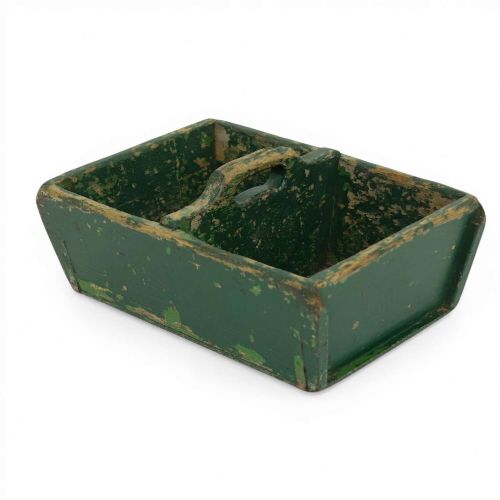


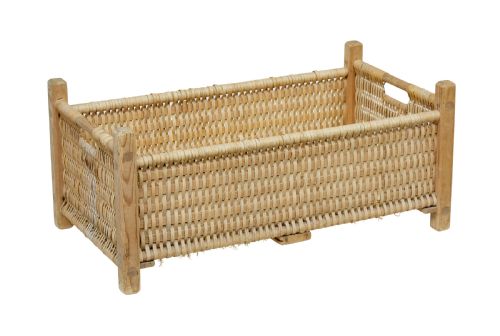


19th Century Pine Basket
These robust 19th century pine basket designs offer rustic charm and practical utility, making them sought-after staples for country house interiors.
19th Century Pine Basket
A 19th century pine basket combines vernacular utility with tactile warmth, originating predominantly from Scandinavian, Swedish, and Welsh workshops. Buyers searching this phrase encounter utilitarian vessels ranging from log carriers and storage barrels to handmade woven baskets.
Makers shaped these objects using accessible regional timber to fulfil immediate domestic or agricultural needs. Their straightforward construction makes them ideal for contemporary firesides or open shelving.
Materials and construction methods
Makers relied entirely on pine and timber, often utilising wood splint alongside metal or iron fastenings to reinforce stress points. The natural grain of the wood provides the primary decorative quality of each vessel.
Artisans bound and wove the timber by hand, resulting in tight structural forms designed to withstand heavy loads. Occasional traces of paint add surface texture without concealing the underlying grain.
19th Century Pine Basket Retail Price Guide 2026
Typical asking prices for 19th century pine basket among the pieces listed under this phrase on Sellingantiques today, from the lower quarter to the upper quarter. They describe what is for sale here now, not the wider market.
Current listings feature pine and wood splint across Scandinavian, Swedish, and Welsh country styles.
Judging quality in rustic pine
Quality rests in the tightness of the weave and the structural integrity of the timber framing. A superior piece maintains its rigid form even under the weight of logs or heavy storage items.
The handling of joints and the retention of original surface patination distinguish finer artisan examples from standard utilitarian gear. Honest signs of wear indicate genuine working origins rather than decorative imitation.
The 19th Century Pine Basket Glossary
- Pine
- A soft yet resilient timber widely utilised in regional vernacular furniture and utility objects across the nineteenth century. Its pale grain takes on a rich patina through decades of handling.
- Trug
- A traditional shallow container or garden basket traditionally shaped from thin strips of wood. Artisans built them to carry heavy loads of produce or fuel.
- Splint
- Flat strips of timber split along the grain and woven together to form the body of a basket. This technique allows for both flexibility and immense structural strength.
- Vernacular
- Everyday objects designed by anonymous makers for practical use rather than academic display. These pieces embody the local materials and traditions of their specific region.
19th Century Pine Basket: Frequently Asked Questions
What were they used for?
These vessels served fundamental domestic and agricultural roles, from hauling firewood to storing dry goods in farmhouses and cottages.
Their robust construction meant they could handle the daily friction of heavy labour without failing.
How do I clean one?
Dust the woven surfaces gently with a dry brush to protect the historic pine timber and its natural dry finish.
Avoid using water or chemical cleaners, which can strip the aged patination from the wood.
Are they sturdy enough for logs?
Many of these pieces, particularly the log baskets and trugs, were built specifically to carry heavy loads of timber.
Check the base and structural splints to ensure they remain firm before loading them by the hearth.
Where did they originate?
The pieces available here stem largely from Scandinavian, Swedish, and Welsh country workshops where local pine was plentiful.
Each region developed subtle variations in weaving technique and vessel form to suit local domestic needs.