

Vintage Wood Lockers
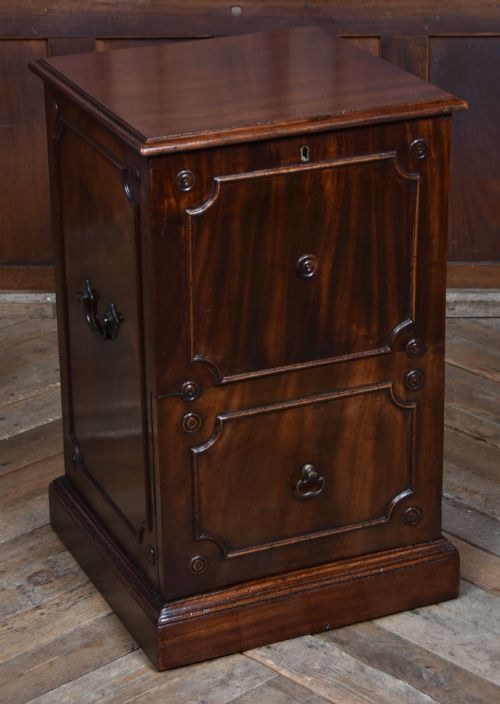
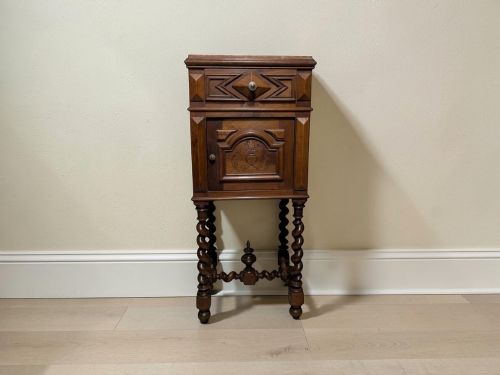
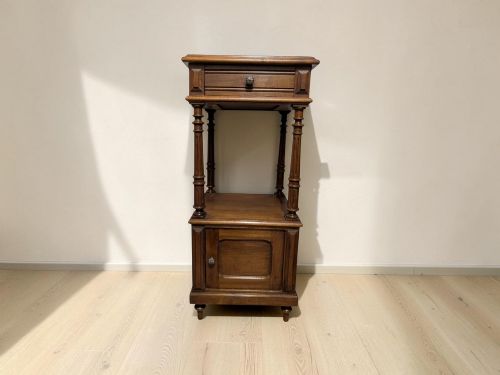
Vintage wood lockers bring compact storage and distinct period character to a bedroom, functioning primarily as bedside cabinets, cupboards, and small chests.
Vintage Wood Lockers
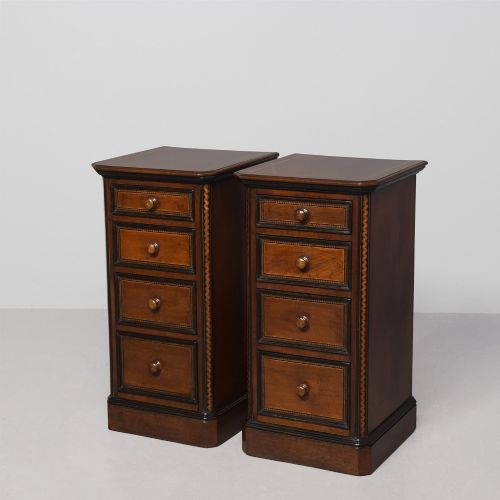
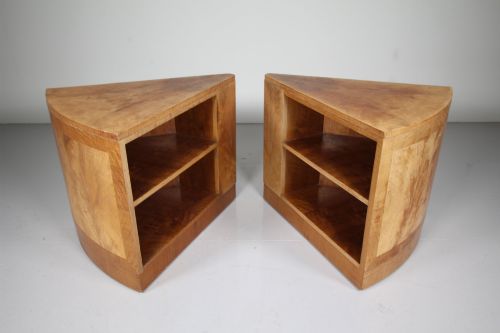
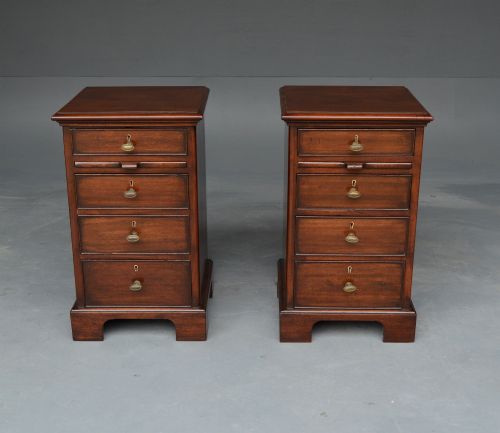
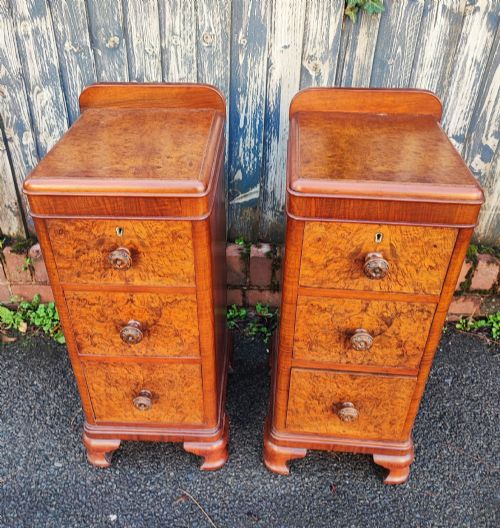
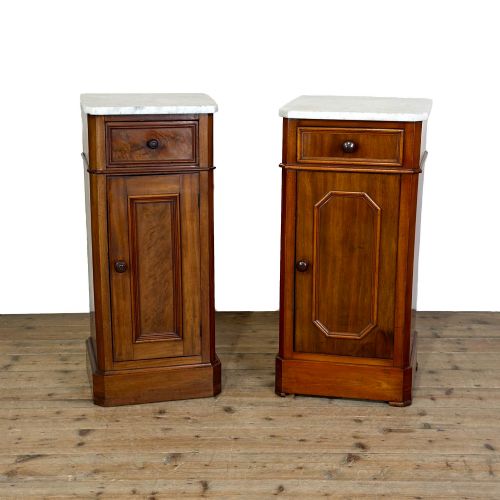
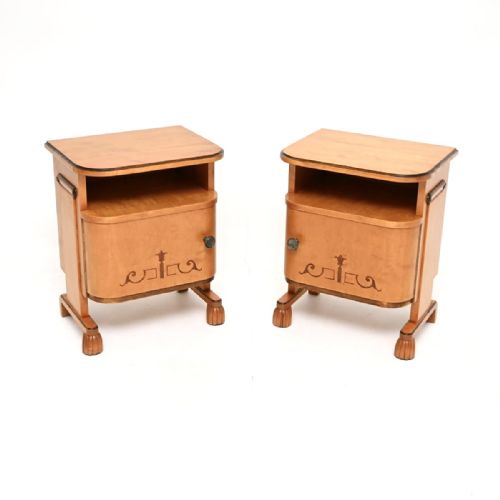
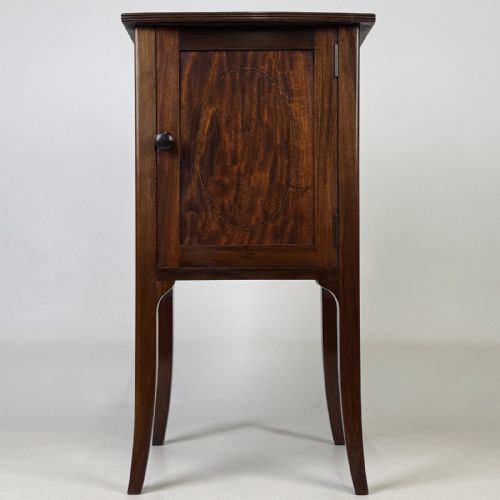
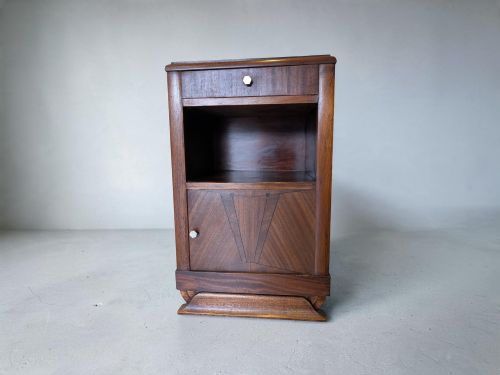
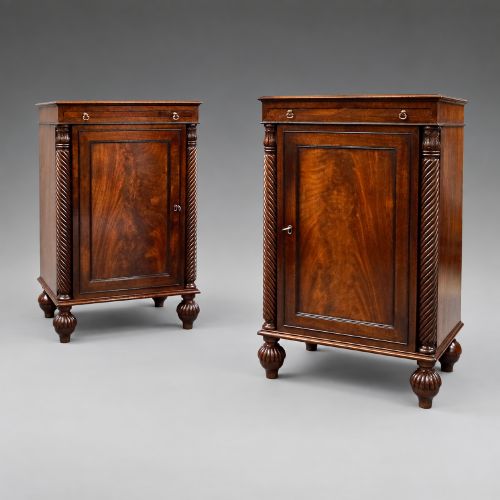
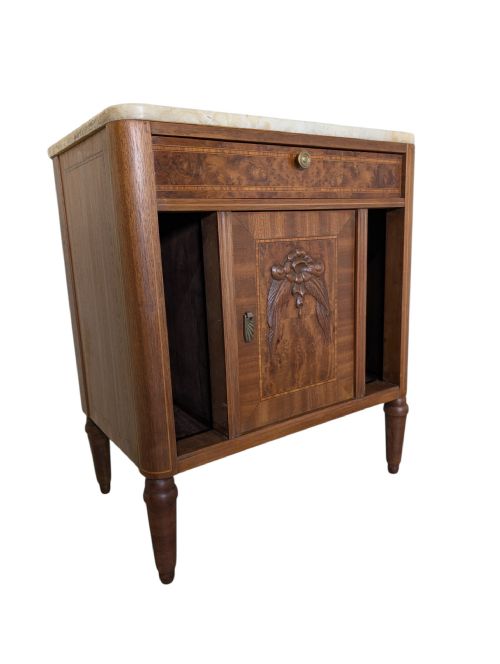
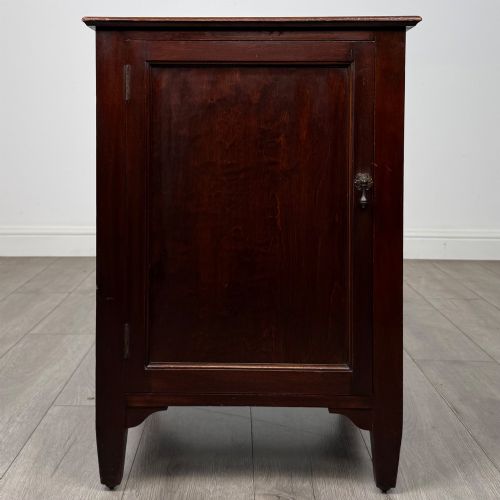
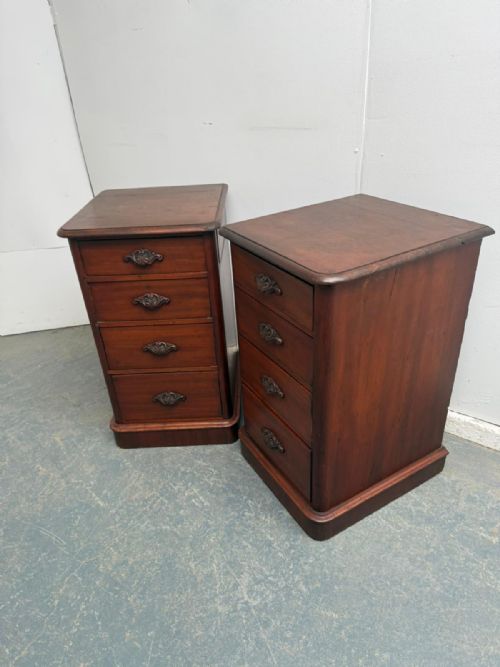
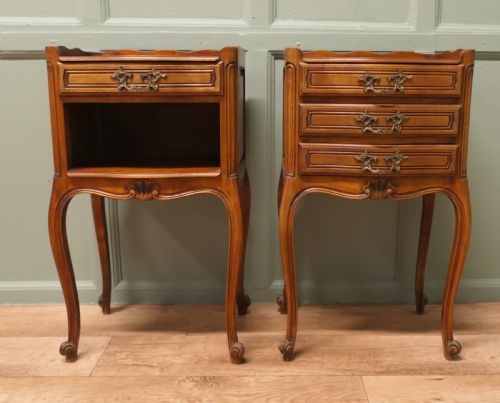
The selection ranges from simple oak and mahogany cupboards to finely inlaid satinwood and walnut examples. Forms include drop-flap cabinets, small drawer chests, and corner cupboards intended for specific room layouts. Both single items and matched pairs appear across the inventory, reflecting how they were originally used in period bedrooms.
Materials and construction
Cabinet makers relied heavily on dense hardwoods like mahogany, walnut, and oak to build durable frames that endured daily use. Finer pieces incorporated exotic veneers, satinwood, and maple, often enhanced with marquetry or delicate inlay work. Brass handles and fittings provided functional contrast to the dark and figured timber surfaces.
Joinery techniques matched the period of production, utilising solid wood panels, dovetailed drawers, and turned supports. Surfaces were typically finished with wax or polish to highlight the natural grain and colour of the wood, while select examples incorporated marble tops for added durability.
Vintage Wood Lockers Retail Price Guide 2026
Typical asking prices for vintage wood lockers among the pieces listed under this phrase on Sellingantiques today, from the lower quarter to the upper quarter. They describe what is for sale here now, not the wider market.
The listings span from 1800 to 1930, featuring woods such as mahogany, walnut, satinwood, and oak alongside marble top finishes.
Distinguishing quality in wood lockers
The distinction between standard utility furniture and superior examples lies in the selection of timber and the precision of the cabinet work. Finer pieces display carefully matched wood veneers, complex marquetry, or subtle brass hardware that integrates harmoniously with the design. Subtle proportions and balanced drawer configurations separate workshop-produced furniture from basic utilitarian items.
Makers known for exceptional joinery, such as those operating during the Victorian and Edwardian periods, paid strict attention to internal secondary woods and drawer construction. The presence of specialised decorative elements, such as Chinoiserie decoration or inlaid stringing, indicates a higher tier of craftsmanship.
Betty Joel·Gillows·Maple & Co
The Vintage Wood Lockers Glossary
- Chevet
- A French term for a bedside table or small cabinet, often featuring a small cupboard or drawer.
- Pot cupboard
- A compact Victorian bedside cabinet originally designed to house a chamber pot behind a single door.
- Marquetry
- Decorative veneer work formed by fitting together small pieces of different coloured wood to create a pictorial design.
- Parquetry
- A geometric mosaic of wood pieces used for adorning floors or cabinet surfaces, prominent in 1930s designs.
- Veneer
- A thin layer of finely figured wood glued to a base panel to provide a decorative surface without structural warping.
Vintage Wood Lockers: Frequently Asked Questions
What is a vintage wood locker?
A vintage wood locker refers to compact period bedside cabinets, pot cupboards, and small storage chests made from timber. These pieces date from the Georgian era through the early twentieth century.
They provide enclosed storage next to a bed or in small spaces, combining practical utility with distinct period aesthetics like Art Deco or Edwardian inlay.
How were bedside lockers used historically?
Historically, these small wooden cupboards served to hold personal items, nightwear, or chamber pots out of sight near the sleeping quarters. They functioned as private bedside storage before fitted bedroom furniture became standard.
Over time, their role evolved to accommodate lamps, books, and smaller daily accessories while maintaining a compact footprint beside the bed.
How do I identify the period of a cabinet?
Dating a wood locker involves examining the primary woods used, such as heavy mahogany in Victorian pieces or light birch and satinwood in Edwardian and Art Deco examples. Construction methods, handle styles, and decorative techniques like marquetry also point directly to specific decades.
Cabinet proportions and edge profiles often reflect the prevailing design movements of their respective centuries, from Georgian simplicity to 1930s geometric styling.
Are pairs common for vintage bedside cabinets?
Matched pairs frequently appear in the inventory, reflecting how they were originally manufactured for twin beds or master bedrooms in larger houses. Finding a matching pair from the nineteenth or early twentieth century is typical for this category.
Single cabinets also occur regularly, often functioning as standalone lamp tables or accent pieces in smaller rooms.