



Vintage Wood Hall Table
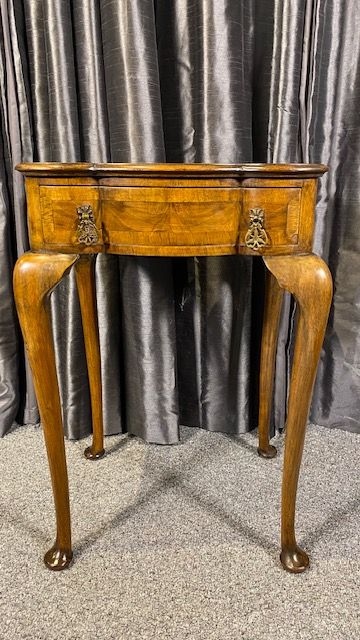
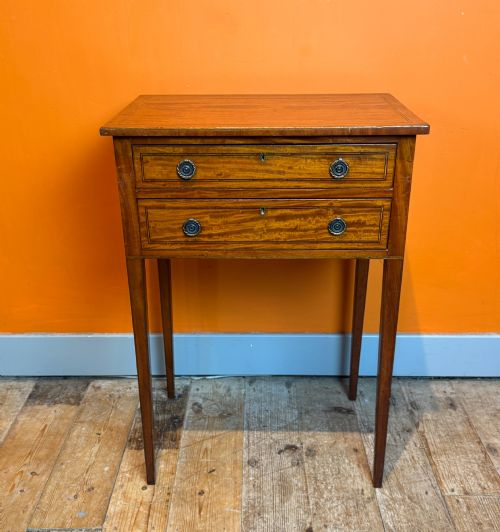
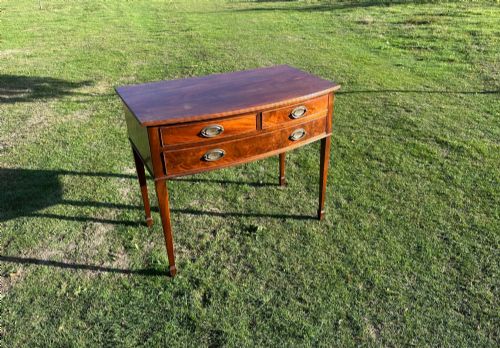
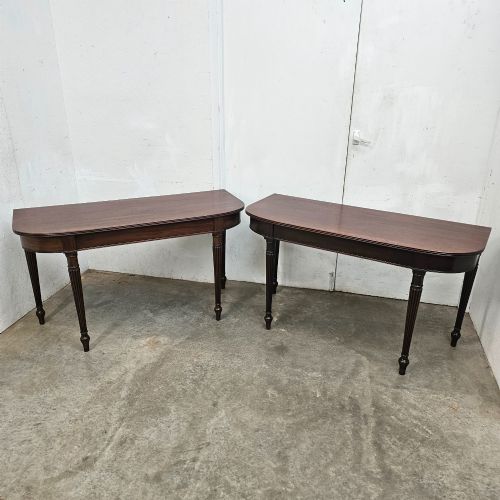
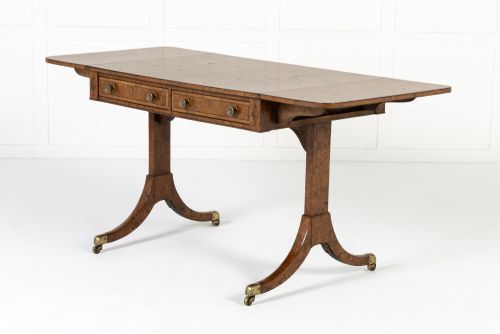
These vintage wood hall tables are functional surface pieces built in mahogany, oak, and walnut to anchor narrow entranceways and landings.
Vintage Wood Hall Table
A vintage wood hall table serves as a functional surface in an entranceway, utilising compact forms such as side tables, console tables, and lowboys. The selection spans centuries from the 18th century through the Victorian and Edwardian eras up to the 1930s, reflecting diverse design movements.
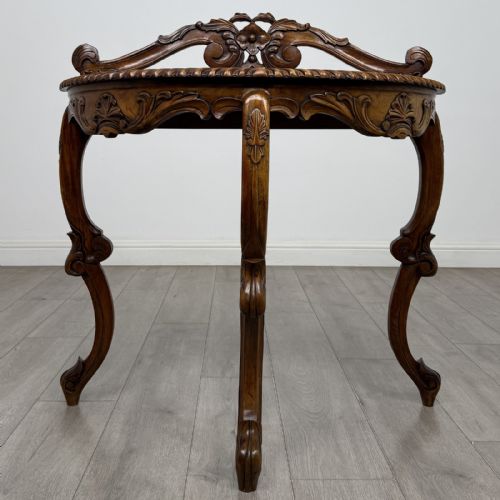
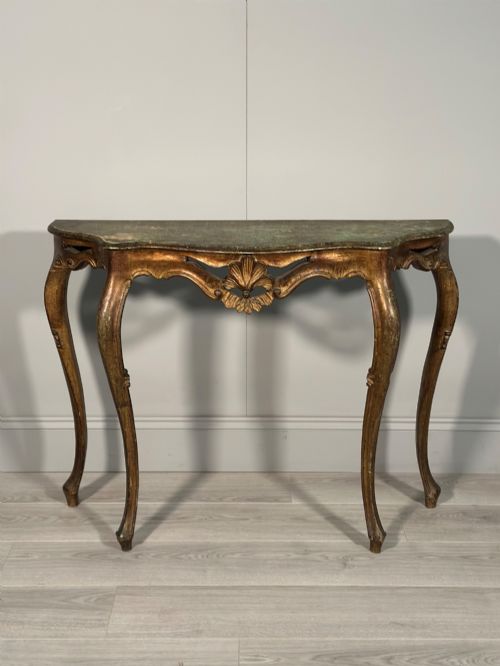
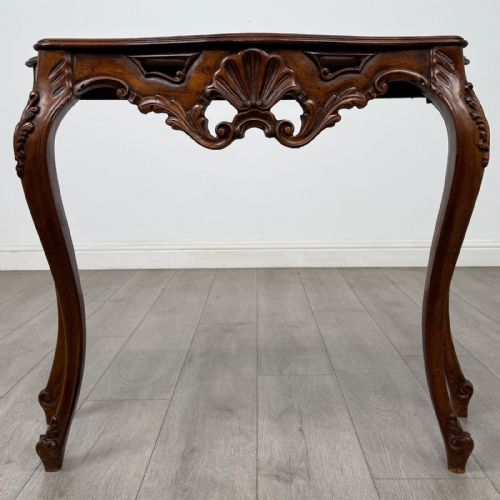
Most pieces encountered are Edwardian or early 20th-century examples in oak and mahogany, often adapted from side tables or writing desks. Distinct regional iterations include French carved mahogany side tables, Italian polychrome centre tables, and English country pieces.
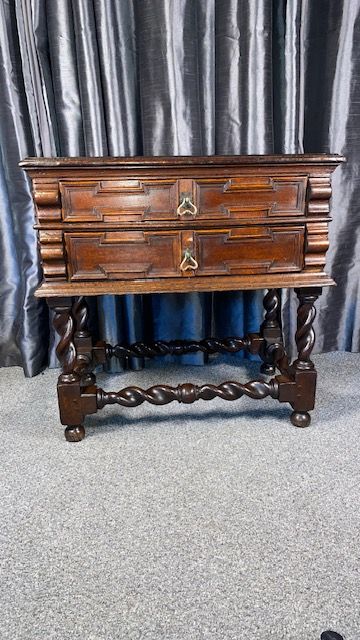
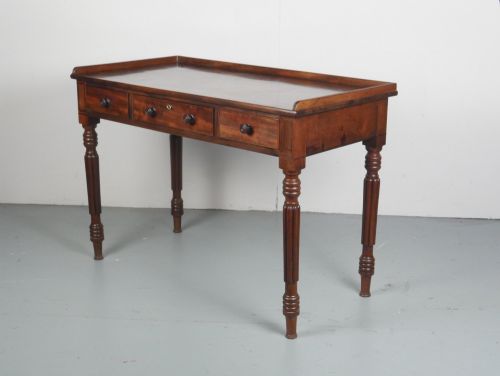
Formations range from rectangular occasional tables and demi-lune card tables to lowboys with hidden drawers and writing tables equipped with green surfaces. Buyers select these items to fit narrow spaces while providing practical surface area and storage.
Materials and construction methods
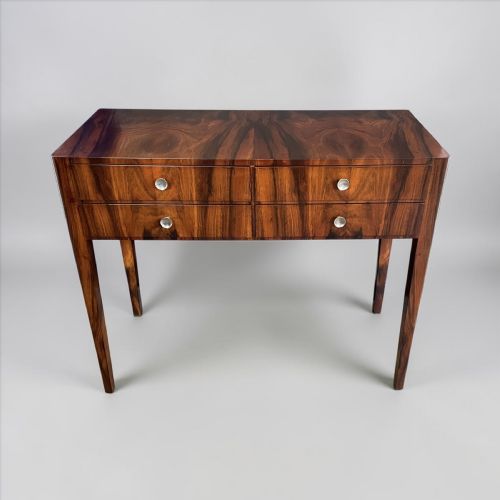
Makers utilised solid timbers and decorative veneers including mahogany, oak, walnut, burr walnut, padouk, and rosewood, sometimes applying red lacquer or painted finishes. Secondary woods provided structural stability beneath decorative exterior surfaces.
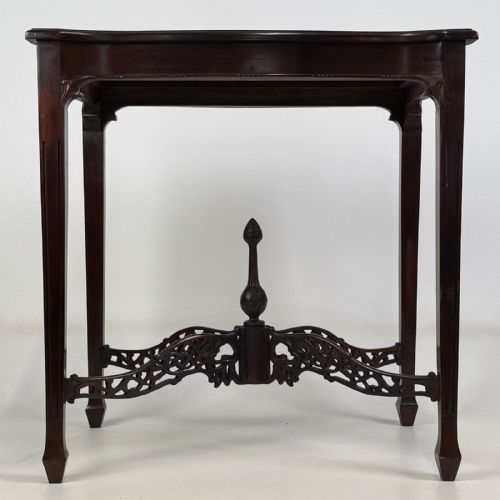
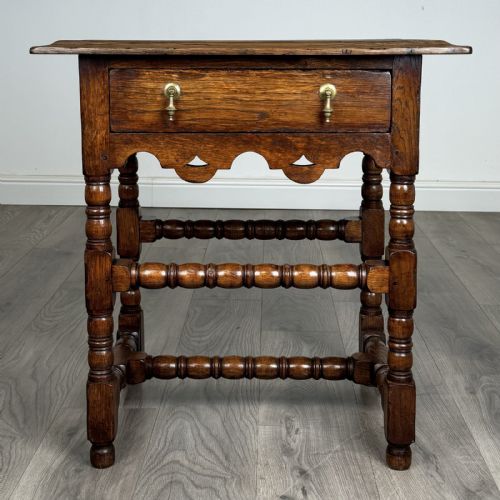
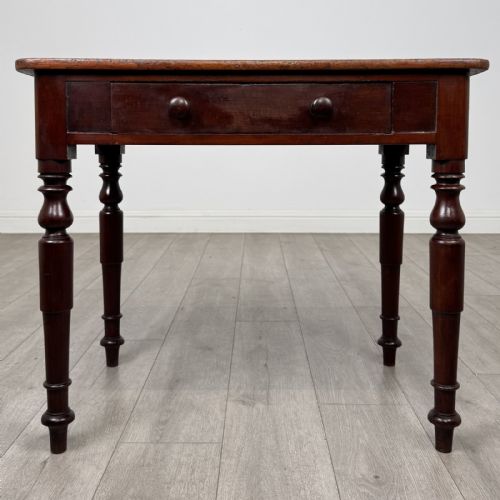
Joinery techniques involved mortise and tenon frames, dovetailed drawers, and turned supports such as bobbin turned legs or carved stretchers. Decorative detailing incorporated cabriole legs, inlaid motifs, shaped tops, and carved woodwork.
Surfaces were finished with traditional polishes that highlighted the natural grain patterns of figured wood, while specialised tables integrated marble, onyx, or leather writing surfaces into the wooden framework.
Vintage Wood Hall Table Retail Price Guide 2026
Typical asking prices for vintage wood hall table among the pieces listed under this phrase on Sellingantiques today, from the lower quarter to the upper quarter. They describe what is for sale here now, not the wider market.
Some tables hide compartments for secret letters, proving Victorians loved a good desk drawer puzzle.
Evaluating construction standards
Quality rests in the selection of timber figures, such as highly figured burr walnut or rich mahogany, matched with precise cabinetmaker joinery. Superior pieces display thoughtful proportions and harmonious stylistic details rather than heavy-handed alterations.
The integrity of secondary woods, original hardware, and interior drawer construction distinguishes finer examples from utilitarian adaptations. Subtle carving, balanced inlay work, and stable structural frames elevate a piece above standard production items.
Amleto Bertoni
The Vintage Wood Hall Table Glossary
- Lowboy
- A small oak or walnut table with drawers, originating in the 18th century and functioning as a compact dressing or side table.
- Console table
- A table designed to stand against a wall, frequently supported by wall brackets or distinct front legs.
- Demi-lune
- A half-moon shaped table top configuration typical of card tables and smaller side furniture.
- Stretcher
- A horizontal timber connecting the legs of a table to increase structural rigidity.
- Gallery
- A raised wooden or brass rail bordering the edge of a table top to prevent items from sliding off.
Vintage Wood Hall Table: Frequently Asked Questions
What is a vintage wood hall table used for?
These tables provide a convenient surface in entryways and hallways for keys, mail, and decorative lamps without blocking narrow passages.
Many examples include small drawers for organising household essentials out of sight while enhancing the corridor's interior design.
How do I distinguish between Edwardian and Victorian tables?
Victorian pieces tend to feature darker, heavier mahogany construction with rich ornamentation and structured galleries or card table folds.
Edwardian alternatives often present lighter oak or inlaid mahogany frames with simpler tapered legs or slender bobbin-turned supports.
Are these tables suitable for small apartments?
Compact side tables, demi-lune consoles, and narrow writing desks fit efficiently against hallway walls without overwhelming limited floor space.
Their shallow depth allows placement in tight corridors while still offering functional surface area.
How do I care for a wood hall table surface?
Maintain the polished timber by dusting regularly with a soft cloth and avoiding placement in direct sunlight or near heat sources.
Apply appropriate furniture wax periodically to nourish the wood grain and protect the finish from daily wear.