
Vintage Wood Furniture
Vintage wood furniture brings substantial timber craftsmanship and practical utility into domestic spaces through enduring historical forms.
Vintage Wood Furniture
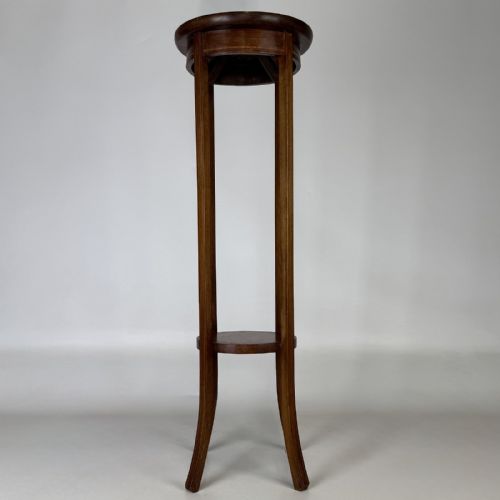
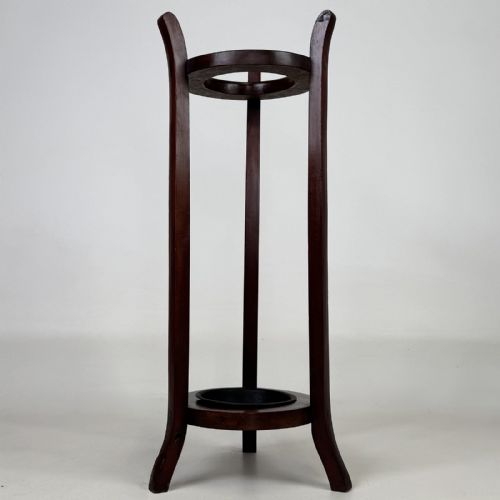
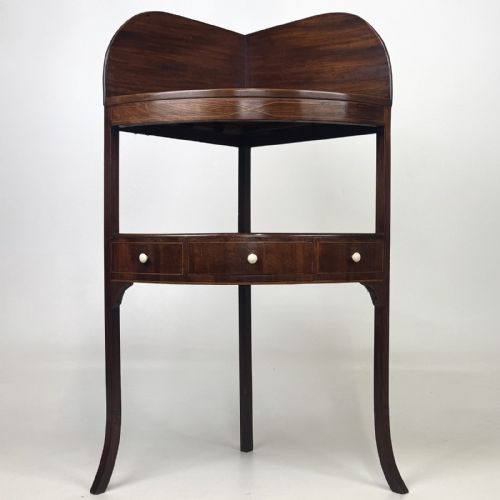
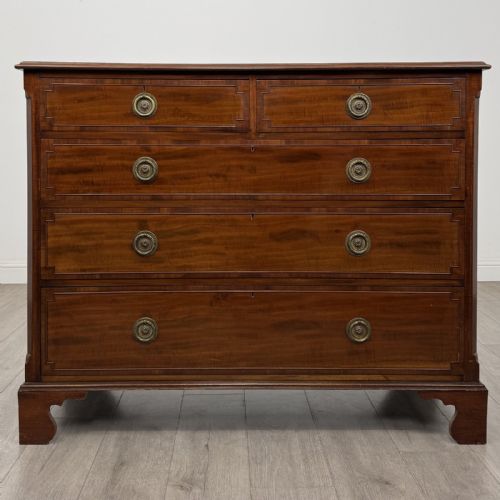
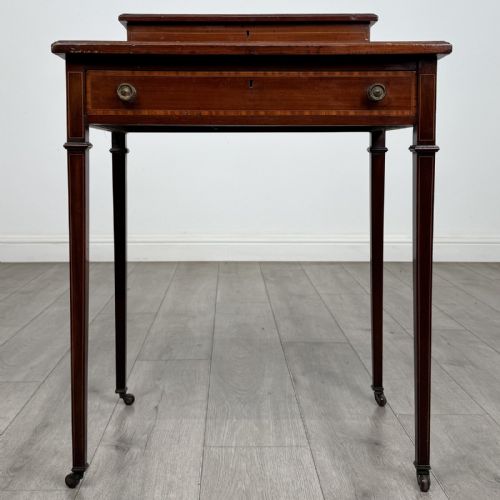
Vintage wood furniture encompasses practical household items produced across the nineteenth and twentieth centuries, including chests of drawers, writing desks, and side tables. These pieces originate from distinct periods such as the Edwardian era, the Victorian period, and the Art Deco movement, reflecting shifting domestic needs over time.
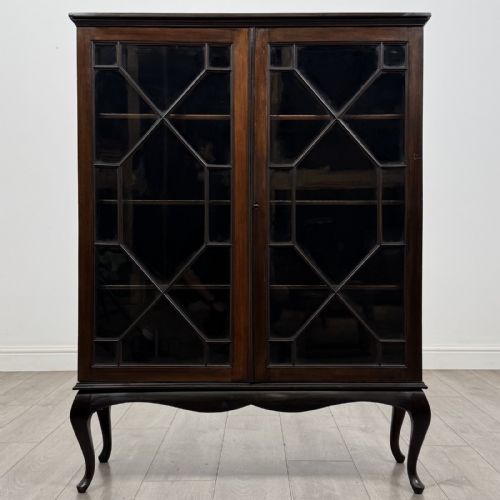
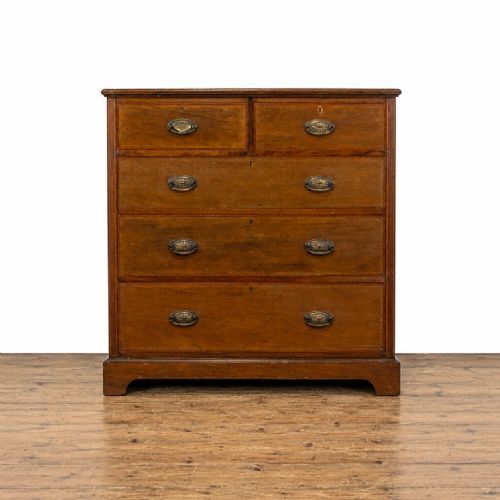
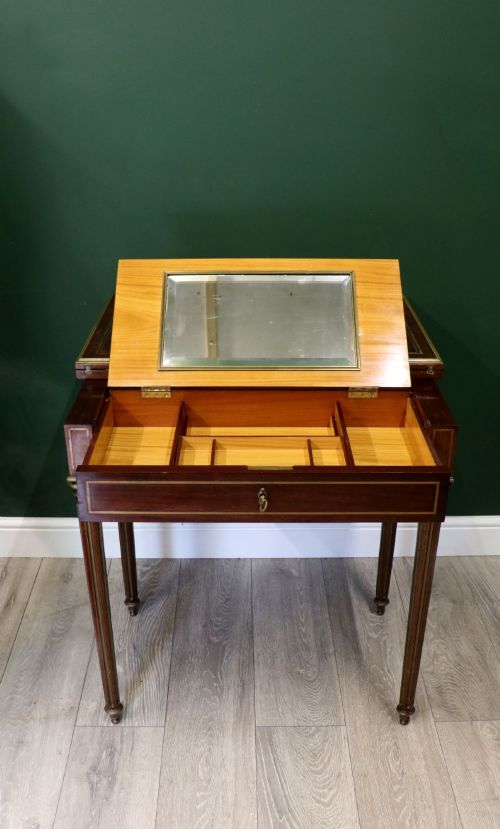
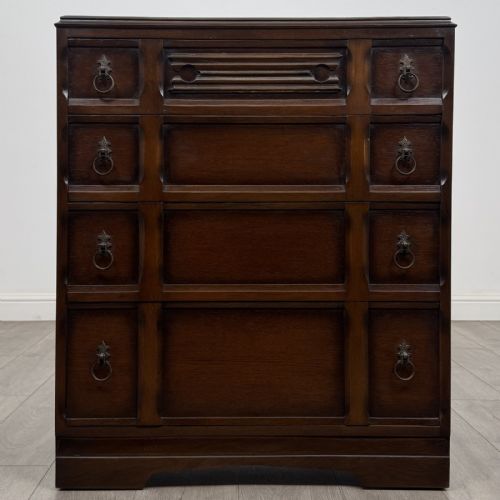
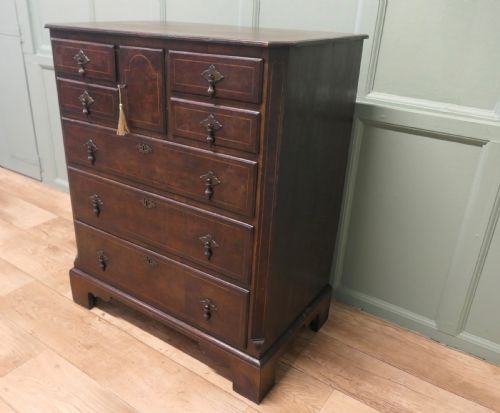
Buyers browsing this selection frequently encounter sturdy mahogany and oak chests of drawers alongside writing tables and display cabinets. Styles range from utilitarian Edwardian oak cupboards to decorative Arts and Crafts dressing chests and sleek Art Deco walnut desks.
Origins span British workshops, French provincial houses, and Italian carving traditions, offering diverse regional interpretations of timber construction. Most examples combine functional storage or display purposes with decorative detailing such as brass handles, glass shelving, or inlaid wood.
How vintage wood furniture was made
Cabinet makers and joiners utilised durable hardwoods such as mahogany, oak, walnut, and ash, selecting specific timbers for their grain patterns and structural resilience. Secondary woods provided internal framing for drawers and carcases, ensuring stability across changing household temperatures.
Construction techniques relied on traditional joinery methods, including dovetailing for drawer boxes and mortise and tenon joints for frames and legs. Surface finishes were enhanced through hand-applied polishes, while decorative elements incorporated brass hardware, applied carvings, and occasional glass or cane panels.
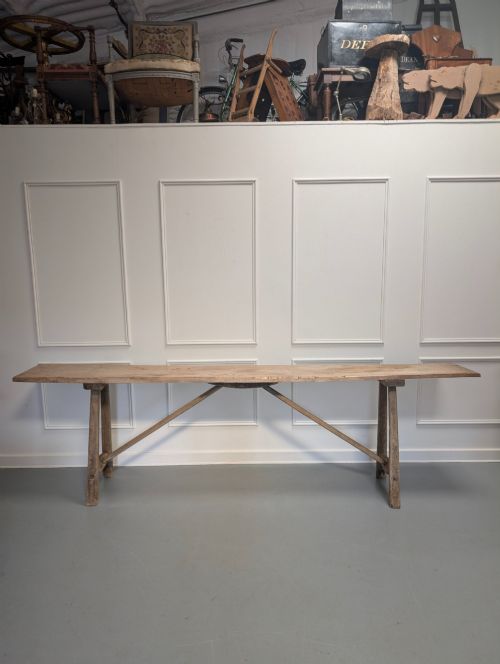
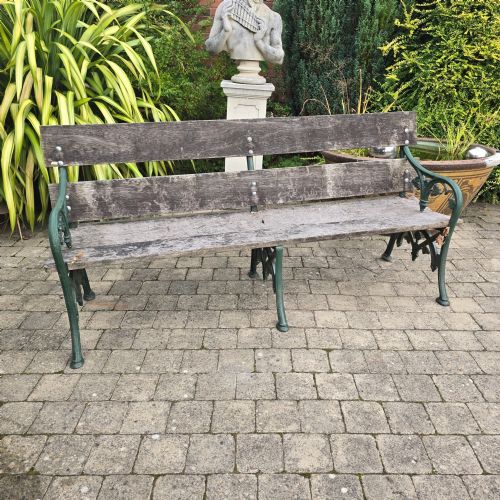
Several items include cast iron garden benches alongside folding coaching tables built for nineteenth-century travel.
What varies in quality
The refinement of timber selection and the precision of joinery separate standard utility pieces from exceptional items. Superior examples feature carefully matched wood veneers, finely cut dovetails, and crisp hand-carved details that endure through generations of daily use.
Proportion and structural integrity dictate the standing of a piece within its period. Well-proportioned items with original hardware, balanced feet or pedestals, and harmonious decorative inlays demonstrate the maker's skill and attention to design harmony.
Gunn Furniture·Maurice Adams·Shapland & Petter
The Vintage Wood Furniture Glossary
- Dovetail
- A traditional interlocking joint used in drawer construction. This method provides exceptional tensile strength without requiring metal fasteners.
- Pedestal
- A supporting column or base beneath a desk or table. Twin pedestal designs offer structural balance and internal storage drawers.
- Gallery
- A raised railing or rim along the top edge of a stand or table. This feature prevents items from sliding off the surface.
Vintage Wood Furniture: Frequently Asked Questions
How do I identify Edwardian pieces?
Edwardian items typically display lighter mahogany or oak construction with simpler lines than their Victorian predecessors. They often incorporate subtle inlaid detailing and lighter proportions suited to more open domestic interiors.
Examining the interior drawer construction and secondary timbers helps confirm the manufacturing era. Hardware tends to be refined and less ornate than earlier nineteenth-century styles.
How should I care for antique timber?
Maintain vintage wood furniture by keeping pieces away from direct heat sources and rapid humidity fluctuations. Regular dusting with a soft, dry cloth preserves the polished surface without moisture damage.
Avoid commercial silicone sprays that can penetrate the wood pores and degrade historical finishes over time. Natural wax polishes applied sparingly maintain the timber's natural lustre.
Are Art Deco items made of solid wood?
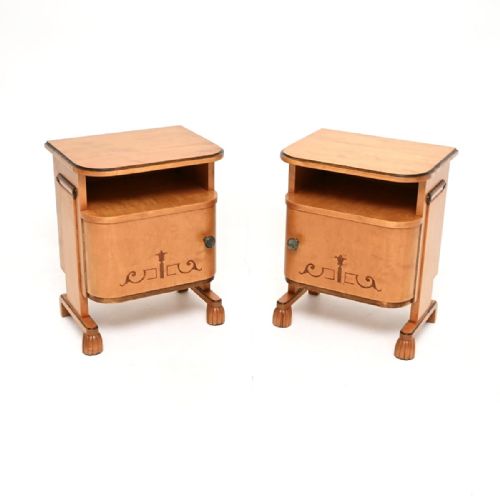
Art Deco pieces frequently combine solid structural frames with decorative wood veneers across large flat surfaces. Figured walnut and amboyna provided striking grain patterns that defined the aesthetic of the nineteen-thirties.
Veneering allowed cabinet makers to display dramatic natural patterns without compromising the stability of the core timber structure.