

Vintage Wood Floor Lamp
A vintage wood floor lamp brings upright presence and layered height to a room, turning practical illumination into a piece of furniture.
Vintage Wood Floor Lamp
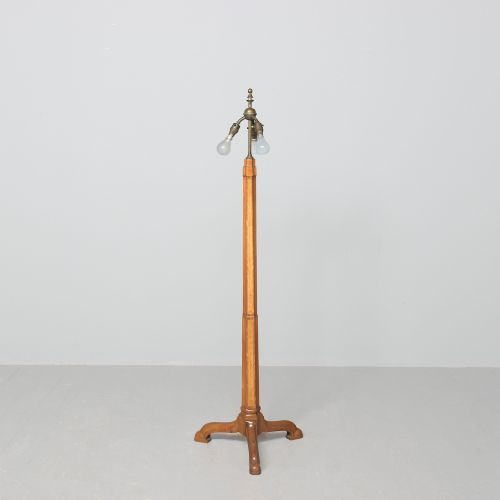
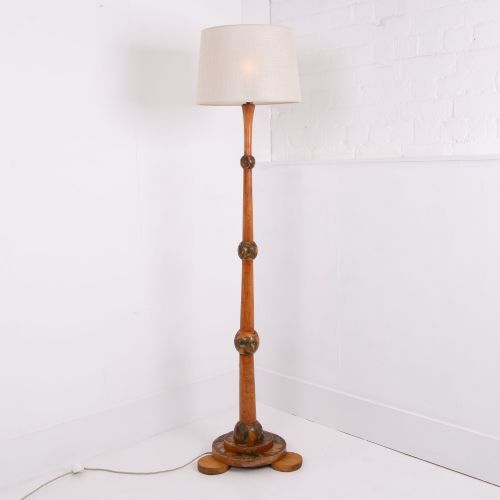
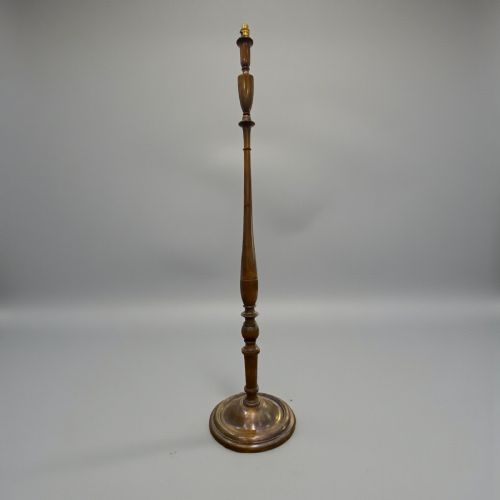
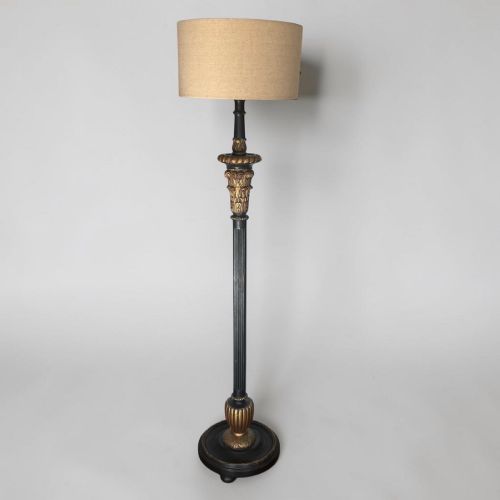
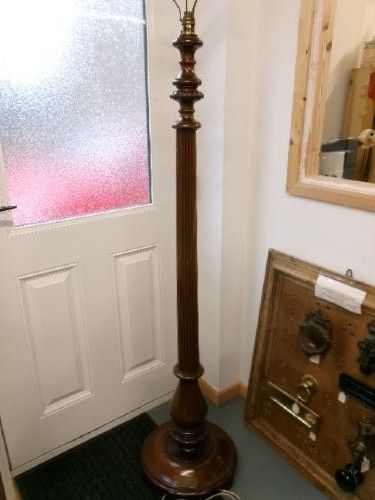
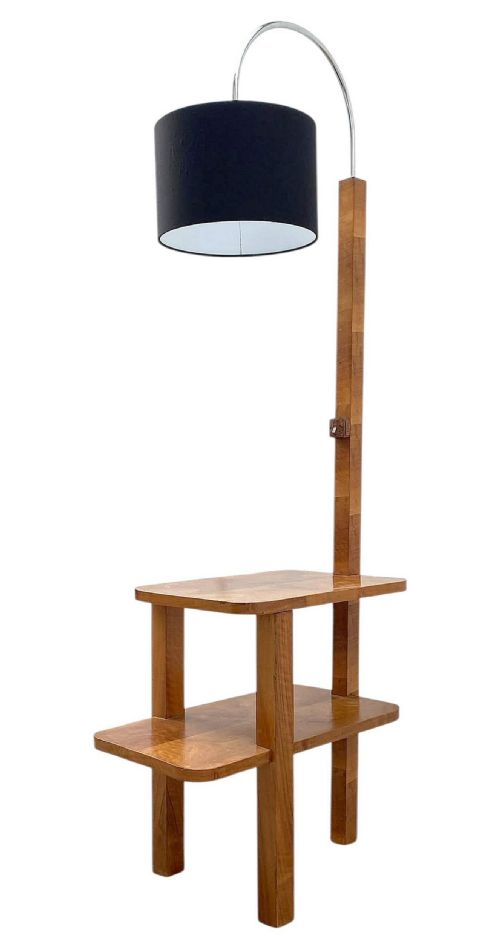
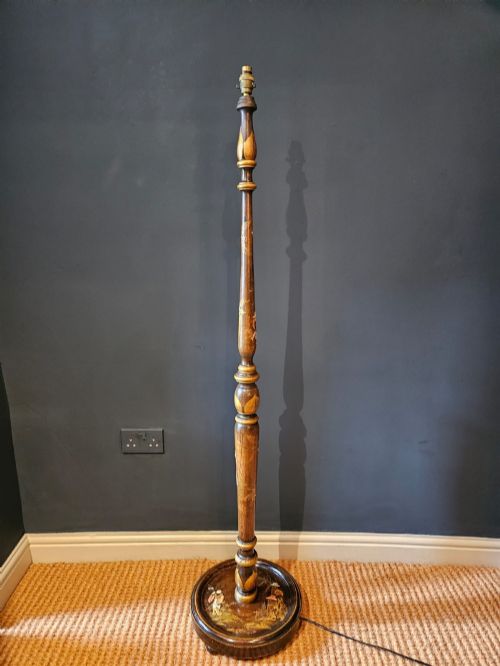
The most common examples on this page date from the Edwardian era and the nineteen-twenties or thirties. These pieces frequently employ mahogany, walnut, or pine, sometimes paired with built-in small tables or figural elements.
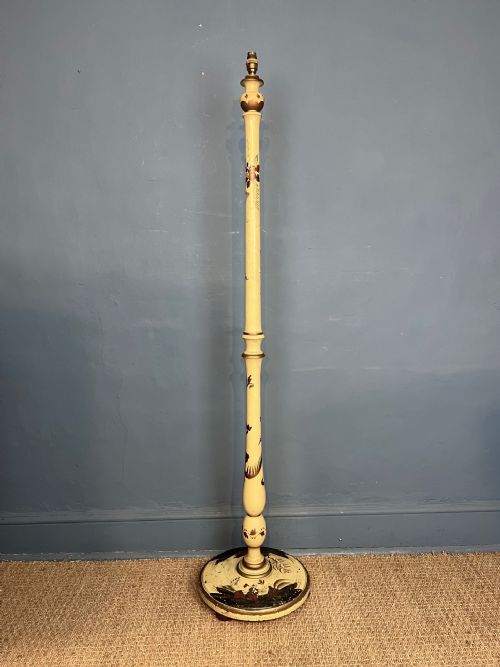
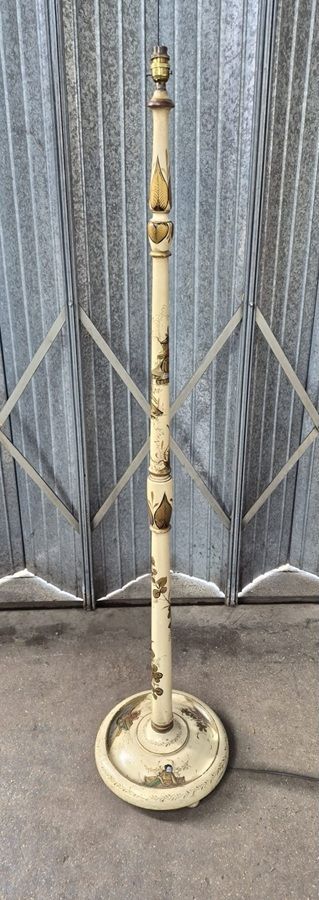
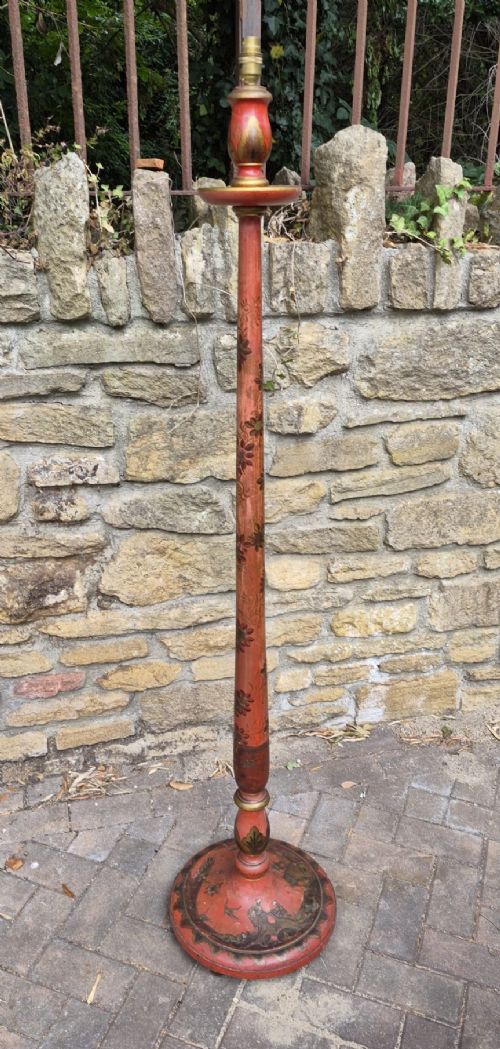
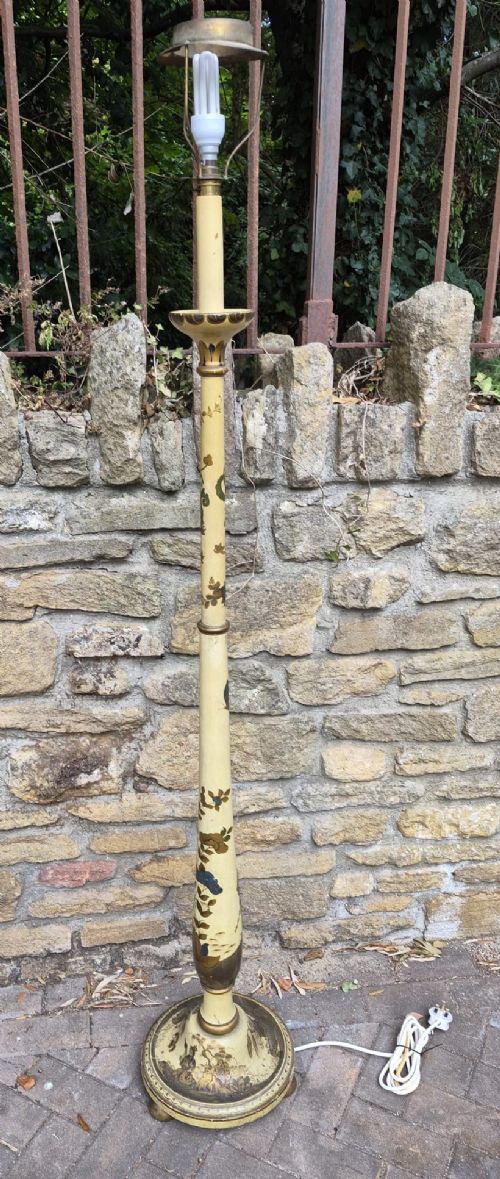
Stylistic diversity runs from simple cottage pieces to rich Chinoiserie lacquering, Art Deco geometry, and revival designs like Gothic or Regency. Such variety ensures a lamp fits traditional drawing rooms or more eclectic modern interiors with equal ease.
Materials and construction
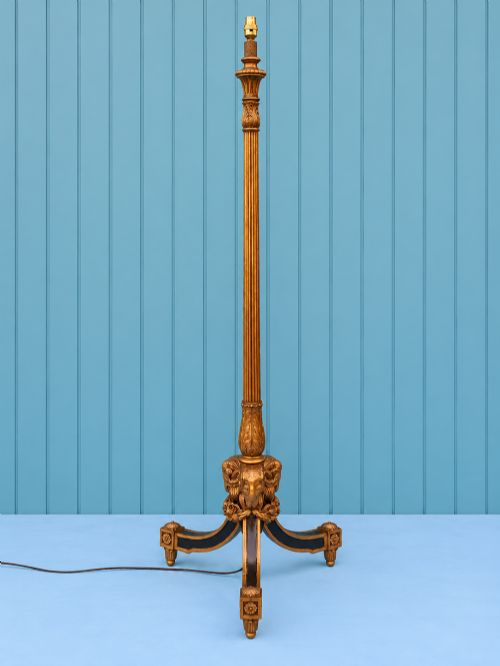
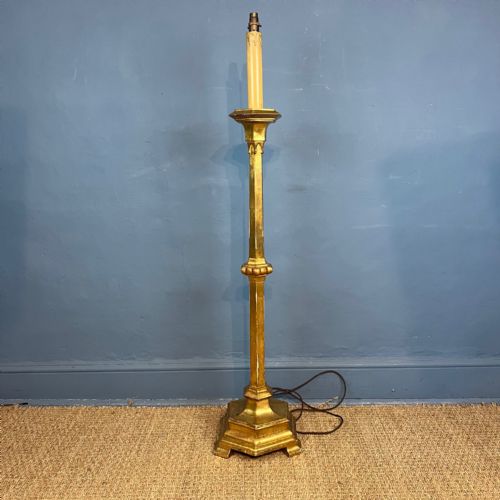
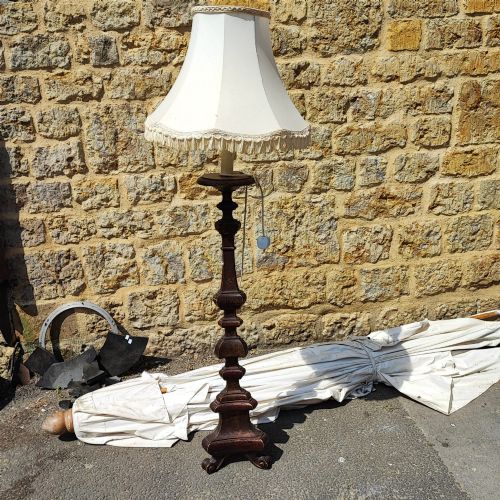
Makers utilised dense timbers such as mahogany, walnut, and padauk, often shaping the upright shafts through turning or detailed hand carving. Giltwood and gesso finishes appear frequently, adding surface richness to carved wooden structures.
Metal components like brass and silver plating frequently support the upper electrical fittings or form structural bases, while fabric shades complete the assembly. Some examples integrate glass shades or painted decoration directly onto the wooden standard.
Vintage Wood Floor Lamp Retail Price Guide 2026
Typical asking prices for vintage wood floor lamp among the pieces listed under this phrase on Sellingantiques today, from the lower quarter to the upper quarter. They describe what is for sale here now, not the wider market.
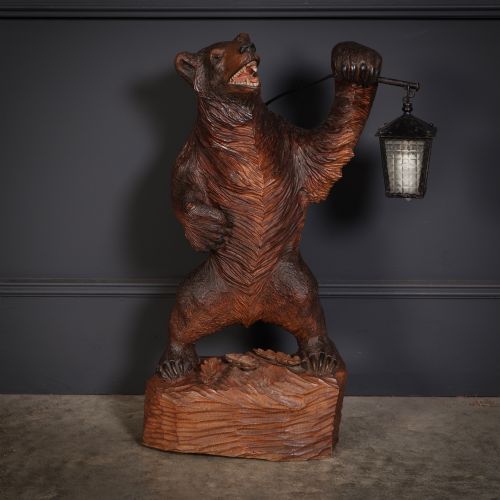
Among the towering timber columns, stray night watchmen and bookworm sculptures stand guard in wooden disguise.
Distinguishing quality
The distinction between ordinary and exceptional pieces rests in the ambition of the carving and the depth of the finish. Finely rendered giltwood, hand-painted Chinoiserie lacquer, and sculptural figural elements elevate a standard timber column into a work of art.
Structural stability and timber selection also divide the range, with solid walnut or mahogany outlasting softer pine or heavily altered supports. The integration of functional additions, such as two-tier tables or extending mechanisms, marks superior cabinetmaking.
WMF
The Vintage Wood Floor Lamp Glossary
- Standard lamp
- A term commonly used in British antique trade for a floor lamp or tall upright light fitting designed to stand on the floor.
- Torchere
- A tall ornamental stand or floor lamp, often derived from eighteenth-century candleholders and adapted for electricity.
- Chinoiserie
- European decorative style inspired by Chinese artistic traditions, frequently featuring hand-painted motifs on lacquered wood grounds.
- Giltwood
- Timber that has been coated with gold leaf or gold paint, creating a lustrous decorative surface common on revival pieces.
- Padauk
- A dense, heavy exotic hardwood prized for its deep colour and durability in fine furniture and standard lamps.
Vintage Wood Floor Lamp: Frequently Asked Questions
How do I choose the right height?
Consider the ceiling height of your room and where the light source will fall relative to your seating. Most standard lamps range between five and six feet tall.
Ensure the proportions match neighbouring furniture so the upright column commands the corner without overwhelming smaller side tables.
Were these lamps originally electrified?
Many examples from the late nineteenth and early twentieth centuries were either manufactured for electricity or later adapted from oil or gas standards. Conversion work is standard practice for vintage lighting.
Check the internal wiring to ensure it meets contemporary safety standards while preserving the exterior timber structure.
How do I clean a carved wooden lamp?
Dust the carved details regularly with a soft, dry brush to prevent dirt accumulation in recessed areas. Avoid harsh chemical polishes that can degrade aged lacquer or giltwood.
Feed exposed timber occasionally with appropriate wax to maintain the moisture and sheen of the original surface.
Can I use modern lamp shades?
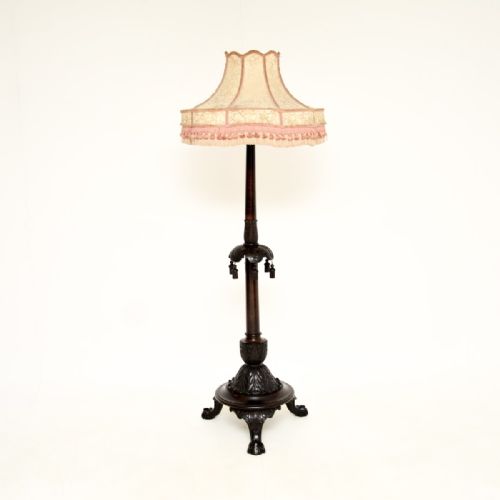
Modern shades fit most vintage standards provided the fitter ring matches the bulb holder size. Pay attention to the scale of the shade relative to the heavy timber base.
Choose fabric tones that complement the specific wood finish, whether dark mahogany, painted gesso, or red Chinoiserie lacquer.