




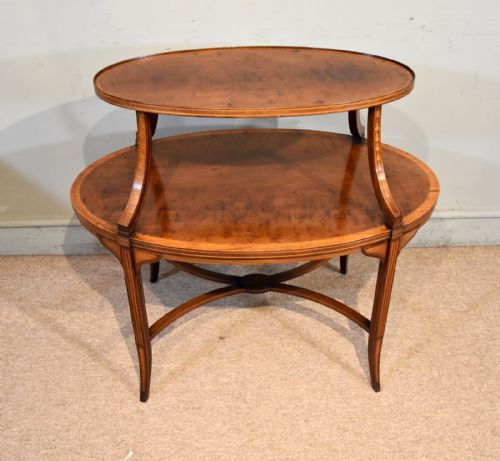
Vintage Wood Etagere
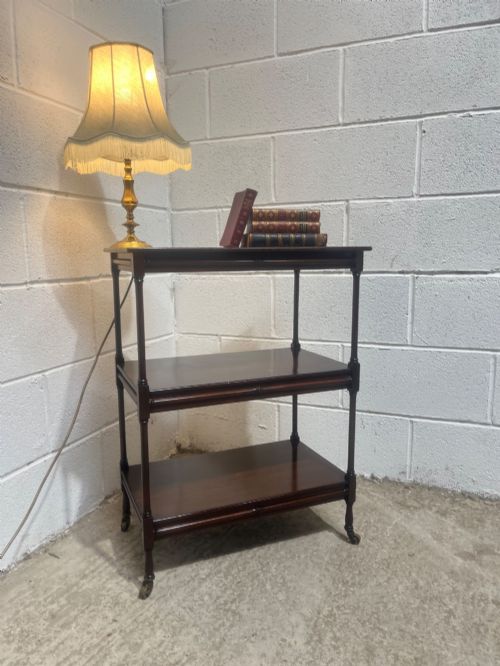
These vintage wood etagere pieces provide tiered display space for small collections, bringing warmth and vertical interest to any room.
Vintage Wood Etagere
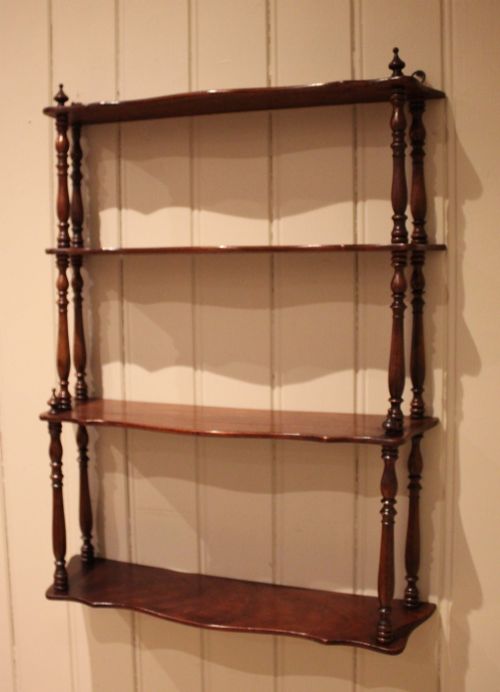
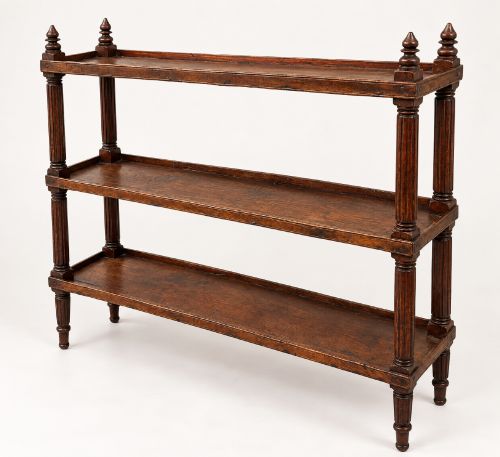
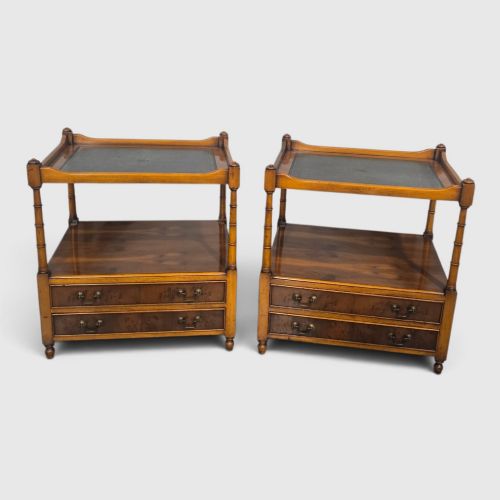
A vintage wood etagere is an open tiered display stand designed for holding books, ornaments, or small household objects across multiple levels. When searching for a vintage wood etagere, buyers encounter various forms including freestanding multi-tier units, corner brackets, and wall-hanging shelves.
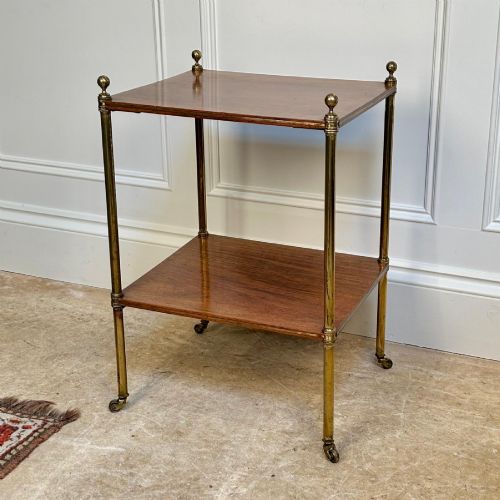
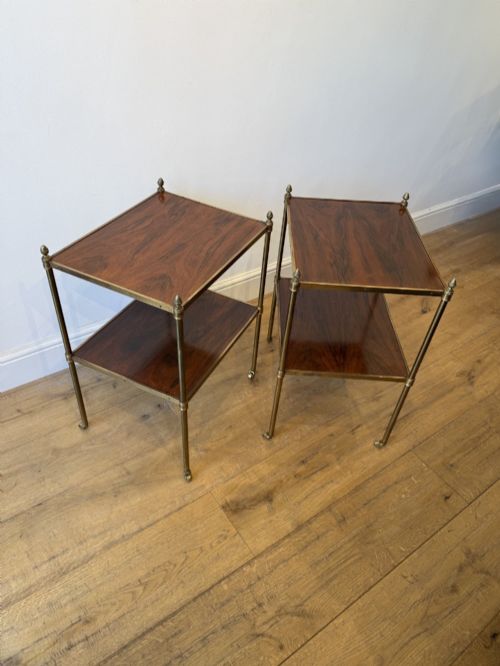
The selection ranges from Georgian and Regency examples to Victorian, Edwardian, and early twentieth-century interpretations. Mahogany, walnut, and rosewood appear frequently alongside ebonised finishes, paint, and occasional brass details.
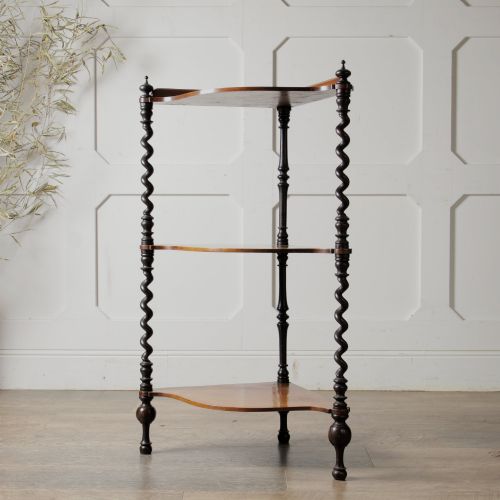
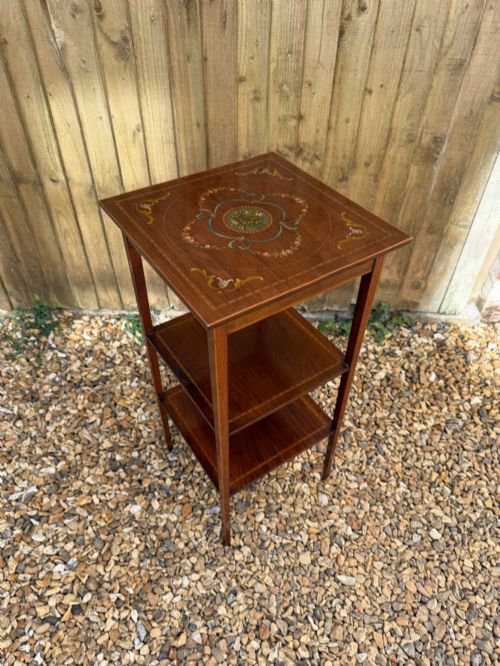
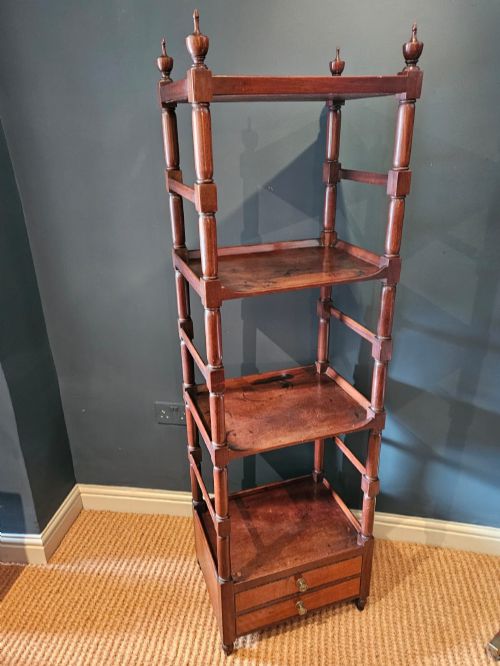
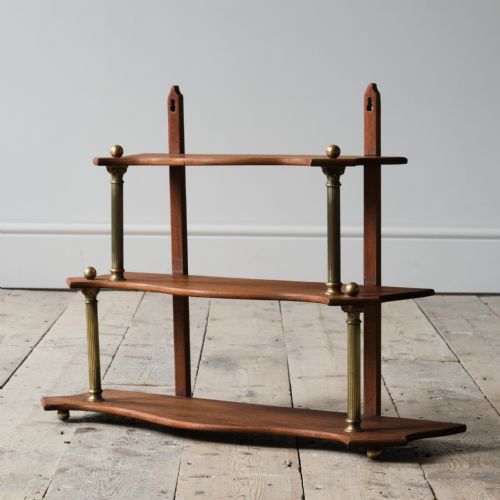
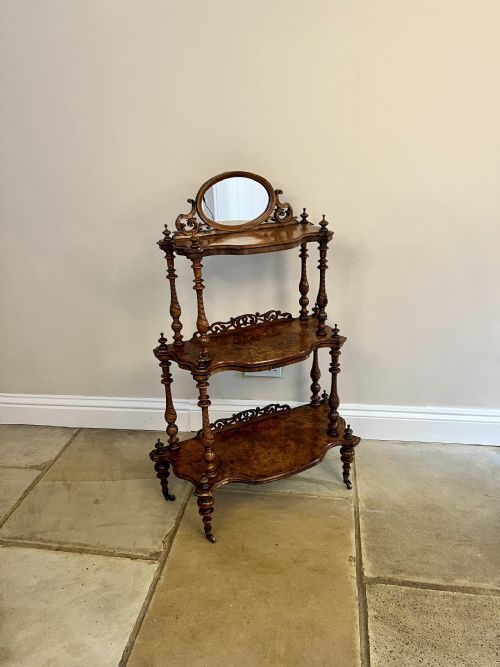
Freestanding whatnots and tiered tables dominate the current selection, offering practical display surfaces with slender upright supports. Wall-mounted shelves and corner units provide alternative options for rooms with limited floor space.
How they were made
Cabinet makers utilised dense hardwoods such as mahogany, walnut, and rosewood to construct the sturdy uprights and slender shelves required for multi-tier display furniture. Selected pieces incorporate decorative touches such as pierced fretwork, inlaid veneers, and turned barley twist or bobbin supports.
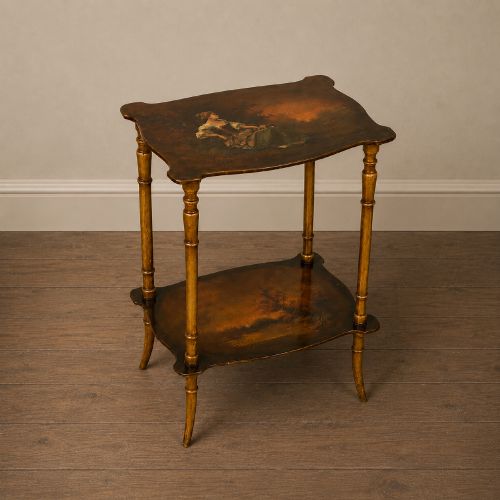
Metal components like brass galleries, hinges, and ormolu mounts add structural definition and decorative contrast to the timber frames. Painted and gilt surfaces appear on Continental and French-influenced pieces, showing alternative aesthetic approaches from the nineteenth and early twentieth centuries.
Vintage Wood Etagere Retail Price Guide 2026
Typical asking prices for vintage wood etagere among the pieces listed under this phrase on Sellingantiques today, from the lower quarter to the upper quarter. They describe what is for sale here now, not the wider market.
Victorian cabinet makers designed portable bookshelves and coal boxes with the same meticulous tiered elegance as grand display pieces.
What varies in quality
The choice of timber grain and the precision of joinery set finer examples apart from standard utility pieces. Rich burr walnut veneers, figured mahogany, and carefully matched rosewood demonstrate a higher level of cabinet-making skill.
Decorative elements such as crisp fretwork carving, intact brass galleries, and well-turned upright supports indicate superior workshop production. The structural integrity of the tiered platforms and the crispness of any applied ornamentation determine the overall standing of an individual piece.
Samson and Son London·Mallett
The Vintage Wood Etagere Glossary
- Etagere
- A piece of furniture consisting of a set of open shelves for displaying small objects. This French term describes tiered stands popular from the nineteenth century onward.
- Whatnot
- A multi-tiered shelving unit used for storage or display in nineteenth-century interiors. The name reflects its versatile utility for holding miscellaneous items.
- Fretwork
- Ornamental perforated wood carving executed in geometric or scroll patterns. It frequently decorates the galleries and upright supports of Victorian shelves.
- Ormolu
- Gilded bronze mounts applied to furniture for decorative effect. This technique appears on nineteenth-century French and Continental pieces.
- Barley twist
- A type of turning that resembles a spiral rope or screw thread. It provides tactile vertical detail on nineteenth-century uprights and supports.
Vintage Wood Etagere: Frequently Asked Questions
What is an etagere used for?
An etagere provides open tiered shelving designed for displaying ceramics, books, and decorative objects without enclosing them behind glass doors. These multi-level stands make efficient use of vertical space in living areas and bedrooms.
Historically, they served as decorative furniture where homeowners could arrange collections of small ornaments. Today, they function equally well for plants, glassware, and everyday storage.
How do I tell a whatnot from an etagere?
The terms are often used interchangeably, though whatnot typically refers to British multi-tiered shelving units from the Victorian period, while etagere can encompass Continental and French-influenced tiered display tables.
Both forms share the characteristic open structure of stacked shelves supported by slender uprights. Regional terminology and the specific decade of manufacture often determine which label a dealer applies.
Can these shelves hold heavy books?
Most antique tiered shelves and whatnots were built for ornaments, ceramics, and lighter volumes rather than heavy reference libraries. The slender uprights and multi-tier construction prioritize graceful display over heavy-duty load bearing.
Wall-hanging versions depend heavily on proper wall fixings, while freestanding models suit decorative items and modest stacks of reading material.
Where should I place a corner whatnot?
A corner whatnot fits neatly into unused room angles, turning awkward junctions into practical display areas. These specialised units make the most of small floor spaces while drawing the eye upward.
They pair well with traditional seating arrangements or narrow hallways where standard rectangular furniture would block circulation paths.