


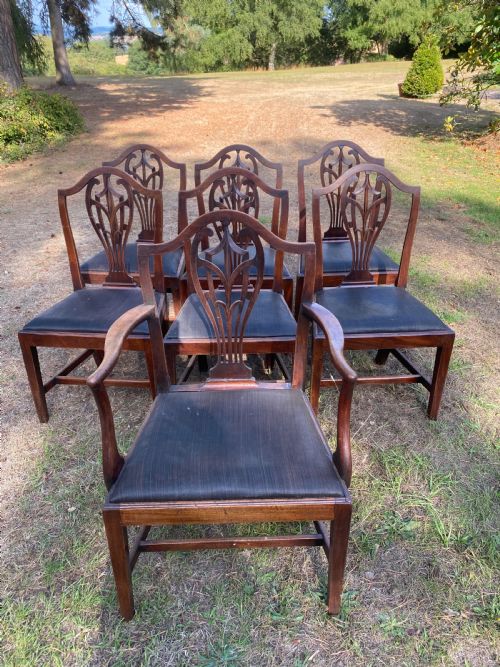
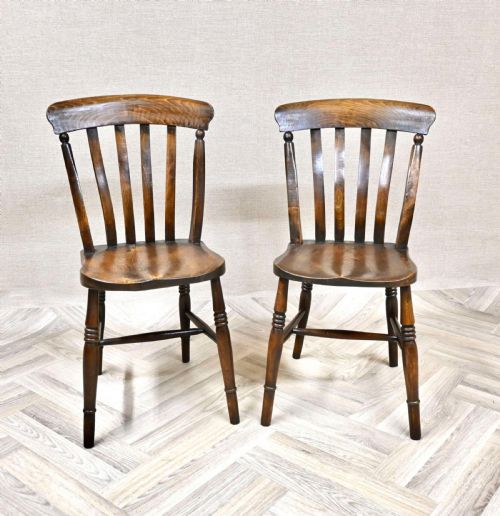
Vintage Wood Dining Chairs
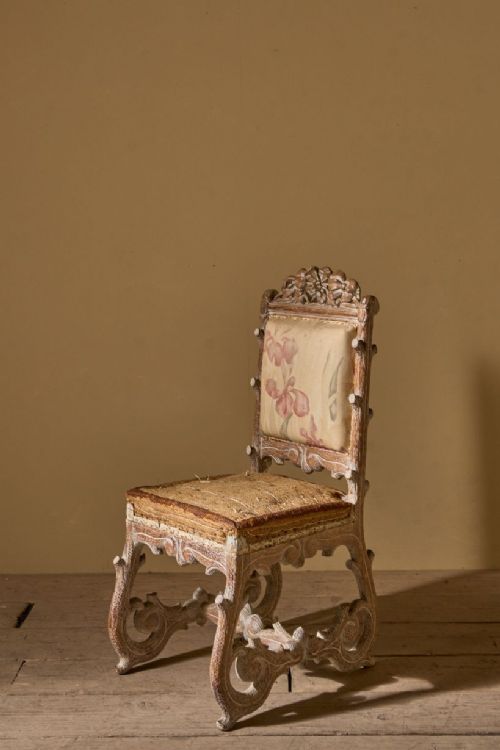
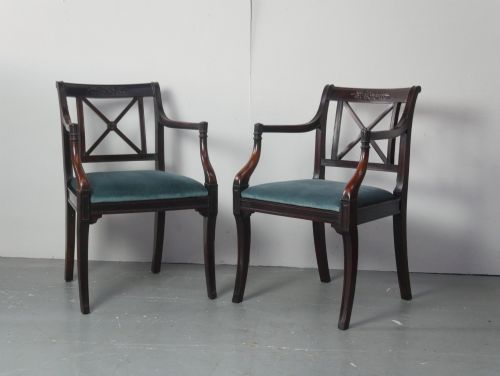
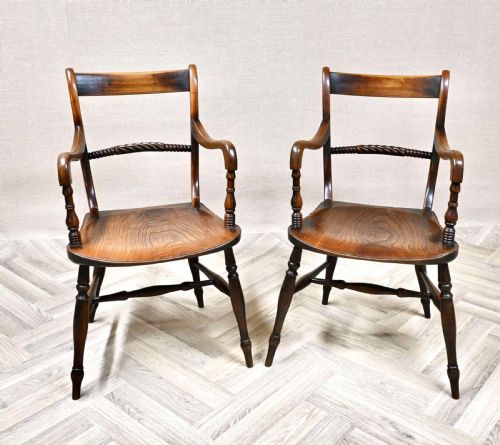
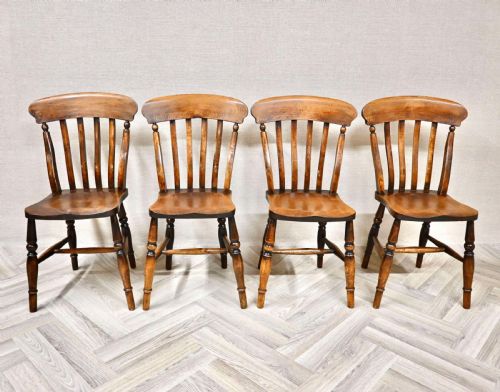
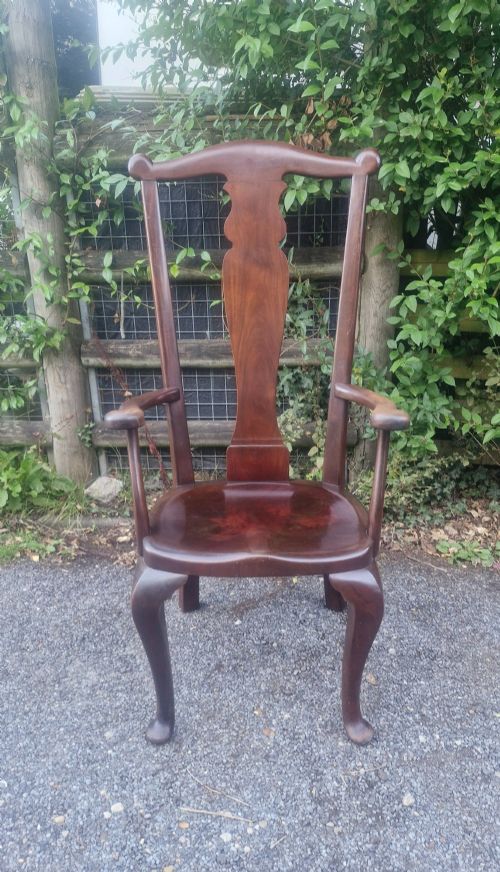
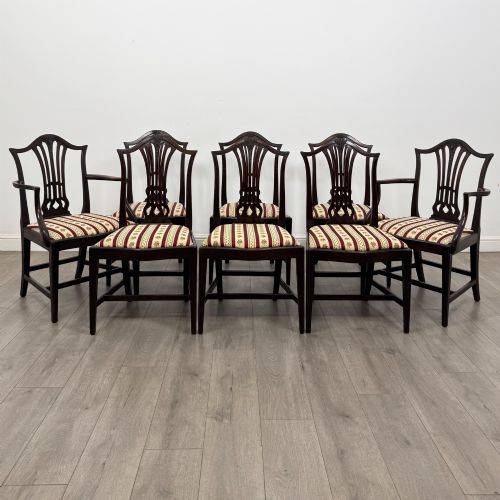
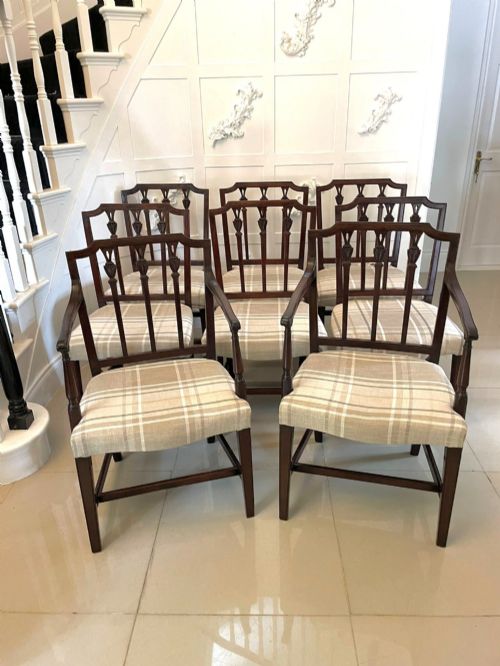
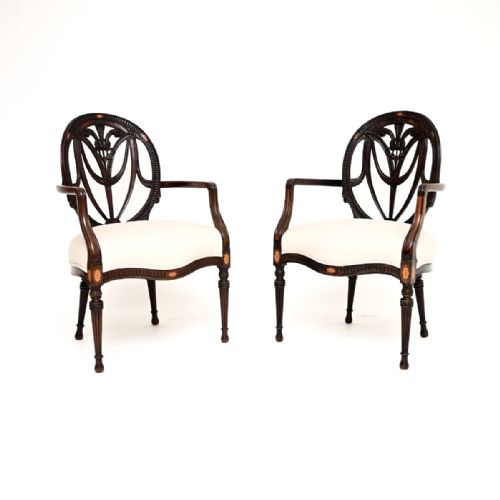
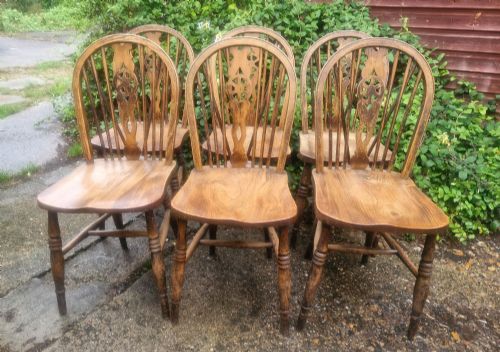
These vintage wood dining chairs bring practical seating and period character to the table, ranging from country elm windsors to formal mahogany sets.
Vintage Wood Dining Chairs
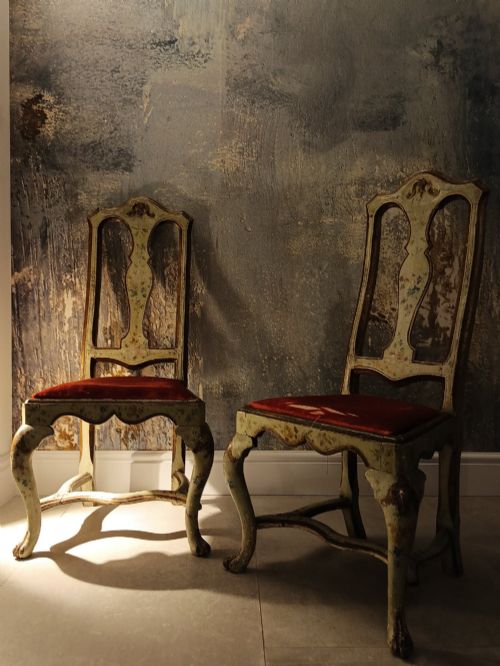
Vintage wood dining chairs encompass everything from rustic farmhouse kitchen seating to formal dining room suites in mahogany and oak. Buyers hunting for vintage wood dining chairs will find individual side chairs, matched sets, and larger groups spanning multiple centuries.
How they were made
Makers utilised solid timbers like mahogany, oak, elm, and beech, often pairing flexible woods for steam-bent components with denser hardwoods for structural frames. Traditional joinery such as mortise and tenon or turned spindles ensured the daily rigours of dining could be met.
Surface finishes range from polished mahogany veneers to simple waxed country ash and elm, occasionally supplemented by brass inlay, rush seating, or upholstery in fabric and velvet.
Listings feature timbers including mahogany, oak, elm, beech, satinwood, and yew wood across multiple centuries.
What varies in quality
The calibre of a set rests in the crispness of the timber carving, the integrity of the original joints, and whether a suite remains entirely together without later replacements. Matched sets displaying uniform grain and hand-turned details command greater attention than cobbled-together harlequin groups.
Subtleties in timber selection, such as figured mahogany or well-matched ash and elm in country windsors, distinguish standard utility furniture from finer workshop production.
Alfred Allen of Birmingham·Thonet Yugoslavia·Mundus Kohn
The Vintage Wood Dining Chairs Glossary
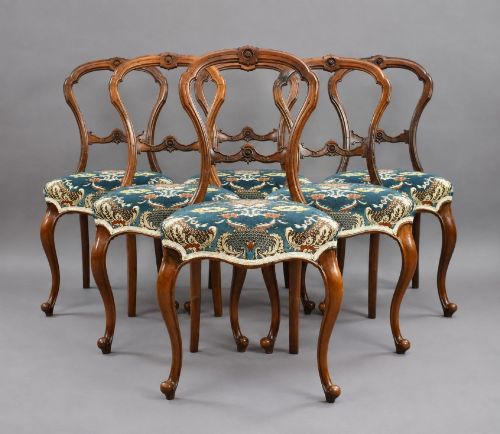
- Balloon back
- A rounded, oval-shaped chair back popular during the Victorian era. The curved top rail resembles the profile of a floating balloon.
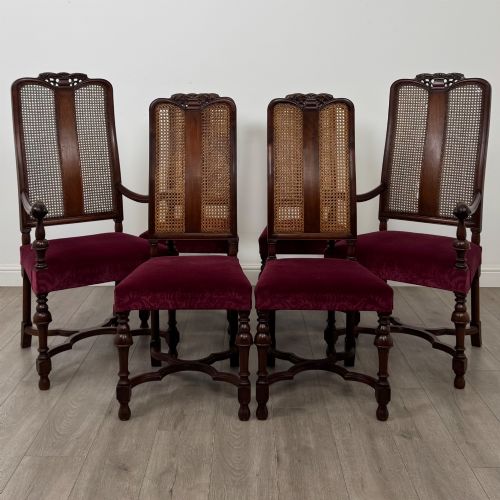
- Carver armchair
- An armchair designed to sit at the head of a dining table, featuring supportive armrests. These pieces frequently match a larger set of side chairs.
- Bobbin turned
- A style of furniture leg or stretcher shaped on a lathe to resemble a series of wooden bobbins or reels. This decorative technique appears frequently on 17th-century revival and country pieces.
- Shield back
- A chair back shaped in the outline of a heraldic shield, popularized by 18th-century designers. The internal splat often incorporates carved feathers or drapery.
Vintage Wood Dining Chairs: Frequently Asked Questions
How do I care for vintage wood chairs?
Keep wooden seating away from direct heat sources and sudden temperature shifts to prevent timber shrinkage or split joints. Feed the surface periodically with a quality beeswax to maintain the lustre of the grain.
Check underframes and stretchers occasionally for loose joints, tightening them gently before heavy use compromises the original structure.
Can I mix different styles around my table?
Mixing diverse timber tones and periods creates a collected look, especially when united by a common material like mahogany or oak. Pairing simpler country windsor chairs with a formal table adds relaxed contrast.
Ensure seat heights remain uniform across mixed chairs so diners sit at a comfortable level relative to the tabletop.
How do I spot a matched dining set?
Examine the wood grain, turning marks, and underside construction to confirm identical workshop origin across every chair in the group. Variations in proportion or minor detailing often indicate a harlequin collection assembled later.
Look for consistent wear patterns and matching numbering stamps or carpenter marks on the frame interiors.
Are these chairs suitable for daily use?
Solid timber construction makes these chairs inherently sturdy and well-suited for everyday meals when joints remain sound. Period pieces built from dense hardwoods like mahogany and beech handle regular seating with ease.
Inspect the structural stability of older frames before placing them into high-traffic dining rooms.