




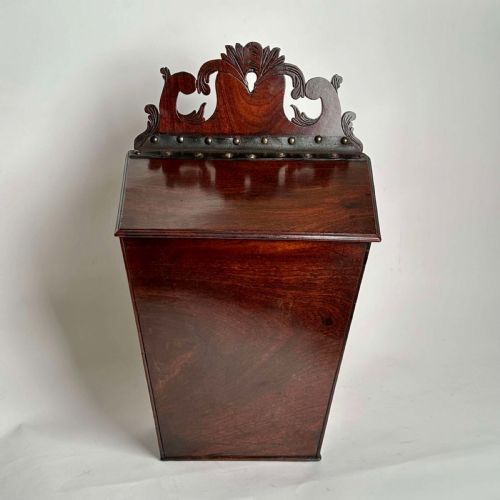
Vintage Wood Container
A vintage wood container brings functional utility and tactile warmth into a room, spanning rustic country baskets to finely carved spice towers.
Vintage Wood Container
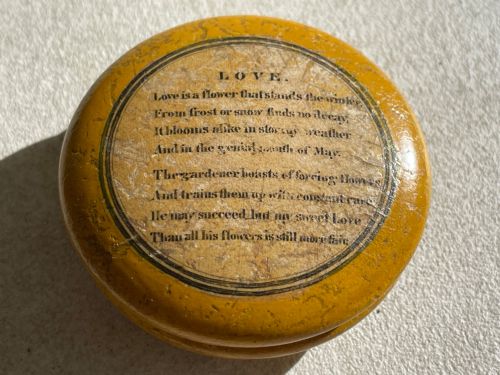
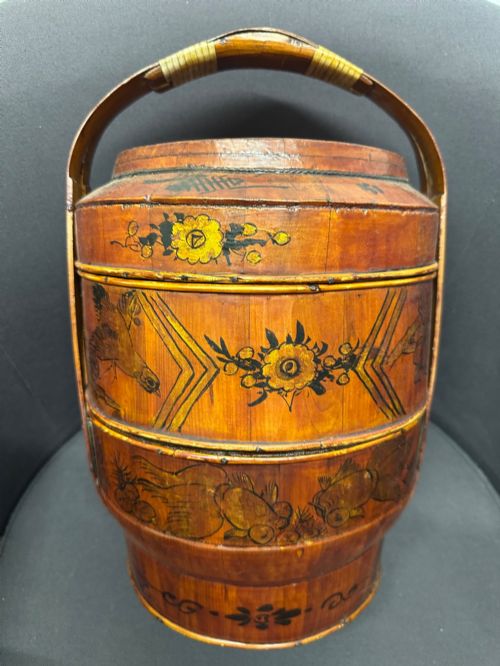
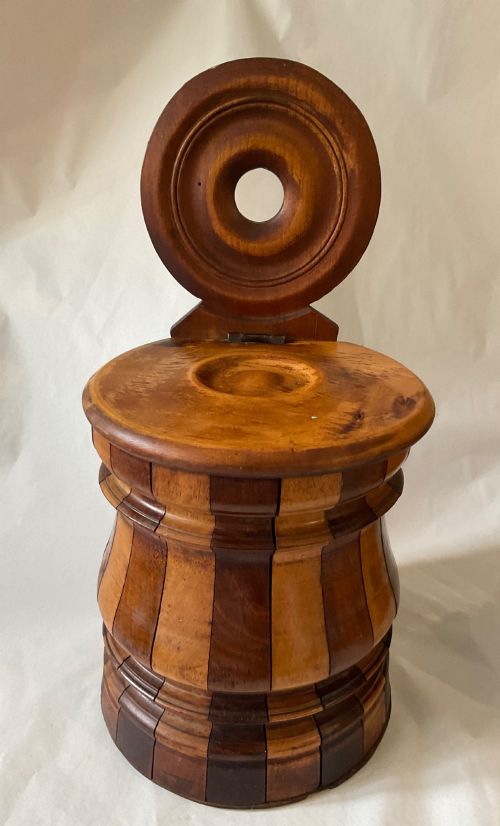
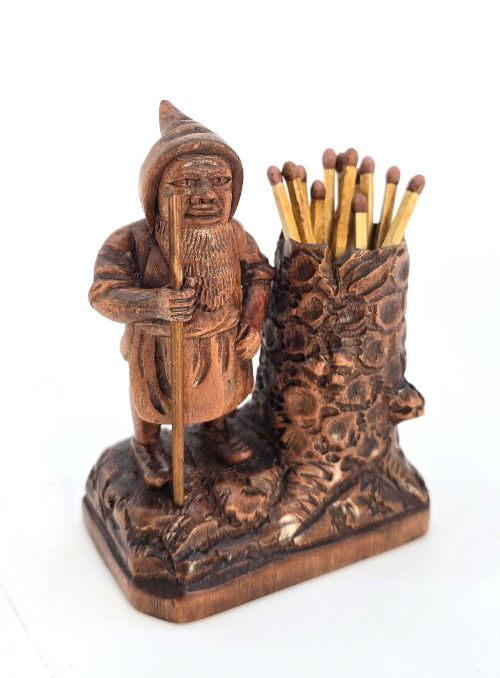
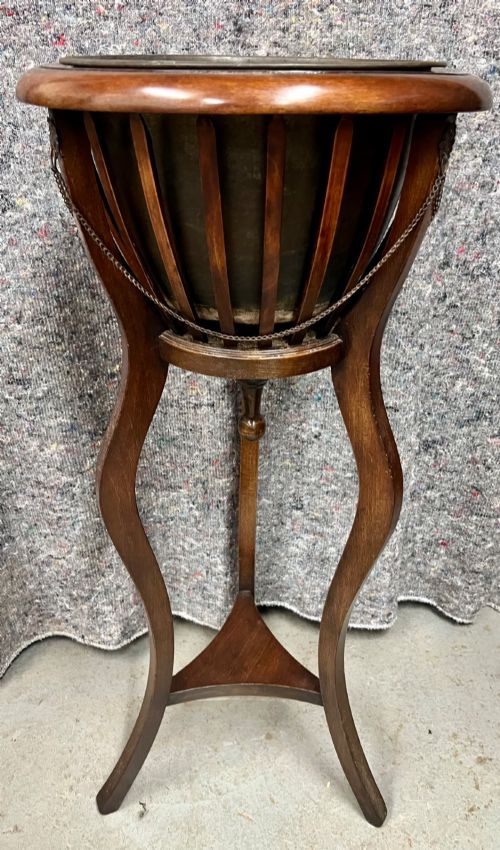
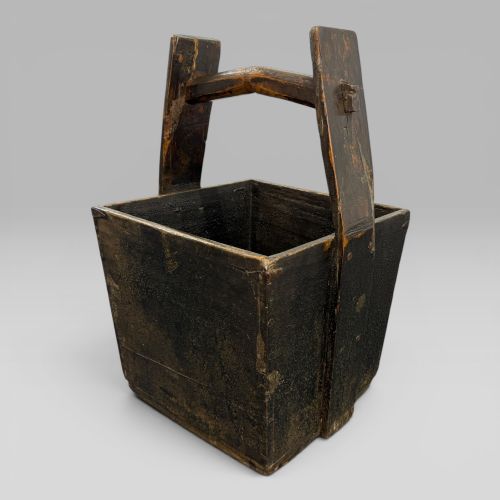
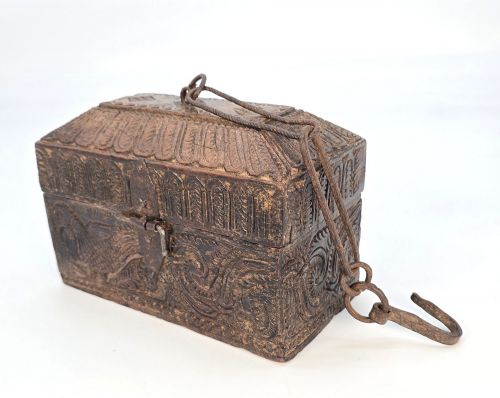
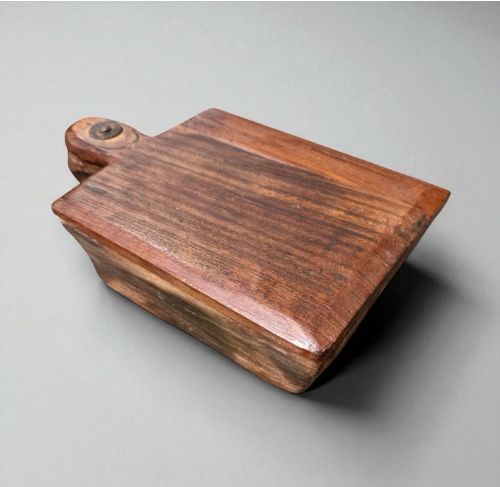
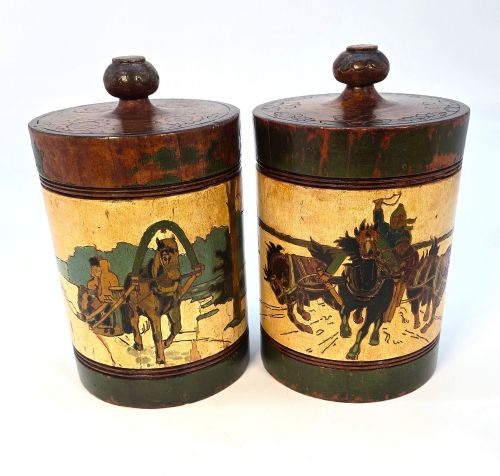
When you search for a vintage wood container, you encounter a diverse array of utilitarian and decorative objects spanning multiple centuries, from 18th-century Georgian pieces to Edwardian items. The selection on this page ranges from small treen spice towers and tobacco jars to large country house log bins and elm harvest baskets.
How they were made
The construction of these pieces relies heavily on traditional woodworking techniques such as coopering, woodturning, and hand-carving. Craftsmen shaped domestic and exotic timbers - including mahogany, oak, fruitwood, boxwood, and pine - utilising simple hand tools to achieve both structural integrity and refined decorative surfaces.
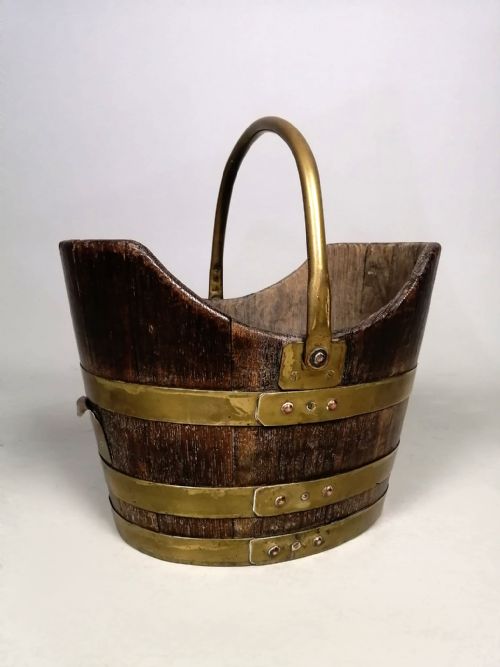
Many containers incorporate secondary materials like brass banding, iron fittings, and painted or lacquered decoration. Coopered items use wooden staves bound with metal hoops, while turned treen pieces exploit the grain of dense woods like lignum vitae and yew to create tight-fitting lids and smooth profiles.
Vintage Wood Container Retail Price Guide 2026
Typical asking prices for vintage wood container among the pieces listed under this phrase on Sellingantiques today, from the lower quarter to the upper quarter. They describe what is for sale here now, not the wider market.
What varies in quality
The standard of a piece depends on the crispness of the carving, the selection of timber with pleasing grain patterns, and the integrity of the original construction. Superior items display careful hand-turning and balanced proportions rather than purely utilitarian haste.
Preservation of original surfaces, patination, and minor metal or wood fittings also dictate distinction. Pieces retaining their original painted finishes, brass bands, or matching covers hold greater integrity than heavily restored examples.
The Vintage Wood Container Glossary
- Treen
- Small handmade wooden objects of domestic use. This term embraces everything from turned string holders and spice towers to small bowls and boxes.
- Coopered
- Made by a cooper using staves and bands of metal or wood. This technique creates water-tight or durable cylindrical vessels like log bins and buckets.
- Spice tower
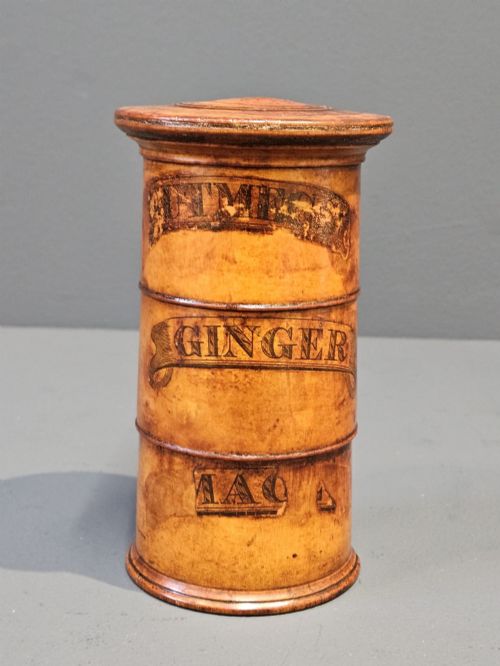
- A multi-tiered turned wooden container designed to hold various spices. They typically unscrew or nest together in sections.
- Humidor
- A specialised box or container designed to keep tobacco moist. These often feature dense hardwoods and tight-fitting lids.
- Mortar
- A heavy bowl-shaped vessel used with a pestle for grinding materials. Large examples are frequently carved from solid elm or other resilient hardwoods.
Vintage Wood Container: Frequently Asked Questions
How were spice towers used?
Spice towers were utilised in domestic kitchens to store multiple varieties of powdered spices in stacked, space-saving compartments. Each tier fitted securely into the next to keep the contents fresh.
Collectors prize them today for their clever turned construction and the miniature scale of their individual sections.
What is the difference between a log bin and a coal bucket?
Log bins were traditionally constructed to store firewood near a hearth, often utilising coopered oak or pine with iron handles. Coal buckets frequently incorporated brass banding or liners to handle the residue of solid fuel.
Both serve as robust fireside accessories but reflect different fuel storage needs of past centuries.
How do I care for wooden containers?
Keep wooden containers away from direct heat sources and drastic humidity changes to prevent the timber from splitting. Occasional light dusting and minimal waxing help preserve the natural patination.
Avoid using liquid cleaners or placing damp items inside unlined vessels.
How can I tell the period of a turned box?
Dating relies on observing tool marks, the choice of timber species, and the style of the turning profiles. Earlier pieces often show hand-finishing details and distinct wear patterns consistent with age.
Comparing construction methods with dated examples helps narrow down the century of manufacture.