
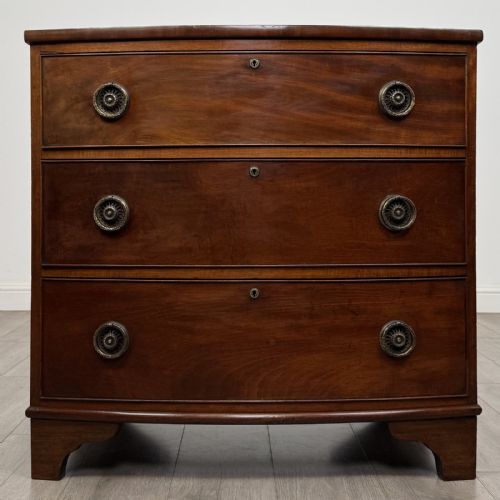
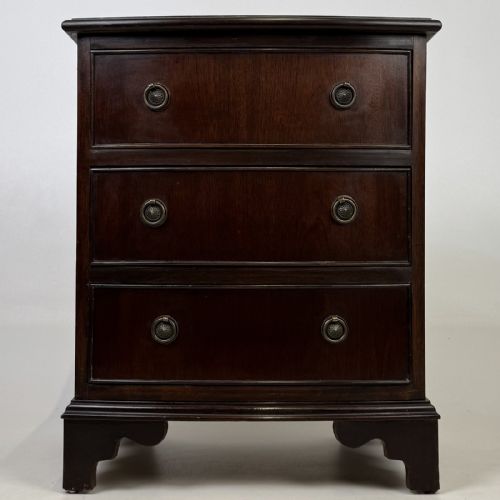
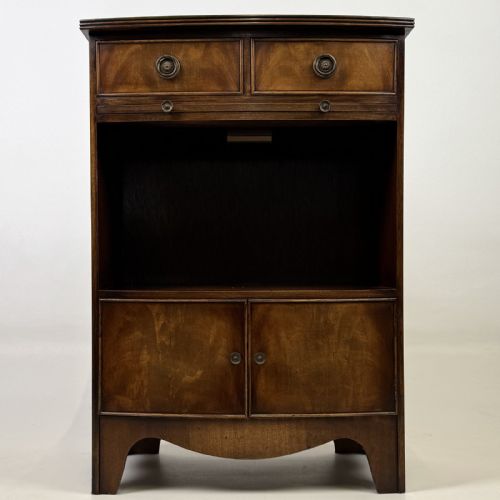
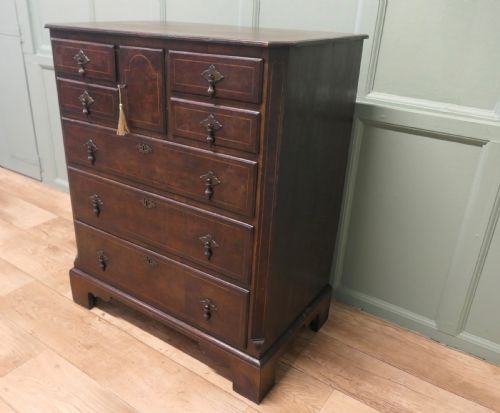
Vintage Wood Commode
A vintage wood commode offers practical storage with enduring craftsmanship, uniting traditional joinery and rich timber grains.
Vintage Wood Commode
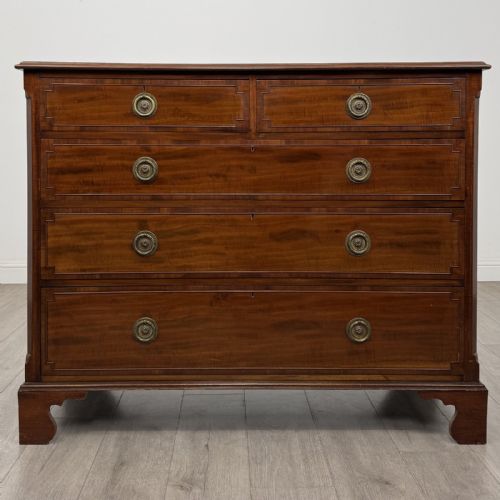
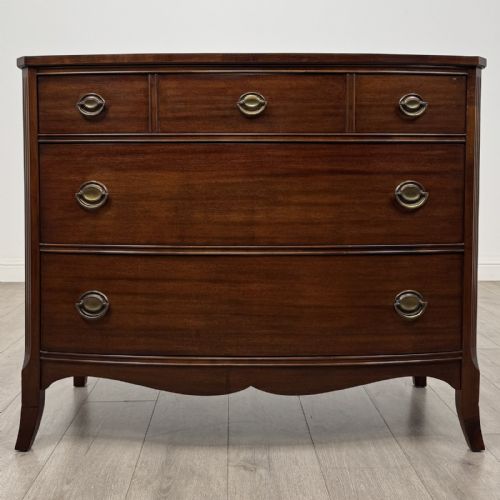
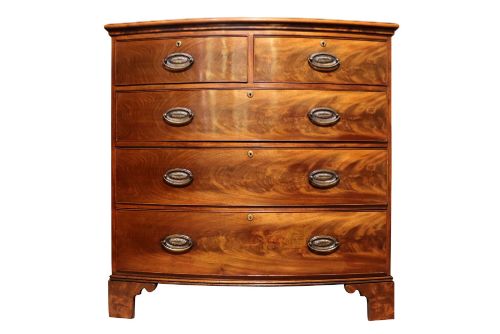
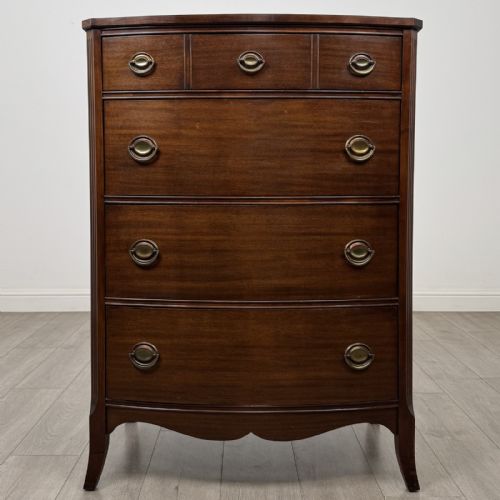
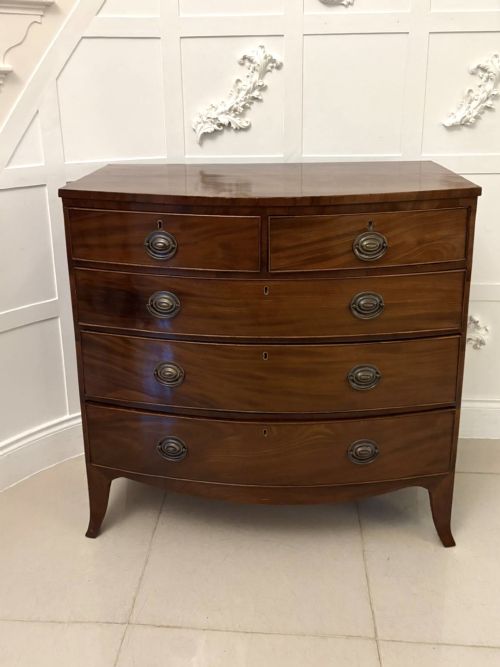
A vintage wood commode typically presents as a chest of drawers, bedside cabinet, or nightstand originating from periods spanning the eighteenth century through to the early twentieth century. Buyers seeking this phrase encounter formats ranging from compact bedside units to large bow front and serpentine case pieces.
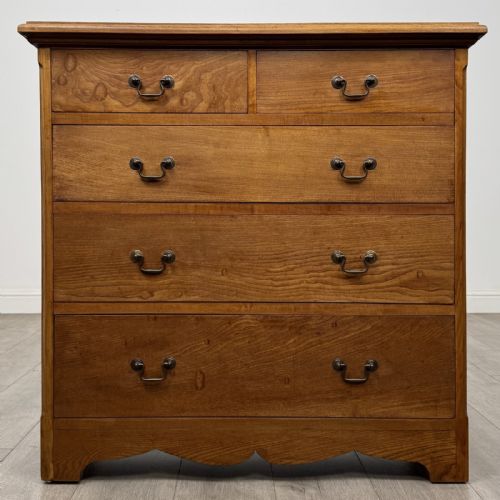
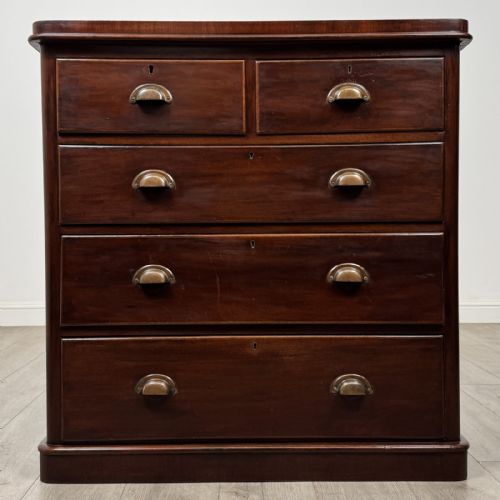
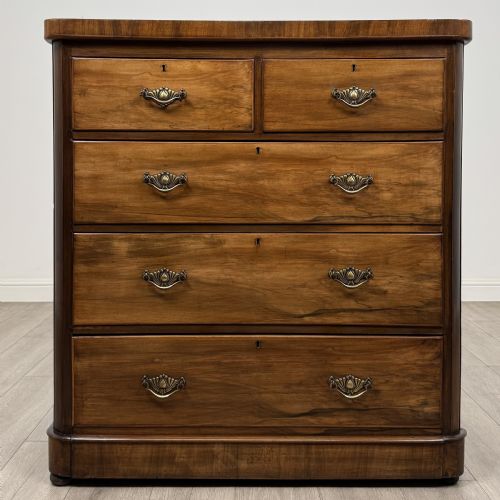
The selection includes Georgian designs, Regency pieces, Victorian pine and mahogany examples, alongside Edwardian walnut and later revival styles. Chests featuring two over three drawer configurations or pull out slides appear frequently among the inventory.
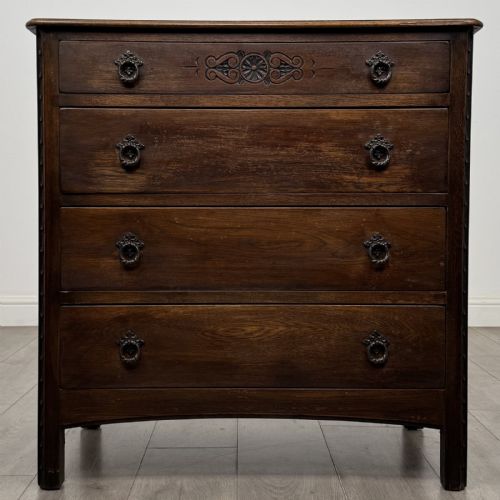
Origins stretch across British workshops, Scottish cabinet makers, and French provinces, utilising timbers such as mahogany, oak, walnut, pine, ash, and rosewood. These variations define the physical character of each piece available for selection.
Materials and construction methods
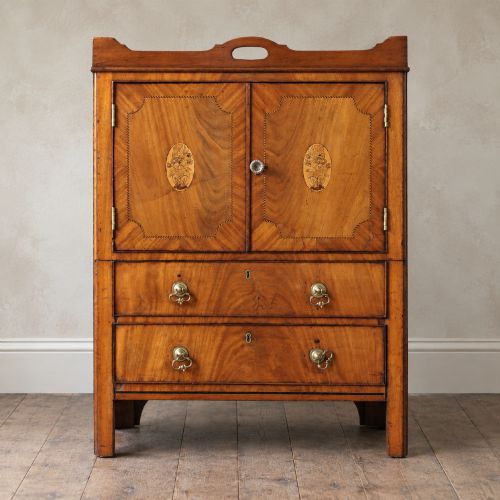
Cabinet makers utilised solid and veneered timbers, pairing structural woods like oak and pine with decorative surfaces of flame mahogany, walnut, and rosewood. Inlays of satinwood and bone added contrast to drawer fronts and top edges.
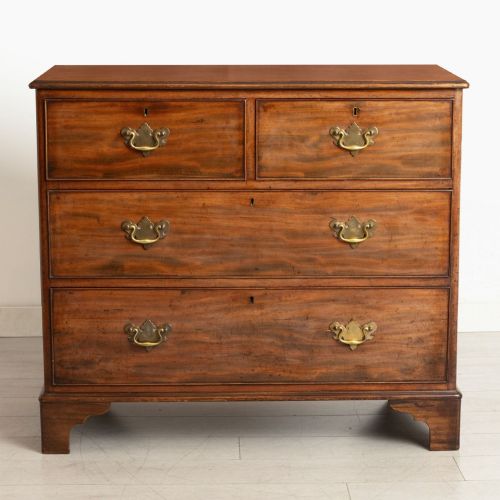
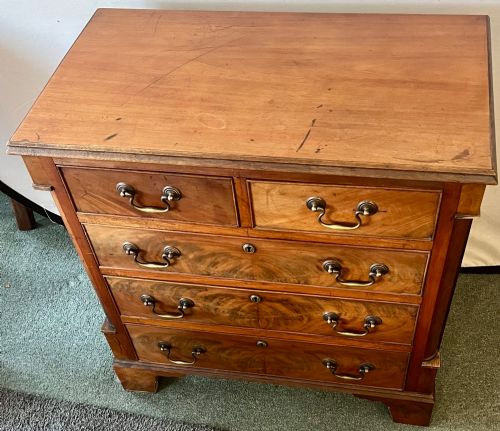
Hardware details incorporated brass handles, brass cup handles, and wood inlay, whilst structural support relied on bracket feet, turned legs, and cabriole legs. Drawers often featured traditional dovetail joinery alongside pull out brushing slides.
Surface ornamentation involved marquetry and carved top edges, reflecting the stylistic preferences of Georgian, Victorian, and Edwardian periods without relying on modern fasteners.
Listings span the 18th century, Georgian, Regency, Victorian, Edwardian, and 1930 eras, constructed from mahogany, oak, walnut, pine, and ash.
Distinctions in build and finish
Quality rests upon the selection of timber figures, where figured mahogany and walnut veneers exhibit superior natural grain patterns compared to plain surfaces. The integration of secondary woods and the precision of banding or inlay work further separate standard items from finer examples.
Structural integrity depends on the execution of joinery, the retention of original brass handles, and the condition of bracket feet or turned legs. Pieces retaining original slides, polished surfaces, and stable carcases demonstrate higher execution standards from their period.
The Vintage Wood Commode Glossary
- Bow front
- A convex curved cabinet or chest front that projects outward in a smooth arc. This shape became popular during the Georgian and Regency periods.
- Serpentine
- A front contour characterised by a convex central section flanked by concave curves. It requires advanced woodworking skill to shape accurately.
- Brushing slide
- A pull out wooden board positioned above the top drawers, historically used for folding clothes or writing. It slides flush into the frame when not in use.
- Marquetry
- Decorative veneer patterns formed by fitting small pieces of wood, bone, or other materials together. It is typically applied to top surfaces and drawer fronts.
- Dovetail
- An interlocking wood joint formed by interlocking wedge shaped fingers. This construction method secures drawer corners and side panels.
Vintage Wood Commode: Frequently Asked Questions
What is a vintage wood commode?
A vintage wood commode refers to enclosed storage furniture, including chests of drawers, bedside cabinets, and nightstands made from timbers such as mahogany, oak, and walnut.
These pieces originate from historical eras including the Georgian, Victorian, and Edwardian periods, serving functional storage roles in bedrooms and living spaces.
How do I identify a Georgian commode?
Georgian pieces often feature solid mahogany or walnut construction, hand cut dovetail joints, and traditional bracket feet. Details like brass drop handles and pull out slides are common.
Proportions tend to follow classical design rules, sometimes incorporating bow fronts or fine wood inlay work along the top edges.
Where should I place a bedside cabinet?
Bedside cabinets and nightstands function well next to a bed to hold lamps, books, and small personal items. Their compact footprints suit smaller guest rooms or principal bedrooms alike.
Matching them with existing mahogany or walnut furniture helps maintain a cohesive interior scheme.
Are pine chests durable?
Victorian and later pine chests offer robust utility, often featuring turned legs and straightforward drawer configurations. Pine is a softer wood than mahogany but provides sturdy everyday service.
Many examples survive with original painted finishes or warm waxed patinas developed over decades of use.