



Vintage Wood Candlesticks
These vintage wood candlesticks bring warmth to a room through turned profiles and carved details.
Vintage Wood Candlesticks
Vintage wood candlesticks comprise turned columns, hand-carved pillars and structural candle holders shaped from timber. When buyers search for vintage wood candlesticks, they encounter turned supports and sculptural forms intended for domestic illumination.
The selections span distinct periods, ranging from seventeenth-century oak and eighteenth-century mahogany to nineteenth-century treen and early twentieth-century turned oak. Many pieces survive as pairs, designed originally for side tables or mantelpieces.
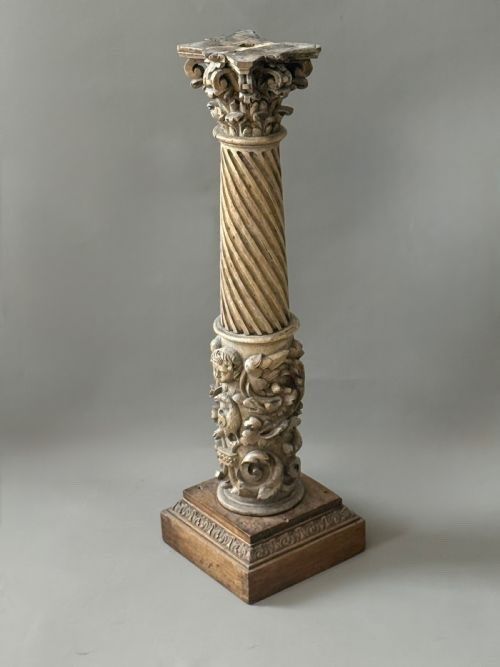
Makers utilised various native and exotic timbers, sometimes combining the natural grain with brass nozzles, giltwood accents or painted finishes. Forms vary from small taper sticks to monumental architectural standards and converted lamp bases.
How they were made
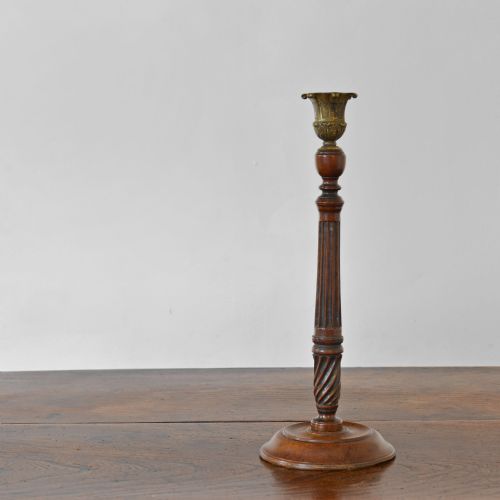
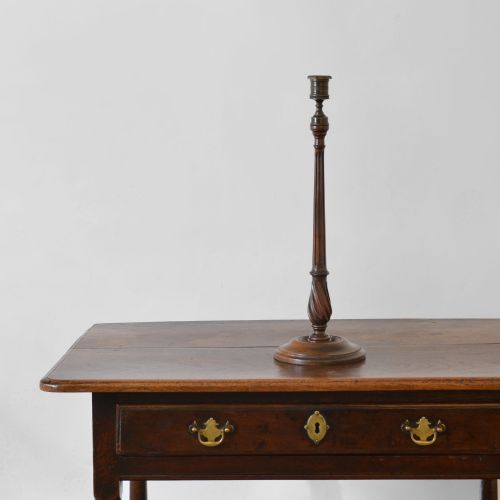
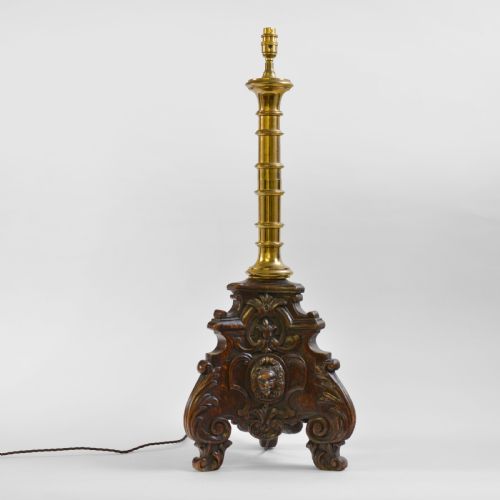
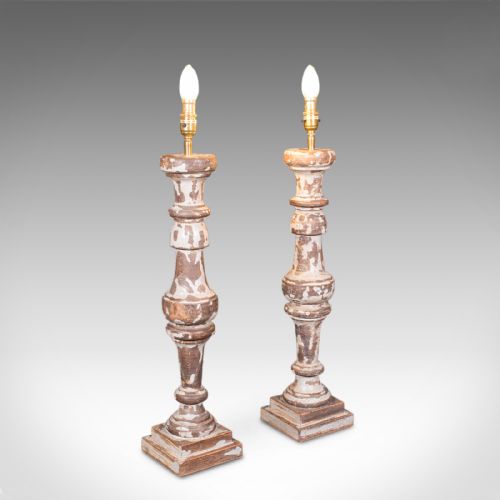
Turned items rely on the lathe to shape symmetrical stems, creating spiral patterns like barley twists or smooth tapering columns. Hand-carving appears on more sculptural pieces, where artisans shaped foliage, figures or architectural motifs directly into the solid timber.
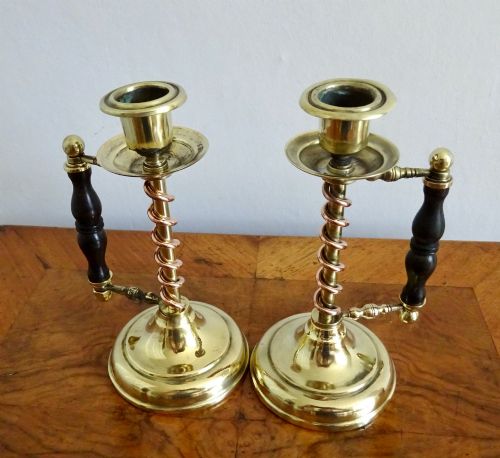
Surface treatments define much of the character, combining exposed grain with applied coats of paint, gesso, silver leaf, or gilding. Brass components often reinforce the sockets and drip pans to protect the wood from direct flame.
Vintage Wood Candlesticks Retail Price Guide 2026
Typical asking prices for vintage wood candlesticks among the pieces listed under this phrase on Sellingantiques today, from the lower quarter to the upper quarter. They describe what is for sale here now, not the wider market.
The selection spans four centuries, incorporating seventeenth-century Baroque pillars alongside Arts and Crafts designs.
What varies in quality
Quality rests upon the crispness of the turning and the depth of the carving, where sharper lines denote superior execution by the woodturner. The choice of timber also dictates substance, with dense hardwoods like mahogany and lignum vitae holding finer detail than softer pine.
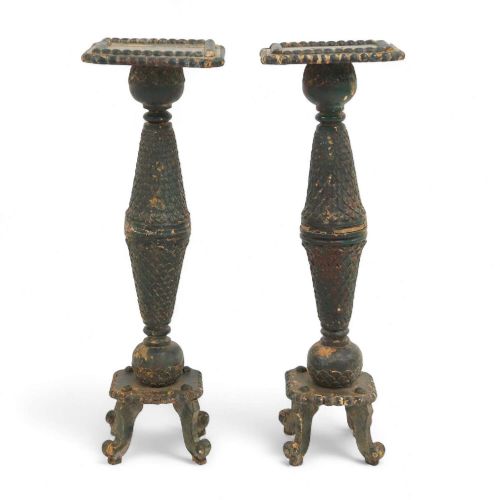
Proportion and balance separate standard items from finer examples, particularly in taller floor standards and slender table candlesticks. Original surface treatments, such as untouched green paint or aged gilding, preserve historical integrity better than modern refinishing.
The Vintage Wood Candlesticks Glossary
- Treen
- Small handmade wooden domestic objects produced from dense hardwoods. These items include treen candlesticks and small taper holders.
- Barley twist
- A spiral turning technique resembling a twisted rope. This profile appears frequently on early twentieth-century oak candlesticks.
- Giltwood
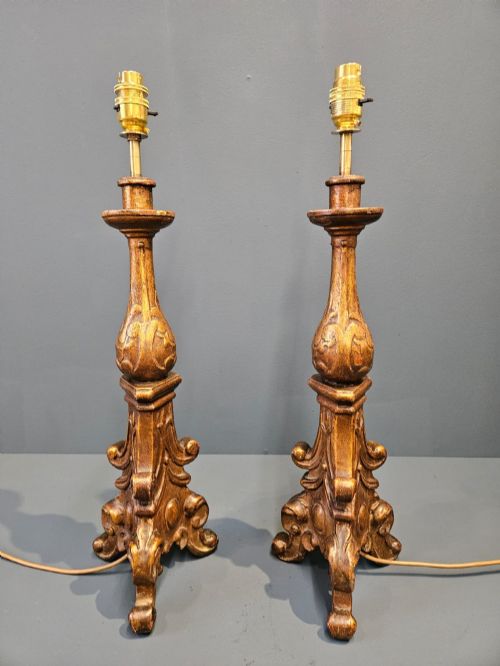
- Wood that has been coated with a thin layer of gold leaf or gilt paint. This finish creates a decorative metallic sheen on carved Italian and French standards.
- Pricket
- A sharp metal spike on a candlestick designed to impale a candle. These heavy pricket bases often support large altar candles.
Vintage Wood Candlesticks: Frequently Asked Questions
How do I clean wooden candlesticks?
Dust timber surfaces gently with a dry, soft cloth to prevent accumulation in carved crevices. Avoid liquid cleaners or excessive moisture, which can damage aged finishes and exposed wood grain.
Apply a microcrystalline wax sparingly if the timber appears dry, buffing it gently to maintain the natural sheen. Keep candlesticks away from direct heat sources and strong sunlight to prevent warping.
Were these candlesticks converted to lamps?
Many vintage wooden candlesticks and torcheres were adapted for electricity during the twentieth century. These conversions often involve running a cord through a drilled channel or adding a brass lamp fitting to the top.
Converted pieces function as table lamps or standard lamps while retaining their original turned wooden bases. Buyers can find both untouched candle holders and electrically adapted examples on the market.
How do I date old wooden candlesticks?
Dating relies on examining the timber species, turning style, tool marks, and wear patterns. Hardwoods like oak and mahogany indicate specific regional production periods, such as Georgian or Edwardian eras.
Surface finishes like original paint, gesso, or patinated polish offer further clues to age. Comparing the turned profile against known historical design revivals helps confirm the decade of manufacture.