



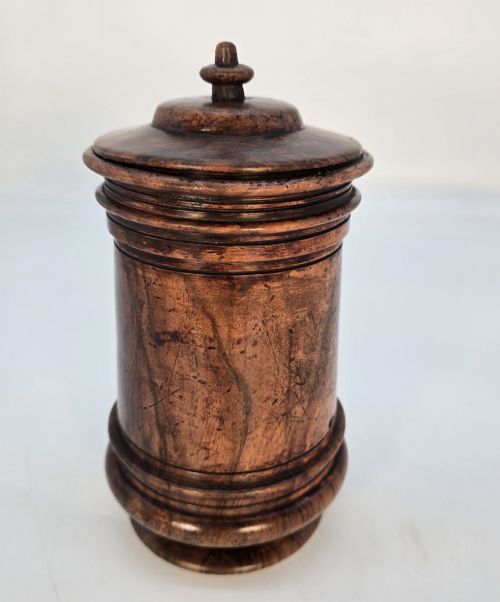
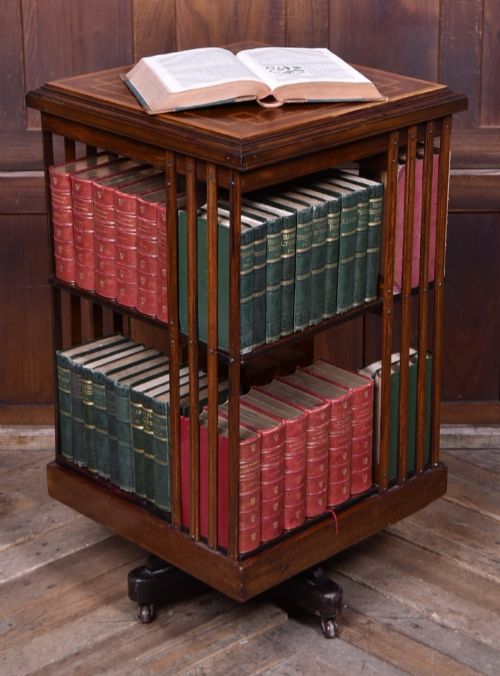
Vintage Wood Caddy
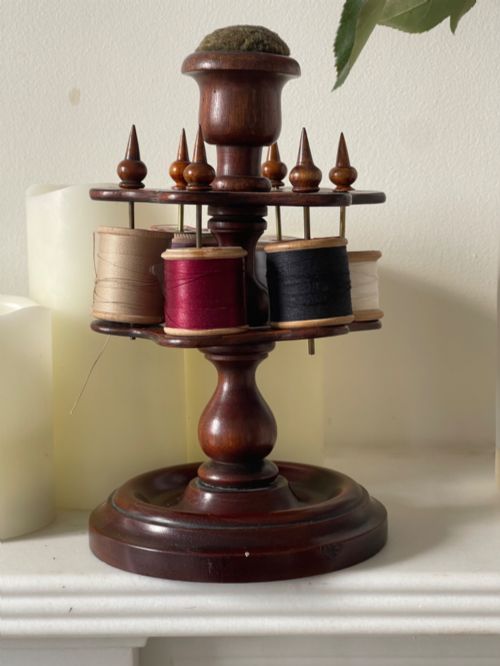
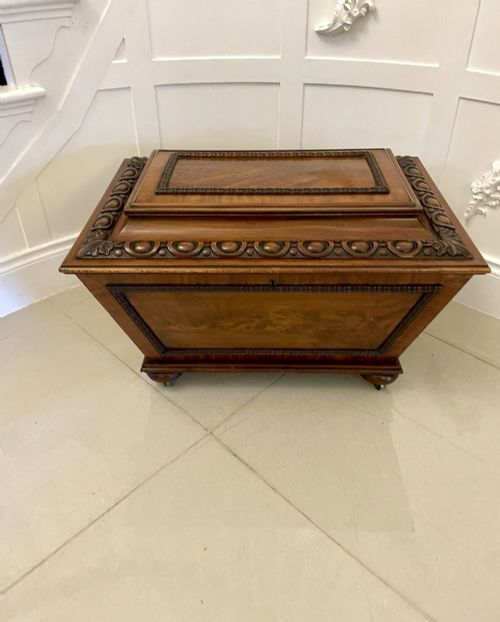
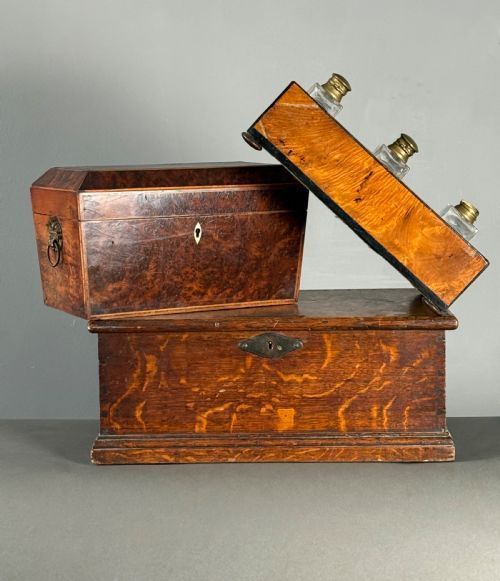
A vintage wood caddy brings tactile warmth and period character to a desk or table through native timbers and careful joinery.
Vintage Wood Caddy
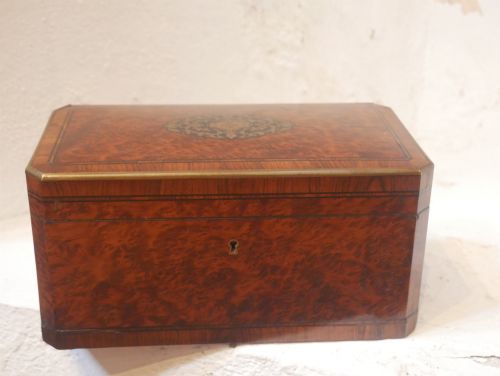
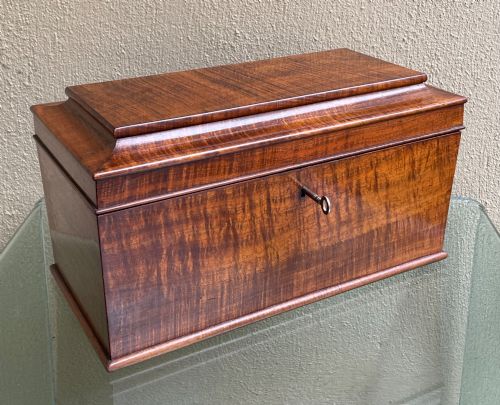
When searching for a vintage wood caddy, collectors encounter a range of functional wooden containers designed for domestic use across several centuries. The selection spans Georgian, Regency, and Edwardian periods, reflecting changing social habits and interior storage needs.
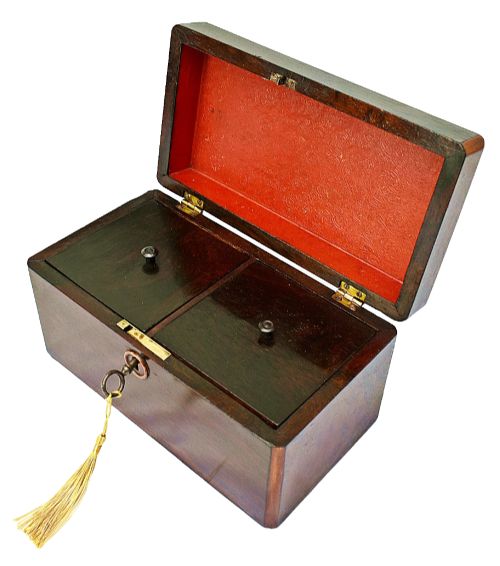
Tea caddies form a prominent part of this group, alongside decorative boxes, spice boxes, and tobacco jars. These pieces originate from British workshops as well as international trade routes, utilising accessible domestic timber alongside imported exotic woods.
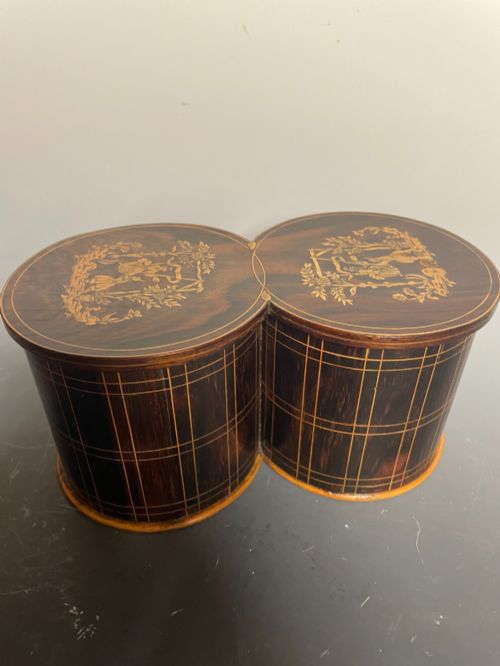
Buyers frequently meet mahogany and rosewood examples from the nineteenth century, often featuring internal compartments or subtle marquetry. The diversity of forms shows how utilitarian objects received careful decorative attention from period makers.
Materials and Construction
Craftsmen built these containers from dense hardwoods such as mahogany, walnut, oak, and yew, selecting timber for grain pattern and stability. Surfaces often display natural figuring, enhanced through polishing rather than heavy pigmentation.
Construction relies on traditional joinery methods, including dovetail joints at the corners to withstand daily handling and shifting humidity. Metal elements such as brass hinges, escutcheons, and locks secure the lids while adding functional contrast to the dark timber.
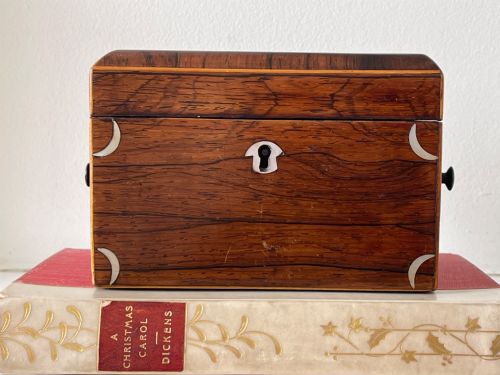
Inlaid details utilise contrasting woods, bone, and mother-of-pearl, set flush into the primary surface to create geometric or floral motifs. These decorative techniques demand precise hand-cutting to ensure the inlays remain secure within the wooden body over generations.
Vintage Wood Caddy Retail Price Guide 2026
Typical asking prices for vintage wood caddy among the pieces listed under this phrase on Sellingantiques today, from the lower quarter to the upper quarter. They describe what is for sale here now, not the wider market.
Listings for this phrase include examples spanning the Georgian, Regency, and Edwardian periods in materials like mahogany, rosewood, and oak.
Distinctions in Quality
The standard of a piece rests upon the selection of timber and the precision of its grain alignment across visible surfaces. Superior examples display balanced figuring and matching veneer panels that demonstrate the maker's eye for material harmony.
Construction detail separates fine work from standard production, particularly in the tightness of corner joints and the smooth operation of internal lids. Original hardware, such as cast brass handles and functional locks with matching keys, elevates the integrity of an item.
Proportion and restraint define the finer end of the range, where decorative inlays complement rather than crowd the primary timber. The crispness of carved mouldings and the absence of clumsy repairs indicate skilled workshop execution.
Tahan·Mappin & Webb
The Vintage Wood Caddy Glossary
- Tea caddy
- A container designed to store loose tea leaves securely, often featuring internal lidded compartments to separate different varieties. These boxes frequently incorporated lockable lids to protect an expensive eighteenth-century commodity.
- Marquetry
- The art of applying thin slices of wood veneer to a structural carcase to form decorative pictures or geometric patterns. Craftsmen chose contrasting timbers to achieve tonal variation without using paint.
- Escutcheon
- A flat plate of brass or other metal surrounding a keyhole to protect the surrounding wood from wear. On better pieces, these plates receive hand-engraved detailing.
- Treen
- Small handmade wooden household objects created by turners and joiners using a lathe or hand tools. The term covers utilitarian items ranging from spice containers to small stands.
Vintage Wood Caddy: Frequently Asked Questions
What were vintage wood caddies originally used for?
These containers served to store high-value goods like tea, tobacco, and spices securely in domestic rooms. Because tea was an expensive commodity in past centuries, caddies were built with locks to prevent household pilfering.
Over time, many of these boxes transitioned from functional storage into decorative table objects. Their internal compartments make them suitable for holding modern small items while retaining period presence.
How do I care for wooden caddies?
Keep wooden pieces away from direct sunlight and steady heat sources to prevent the timber and veneer from splitting. An occasional application of traditional beeswax helps maintain the moisture and natural lustre of the surface.
Avoid using modern liquid polishes or household cleaners that can strip the historic finish. Gentle dusting with a dry, soft cloth is sufficient for routine maintenance.
How can I tell the period of a caddy?
Dating relies on observing the timber choice, construction techniques, and decorative styles characteristic of specific eras. Georgian and Regency pieces often feature rich mahogany or rosewood with delicate stringing, while Edwardian items may show lighter oak or satinwood.
Interior fittings and the style of brass hinges or lock plates also offer clues to the decade of manufacture. Examining the base and internal construction reveals hand-cut marks typical of earlier craftsmanship.
Are original keys commonly found with these boxes?
Original keys remain uncommon because locks were frequently small and easily misplaced over generations of use. Many surviving pieces show signs of historical lock replacement or adjustment.
The absence of a working key does not diminish the decorative appeal of the timber or the quality of the internal joinery.