



Vintage Wood Box Table
A vintage wood box table brings compact storage and functional surface space together, drawing on campaigns, dressing rooms, and parlours.
Vintage Wood Box Table
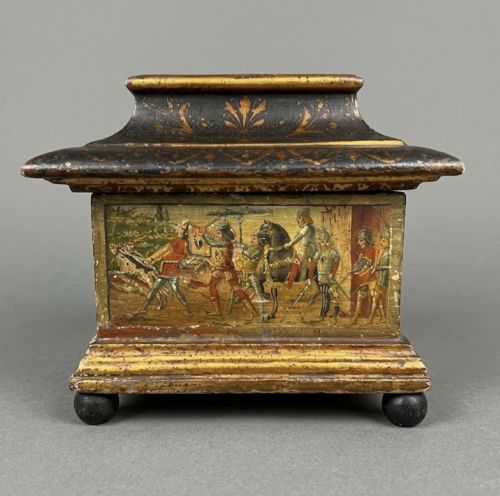
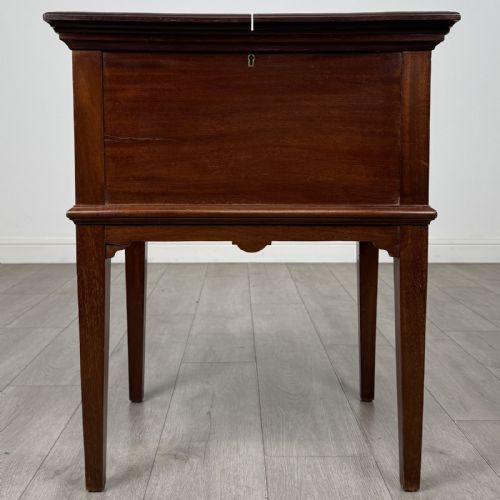
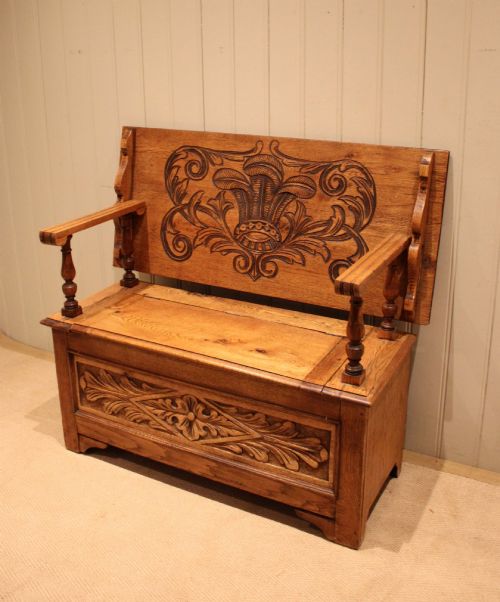
When searching for a vintage wood box table, buyers encounter a diverse group of lidded chests, sewing tables, work tables, and dressing mirrors originating from periods spanning the Georgian era to the 1920s.
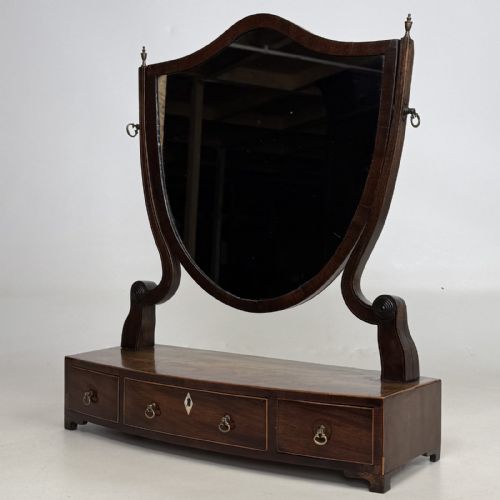
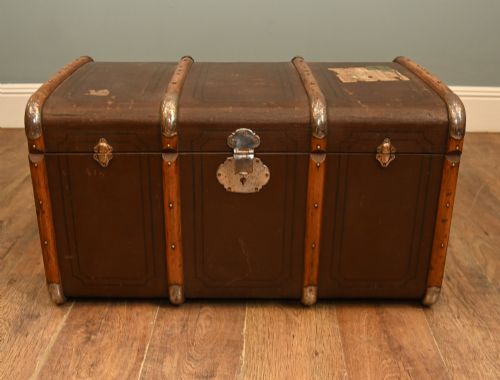
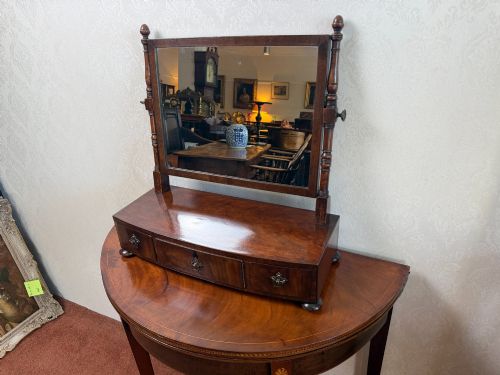
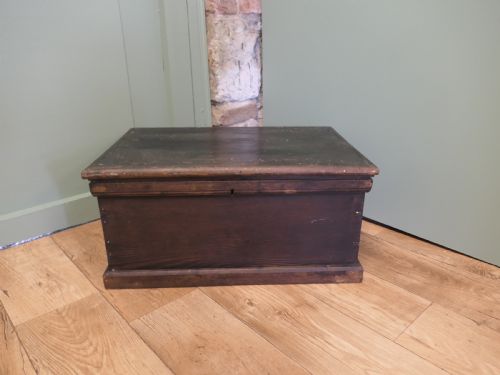
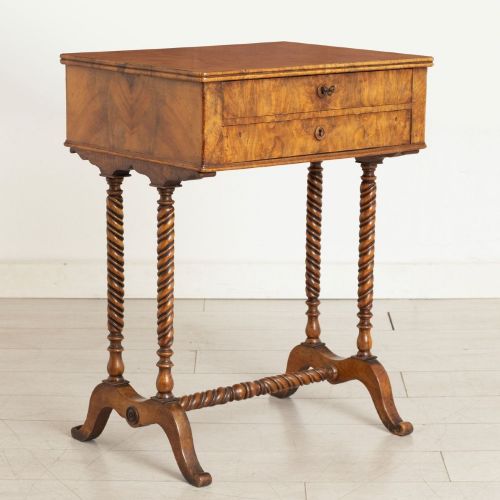
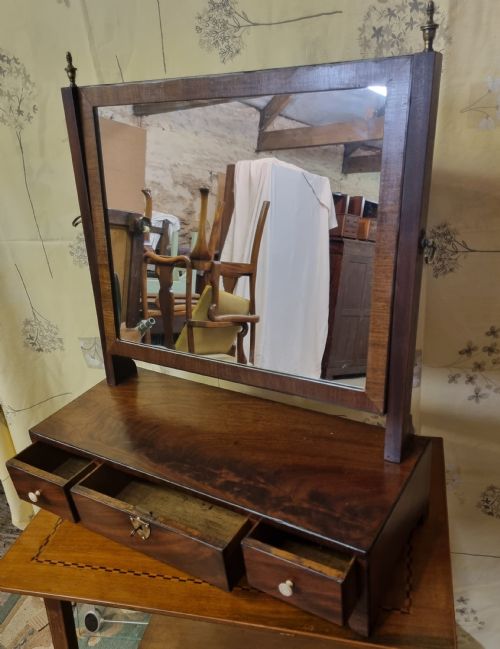
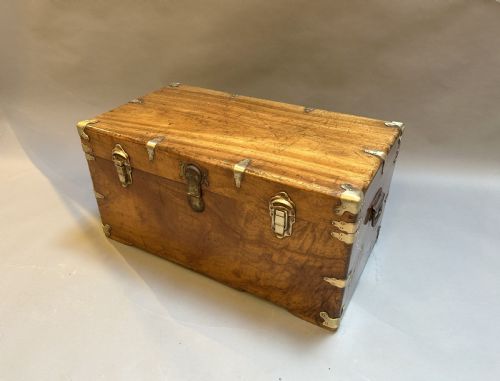
The pieces on this page lean heavily towards campaign trunks, work tables with internal compartments, and table-top dressing mirrors framed in mahogany, walnut, and camphor wood.
Originating from domestic parlours, travel gear, and dressing rooms, these items combine enclosed storage with a functional top surface for display or daily use.
How they were made
Cabinet makers utilised dense timbers such as mahogany, walnut, oak, and fragrant camphor wood, frequently enhancing surfaces with satinwood, kingwood, or tulipwood crossbanding.
Hardware played a structural and decorative role, with brass corners, straps, and recessed handles reinforcing military campaign trunks and travel chests against hard use.
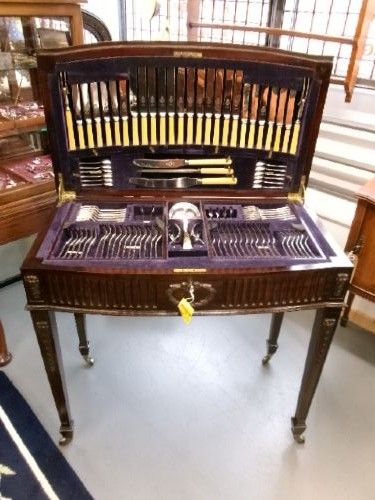
Interior architecture involved complex joinery, incorporating hidden compartments, fold-out leaves, and fitted trays for sewing implements, cutlery, or jewellery.
Vintage Wood Box Table Retail Price Guide 2026
Typical asking prices for vintage wood box table among the pieces listed under this phrase on Sellingantiques today, from the lower quarter to the upper quarter. They describe what is for sale here now, not the wider market.
Listings feature woods such as mahogany, walnut, camphor wood, and oak across Victorian, Edwardian, and Georgian periods.
What varies in quality
The grade of timber selection and veneer matching defines the initial impression, distinguishing solid cabinet woods and finely figured burr walnut from simpler utility pieces.
The integrity of original brass mounts, working locks with keys, and smooth interior mechanisms indicate the standard of craftsmanship applied during construction.
Proportion and restraint in decorative inlay, whether stringing, brass binding, or marquetry, separate accomplished workshop production from heavier, uninspired manufacture.
The Vintage Wood Box Table Glossary
- Campaign trunk
- A sectional or reinforced chest designed for travel, featuring recessed brass handles and corner brackets to withstand transit.
- Bijouterie table
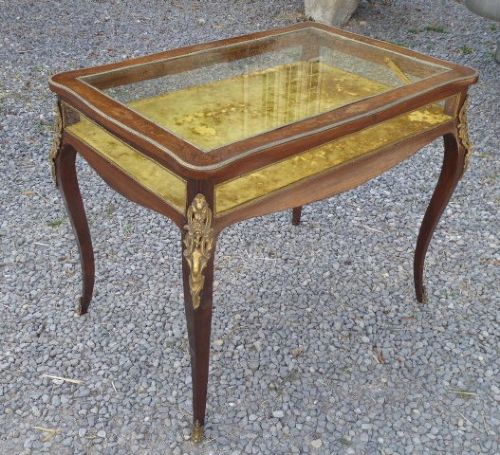
- A glass-topped display table intended for showing small valuables, medals, and trinkets within a lined compartment.
- Work table
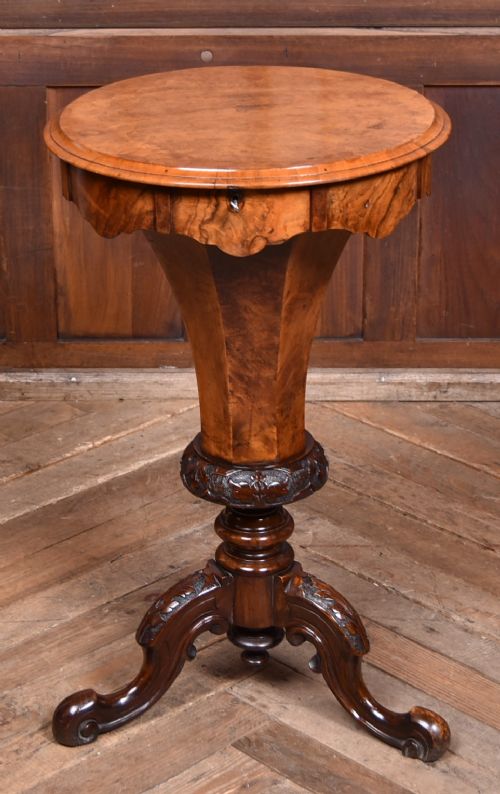
- A small occasional table equipped with drawers, compartments, or hanging bags specifically designed for sewing and needlework.
- Toilet mirror
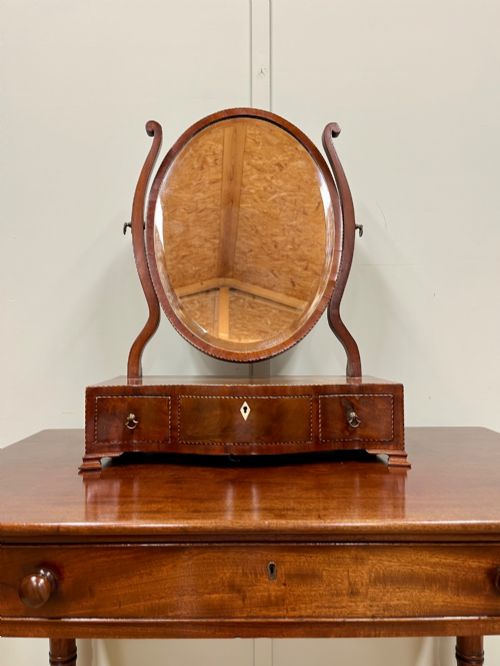
- A small adjustable looking glass mounted on a supportive box base containing one or more small drawers.
- Crossbanding
- A decorative border technique where strips of veneer are laid so the grain runs perpendicular to the main surface.
- Marquetry
- The art of applying pieces of veneer to a structure to form decorative patterns and pictorial designs.
Vintage Wood Box Table: Frequently Asked Questions
What is a vintage wood box table?
These items are functional furniture pieces that combine lidded storage compartments, drawers, or deep chests with a flat surface suitable for display or tasks.
They encompass varied forms including sewing tables, campaign chests adapted as coffee tables, and tabletop dressing mirrors with fitted bases.
How were campaign boxes used?
Officers and travellers utilised these heavy-duty chests to transport personal belongings, uniforms, and documents during military campaigns and long sea voyages.
Built with protective brass corners and sturdy carrying handles, they were designed to endure rough handling while keeping contents secure.
Where do work tables fit at home?
These compact tables function well beside seating areas as side tables, offering hidden storage for small items inside their lidded compartments.
Their restrained proportions allow them to serve as practical surfaces in bedrooms, hallways, or living rooms without dominating the floor space.
How to date a wooden box?
Dating relies on examining the timber species, construction methods, hardware styles, and overall aesthetic typical of periods like the Georgian era or the 1920s.
Changes in screw types, dovetail joints, and decorative motifs such as brass binding or inlay provide reliable clues to the decade of manufacture.