




Vintage Wood Barrel
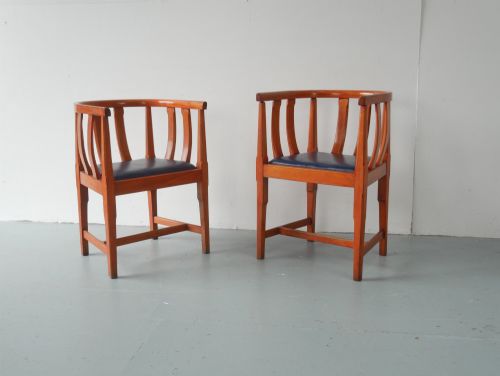
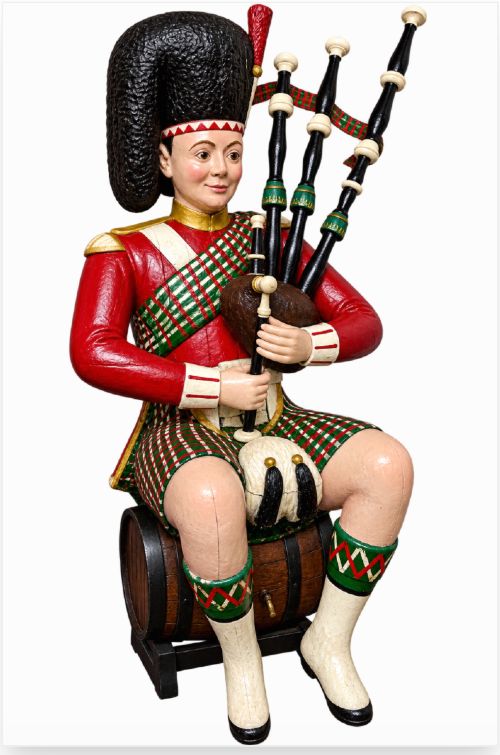
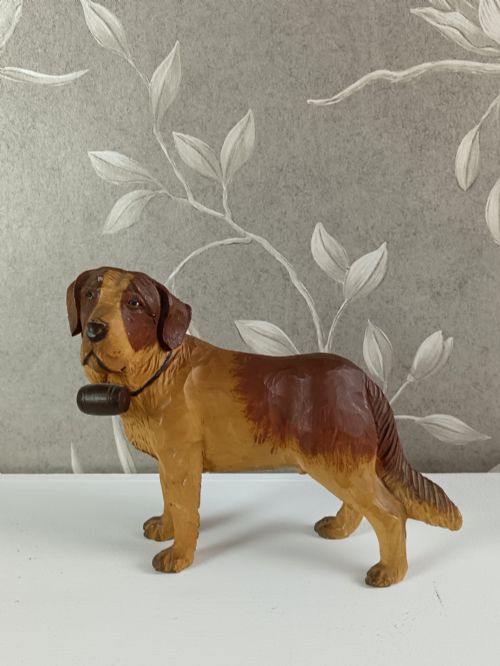
These vintage wood barrel pieces range from coopered storage vessels and string holders to barrel back armchairs spanning the nineteenth and twentieth centuries.
Vintage Wood Barrel
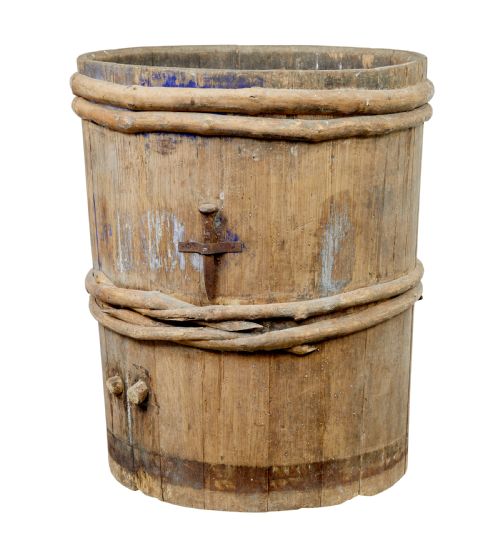
A vintage wood barrel encompasses several distinct forms, most notably coopered containers, string dispensers, and seating with barrel-shaped or tub-style backs. The items span the nineteenth century, Victorian, Edwardian, and later periods up to nineteen thirty, drawing on diverse regional traditions from rustic Swedish pine to British oak and fruitwood.
Buyers encounter smaller treen objects such as string barrels alongside larger storage vessels, stick stands, and furniture incorporating barrel backs or coopered construction. The selection bridges utilitarian kitchen or workshop treen and decorative domestic seating sharing a rounded profile.
Materials and construction methods
Makers shaped these pieces primarily from woods like oak, pine, mahogany, fruitwood, sycamore, and lignum vitae, often integrating metal bands in brass, iron, or steel for structural binding. Coopered examples rely on fitted wooden staves held together by tension hoops, reflecting traditional vessel-making techniques.
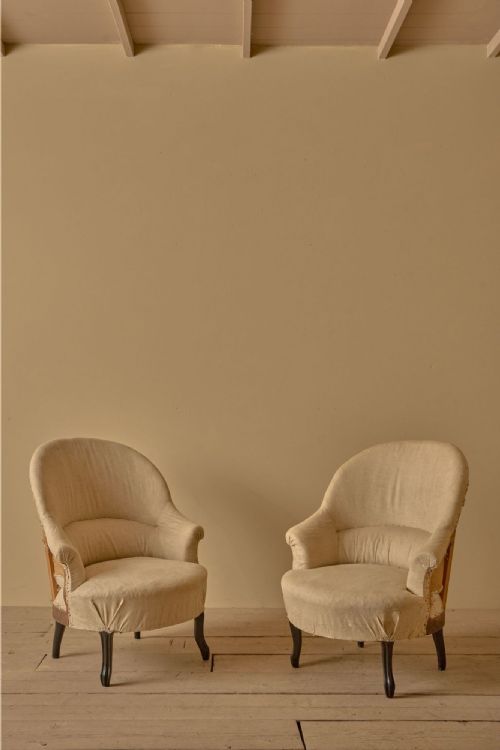
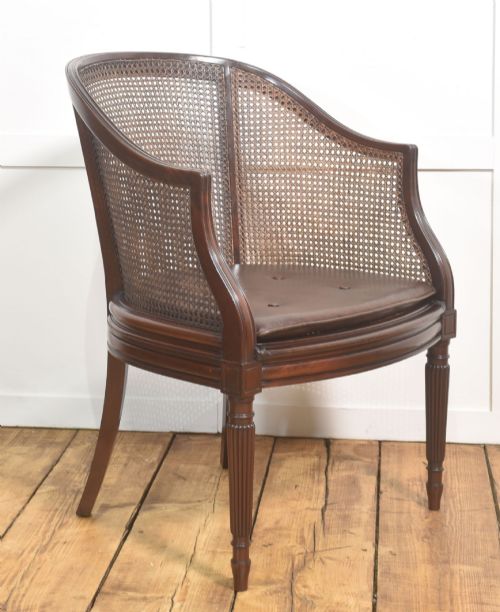
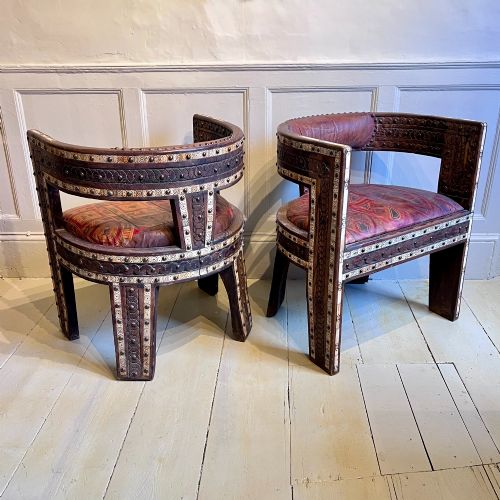
Seating variants integrate wood frames with cane, leather, or upholstered elements like coral velvet, while treen items demonstrate precision turning on a lathe. The combination of durable timber and metal reinforcement ensures structural integrity across both large storage vessels and smaller domestic objects.
Vintage Wood Barrel Retail Price Guide 2026
Typical asking prices for vintage wood barrel among the pieces listed under this phrase on Sellingantiques today, from the lower quarter to the upper quarter. They describe what is for sale here now, not the wider market.
Listings feature oak, pine, mahogany, walnut, and fruitwood alongside iron, brass, and steel across the nineteenth and twentieth centuries.
Assessing craftsmanship and condition
Quality rests in the precision of the cooperage, the tightness of stave joints, and the integrity of the binding hoops whether fashioned in brass, iron, or steel. Superior examples display careful timber selection, such as dense lignum vitae or figured fruitwood, alongside well-preserved turned details.
In seating and furniture, execution of the curved backrest and the stability of the frame distinguish finer production. Original surface patination and minimal alteration elevate the standing of both utility vessels and domestic seating.
Hary and Lou Epstein·Anton Rosen
The Vintage Wood Barrel Glossary
- Coopered
- Constructed from curved wooden staves bound together with metal or wooden hoops. This technique forms the structural basis for traditional barrels and casks.
- Treen
- Small handmade wooden domestic objects produced before the widespread use of plastics. Examples include string holders, nutmeg graters, and small vessels.
- Stave
- One of the narrow vertical blocks of wood that fit together to form the sides of a barrel or tub. The angle and shaping of each stave determine the vessel's final curve.
- Tub chair
- An armchair featuring a continuous curved back and arms that form a rounded enclosure. The design resembles a halved barrel.
- Lignum vitae
- An extremely dense and heavy hardwood derived from trees of the genus Guaiacum. It resists wear and was frequently utilised for turned treen and string barrels.
Vintage Wood Barrel: Frequently Asked Questions
What is a string barrel?
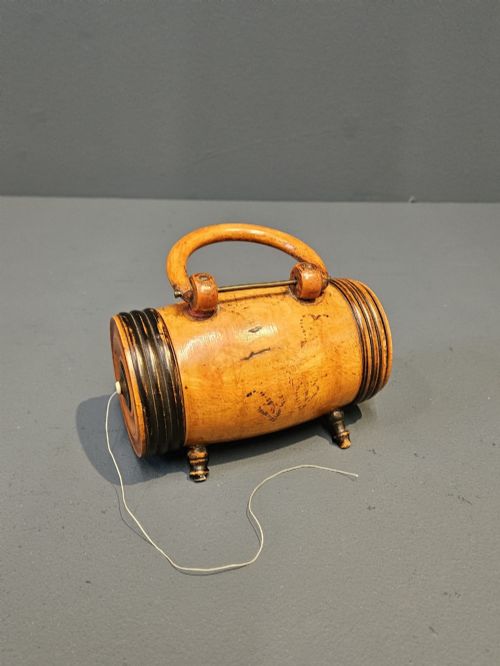
A string barrel is a small treen container designed to house a ball of twine or string, dispensing it through a small aperture in the lid. These pieces were common in nineteenth century domestic and commercial settings.
They appear in turned woods such as fruitwood, sycamore, and lignum vitae, often featuring threaded lids and fine turning work.
How do I identify a coopered item?
Coopered items are built from vertical wooden staves fitted tightly side by side and secured with external metal or wooden hoops. This method creates a curved, self-supporting vessel without the use of standard box joints.
Look for the visible seams of the staves on the interior and exterior walls, held by brass, iron, or steel bands.
How should I care for vintage wood vessels?
Vintage wood vessels require stable indoor humidity and protection from direct sunlight to prevent the timber from drying out or splitting. Keeping metal hoops clean and dry preserves the surrounding wood.
Avoid excessive moisture and apply appropriate wood maintenance products sparingly to maintain the natural finish and patina.