


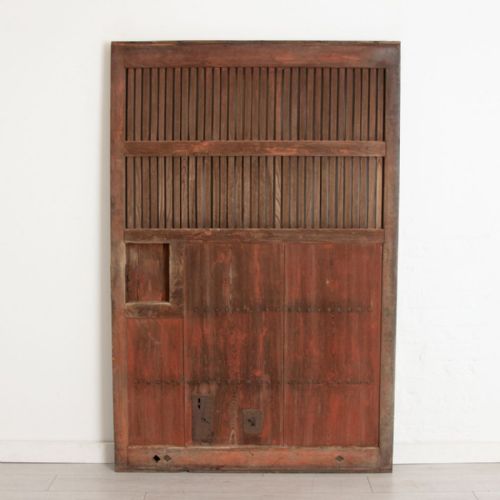


Vintage Wood Architectural Salvage
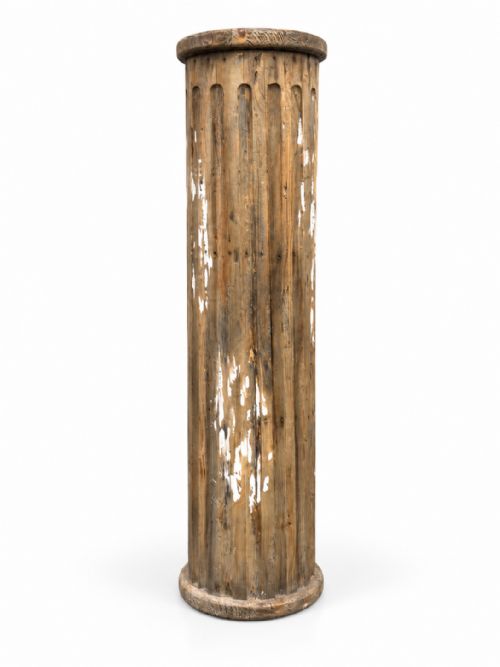
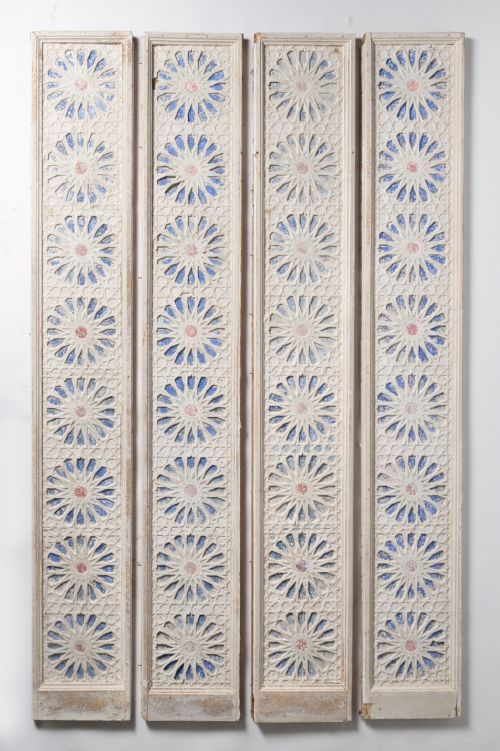
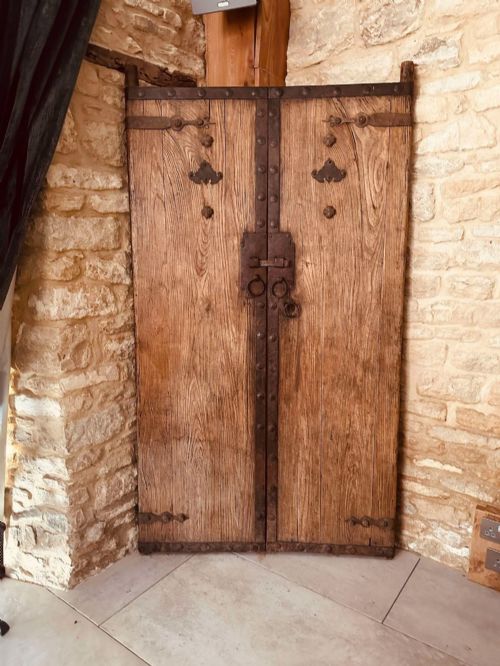
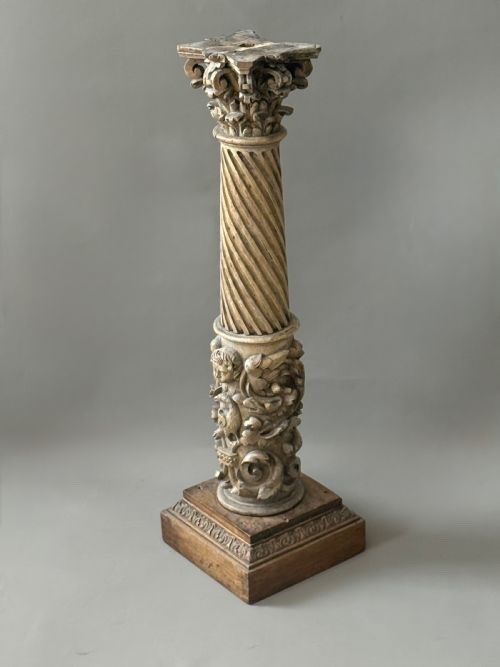
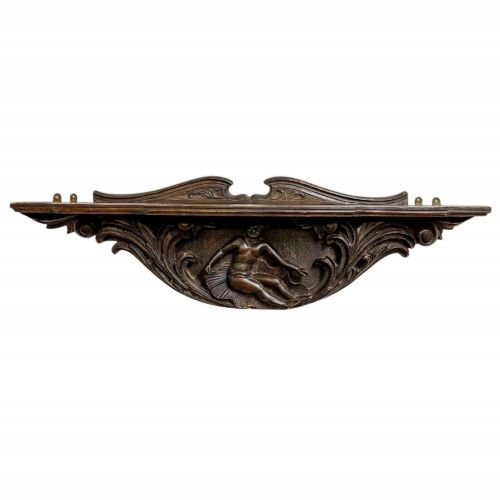
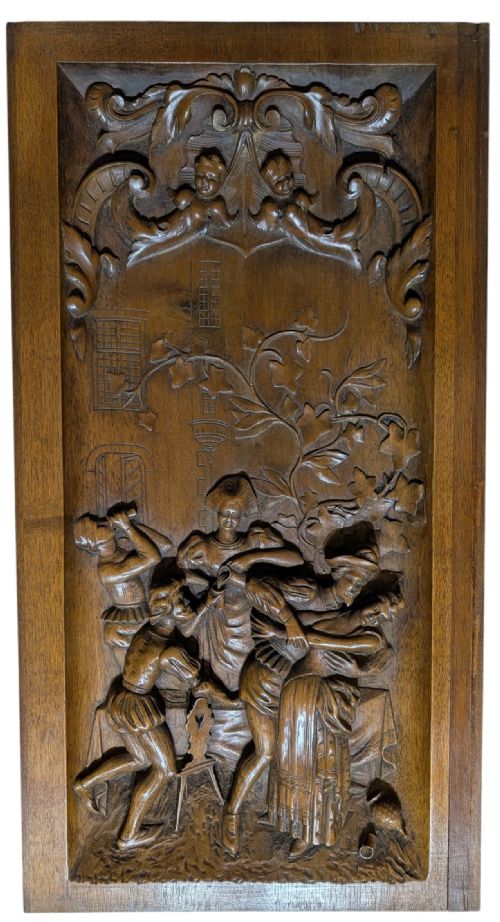
These pieces of vintage wood architectural salvage bring centuries of craftsmanship and structure straight into modern interiors as striking wall panels, columns, and doors.
Vintage Wood Architectural Salvage
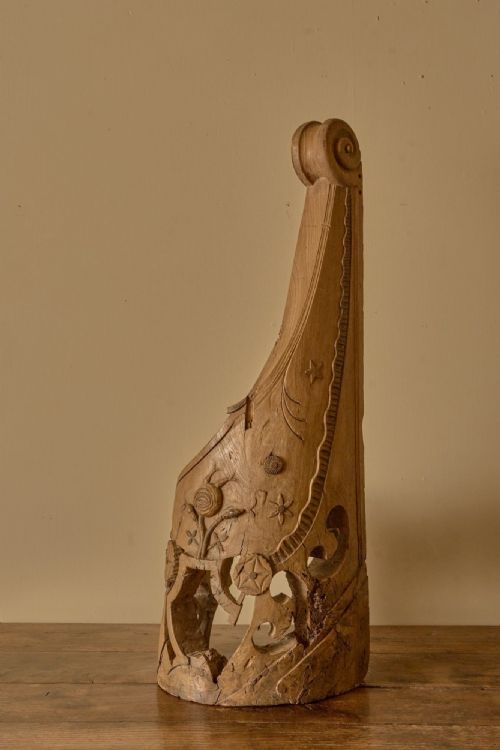
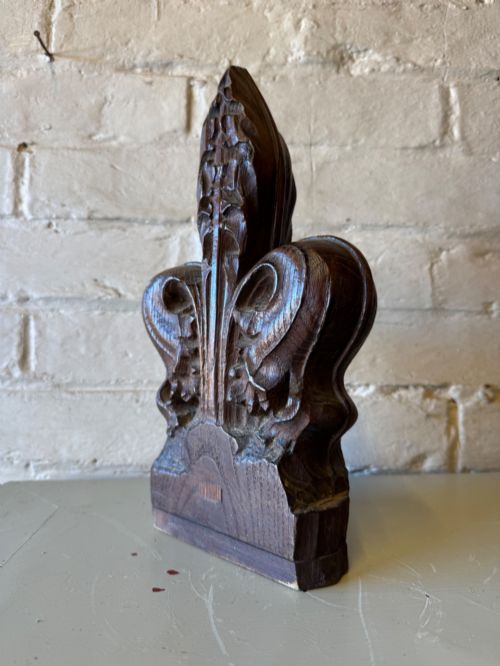
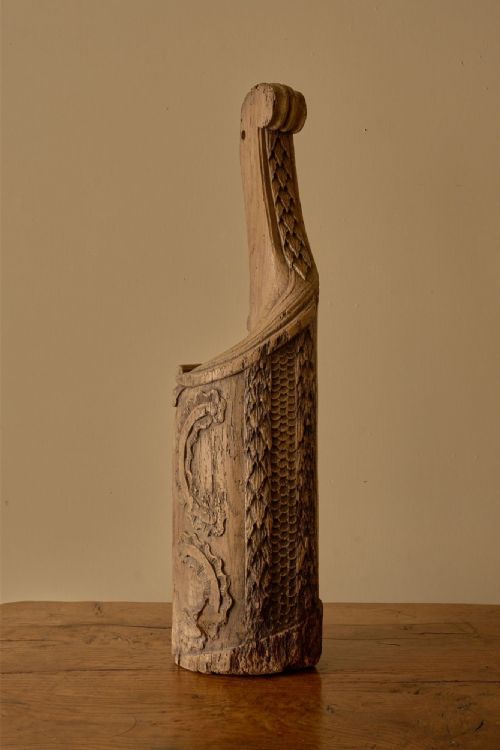
Vintage wood architectural salvage comprises elements rescued from older buildings, including carved newel posts, architectural pattern moulds, large brackets, and complete doors spanning from the seventeenth to the early twentieth century.
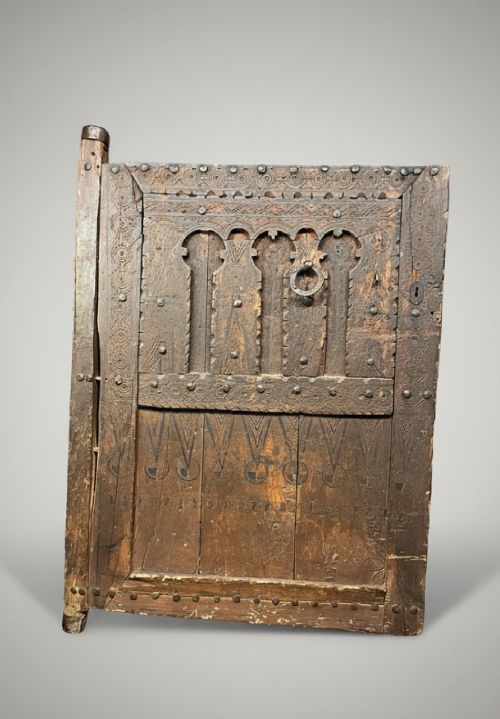
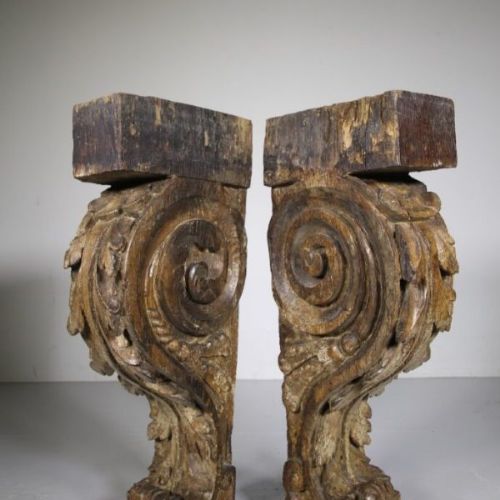
Buyers seeking this phrase encounter a rich mix of forms ranging from French armoire doors and oak corbels to Moroccan studded doorways, fairground fragments, and Indian roof decorations.
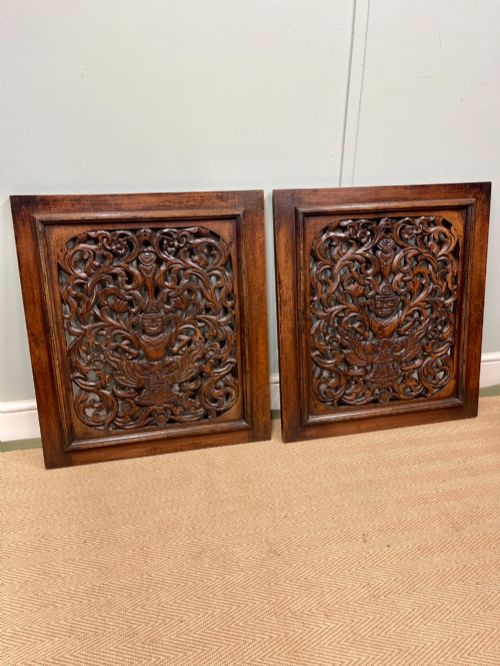
The material origins stretch across diverse global traditions, encompassing Georgian oak, French walnut, Burmese panels, and Japanese storehouse timber.
Materials and construction methods
Makers utilised solid timbers such as oak, walnut, and dense hardwoods, often shaping them through deep hand-carving to produce intricate motifs like poppy head finials, lion heads, and putti.
Many elements incorporate applied surface treatments including original paint, gesso, and leathermaché decorations, while structural components frequently combine carved wood with iron or stone bases.
Vintage Wood Architectural Salvage Retail Price Guide 2026
Typical asking prices for vintage wood architectural salvage among the pieces listed under this phrase on Sellingantiques today, from the lower quarter to the upper quarter. They describe what is for sale here now, not the wider market.
The inventory spans four centuries, featuring solid oak, walnut, hardwood, iron, and gesso across panels, columns, and doors.
Indicators of quality
Quality rests upon the depth and precision of the hand-carving, where crisp details on capitals, brackets, and panels distinguish master carvers from standard joinery work.
The integrity of the original timber and the survival of authentic period surfaces, such as undisturbed early paint or aged patinated oak, separate exceptional survivals from heavily restored examples.
The Vintage Wood Architectural Salvage Glossary
- Corbel
- A structural piece of stone, wood, or metal jutting from a wall to carry a superincumbent weight. These wooden brackets often display elaborate scrolling or foliate carvings.
- Newel post
- The principal post at the foot of a staircase, or one where the handrail changes direction. Older examples frequently feature bold turned profiles or carved figural tops.
- Capital
- The uppermost member of a column, serving as a decorative transition between the shaft and the load. Carved Ionic and Corinthian capitals show classical proportions.
- Pediment
- A triangular or arched upper element capping a door, window, or piece of furniture. Salvaged pediments often incorporate central shelves or sculptural cartouches.
- Poppy head
- An ornament used to cap the bench ends in medieval and later ecclesiastical woodwork. They take their name from their characteristic rounded bud shape.
Vintage Wood Architectural Salvage: Frequently Asked Questions
How do I hang heavy architectural panels?
Heavy carved panels and doors require secure wall fixings tied directly into studwork or masonry using substantial metal brackets.
Because of their considerable timber weight, surface-mounted picture wire is rarely sufficient for safe support.
Can I use exterior salvage indoors?
Most architectural elements transition successfully into interior spaces as decorative focal points, mirrors, or headboards.
Acclimatising the timber to indoor humidity levels prevents warping after decades spent outdoors.
How do I clean old painted wood?
Gentle dusting with a dry microfibre cloth protects fragile historic paint layers and delicate gesso details.
Harsh chemical cleaners and excessive moisture strip away the original patination gathered over centuries.
What defines a corbel from a bracket?
Corbels traditionally carry heavier structural loads beneath beams or balconies, whereas brackets often serve lighter decorative or shelving roles.
In salvage terminology, the two terms frequently overlap depending on the scale of the carving.