
Vintage Wood Accent Table
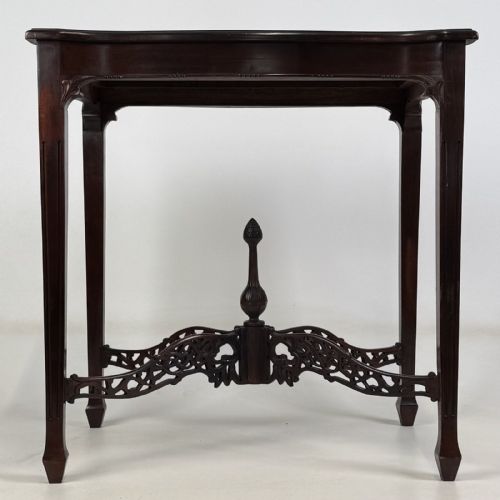
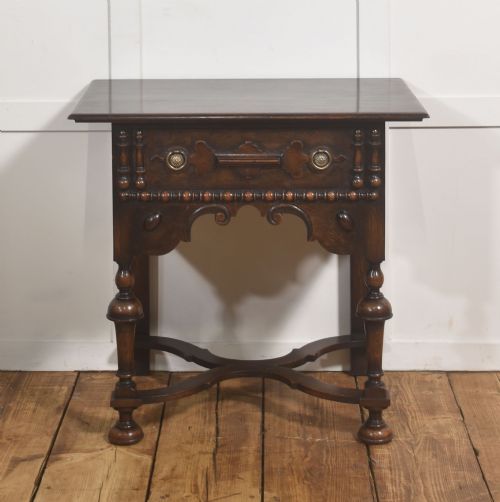
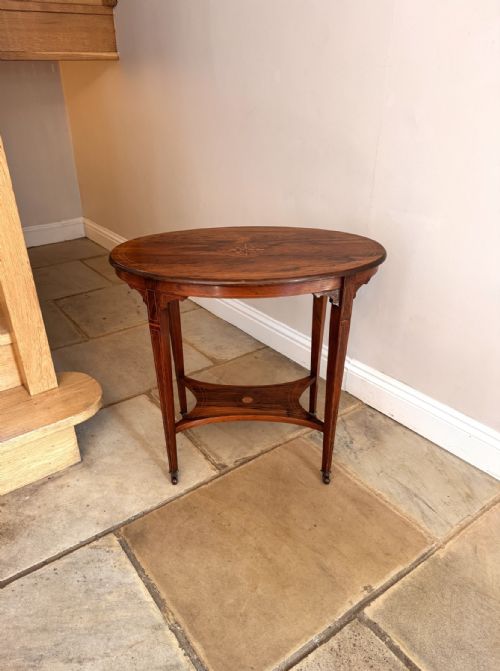
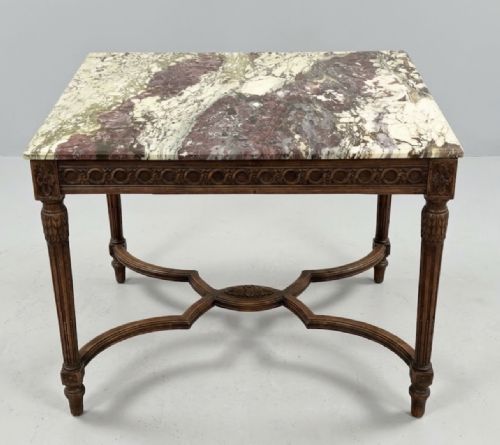
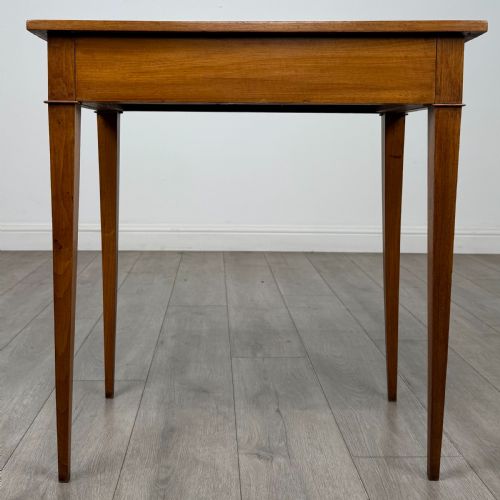
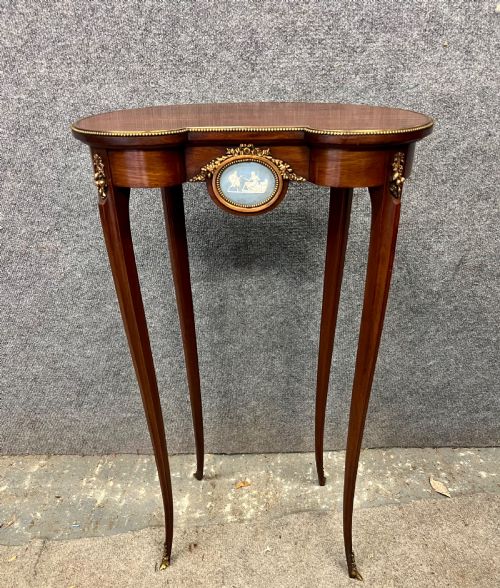
These vintage wood accent table pieces range from Edwardian occasional surfaces to nineteenth century marble topped designs, bringing practical timber charm to any interior.
Vintage Wood Accent Table
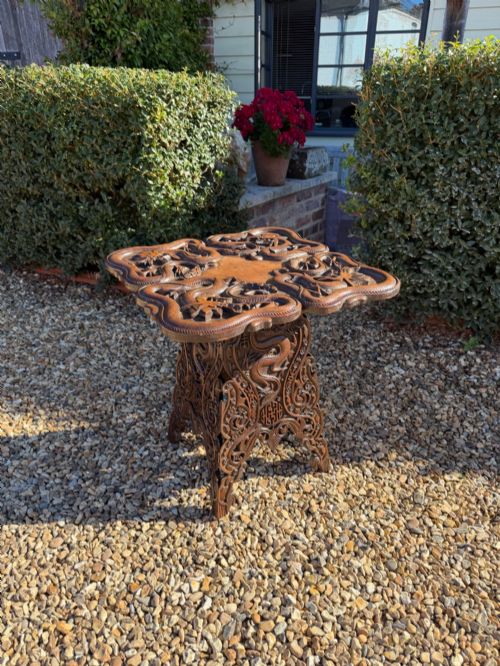
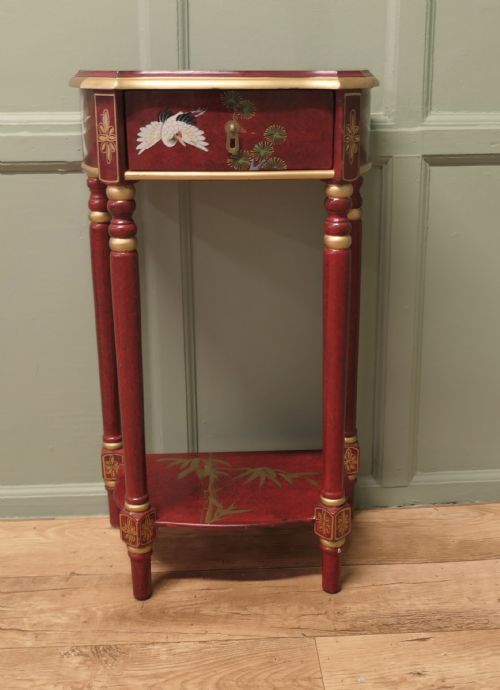
The selection includes specific regional and stylistic variants like Kashmiri walnut tables, Campaign style folding pieces, and Chinoiserie lacquer designs. Side tables and occasional tables dominate the offerings, often featuring practical additions such as drawers, drop leaves, or tiered surfaces.
Origins stretch across British revival styles, French influences, and Anglo-Indian craftsmanship, spanning periods from the Victorian era through the early twentieth century. These small tables adapt easily to modern rooms while retaining the distinct character of their original eras.
How they were made
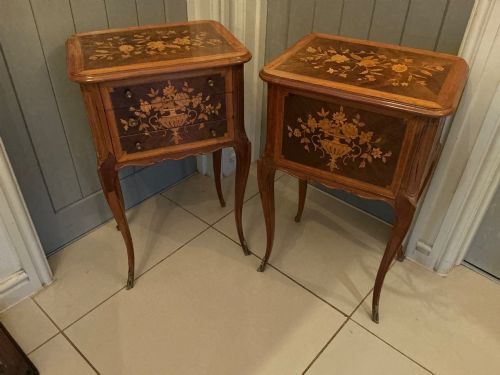
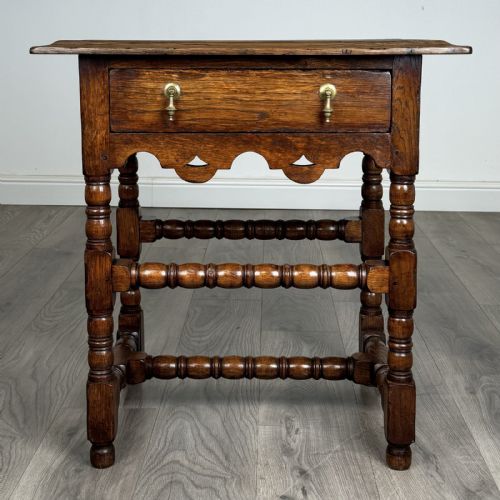
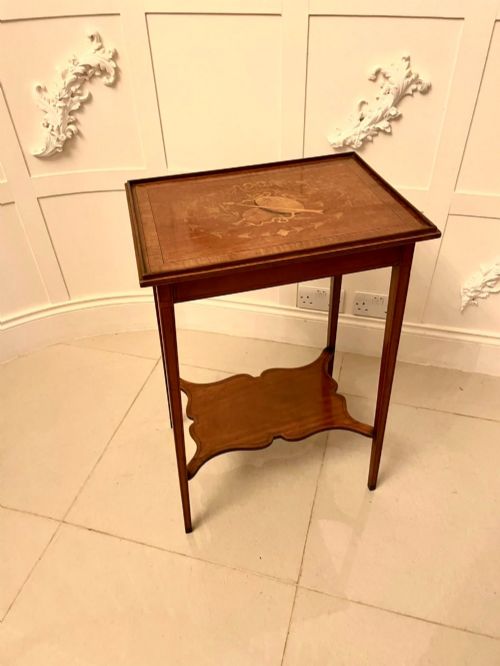
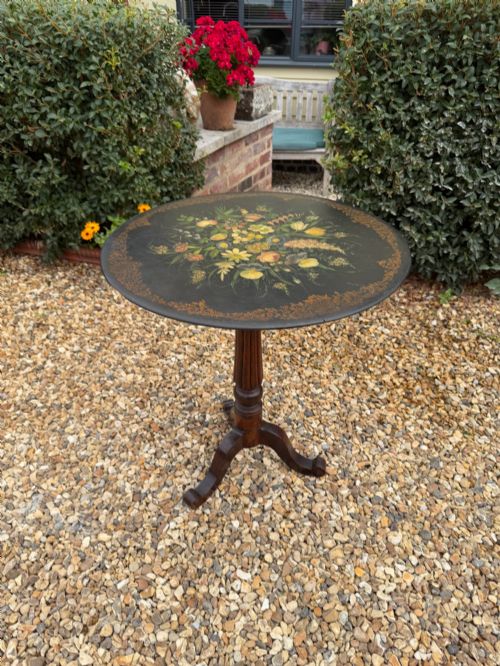
Cabinetmakers utilised solid timbers and veneers including mahogany, oak, walnut, satinwood, and yew, often shaping them with turned legs, barley twists, or bobbin turning. Surfaces frequently received marquetry inlay, painted floral decoration, or hand-applied lacquer in ochre and red finishes.
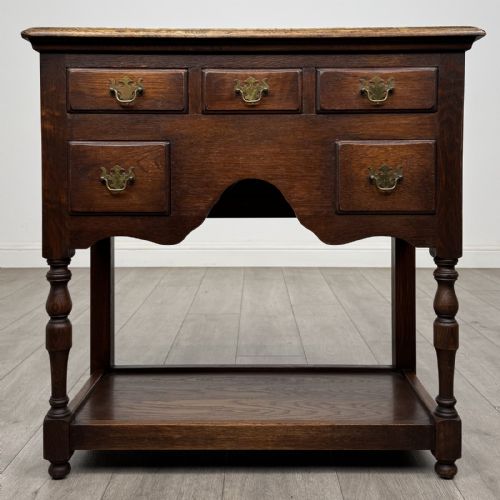
Many tables incorporate functional hardware and structural elements in brass, alongside inset stone surfaces such as slate and marble. Construction methods combined traditional joinery with drop leaves, folding campaign mechanisms, and sliding drawers.
Gipsy tables bring nomadic charm indoors, serving tea on spindly folding legs that fold away when the fortune-telling finishes.
What varies in quality
Quality rests upon the selection of timber, the crispness of carved details like barley twists or bobbin legs, and the precision of marquetry inlay. Superior examples display balanced proportions and refined secondary woods, whereas simpler utilitarian pieces rely on straightforward construction.
The integration of specialist materials, such as finely figured walnut, imported marble tops, or hand-painted lacquer work, distinguishes standard production from finer workshop output. Original hardware and sound structural integrity further define the standing of each piece.
The Vintage Wood Accent Table Glossary
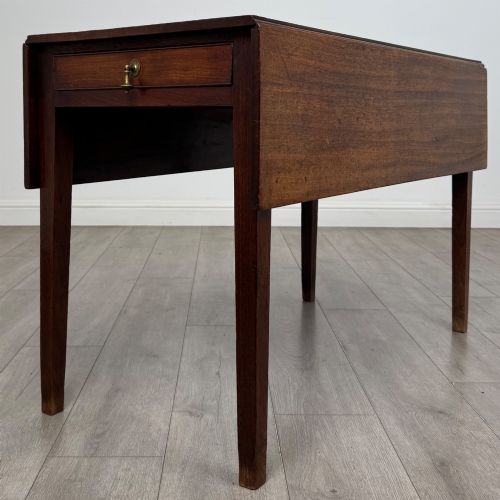
- Pembroke table
- A small table with hinged drop leaves on two opposing sides, often fitted with a drawer. It developed during the eighteenth century and remained popular through the Victorian period.
- Wine table
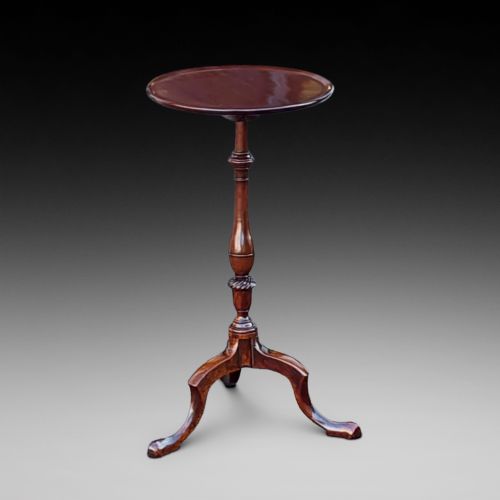
- A small circular occasional table designed to hold a single glass or bottle, typically raised on a slender pillar and tripod base.
- Marquetry
- The art of applying decorative veneer pieces in wood, metal, or shell to a structure to form geometric or floral patterns.
- Barley twist
- A turning technique producing a spiral column resembling a twisted rope, common on seventeenth-century furniture and revived in Edwardian pieces.
- Occasional table
- A general term for a small, moveable table used intermittently for drinks, books, or lamps in a sitting room.
Vintage Wood Accent Table: Frequently Asked Questions
What is a wine table used for?
A wine table provides a compact surface traditionally intended for holding a glass or bottle near a seating area. These small tables fit easily beside armchairs or sofas.
Today, they function as convenient spots for reading glasses, cups, or decorative small objects without occupying much floor space.
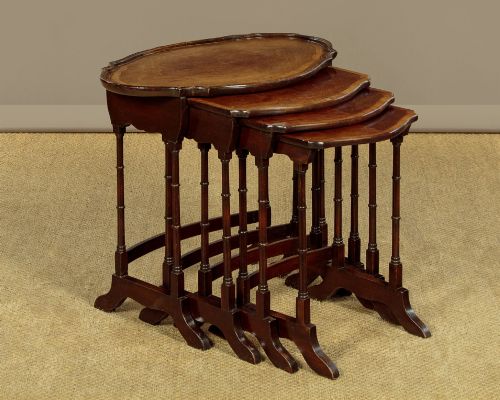
How do I style a nest of tables?
A nest of tables can be stacked together to save space or separated around a room when hosting guests. They offer versatile surface areas that adapt to changing daily needs.
Place the largest table centrally and scatter the smaller tiers across the room to create a cohesive look using matching timber tones.
Are marble topped tables heavy?
Marble and slate topped tables carry significant weight due to the density of the stone slab inset into the wooden frame. This weight provides natural stability to smaller occasional designs.
When moving these pieces, lift them carefully from the wooden apron rather than pulling by the top surface or legs alone.
What distinguishes an Edwardian side table?
Edwardian side tables frequently feature lighter timbers like satinwood and mahogany, often enhanced with delicate stringing or painted floral decorations. Their proportions tend to be slender and refined compared to heavier Victorian predecessors.
Cabinetmakers of this period also drew inspiration from Georgian and Chinoiserie styles, producing diverse forms with tapered legs or galleried edges.