




Vintage Wine Chest
A vintage wine chest is a heavy timber receptacle designed for holding bottles, which collectors seek for serious storage and period presence.

Vintage Wine Chest
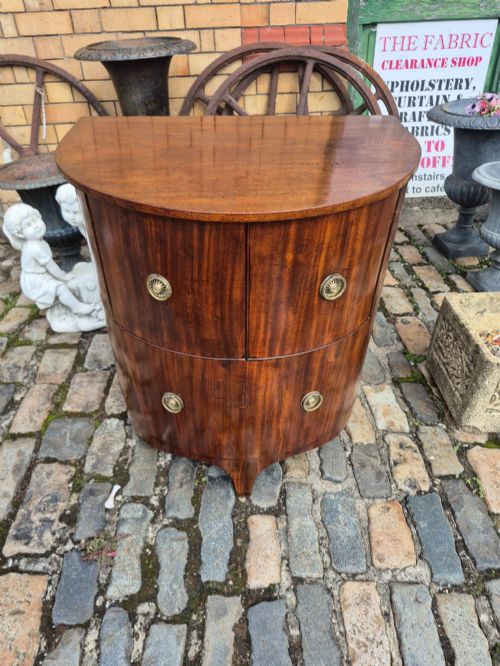
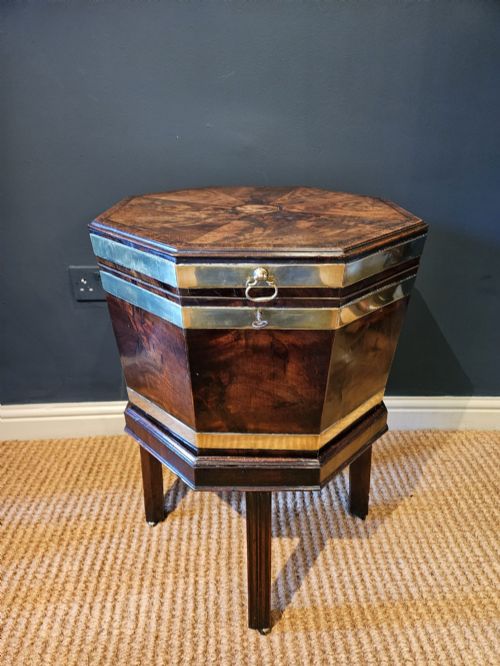
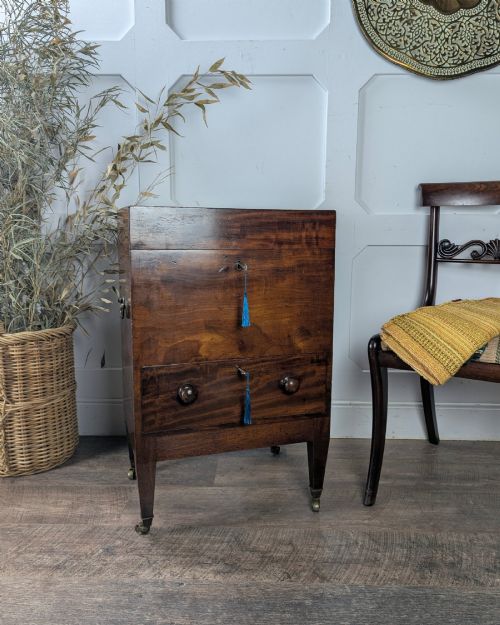
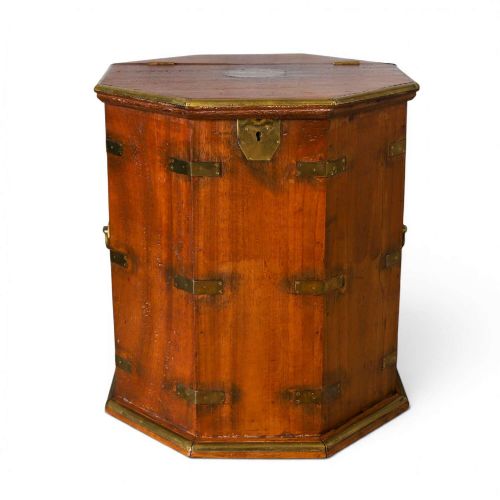
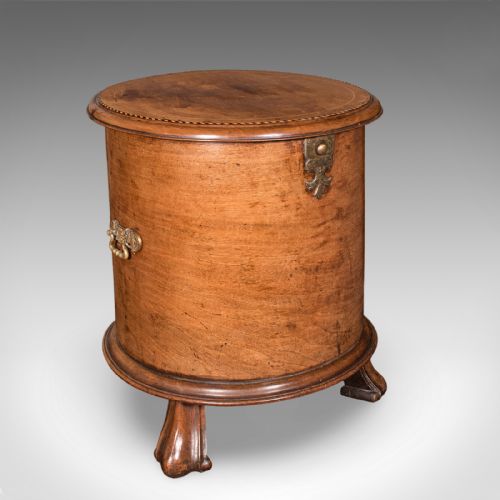
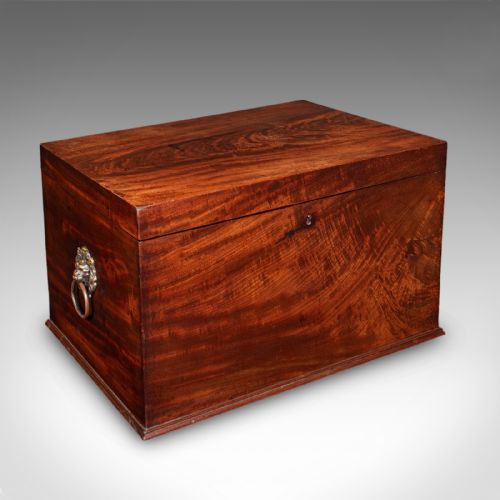
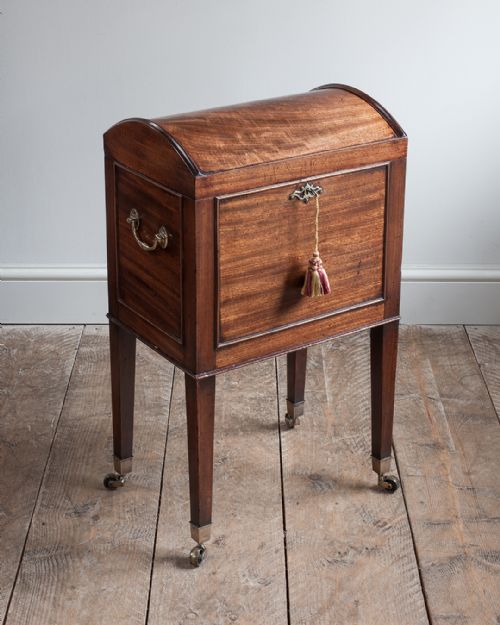
When you examine a vintage wine chest on this page, you encounter sturdy mahogany cellarettes, wine coolers, and trunk-like storage boxes intended to keep bottles secure and cool. These pieces span from the mid-eighteenth century through the Georgian, Regency, and Victorian eras into the early twentieth century.
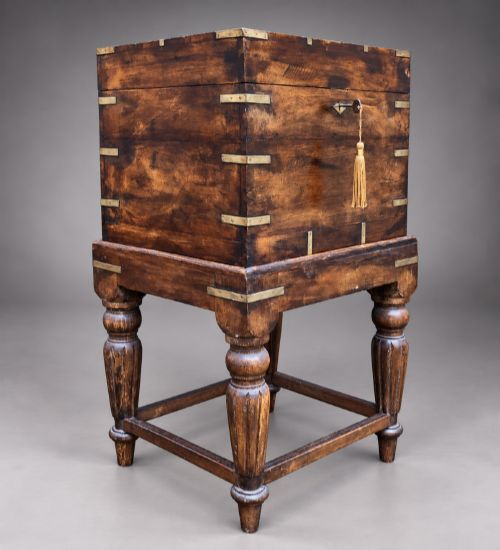
The version you meet most often is constructed from rich mahogany, frequently shaped as a sarcophagus or an oval box, standing either on its own feet or mounted upon a dedicated stand.
Makers often drew upon regional styles, producing Anglo-Indian padouk examples alongside traditional British designs. You also discover occasional variants in walnut, satinwood, teak, and rosewood.
What Varies in Quality
The distinction between ordinary storage boxes and exceptional examples rests on the choice of timber and the precision of the cabinet work. Heavily figured grains and harmonious veneer matching elevate a piece significantly.
The integrity of the original mounts, brass banding, and interior bottle partitions dictates whether a chest retains its structural coherence and historical utility. Skill in carving and subtlety of inlay further separate standard production from master craftsmanship.
Materials span traditional mahogany and walnut alongside exotic padouk and teak.
Gillingtons·Freemans of Norwich·Incorporall
The Vintage Wine Chest Glossary
- Cellarette
- A lockable cabinet or chest designed specifically for holding wine bottles near the dining table. They frequently include internal divisions to keep bottles separated.
- Sarcophagus
- A monumental chest form with a sloping lid, popular during the Regency period. This shape draws inspiration from ancient stone coffins but is adapted for domestic dining rooms.
- Padouk
- A dense tropical hardwood with a reddish hue used in Anglo-Indian furniture production. It offers exceptional durability and a striking natural grain.
- Satinwood
- A luminous timber native to India and Ceylon, prized for its pale yellow colour and chatoyant grain. Cabinet makers utilised it for contrasting banding and inlay work.
- Brass bound
- The reinforcement of wooden edges and corners with heavy brass strips and brackets. This technique provides structural strength and a distinct nautical aesthetic.
Vintage Wine Chest: Frequently Asked Questions
What is a vintage wine chest used for?
These chests served historically to store and cool wine bottles near the dining table before refrigeration became common.
Today, collectors utilise them for secure bottle storage or as statement furniture pieces in living spaces.
How do I date a wine chest?
Dating relies upon identifying stylistic markers, timber choices, and construction techniques associated with periods like the Georgian or Regency eras.
Examining the hinges, handles, and internal divisions also provides clear clues to the manufacturing decade.
Can I use these for modern wine bottles?
Many historical chests feature internal divisions sized for older bottle dimensions, which can vary from modern glass formats.
Checking the interior layout ensures your preferred bottles fit comfortably inside the storage compartments.
Where should I place a wine chest at home?
These substantial chests function well as standalone side tables, drinks cabinets, or decorative storage trunks in dining rooms and studies.
Keeping them away from direct heat sources protects the antique timber and veneer from drying out.