




Vintage Wine Carrier
These vintage wine carrier examples are practical vessels spanning the eighteenth century to the twentieth, designed to move bottles safely from cellar to table.
Vintage Wine Carrier
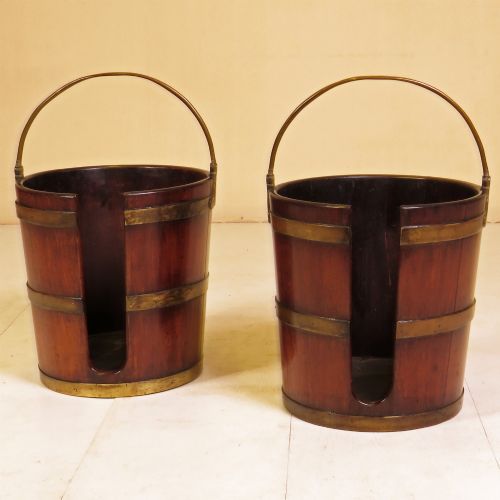
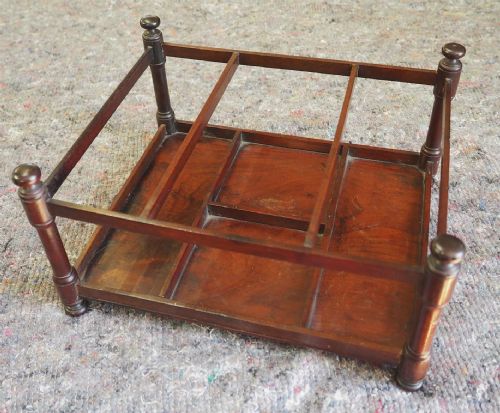
When you search for a vintage wine carrier, you encounter forms ranging from Georgian mahogany bottle holders and plate buckets to nineteenth-century French grape hottes and silver-plated twin holders.
The selection here includes sturdy wood, brass, and plated metal constructions designed for holding single bottles, pairs, or multiple decanters.
Earlier pieces originate from the Georgian and Regency periods, while later nineteenth and early twentieth-century examples bring varied industrial and domestic utility.
Materials and construction methods
Makers utilised dense timbers like mahogany alongside brass and iron hardware, combining wood joinery with metal reinforcement to ensure durability during transport.
Silver plate finishes applied over base metals provide decorative sheen to Victorian and Edwardian examples, while rural pieces utilise sheet metal and painted surfaces.
Treen construction and box-making techniques shape the older presentation cases and bottle holders found in this collection.
Vintage Wine Carrier Retail Price Guide 2026
Typical asking prices for vintage wine carrier among the pieces listed under this phrase on Sellingantiques today, from the lower quarter to the upper quarter. They describe what is for sale here now, not the wider market.
Periods represented on this page range from the eighteenth century through Regency, Victorian, and Edwardian eras up to nineteen twenty.
Assessing quality in a vintage wine carrier
Quality rests in the integrity of the materials, from richly figured mahogany timber to substantial brass fittings and even silver plating thickness.
The sophistication of the joinery and the retention of original hardware distinguish utilitarian field items like grape hods from formal dining room decanter stands and presentation boxes.
The Vintage Wine Carrier Glossary
- Hotter
- A traditional harvesting basket or hod used in vineyards for gathering grapes. These French carrier items often feature carrying straps for field use.
- Treen
- Small handmade wooden domestic objects. These items display traditional carpentry and turning skills from earlier centuries.
- Plate bucket
- A deep cylindrical container traditionally used for transporting or storing ceramic or metal plates. Examples from the eighteenth century appear in mahogany.
- Presentation case
- A fitted box designed to safely enclose bottles such as champagne magnums. These cases often date from the Regency era and feature secure closures.
Vintage Wine Carrier: Frequently Asked Questions
What is a vintage wine carrier?
A vintage wine carrier is a historical vessel or box designed to transport bottles safely from one location to another. These objects range from dining room decanter holders to agricultural grape hods.
Materials include mahogany, brass, iron, and silver plate, reflecting both domestic dining customs and rural harvesting practices across several centuries.
How were bottle holders used?
Bottle holders served to move multiple wine bottles or decanters from a cellar to a dining table without breakage. Domestic pieces kept bottles upright during service.
In contrast, agricultural carriers like grape hottes were worn or carried during the harvest to collect fruit in the vineyard before processing.
How do I date a carrier?
Dating relies on stylistic markers, construction techniques, and materials associated with specific periods such as the Georgian era or the Regency style. Mahogany and specific joinery point to the eighteenth century.
Later nineteenth and twentieth-century pieces often incorporate silver plating, brass details, or sheet metal reflecting industrial manufacturing shifts of those decades.
How do I live with them?
These pieces integrate easily into modern interiors as decorative display objects or functional storage for current wine collections. Wooden holders and presentation boxes add texture to a room.
Placed on sideboards or floors, they repurpose historical craftsmanship for contemporary bottle organisation.