






Vintage Wine Box
A vintage wine box functions as a robust period container designed to keep bottles cool or stored securely in the dining room.
Vintage Wine Box
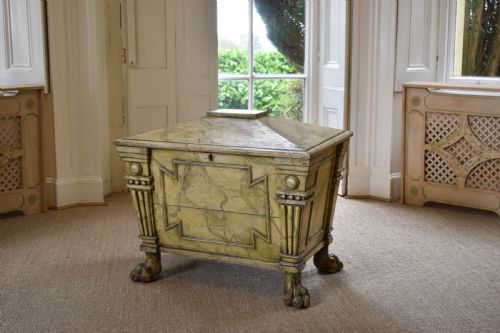
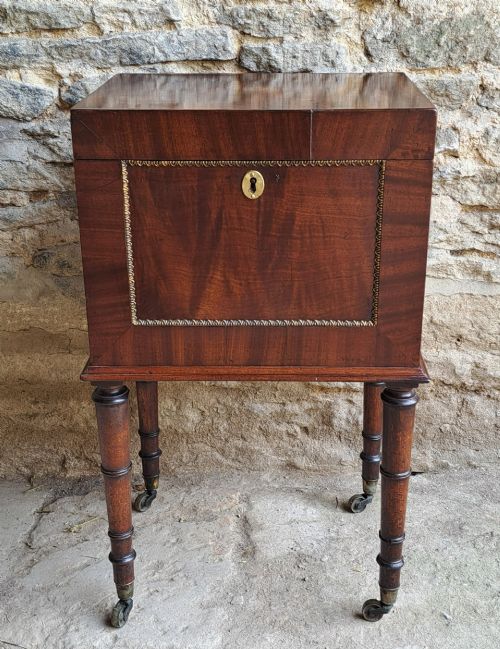
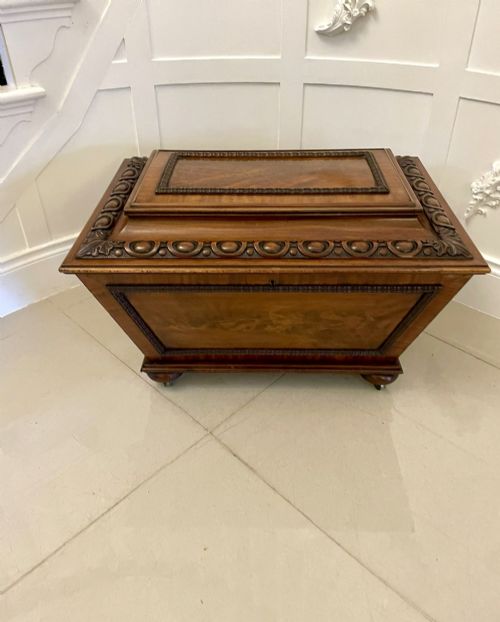
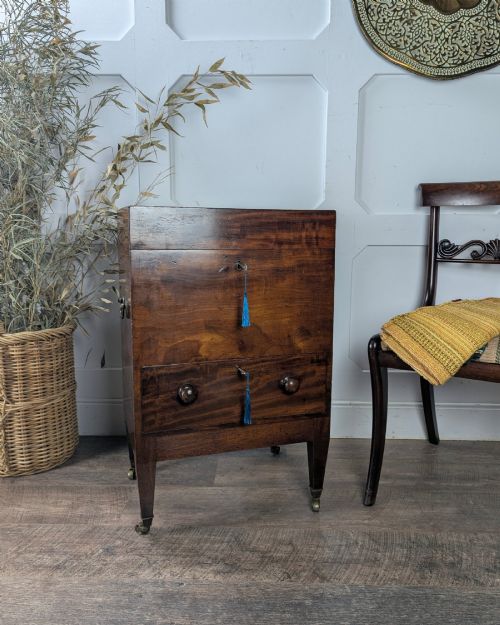
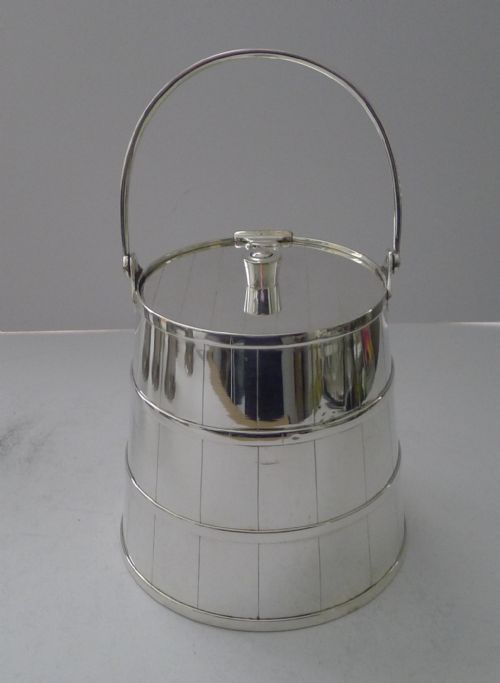
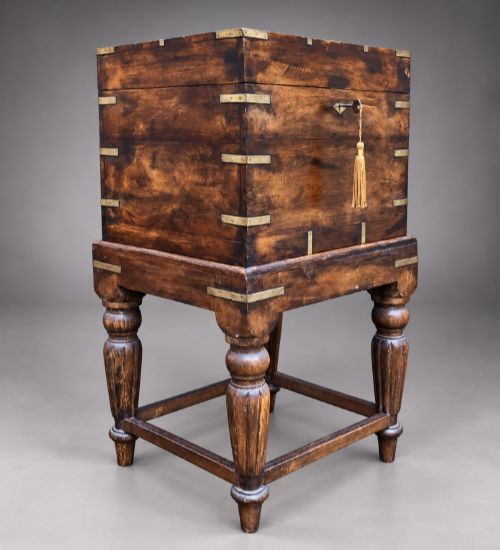
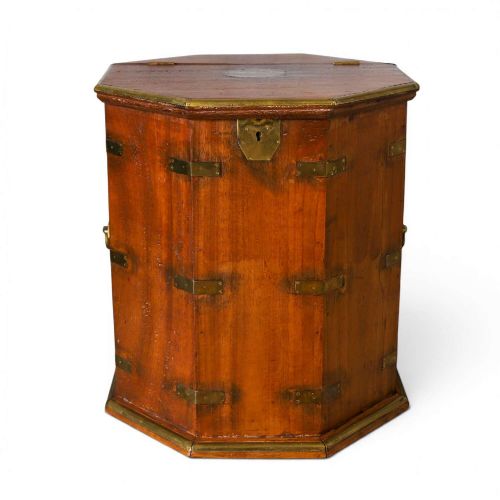
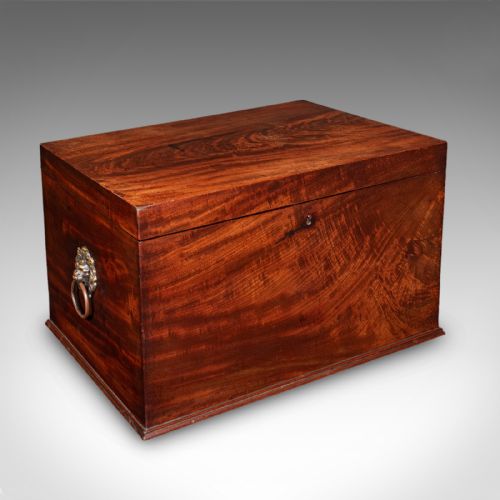
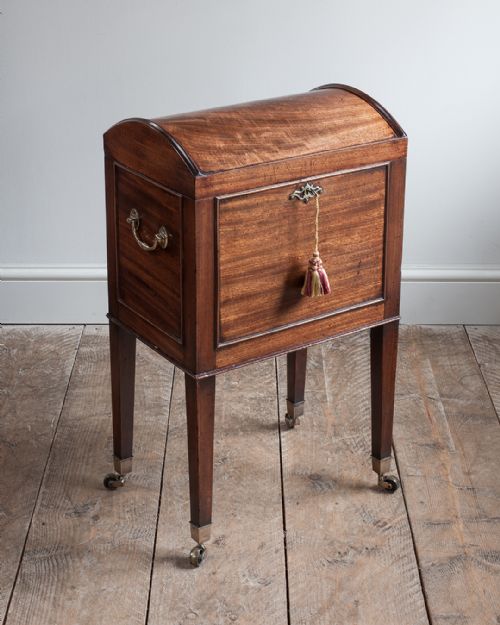
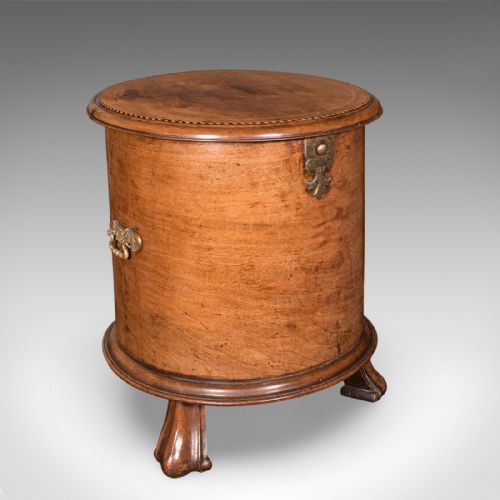
When buyers search for a vintage wine box, they typically encounter substantial mahogany cellarettes, wine coolers, and storage chests dating from the Georgian, Regency, and Victorian eras. These containers served the dining room by holding bottles close to the table before household refrigeration became common. The forms range from sarcophagus-shaped boxes on feet to campaign chests and stands.
Materials and construction methods
Cabinetmakers relied primarily on dense hardwoods like mahogany, satinwood, and walnut to build these sturdy storage boxes. Timber selection ensured the heavy weight of glass bottles and ice could be supported safely during movement around large dining spaces. Many examples incorporate figured veneers or intricate inlay work to display the natural grain of the wood.
Metal mounts provide both structural reinforcement and decorative contrast against the dark timber. Brass bands, carrying handles, repoussé accents, and lion-mask rings appear frequently on the corners and sides of these pieces. Interiors often utilised lead linings, wooden dividers, or metal inserts to manage melting ice and leaking fluids.
Vintage Wine Box Retail Price Guide 2026
Typical asking prices for vintage wine box among the pieces listed under this phrase on Sellingantiques today, from the lower quarter to the upper quarter. They describe what is for sale here now, not the wider market.
Collectors can find a carved wooden nutmeg grater shaped exactly like a wine bottle from the nineteenth century.
Judging the quality of a vintage wine box
Quality rests heavily on the integrity of the timber, the precision of the joinery, and the retention of original interior elements. Superior examples display carefully matched wood grains, tight dovetail joints, and robust brass fittings that have aged naturally together. Pieces that retain their original lead linings, bottle dividers, or stands command greater interest among collectors.
Design ambition and regional craftsmanship also separate standard utility boxes from high-status dining furniture. Elaborate carved details, figural brass mounts, and sophisticated sarcophagus or pedestal forms reflect the skill of specialist workshops. Simpler vernacular boxes provide functional storage while lacking the sculptural presence of pieces made for grand houses.
Gillingtons·Freemans of Norwich
The Vintage Wine Box Glossary
- Cellarette
- A lockable container or chest designed to hold wine bottles near the dining table. They frequently include internal compartments and metal linings.
- Sarcophagus
- A box shape featuring a domed lid and tapering sides, popular for large Regency and Georgian wine coolers. This classical form mimics ancient stone tombs.
- Repoussé
- A metalworking technique where patterns are hammered into relief from the reverse side. This decorative method appears on brass planters and mounts.
- Treen
- Small handmade wooden objects produced for daily domestic utility. Examples include turned nutmeg graters and small containers.
- Campaign chest
- A modular storage box made in sections with recessed brass handles for military transport. These pieces were built for travel during the eighteenth and nineteenth centuries.
Vintage Wine Box: Frequently Asked Questions
What is a cellarette?
A cellarette is a specialised wooden box or chest used in dining rooms during the eighteenth and nineteenth centuries to store wine bottles. They were kept near the table to allow hosts easy access without visiting the cellar.
Many examples feature internal wooden dividers and metal or lead linings designed to hold ice and water for chilling bottles. Over time, the designs evolved from simple floor chests to elaborate pieces on stands or carved pedestals.
How were these boxes used?
These containers held wine, spirits, and champagne bottles safely during formal dining occasions. Servants would load the interior with ice to keep white wines or claret chilled before serving to guests.
Some smaller boxes functioned as presentation cases or portable carriers for travel. Their robust construction and lockable lids ensured that valuable contents remained secure in large country houses.
How should I live with one?
A vintage wine box works well as a coffee table, a side cabinet, or a decorative storage chest in a living room or study. Their deep interiors make them practical for holding blankets, books, or modern bottles.
Keep wooden surfaces away from direct sunlight and excessive heat sources to protect the polished finish and prevent timber splitting. Regular dusting and occasional wax application will maintain the natural lustre of the mahogany or satinwood.