


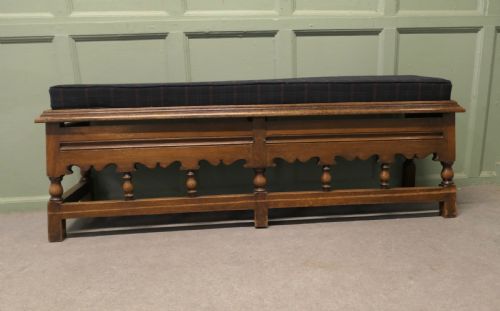
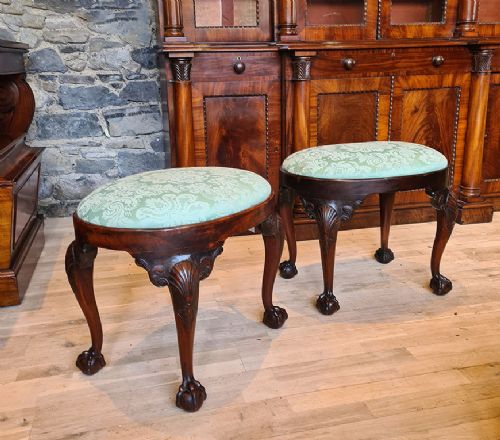


Vintage Window Seat Bench
A vintage window seat bench offers a practical perch for a bay or hall, combining sturdy timber frames with textiles.
Vintage Window Seat Bench
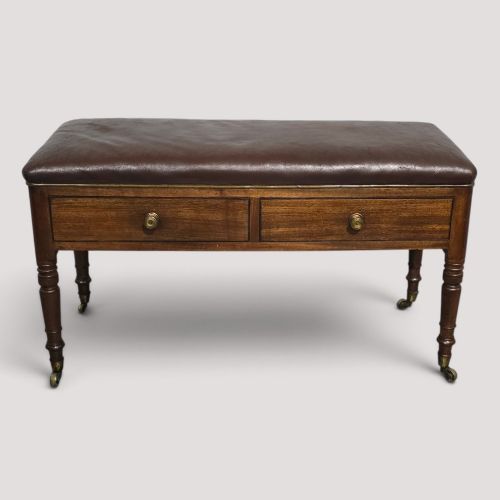
A vintage window seat bench bridges the gap between seating and architecture, designed specifically to sit low beneath sills or fill narrow hall spaces. These pieces encompass various forms including long stools, duet piano stools, and small settees originating from the nineteenth and early twentieth centuries.
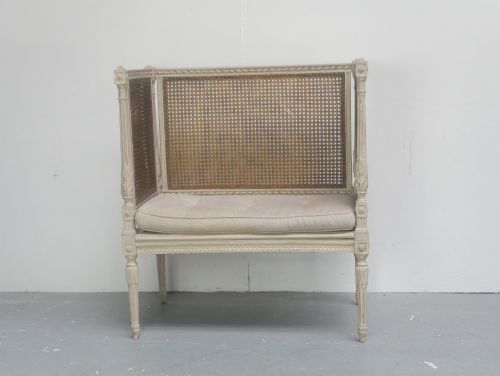
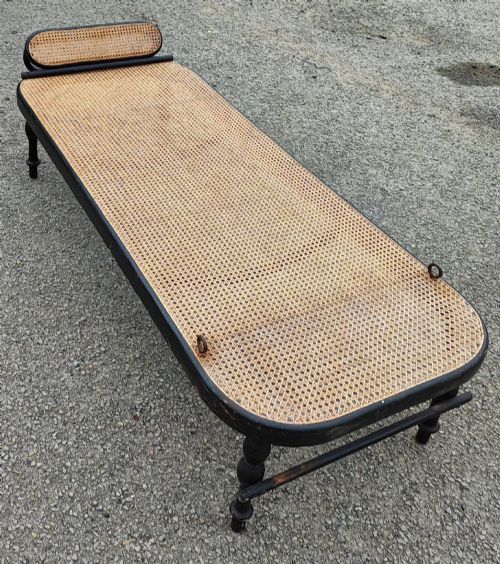
The selections encountered here most frequently date from the Edwardian period and the broader nineteenth century, constructed in forms ranging from simple upholstered footstools to framed daybeds and caned banquettes. Makers of the era adapted classical English and French silhouettes for domestic comfort, resulting in seating that accommodates both formal rooms and informal country houses.
Beyond standard bench formats, the inventory includes specialised items such as hall boot stores, storage ottomans, and chair-back end-of-bed seats. These functional variations demonstrate how nineteenth and twentieth-century makers tailored low seating for specific domestic tasks without sacrificing decorative presence.
Materials and construction
Timber frames form the backbone of these pieces, utilising dense hardwoods such as mahogany, walnut, oak, and beech alongside painted pine and ebonised finishes. Joinery traditions of the nineteenth and early twentieth centuries ensure structural integrity through substantial frame construction, often enhanced by decorative carving or subtle mahogany inlay.
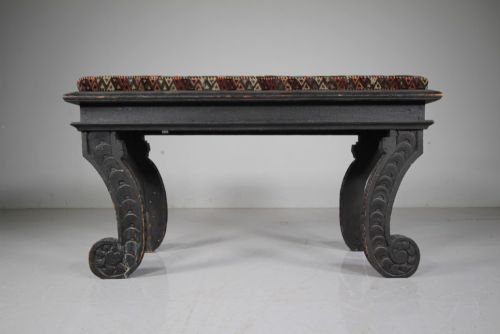
Upholstery and secondary materials define the seating surface, incorporating leather, velvet, kilim, tapestry, and tweed alongside woven cane work. Brass details occasionally appear as fittings or castors, while traditional stuffing and textile coverings provide the tactile finish essential to period seating.
One particularly imaginative maker incorporated carved elephants into the woodwork of an unusual nineteenth-century hall bench.
Assessing quality and execution
The distinction between standard commercial production and finer work lies in the execution of the timber frame and the sophistication of the joinery. Superior pieces display crisp hand-carved detailing, well-figured mahogany or walnut veneers, and robust internal framing that withstands regular domestic use.
Material selection for the seating surface also dictates grade, separating basic utilitarian fabric covers from high-grade leather, antique kilim, or finely woven cane panels. The integration of functional elements, such as smoothly operating storage compartments or inlaid stringing, further elevates the standing of a piece.
Hallett & Sons·Morris & Co.
The Vintage Window Seat Bench Glossary
- Duet stool
- A wide seat designed to accommodate two people simultaneously, frequently associated with piano playing or shared dressing tables.
- Canework
- A seating surface or panel woven from split rattan cane, offering a light and flexible support popular in French and Edwardian designs.
- Ebonised
- Timber treated with a dark finish to imitate expensive ebony, a technique common on nineteenth-century aesthetic and revival furniture.
- Banquette
- An upholstered bench or long seat, often possessing French stylistic origins and slender carved legs.
- Kilim
- A flat-woven carpet or textile utilised as a durable and decorative upholstery material on nineteenth-century footstools and benches.
Vintage Window Seat Bench: Frequently Asked Questions
Where should I place a vintage window seat bench?
These low benches fit naturally beneath bay windows, at the foot of a bed, or along narrow hallway walls where deep seating would obstruct movement.
Their compact proportions also suit dressing rooms and landings, providing a convenient surface for resting or brief seating.
How do I distinguish Edwardian pieces from nineteenth-century ones?
Edwardian examples often feature lighter mahogany frames, delicate inlay work, and simpler revival styles dating around nineteen hundred.
Nineteenth-century pieces tend to display heavier timber construction, ebonised finishes, or more robust Regency and Victorian decorative vocabularies.
Can I use a piano stool as a window seat?
Duet and piano stools share identical dimensions and sturdy timber frames with short window benches, making them interchangeable in domestic settings.
Their padded or upholstered tops provide the same comfortable perch required for low-sill placements.
How do I care for cane panels on antique seating?
Cane requires gentle dusting and occasional light moisture to prevent the natural plant fibres from becoming brittle over time.
Avoid placing caned benches directly against heat sources or in overly dry environments to maintain the tension of the weave.