






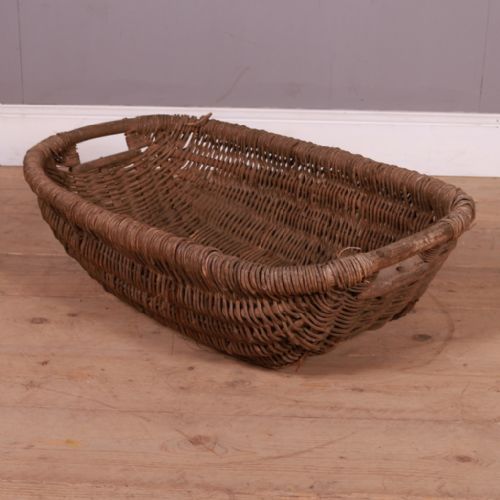
Vintage Wicker Basket
These vintage wicker basket examples combine utility and texture, offering practical storage and rustic charm for any interior.
Vintage Wicker Basket
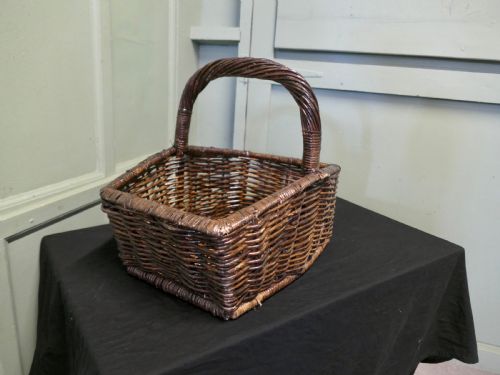
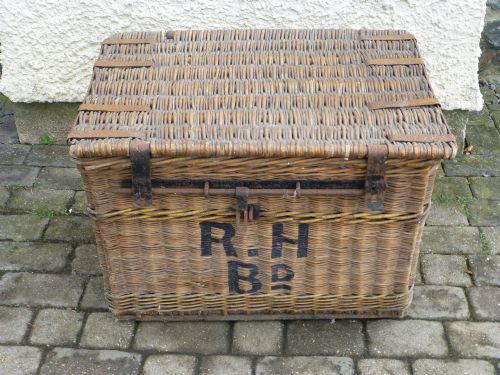
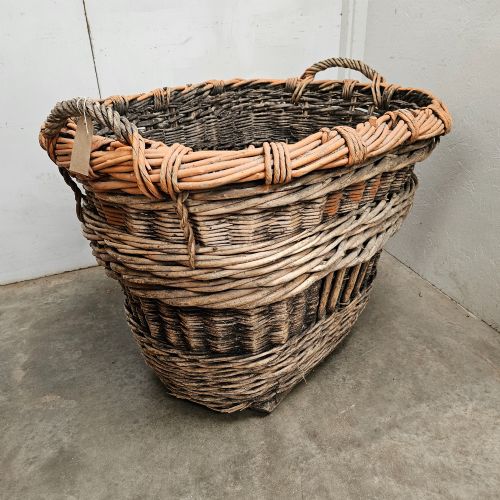
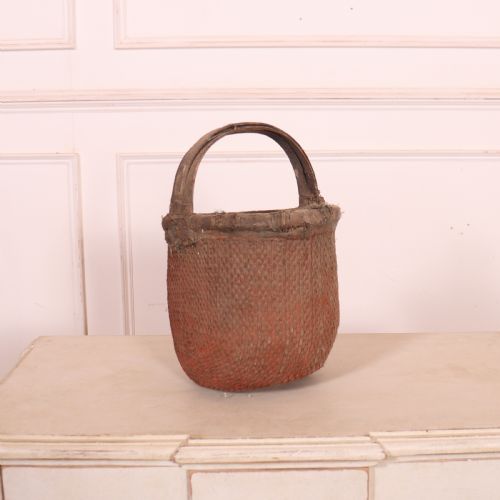
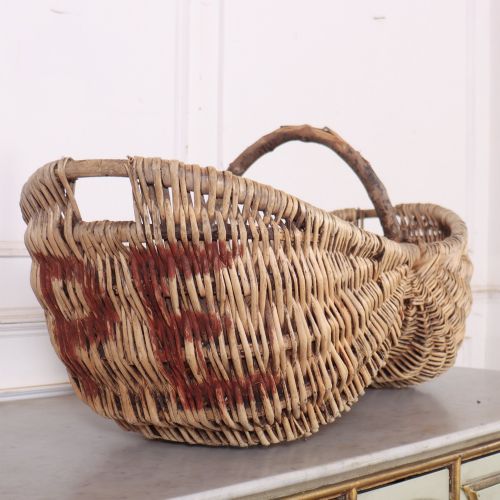
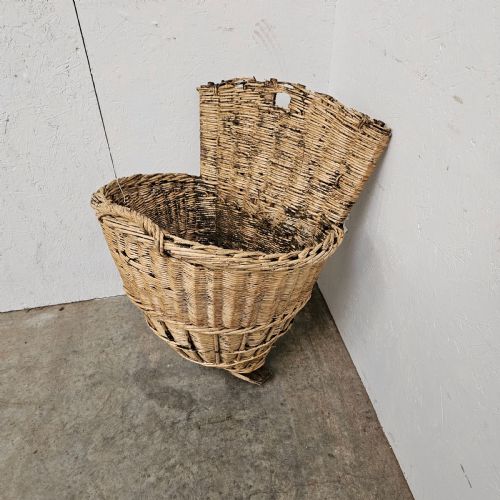
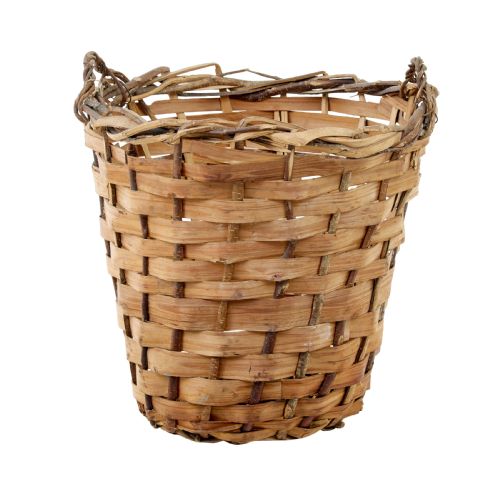
A vintage wicker basket encompasses everything from heavy industrial log carriers and travelling trunks to agricultural harvest hods and market carriers. You encounter French grape pickers hots alongside English painted woven designs and large mill baskets.
The selection ranges from nineteenth-century utility pieces to twentieth-century domestic receptacles. Agricultural and utilitarian forms dominate the offerings, reflecting practical origins in vineyards and markets.
Buyers seek these objects for their robust construction and tactile presence in modern rooms. They function effectively as coffee tables, storage trunks, and decorative receptacles.
Materials and construction
Construction relies primarily on natural plant materials such as willow, cane, and wicker, sometimes combined with wood and iron reinforcement for heavy loads. These flexible organic strands are woven tightly to create rigid, enduring walls.
Industrial and agricultural variants often incorporate sturdy wooden framing and iron hardware to withstand heavy hauling in fields and mills. Domestic examples rely on lighter cane and woven willow for portability.
Vintage Wicker Basket Retail Price Guide 2026
Typical asking prices for vintage wicker basket among the pieces listed under this phrase on Sellingantiques today, from the lower quarter to the upper quarter. They describe what is for sale here now, not the wider market.
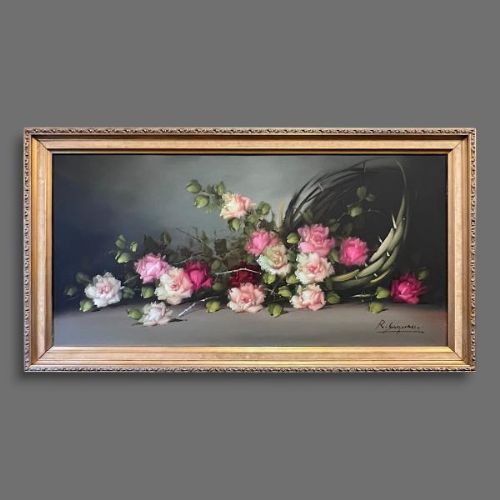
Listings span from the eighteenth century to the mid-twentieth century, featuring willow, cane, wood, iron, and oil on canvas.
Assessing quality and integrity
Quality rests upon the tightness of the weave and the structural integrity of the natural materials used. Denser, uniform weaving indicates superior craftsmanship designed for heavy agricultural or industrial service.
Wear patterns reveal the history of the object, where honest ageing of the willow or cane adds character without compromising the strength of the piece. Substantial framing and intact handles distinguish utilitarian workhorses from lighter decorative items.
The Vintage Wicker Basket Glossary
- Wicker
- A technique of weaving pliable plant materials into rigid objects rather than a specific material itself. Willow, rattan, reed, and cane frequently serve this purpose.
- Hod
- A traditional carrying basket, often seen in French agricultural contexts for gathering grapes. These deep receptacles feature distinct shapes suited for mounting on the back or hip during harvest.
- Cane
- The peeled, slender stems of rattan palms used extensively for weaving baskets and furniture. It offers high tensile strength and flexibility.
- Willow
- The flexible shoots of the willow tree employed widely in basketry. It provides the foundational material for many traditional woven receptacles.
Vintage Wicker Basket: Frequently Asked Questions
How do I clean a wicker basket?
Dust regularly using a soft brush or a vacuum attachment to remove particles lodged between the woven strands. Avoid excessive moisture, wiping gently with a barely damp cloth if deeper cleaning is required.
Ensure the material dries completely in a well-ventilated space to prevent warping or mildew growth.
Can I use these baskets outdoors?
Most vintage wicker pieces were designed for indoor utility, agricultural work, or sheltered transport rather than permanent outdoor exposure. Leaving them in damp conditions accelerates the degradation of natural willow and cane.
Keep them inside or on covered porches to preserve the integrity of the woven fibres.
What were grape hods used for?
Grape hods, or hottes, served French agricultural workers during the wine harvest by holding freshly picked grapes. Their specific shapes allowed harvesters to carry substantial weight comfortably while moving through vineyards.
Today, these agricultural relics function well as sculptural floor pieces or tall storage containers.
How are industrial baskets different?
Industrial baskets, such as mill baskets and heavy trunks, were built on a much larger scale for factory or transport use. They frequently incorporate thicker cane, wooden skids, and iron fixings to handle heavy loads.
These robust traits make them suitable for modern use as coffee tables or blanket chests.