




Vintage White Commode
A vintage white commode brings painted charm and practical storage to a room, drawing on French provincial styles and nineteenth-century forms.
Vintage White Commode
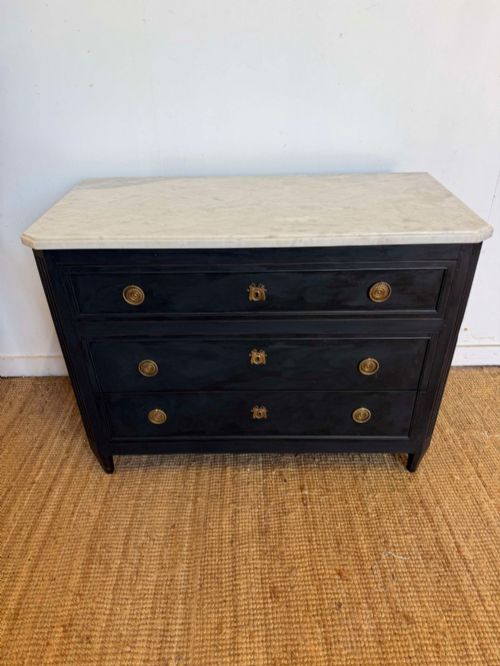
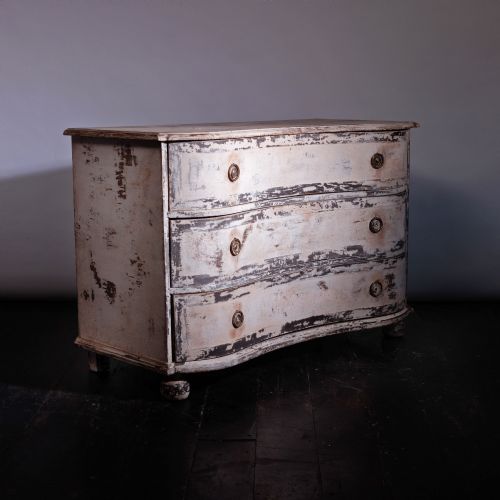
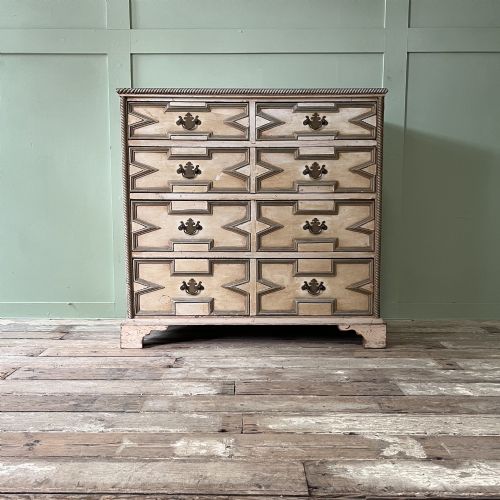
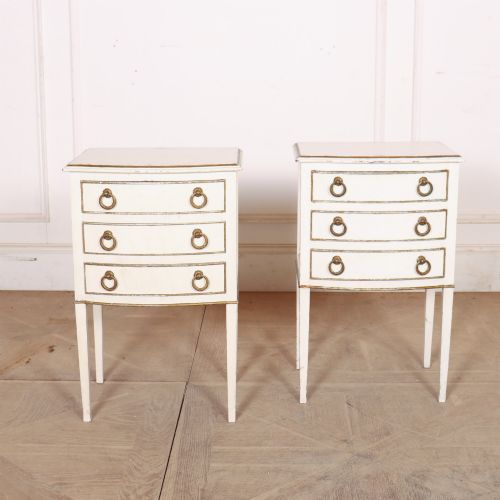
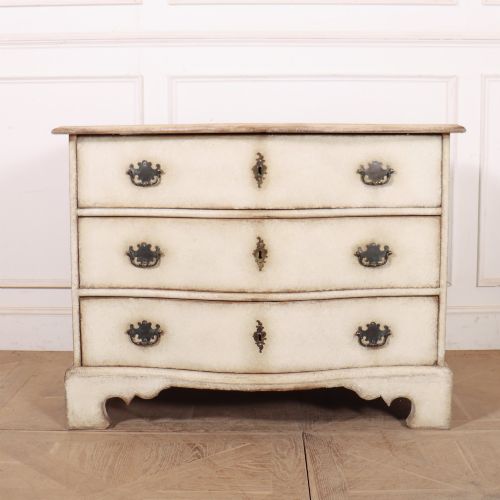
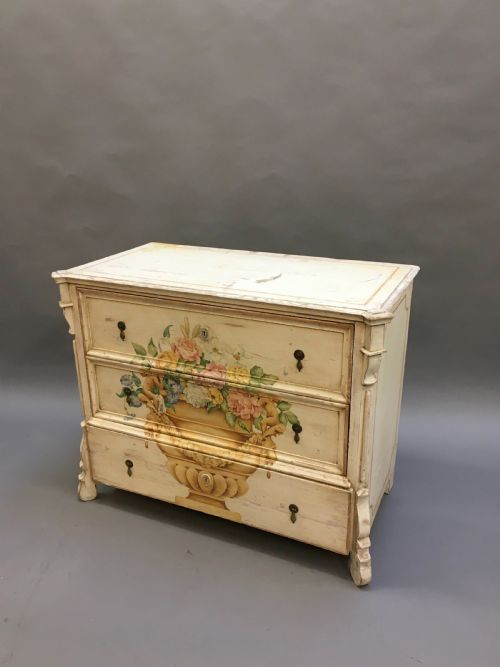
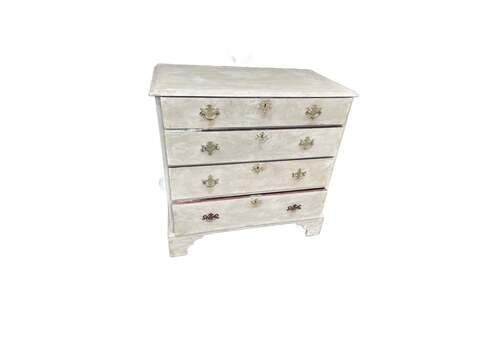
When you search for a vintage white commode, you encounter a range of painted chests of drawers, washstands, and bedside tables spanning from the eighteenth century to the early twentieth century. The version you are most likely to meet on this page is a French painted serpentine commode or an English painted pine chest of drawers.
These pieces encompass diverse regional traditions including French Chateau, Louis XV and XVI styles, German rococo, and Scandinavian country forms. Makers such as Edwards and Roberts and Sir Clough Williams-Ellis appear alongside unmarked continental workshops.
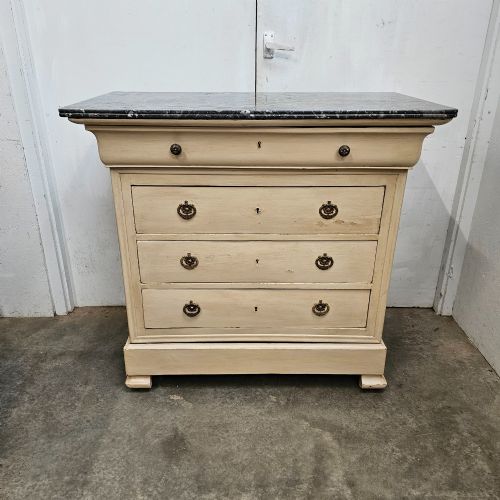
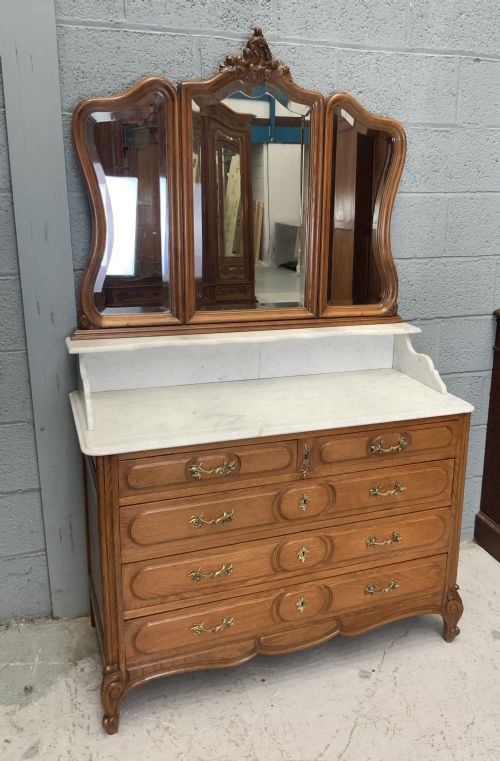
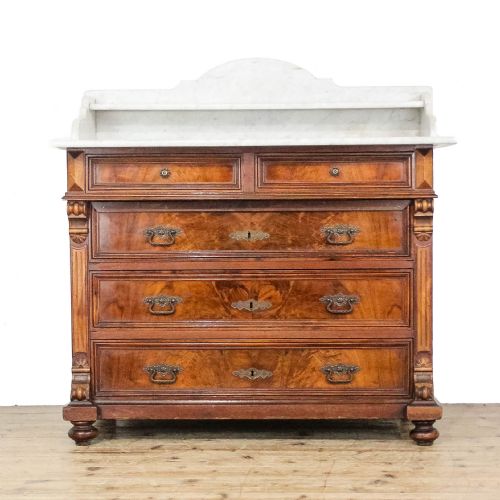
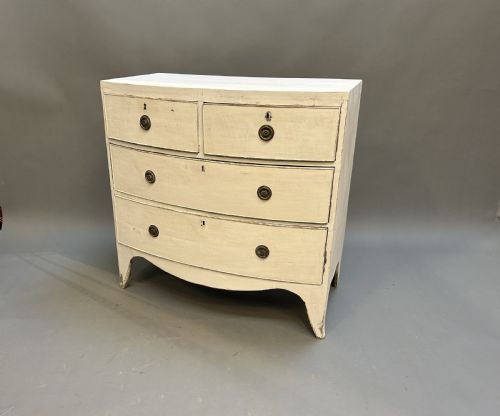
Forms vary from bow fronts and serpentine chests to marble-topped washstands and two-drawer cabinets. Each piece combines functional storage with decorative painted surfaces in wood, walnut, oak, and pine.
Assessing quality and craftsmanship
Quality rests in the crispness of the carving, the fluidity of serpentine or bow fronts, and the integrity of the underlying timber. Superior examples display balanced proportions and refined proportions rather than heavy, utilitarian construction.
The finish of the painted surface significantly impacts the overall merit of the piece. Hand-applied paint that has aged naturally differs markedly from coarse modern overpainting, while integrated marble tops and original brass fittings elevate the standing of a commode.
Vintage White Commode Retail Price Guide 2026
Typical asking prices for vintage white commode among the pieces listed under this phrase on Sellingantiques today, from the lower quarter to the upper quarter. They describe what is for sale here now, not the wider market.
Several commodes hide heavy marble slabs beneath their lids, proving that eighteenth-century practicality weighed quite a lot.
Sir Clough Williams-Ellis·Edwards and Roberts
The Vintage White Commode Glossary
- Serpentine
- A front contour that curves inward at the centre and outward at the sides, or vice versa. This undulating shape requires exceptional woodworking skill.
- Marquetry
- The art of applying pieces of veneer to a structure to form decorative patterns. Floral motifs frequently adorn the top surfaces of these cabinets.
- Commode
- A low chest of drawers or cabinet originating in France. They served primarily for storage in bedrooms and principal reception rooms.
- Washstand
- A piece of furniture designed to hold a basin and pitcher, frequently adapted with marble tops. Many survive as versatile bedroom or hallway chests.
Vintage White Commode: Frequently Asked Questions
How do I style a white commode?
A painted commode anchors a room when paired with neutral walls and contrasting textures like woven rugs or polished brass lamps. Keep the surface uncluttered with a single mirror or a simple ceramic vase.
Allow the natural wear of the painted finish to add character to modern or traditional interiors alike. These pieces function well as bedside tables, hallway statements, or living room storage.
Are marble tops original?
Marble tops frequently accompany continental commodes and washstands from the nineteenth and early twentieth centuries. They provided a durable, water-resistant surface for washing and daily use.
Inspect the seating of the stone within the wooden frame to ensure it matches the period of the base. Heavy Carrera marble was standard for higher-end French and Italian pieces.
How do I clean painted furniture?
Dust surfaces regularly with a soft, dry cloth to prevent dirt accumulation on aged paint. Avoid harsh chemical cleaners that can strip or soften historic paint layers.
Address any sticky marks with a slightly damp cloth and mild soap, drying the wood immediately afterwards. Preserving the original patina ensures the piece retains its decorative value.
What is French provincial style?
French provincial furniture represents the regional interpretation of court styles popular in Parisian workshops. Craftsmen adapted ornate Louis XV and XVI motifs into sturdier, simpler domestic pieces.
These designs often feature softer curves, restrained carving, and painted finishes rather than heavy gilding. They bring an approachable elegance to country houses and urban homes.