




Vintage Wedgwood Pottery
Vintage wedgwood pottery encompasses decorative bowls, tea sets, and vases spanning periods from the nineteenth century to the Art Deco era.
Vintage Wedgwood Pottery
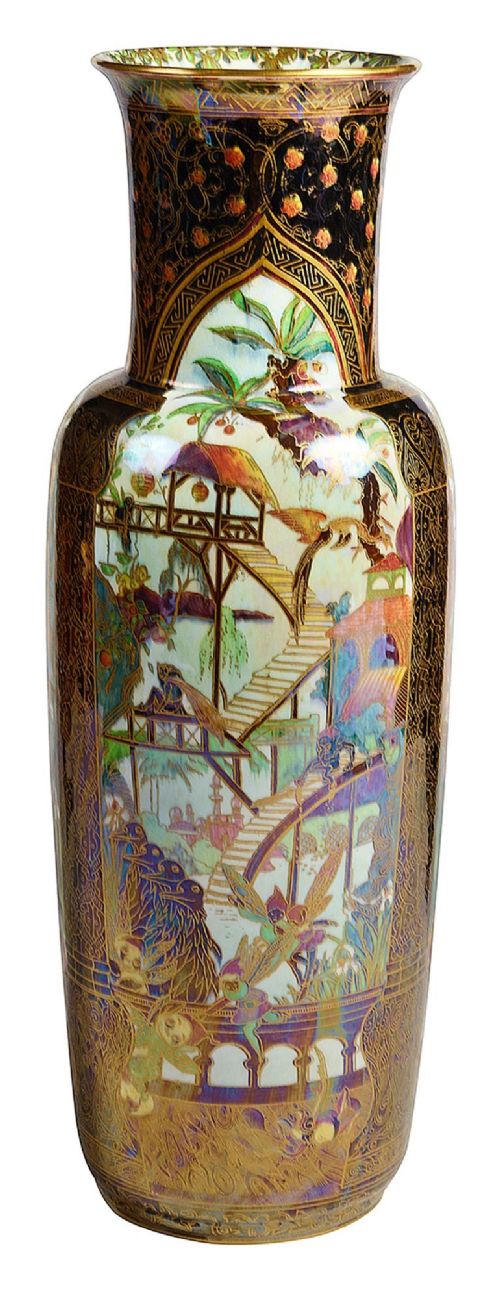
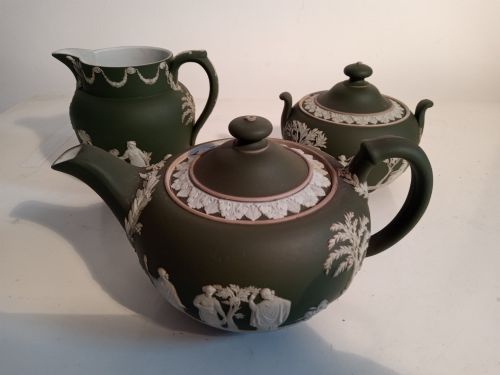
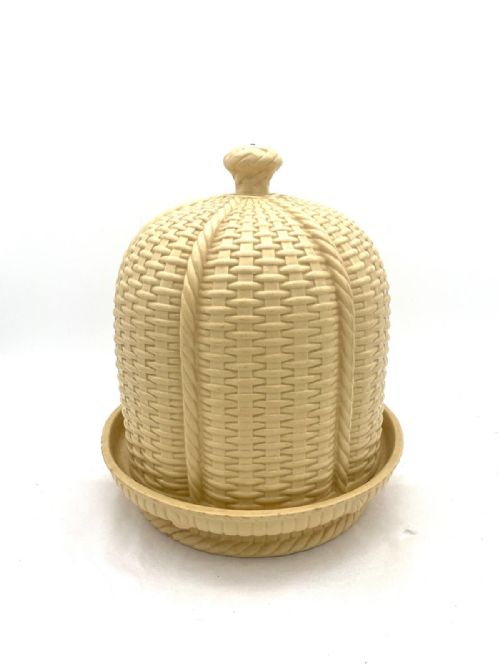
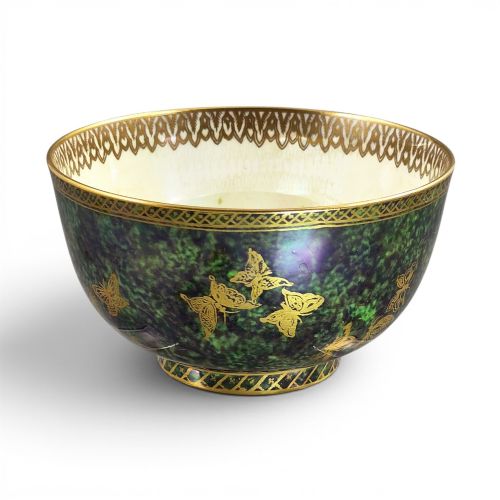
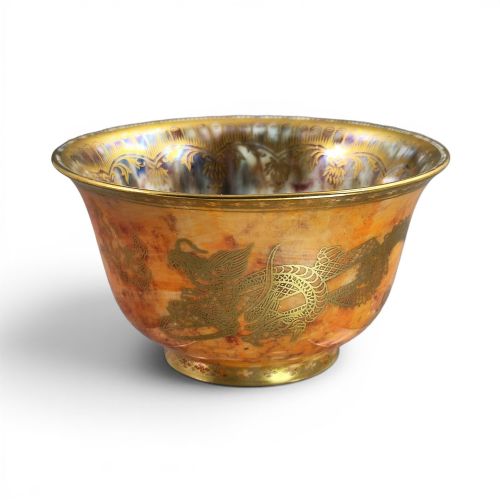
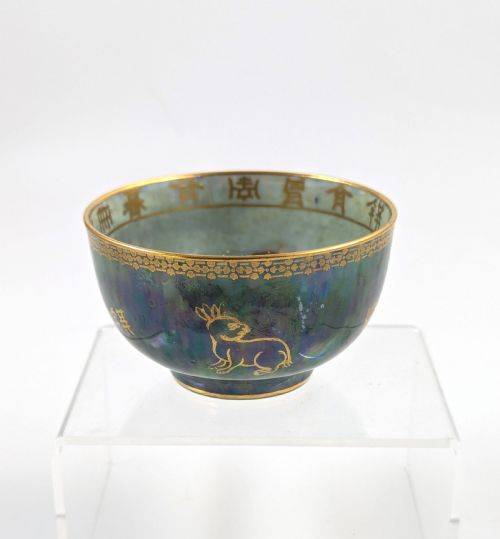
When you search for vintage wedgwood pottery, you encounter a diverse range of ceramic output spanning the nineteenth and early twentieth centuries. The selection includes decorative bowls, vases, tea sets, cheese domes, and biscuit barrels reflecting Victorian, Edwardian, Art Nouveau, and Art Deco styles.
You are most likely to meet pieces decorated with vibrant lustre glazes, traditional drabware, and classic jasper ware. These items demonstrate the firm's historical shift from utilitarian tableware to highly ornate, collectible art pottery.
How they were made
Makers utilised various ceramic bodies including earthenware, stoneware, porcelain, bone china, and creamware to form the structural base of each vessel. Potters then applied techniques such as basket weave moulding, relief work, and throwing to shape the items.
Surface decoration involved the application of gold leaf, enamel paints, and specialised glazes to achieve the distinct visual effects seen on lustre and jasper pieces. Firing processes varied according to the specific body and glaze requirements of the individual design.
Vintage Wedgwood Pottery Retail Price Guide 2026
Typical asking prices for vintage wedgwood pottery among the pieces listed under this phrase on Sellingantiques today, from the lower quarter to the upper quarter. They describe what is for sale here now, not the wider market.
The listings span from 1800 to 1920, covering Georgian, Victorian, Edwardian, and Art Deco periods across porcelain, earthenware, and stoneware.
What varies in quality
The standard of painting and the complexity of the glaze application determine the visual impact of individual pieces. Hand-painted lustreware with intricate gilt detailing and multiple colour firings represents a higher grade of artistry compared to simpler monochrome bodies.
The precision of the moulding, particularly in relief work and specialised forms like cheese domes and figural ceramics, dictates the overall refinement of the item. Well-defined details and balanced proportions distinguish the finer examples from standard production pieces.
Daisy Makeig Jones·Thomas Allen·James Hodgkiss
The Vintage Wedgwood Pottery Glossary
- Drabware
- A ceramic body of a dull, brownish-grey or olive tone popular during the nineteenth century. It often appeared on utilitarian forms such as cheese dishes and jugs.
- Jasper ware
- A fine-grained, unglazed stoneware developed by Josiah Wedgwood, typically featuring white relief figures applied against a coloured background.
- Lustre
- A type of ceramic glaze containing metallic oxides that produce an iridescent, pearlescent sheen when fired. It created the glowing surface effects on Fairyland and butterfly designs.
- Creamware
- A refined earthenware body of a light cream colour developed in the eighteenth century and continued into the nineteenth century. It provided a smooth surface for painted and printed decoration.
- Bone china
- A hard-paste ceramic incorporating bone ash, known for its high strength and milk-white translucency. It served as a base for fine tea sets and decorative table wares.
Vintage Wedgwood Pottery: Frequently Asked Questions
What is Fairyland Lustre?
Fairyland Lustre is a specialised range of decorative ceramics developed during the early twentieth century featuring fantastical scenes of goblins, elves, and mythical landscapes. These pieces utilise rich, layered glaze techniques to create deep iridescent colour effects.
The designs required multiple firings in the kiln to achieve their complex visual depth. They represent some of the most sought-after art pottery from the period.
How do I identify jasper ware?
Jasper ware is characterised by its matte, unglazed surface and contrasting white moulded relief decorations. The coloured body underneath is typically blue, green, sage, or drab.
Running your fingers over the surface reveals distinct tactile details where the applied figures stand out in relief against the background.
Were these items used daily?
Many pieces such as tea sets, cream jugs, and tableware served practical functions in nineteenth-century dining rooms. Other items like decorative bowls and lustre vases were intended strictly for display.
Functional pieces show varying degrees of wear depending on how heavily they were utilised by households over the generations.
How are different periods told apart?
Periods are identified through a combination of ceramic body types, decorative styles, and manufacturing marks. Victorian pieces often display heavy neoclassical influences, while Edwardian and 1920s items frequently incorporate Art Nouveau and Art Deco motifs.
The presence of specific designers or distinct glaze formulas also helps narrow down the production era.