



Vintage Watch Holder
A vintage watch holder keeps your timepiece safe on a desk or bedside table, bringing tactile charm and mechanical history into daily life.
Vintage Watch Holder
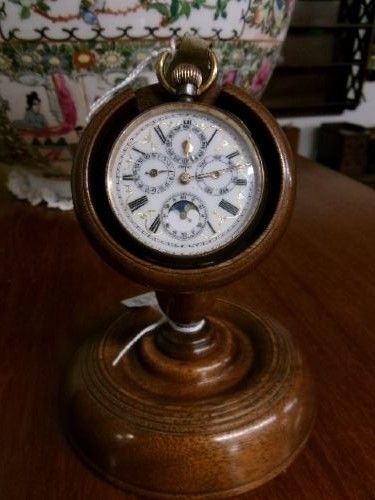
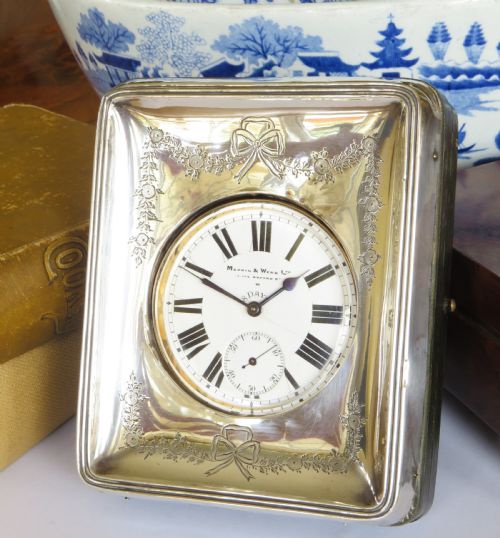
A vintage watch holder provides a dedicated resting place for pocket watches and travel clocks, preserving fragile timepieces when they are off the wrist. These pieces often take the form of specialised stands, folding cases, or fitted deskside accessories designed to keep dials visible.
Makers adapted traditional forms to suit changing domestic habits, resulting in portable travel designs alongside static desk pieces. These functional items reflect the precision and material wealth of their respective periods, from Regency wood to Art Deco enamel.
How they were made
Silversmiths and cabinetmakers utilised traditional joinery and metalworking techniques, shaping solid sterling silver, gunmetal, and dense mahogany into secure housings for delicate mechanisms. Enamel work, including guilloche patterns, added vibrant colour and polished texture to metal surfaces.
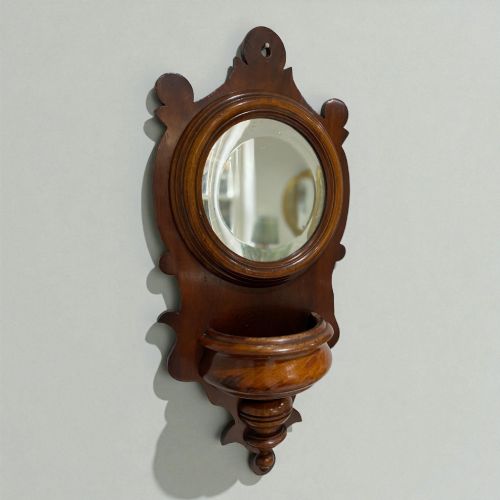
Woodworkers turned and polished mahogany to create sturdy bracket mirrors and night stands that held timepieces securely within fitted recesses. Metal cases relied on precise hinges, bezels, and clasps to protect delicate pocket watch crystals and dials from daily wear.
Vintage Watch Holder Retail Price Guide 2026
Typical asking prices for vintage watch holder among the pieces listed under this phrase on Sellingantiques today, from the lower quarter to the upper quarter. They describe what is for sale here now, not the wider market.
What varies in quality
The distinction between standard utility items and exceptional examples lies in the crispness of the chasing, the weight of the silver or gold, and the depth of the wood finish. Superior pieces exhibit seamless enamel work without loss, tight mechanical closures, and refined proportions.
Maker marks and hallmarks contribute significantly to the distinction between ordinary workshop production and pieces bearing identifiable craftsmanship. Material selection, such as the use of high-grade mahogany or heavy sterling silver, dictates longevity and visual presence.
Aaron Lufkin Dennison·Mappin & Webb·Crisford & Norris
The Vintage Watch Holder Glossary
- Guilloche Enamel
- A decorative technique where a precise geometric pattern is mechanically engraved beneath a translucent layer of enamel. This method creates a shimmering depth of colour on metal surfaces.
- Sterling Silver
- An alloy consisting of silver and other metals, typically copper, standardising purity at a specific proportion. It provides the durable structure for many Victorian and Edwardian watch cases.
- Sovereign Case
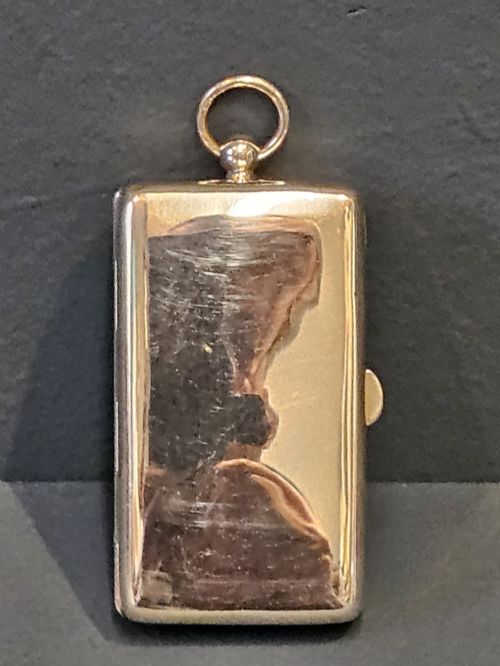
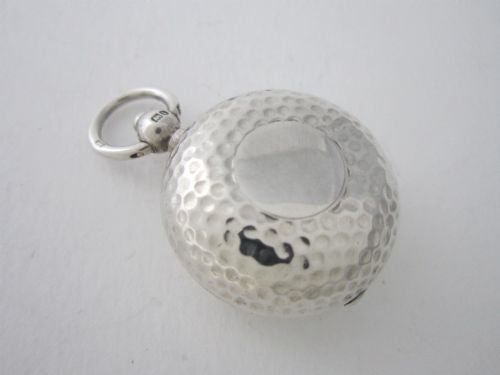
- A small pocket container designed to hold gold sovereign coins securely on the person. These items often share stylistic traits and materials with contemporary watch holders.
- Mahogany
- A durable tropical hardwood prized for its rich reddish-brown tone and stable grain. Makers utilised this timber extensively for Regency and Victorian furniture and timepiece stands.
- Capstan Inkwell
- A desk accessory shaped like a nautical capstan, occasionally incorporating timepiece elements. It represents the multi-functional desk ornaments popular in the Edwardian period.
Vintage Watch Holder: Frequently Asked Questions
What is a vintage watch holder?
A vintage watch holder is a specialised desk or bedside accessory designed to display and protect a pocket watch or small travel clock. These pieces range from wooden bedside stands to folding silver cases.
They allowed owners to keep timepieces visible and safe when not carried in a pocket or worn on a chain.
How were watch holders used historically?
Owners placed their pocket watches into these holders at night on bedside tables or during the day on office desks. This kept the mechanical movement stationary and the dial easy to consult.
Travellers also utilised folding cases to protect delicate pocket watches while moving between locations.
What materials are most common?
Sterling silver, mahogany, and enamel appear frequently across pieces from the Victorian and Edwardian periods. Gunmetal and glass were also utilised for specific travel and desk formats.
Precious metals provided security and prestige, while dense hardwoods offered stable structural framing for mirrors and stands.
How do I date a watch holder?
Hallmarks stamped on silver components provide exact assay office marks and date letters for precious metal items. Stylistic clues, such as Regency woodwork or Art Deco enamel patterns, help narrow down pieces without hallmarks.
Comparing construction techniques and material thickness further clarifies the period of manufacture.