




Vintage Watch Co
These vintage watch co items are mechanical timepieces spanning the nineteenth and twentieth centuries, offering traditional craftsmanship and reliable horology for everyday wear or collection.
Vintage Watch Co
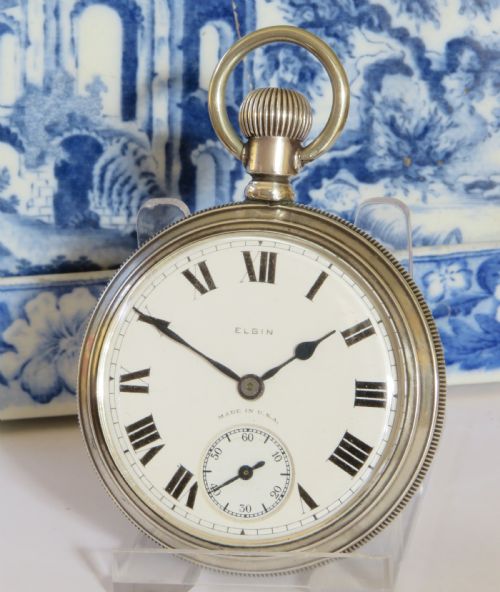
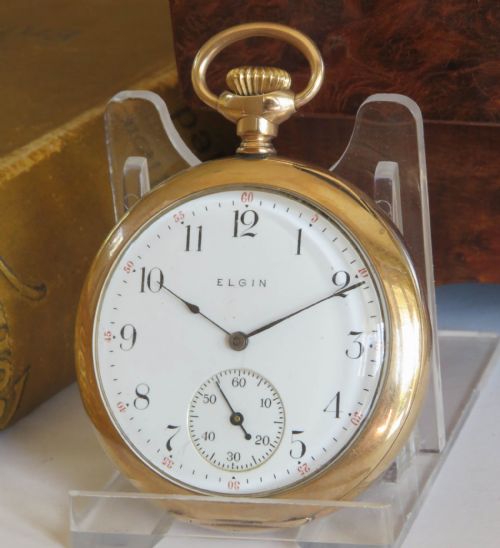
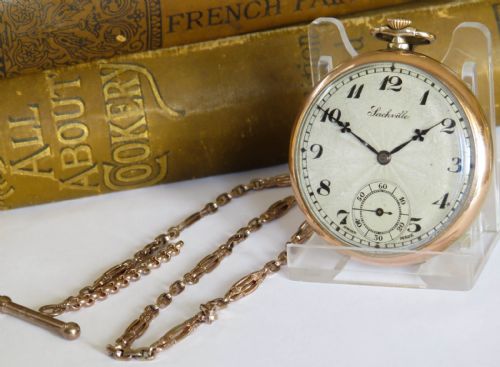
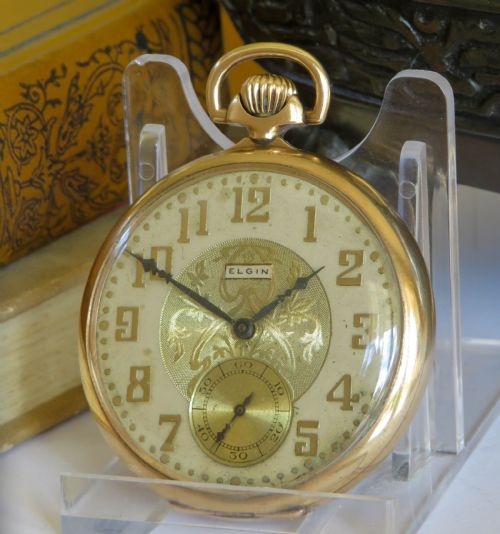
The periods represented stretch across the Victorian, Edwardian, and Art Deco eras, with a strong concentration of pieces from the 1900s to the 1930s. Makers and manufacturers include established names such as Elgin, Waltham, Stauffer, Sackville, Globe Watch Co, Record, Eastern Watch Case Co, Baume and Co, West End Watch Co, and Waterbury.
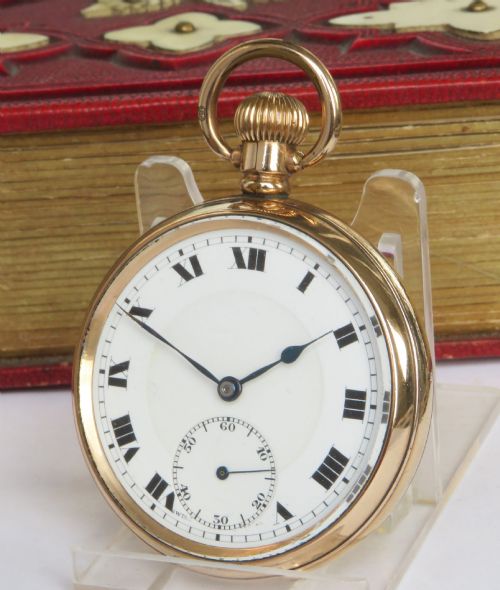
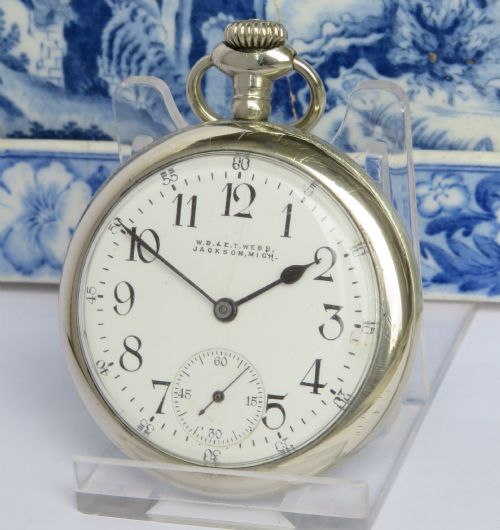
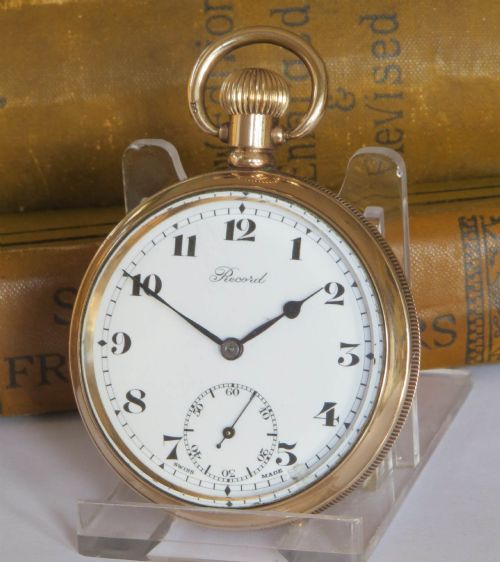
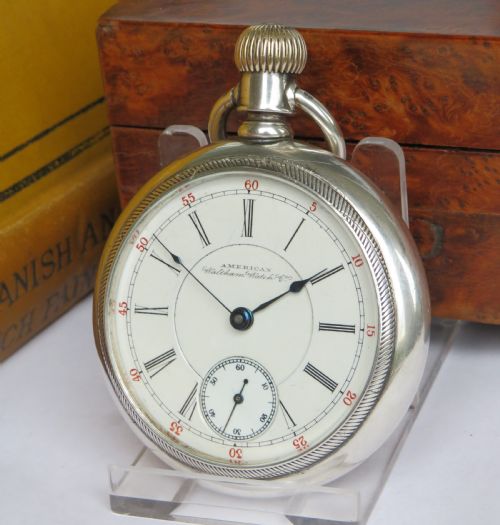
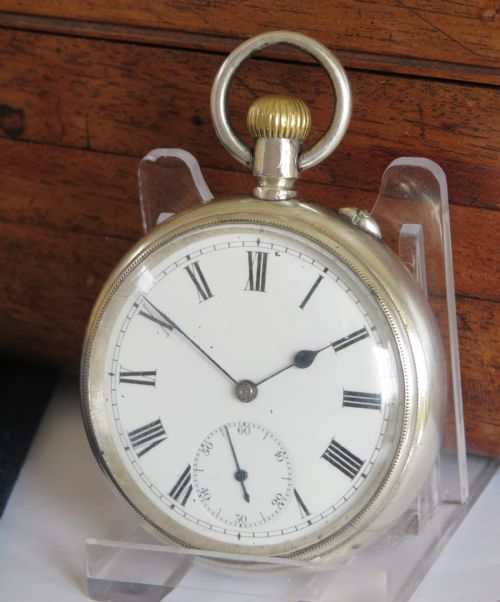
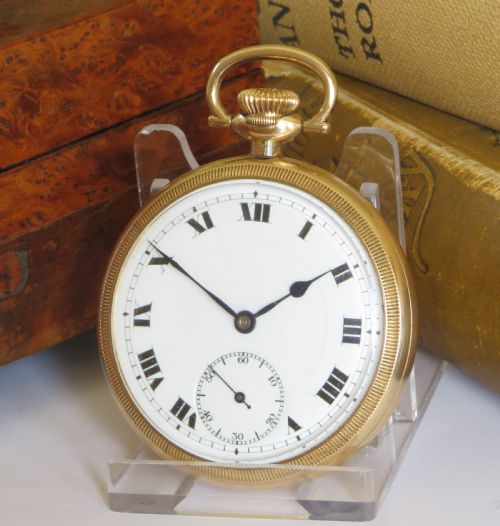
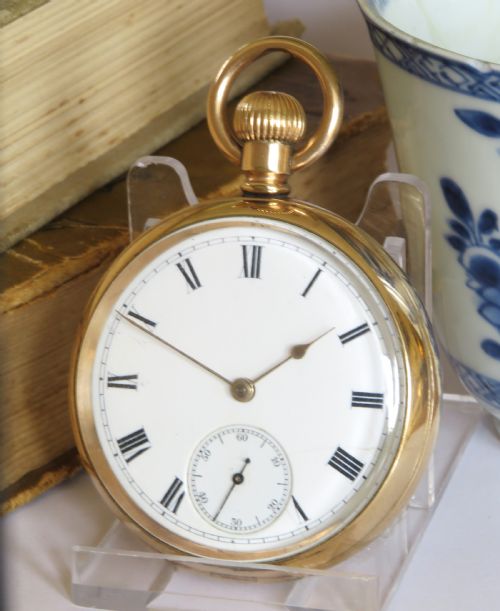
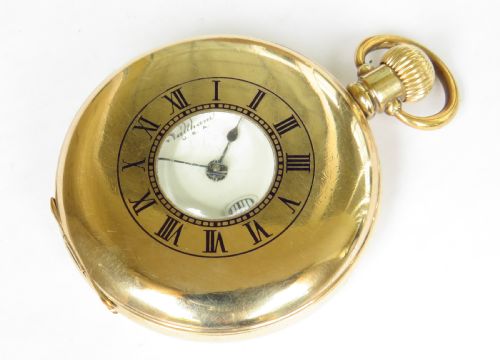
Pocket watches dominate the listings, frequently appearing in standard open face configurations as well as half hunter designs featuring protective metal covers with glass inspection apertures. Wall clocks provide a larger domestic or institutional scale, constructed with mahogany surrounds and traditional dial layouts.
Materials and construction methods
Construction relies on durable metals and specialised components suited to mechanical timekeeping, utilising silver, gold, gold plate, and steel for outer cases and internal movements. Glass protects the watch dials and clock faces, whilst vitreous enamel provides smooth, legible surfaces for numerical markers.
Cabinetry for the larger timepieces employs solid mahogany timber to house the movements securely while withstanding wall mounting. Specialised mechanisms such as the duplex escapement and specific jewel counts define the technical execution within the watch casings.
Vintage Watch Co Retail Price Guide 2026
Typical asking prices for vintage watch co among the pieces listed under this phrase on Sellingantiques today, from the lower quarter to the upper quarter. They describe what is for sale here now, not the wider market.
Listings span from the 1890s through the 1930s, encompassing Victorian, Edwardian, and Art Deco design styles.
Distinguishing quality across pieces
Quality separates through the precision of the internal movement and the choice of precious metal casing rather than base metal or gold plate. Finer examples incorporate specialised escapements and higher jewel counts that ensure greater mechanical longevity and sustained accuracy.
The choice of materials dictates the tier of the piece, with solid silver or gold cases sitting above standard metal or gold plated alternatives. Furthermore, the integrity of enamel dials and the quality of cabinetry in wall clocks differentiate standard production items from specialised railway or institutional timepieces.
Elgin·Waltham·Stauffer·Sackville·Globe Watch Co·Record·Eastern Watch Case Co·Baume and Co·West End Watch Co·Waterbury
The Vintage Watch Co Glossary
- Half hunter
- A pocket watch featuring a protective metal outer case with a glass or open-centred panel that allows the user to read the hands without opening the cover. This design protects the delicate glass dial face during daily carriage.
- Duplex escapement
- An intricate mechanical arrangement controlling the release of power from the mainspring to the balance wheel in a timepiece. It utilises a dual-toothed wheel design to achieve precise impulse transmission.
- Vitreous enamel
- A fused glass coating applied to metal watch dials to create a durable, glossy, and smooth white background for painted numerals. This finish resists discoloration and wear over decades of use.
- Escapement
- The internal mechanism that converts continuous rotational energy from the mainspring into distinct, measured impulses. It creates the characteristic ticking sound and keeps the time consistent.
- Timepiece
- A clock or watch that measures and indicates the passage of time without incorporating a striking mechanism to sound the hours.
Vintage Watch Co: Frequently Asked Questions
How do I wind a mechanical pocket watch?
Gently rotate the crown at the top of the watch clockwise until you feel slight resistance, taking care not to force it past the stopping point.
Most vintage pocket watches require daily winding to maintain accurate timekeeping throughout use.
Can I hang a railway wall clock in a modern home?
These large mahogany wall clocks suit hallways, kitchens, or studies where their substantial thirteen and a half inch dials command attention.
Ensure the wall surface supports the weight securely and position the clock away from excessive moisture or direct sunlight.
How do I identify the production era of these timepieces?
Examine the dial typography, case hallmarks, and stylistic indicators such as Edwardian numerals or Art Deco geometry.
Inscriptions on the inner movement plates often record specific model names or production eras like the 1900s or 1920s.