




Vintage Warming Plates
These vintage warming plates and serving dishes keep meals warm at table, combining practical metalwork with period dining traditions.
Vintage Warming Plates
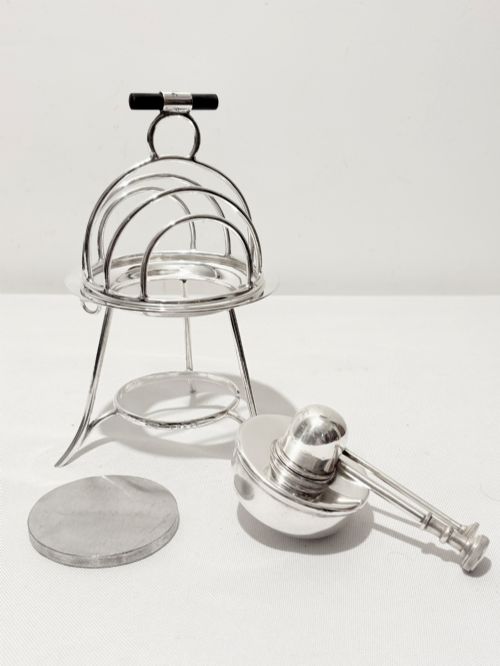
Vintage warming plates and associated serving vessels appear primarily in silver plate, Old Sheffield plate, and brass forms dating from the Georgian era through to the Edwardian period. Such pieces include specialised meat trays, entree dishes, and argyle designs intended to keep food heated during long meals.
The selection here encompasses functional dining metalware originating across the eighteenth, nineteenth, and early twentieth centuries. Buyers encounter both plain utility items and crested service pieces reflecting formal dining customs of their respective periods.
How they were made
Metalworking techniques of the eighteenth and nineteenth centuries rely heavily on silver plating over base metals, alongside traditional brass casting and Old Sheffield plate construction. Makers utilised durable alloys and applied specialised plating methods to achieve a polished finish suitable for dining tables.
Composing items from silver plate, brass, and Old Sheffield plate demanded precise manufacturing skills to create hollowware vessels capable of holding hot water. The physical weight of the metal and the integrity of soldered joints ensure the thermal performance required of these serving dishes.
Vintage Warming Plates Retail Price Guide 2026
Typical asking prices for vintage warming plates among the pieces listed under this phrase on Sellingantiques today, from the lower quarter to the upper quarter. They describe what is for sale here now, not the wider market.
The listings on this site span the eighteenth, nineteenth, and early twentieth centuries, featuring materials such as brass, oak, and silver plate.
What varies in quality
Quality in these dining vessels rests on the thickness of the silver plate over the underlying metal and the crispness of any engraved crests or decorative borders. Heavier gauge metalwork and superior plating endurance distinguish finer examples from standard utility pieces.
The refinement of the casting in brass accessories or the precision of the handle and lid fittings indicates the original workshop standards. Better pieces maintain structural balance and retain their intended surface lustre across centuries of use.
The Vintage Warming Plates Glossary
- Old Sheffield plate
- An early fused plating method involving a layer of silver fused to a copper core. This technique produces a warm tone distinct from later electroplating.
- Silver plate
- A thin layer of silver applied to a base metal substrate. The process became widespread during the nineteenth century for tableware.
- Argyle
- A type of covered vessel featuring an internal compartment for hot water to maintain gravy or sauce temperature. These items are typical of nineteenth-century formal dining.
- Entree dish
- A lidded serving vessel used for presenting courses at the table. They frequently incorporate warming compartments or stands.
Vintage Warming Plates: Frequently Asked Questions
How do warming plates work?
These vessels typically feature a double-walled construction or a hollow compartment designed to be filled with hot water. This thermal reservoir transfers heat to the upper surface where food sits.
Such a mechanism kept dishes warm during protracted dining sessions in the Georgian and Victorian eras before modern heating methods existed.
What is Old Sheffield plate?
Old Sheffield plate is an early composite material created by fusing a sheet of silver onto a copper ingot under heat and pressure. The resulting sheet was then worked into tableware.
This method differs fundamentally from later nineteenth-century electroplating processes and produces a characteristic depth of finish.
How should I clean silver plated dishes?
Maintenance requires gentle washing with warm soapy water and a soft cloth to protect the metal surface. Abrasive cleaners strip the thin silver layer.
Specialist silver polishes should be used sparingly and only when necessary to preserve the underlying plating and any engraved details.
How do I date a warming dish?
Dating relies on stylistic markers, manufacturing techniques, and any visible maker marks or family crests. Georgian and Victorian pieces show distinct shifts in decorative motifs and plating technology.
Comparing the weight, handle design, and construction methods against known period examples helps establish the decade of manufacture.