



Vintage Wardrobe Unit
These vintage wardrobe unit finds bring practical storage home through pine, oak, teak, and steel pieces spanning the eighteenth to twentieth centuries.
Vintage Wardrobe Unit
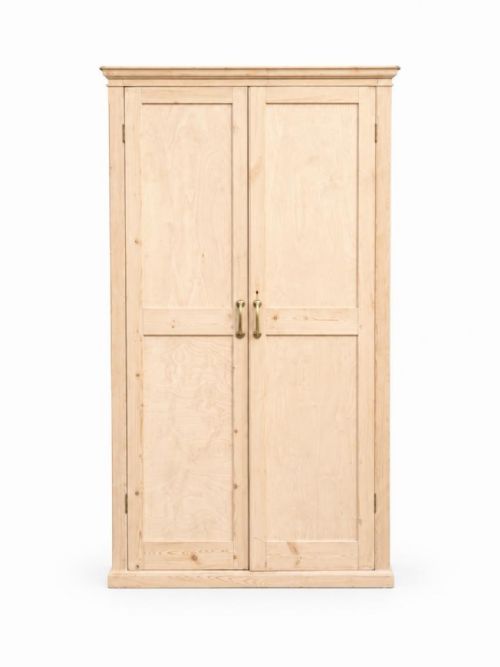
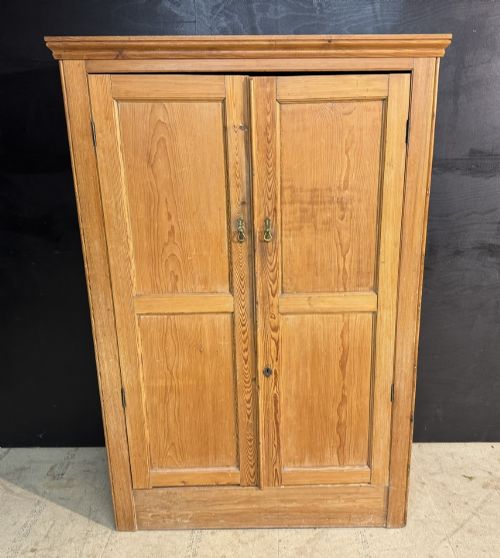
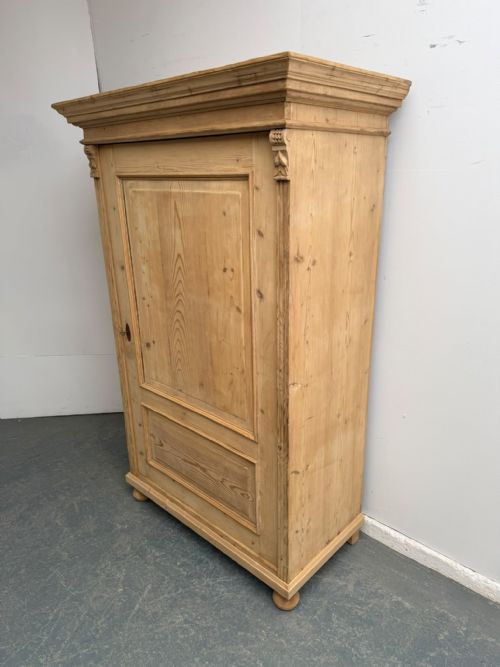
A vintage wardrobe unit covers storage pieces like cupboards, armoires, hall robes, and tallboys designed to house garments and household goods. When searching for a vintage wardrobe unit, buyers encounter diverse forms ranging from large single door pine cupboards to Art Deco bedroom suites.
The selection on this page bridges several eras, drawing on Victorian, Georgian, and twentieth-century designs. Pieces vary from rustic farmhouse pine to polished oak and painted steel, reflecting domestic storage needs across generations.
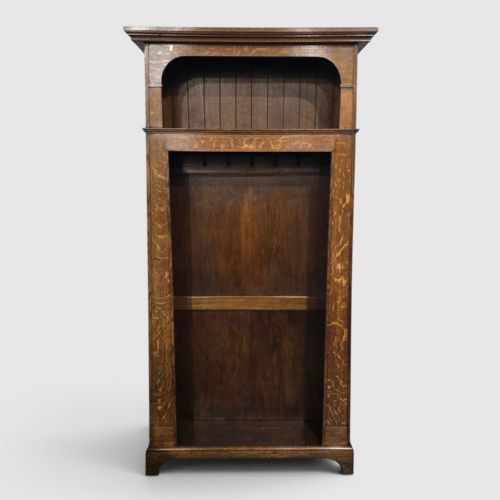
Origin and period dictate the character of each vintage wardrobe unit, with styles spanning industrial, Arts and Crafts, and Art Deco. Buyers are most likely to meet sturdy pine storage cupboards and oak hall robes among the current listings.
How they were made
Construction relies on solid timbers such as pine, oak, teak, and mahogany, often shaped with panelled doors and fielded panels. Cabinet makers utilised traditional joinery methods to build sturdy frames that survive in daily use.
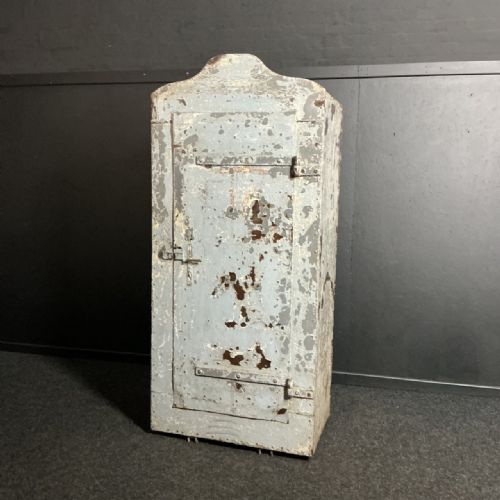
Metal elements including brass, iron, and steel appear as handles, hinges, and structural reinforcement. Painted finishes, limed treatments, and wax coatings protect the wood surfaces while defining the aesthetic of the period.
Vintage Wardrobe Unit Retail Price Guide 2026
Typical asking prices for vintage wardrobe unit among the pieces listed under this phrase on Sellingantiques today, from the lower quarter to the upper quarter. They describe what is for sale here now, not the wider market.
A school cupboard from the 1930s brings institutional history straight into a domestic bedroom or hallway.
What varies in quality
Quality in a vintage wardrobe unit rests on the choice of timber and the integrity of the original construction. Dense woods like oak and mahogany or solid pine show superior durability compared to lighter framing.
Details such as fine grain finishing, panel detailing, and the preservation of original brass or iron hardware elevate a piece. The treatment of surfaces, whether waxed, painted, or polished, reflects the care taken during manufacture and subsequent upkeep.
Heals
The Vintage Wardrobe Unit Glossary
- Tallboy
- A tall chest of drawers or wardrobe unit, often combining hanging space with shelving. These pieces maximise vertical storage in smaller bedrooms.
- Fielded panel
- A wooden panel with bevelled edges set within a grooved frame. This technique adds depth and structural stability to cabinet doors.
- Hall robe
- A compact wardrobe or hanging unit designed for entrance halls to hold outerwear. They provide accessible garment storage near the door.
- Larder cupboard
- A tall storage unit traditionally used for food provisions with interior shelving. Modern interiors utilise them for general household organisation.
- Limed oak
- Oak timber treated with a white pigment to highlight the grain pattern. This finish gained popularity during the early twentieth century.
Vintage Wardrobe Unit: Frequently Asked Questions
What periods do these storage units cover?
The listings span from the early eighteenth century through the Victorian era up to the 1930s. This wide timeframe includes Georgian, Victorian, and Art Deco movements.
Each era brings distinct timber choices and construction methods to the pieces available.
Which woods are most common?
Pine and oak appear frequently across the selection, used for both rustic farmhouse cupboards and polished standing cabinets. Other materials include teak, mahogany, and painted steel.
Hardware typically incorporates brass and iron components.
How do I choose between a cupboard and a hall robe?
Cupboards generally offer versatile interior shelving suitable for linens, provisions, or general household items. Hall robes focus on vertical garment hanging for coats and everyday wear.
Consider your available floor space and storage requirements when selecting a form.
Are painted finishes original?
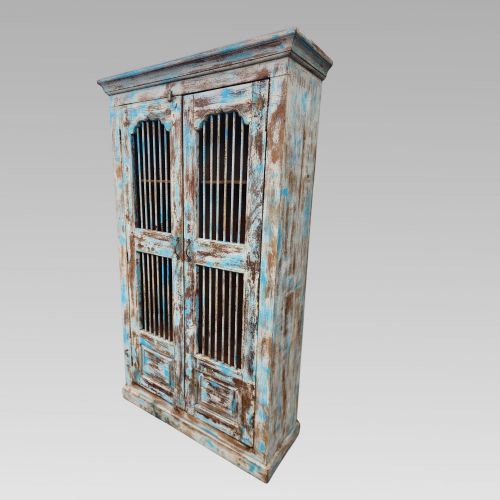
Some pieces feature decorative paintwork or later applied wax and paint treatments over pine and steel. Descriptions note whether surfaces are polished oak, waxed pine, or painted.
Inspect the finish to determine how the piece has been maintained over time.