



Vintage War Art Artwork
Vintage war art artwork encompasses original paintings, drawings and lithographs created during or in the immediate aftermath of global conflicts.
Vintage War Art Artwork
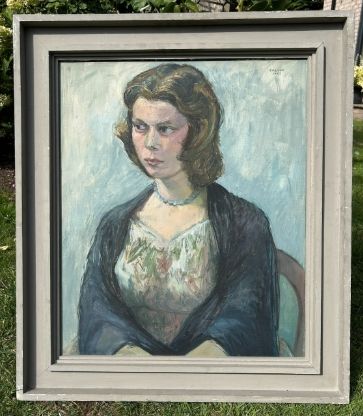
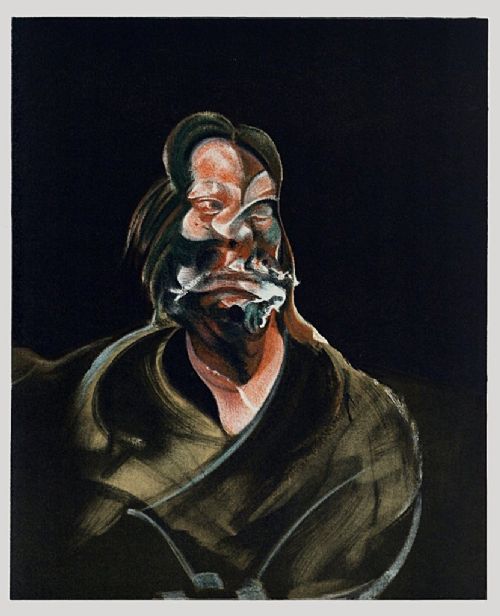
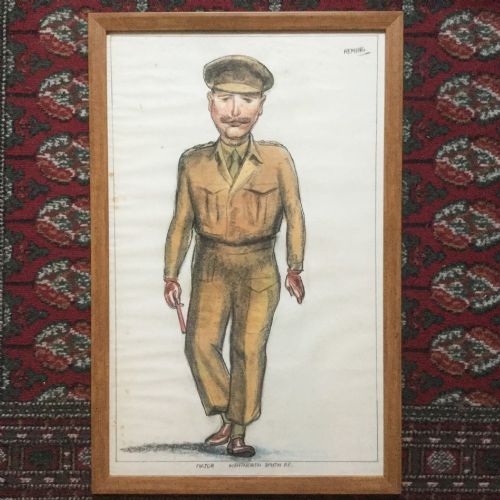
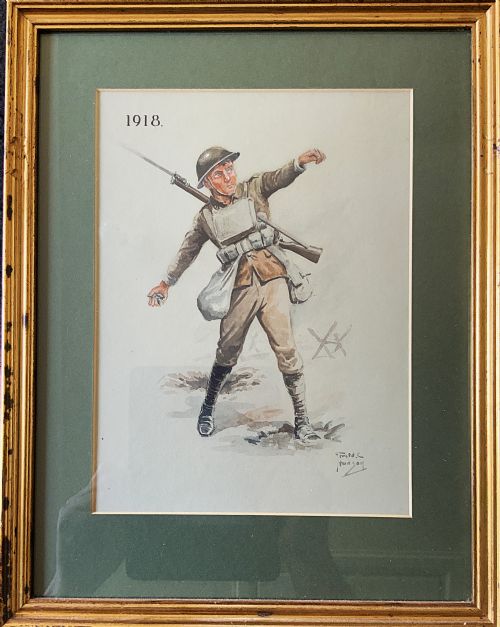
Vintage war art artwork captures military subjects, soldier portraits, and home front scenes across various periods. Buyers encounter pieces originating from the First World War, the Second World War, and the nineteenth century.
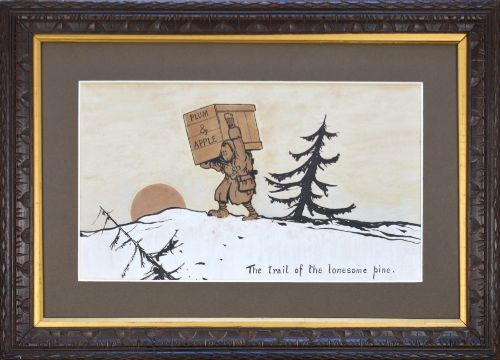
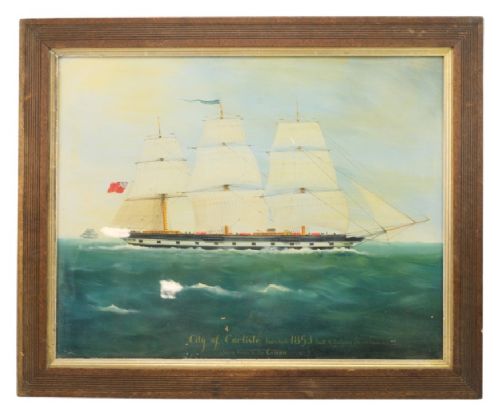
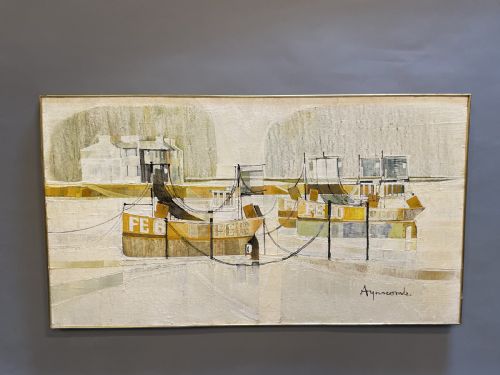
Works range from frontline trench art and battlefield sketches to maritime scenes and industrial landscapes produced during wartime. Framed prints and fine art paintings document both active service and domestic civilian life under wartime conditions.
How they were made
Artists utilised traditional painting supports including stretched canvas, wooden panels, and heavy paper. Pigments were applied using oil paint, watercolour, gouache, tempera, ink, and pastel depending on whether the work was executed in the field or the studio.
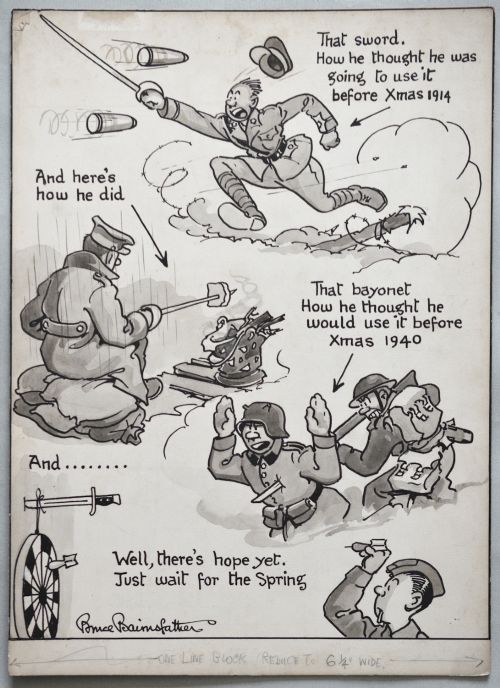
Graphic works rely on hand-drawn ink and charcoal lines, alongside period lithography techniques for reproduced illustrations. Framing typically involves period wood moulding suited to mid-century or earlier display.
Materials span canvas, paper, wood, glass, oil paint, watercolour, ink, pastel, and gouache.
What varies in quality
Quality rests upon the directness of the witness, the hand of the artist, and the preservation of the medium. Works by named painters or official recorders hold greater documentary and artistic weight.
Execution ranges from rapid frontline portrait sketches and trench drawings to finished studio oil paintings and exhibited landscapes. The strength of the composition and the integrity of the surface determine the standing of each piece.
Irene Christobelle Pownoll Williams·Cecil Keeling·Bruce Bairnsfather·Kenneth Cozens·Francis Bacon·Paul-Jean Anderbouhr·Denis Mitchell·Barbara Hepworth·James Tower·Leopold Halvoet·William McCance·Francis Russell Flint·Sir Muirhead Bone
The Vintage War Art Artwork Glossary
- Lithograph
- A print made from a planographic image on stone or metal. This method allows multiple faithful reproductions of original drawn compositions.
- Gouache
- An opaque water-based paint that dries to a matte finish. It provides stronger coverage than traditional watercolour.
- Temperaly
- An emulsion medium using water and binder such as egg yolk. It was frequently utilised for panel paintings before the widespread adoption of oil paint.
- Provenance
- The documented history of ownership of an artwork. It establishes authenticity and traces the path from the creator to the present collection.
Vintage War Art Artwork: Frequently Asked Questions
What periods do these artworks cover?
The pieces span from nineteenth-century military depictions and First World War frontline records through to Second World War observations and post-century modernist responses.
Items date across the Edwardian era, the nineteen-forties, and the nineteen-fifties, reflecting major historical conflicts.
Are these works original or printed reproductions?
The selection includes both unique handmade works and period lithographic prints. Original pieces feature hand-applied oil paint, watercolour, ink, gouache, and pencil on canvas or paper.
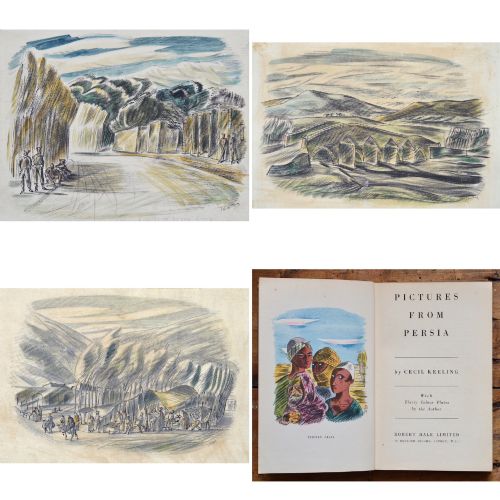
Some wartime illustrations were reproduced in books while retaining their status as period graphic art.
How should I care for vintage paper and canvas art?
Keep framed works away from direct sunlight to prevent fading on watercolour pigments and oil paint surfaces. Maintain stable indoor humidity levels to protect wooden panels, paper supports, and canvas integrity.
Avoid hanging pieces in damp environments such as unheated spaces.
What subjects appear most frequently in this art?
Common subjects include soldier portraits, military personnel, battlefield scenes, naval vessels, and wartime maritime harbours. Other works record home front life, industrial factories, and post-war landscapes.
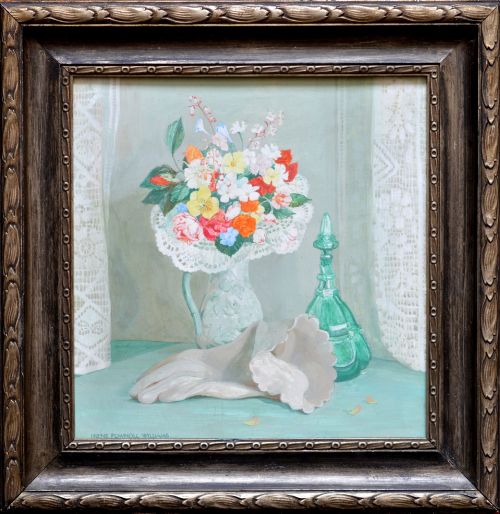
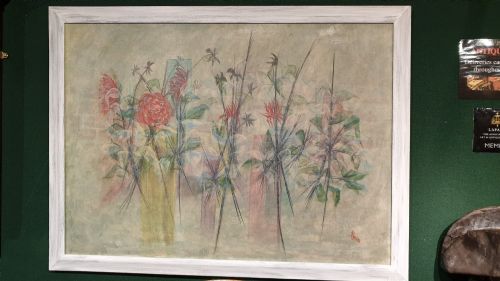
Still life studies and abstract compositions produced during conflict years also feature prominently.