
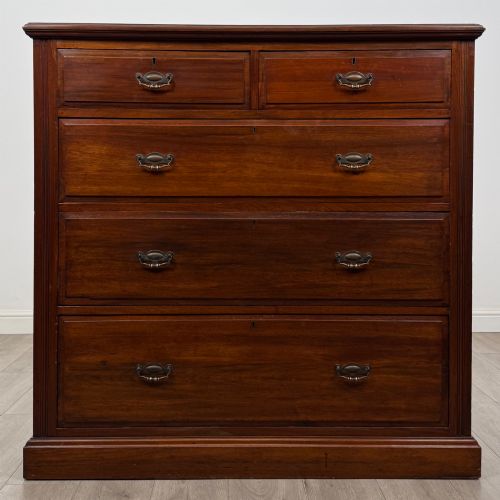
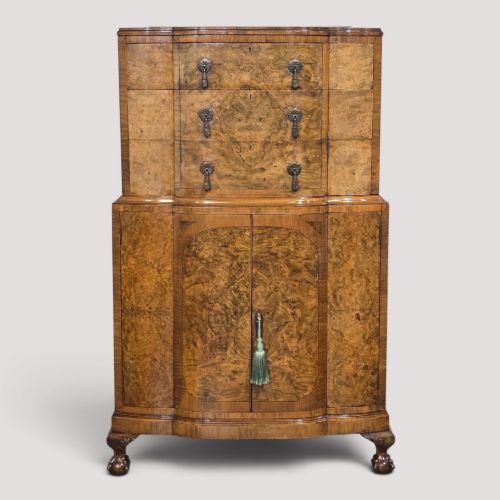
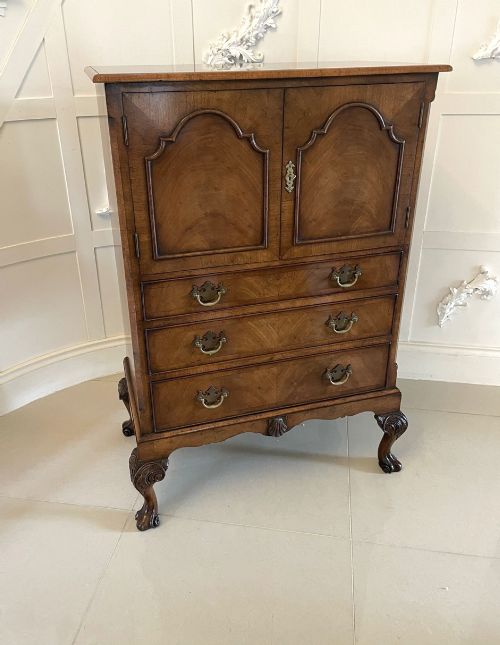
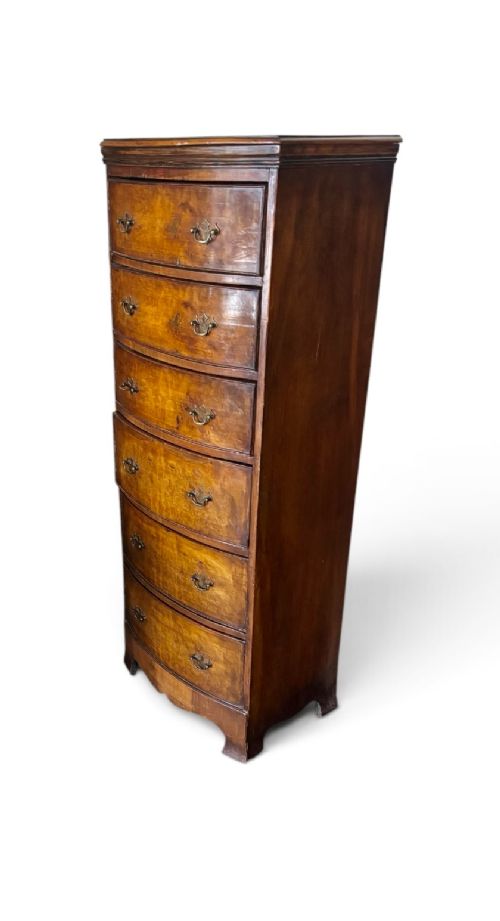
Vintage Walnut Tallboy Chest
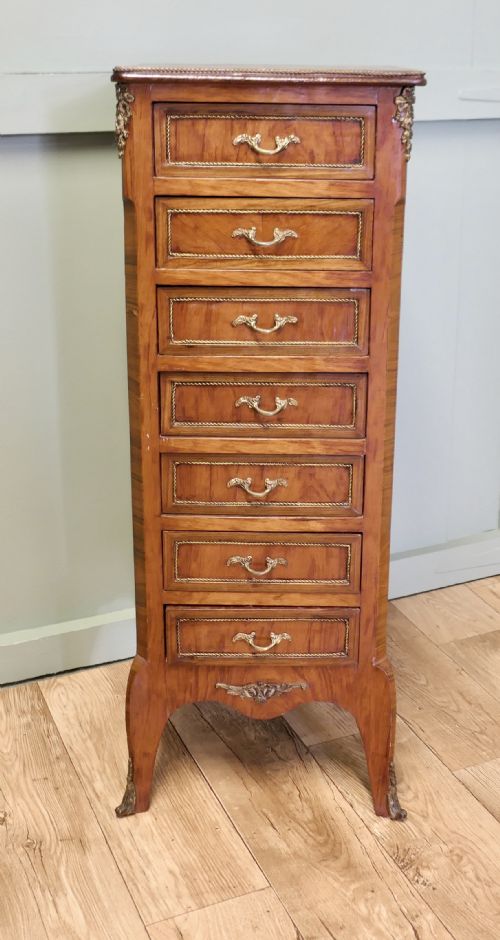
A vintage walnut tallboy chest offers towering storage with rich grain patterns, bridging eighteenth-century heritage and twentieth-century modernist forms.
Vintage Walnut Tallboy Chest
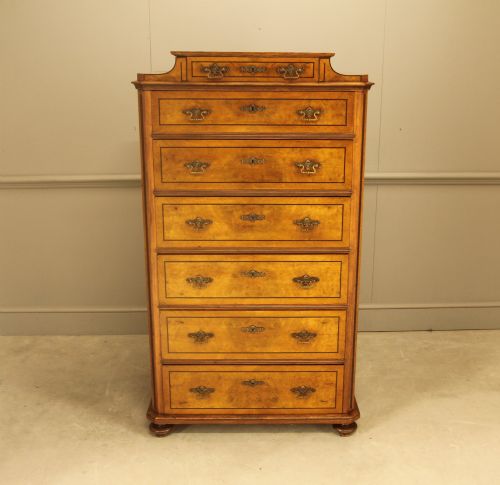
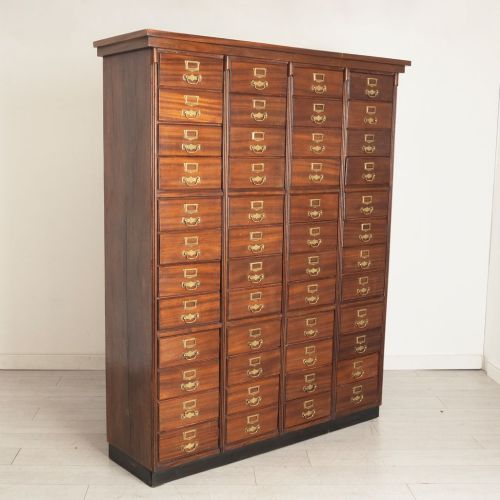
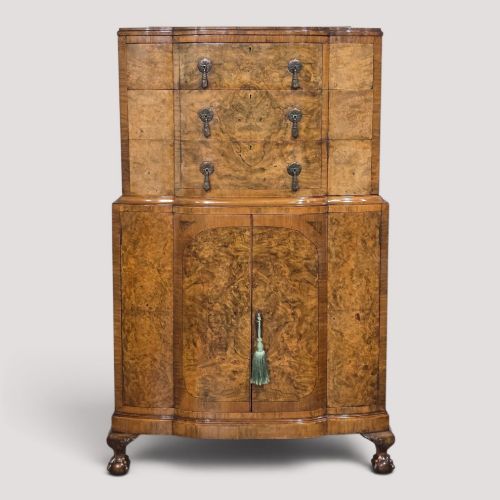
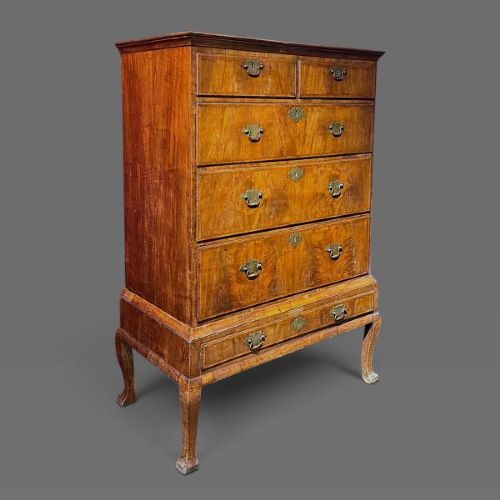
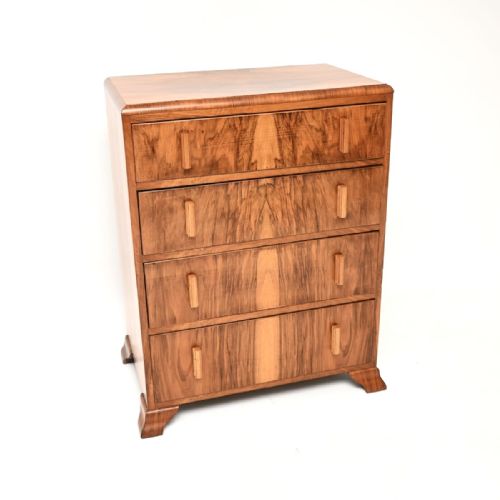
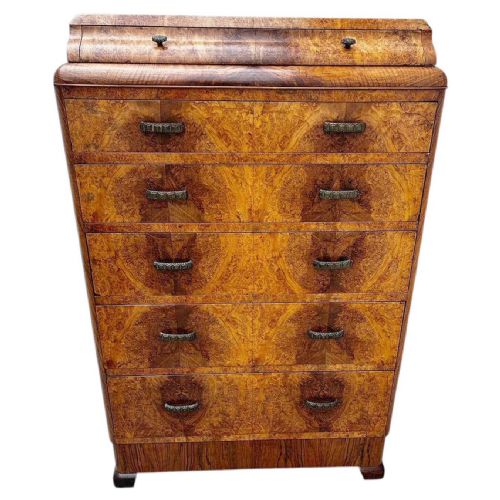
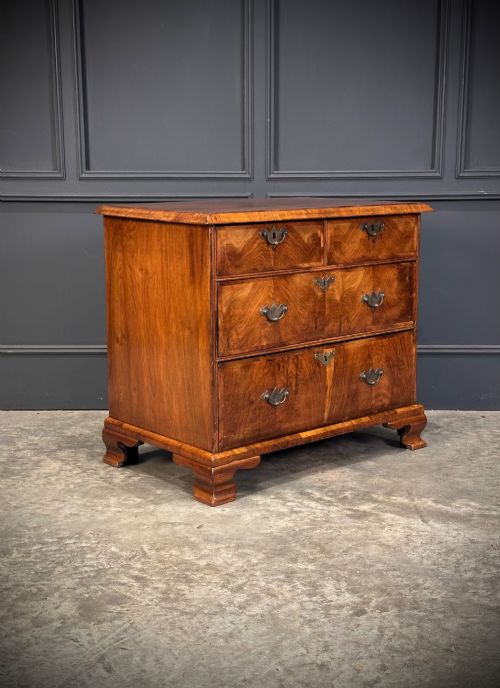
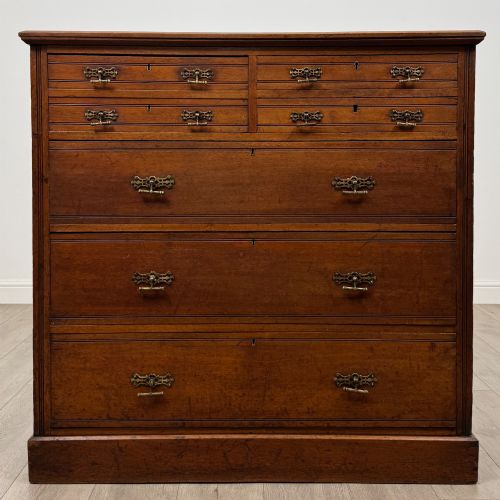
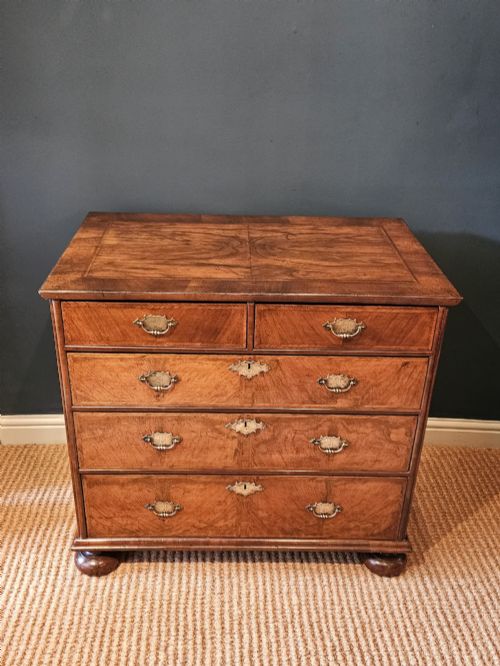
A vintage walnut tallboy chest combines vertical storage with the distinct grain patterns of walnut timber, appearing across periods from the eighteenth century to the art deco era of the 1930s. Buyers encountering these pieces on this page will find tall chests of drawers, chests on stands, and two-piece tallboys.
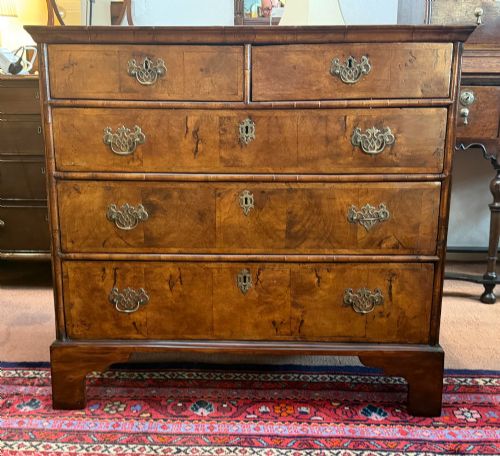
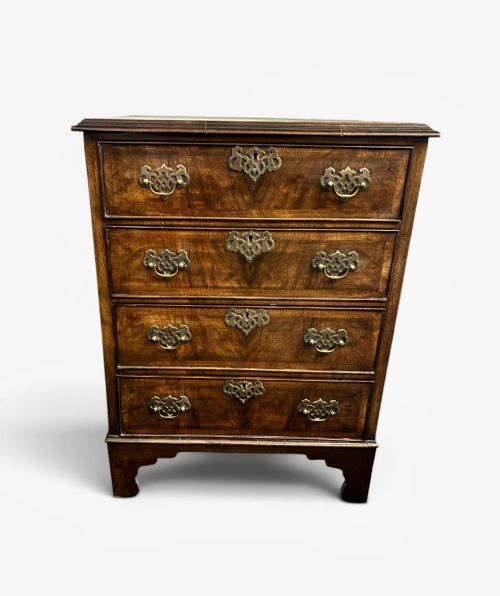
The selection spans formal Georgian designs, Queen Anne style pieces with cabriole influences, Edwardian examples, and streamlined 1930s art deco interpretations. Forms range from bow fronts and serpentine shapes to traditional chests on stands and tall cabinets.
Materials and construction
Construction relies heavily on walnut, burr walnut, figured walnut, and walnut veneer applied over secondary timbers such as oak. Craftsmen utilised decorative techniques like herringbone banding and inlay work to highlight the natural figure of the wood.
Metal hardware incorporates brass handles and escutcheons, occasionally accompanied by elements of bakelite or other metals on later twentieth-century pieces. Structural integrity combines solid framing with veneered surfaces designed to display complex grain movement.
Several pieces feature secret compartments hidden within their towering drawers for safekeeping.
Distinctions in craftsmanship
Distinctions in quality rest upon the selection of timber figures, such as highly figured burr walnut against plain grain, and the precision of decorative elements like herringbone banding. Superior examples display careful book-matching of veneers across drawer fronts and harmonious proportions.
The sophistication of the period style influences the standing of a piece, separating straightforward utilitarian storage from master-styled Queen Anne or art deco interpretations. Cabinetmaking finesse shows in the crispness of edge mouldings, the alignment of drawers, and the integration of stands.
Jas Shoolbred
The Vintage Walnut Tallboy Chest Glossary
- Tallboy
- A tall chest of drawers, often constructed in two sections with an upper chest resting on a lower base or stand. This form maximises vertical storage space.
- Herringbone banding
- A decorative inlay border formed of small veneer strips angled to resemble fish bones. It frames drawer fronts on Georgian and revival pieces.
- Serpentine
- A front outline that curves outward at the centre and inward at the sides. This contour requires skilled carpentry to shape accurately.
- Chest on stand
- A raised storage cabinet where a primary chest rests upon a separate framed base with legs. This configuration lightens the visual weight of tall furniture.
Vintage Walnut Tallboy Chest: Frequently Asked Questions
What is a tallboy chest?
A tallboy chest is a vertical storage unit designed to hold garments while taking up minimal floor space. These pieces combine multiple drawers in a high format, often split into two stacked sections or raised on a stand.
Historically used in bedrooms, the tall configuration provides substantial capacity without expanding the furniture footprint in a room.
How do I identify a 1930s walnut tallboy?
Nineteen-thirties examples often display streamlined art deco styling, featuring bleached blonde walnut, symmetrical figured veneers, and minimal ornamentation. Handles and escutcheons may incorporate modern metals or bakelite.
Earlier pieces from the eighteenth century or Georgian period rely on traditional banding, brass drop handles, and distinct proportions associated with Queen Anne or George I designs.
Where should I place a tallboy in my home?
A tallboy suits bedrooms, hallways, or living areas where vertical storage is required without sacrificing floor space. Their decorative grain patterns make them focal points against plain walls.
Ensure the room has sufficient ceiling clearance, particularly for two-piece tallboys or chests on stands that extend higher than standard chests of drawers.
How do I care for walnut veneer furniture?
Protect walnut veneer furniture by keeping it away from direct sunlight and heat sources, which can dry out the wood and lift the veneer. Dust regularly with a soft, dry cloth.
Avoid chemical polishes and excessive moisture, applying appropriate furniture wax sparingly only when the wood appears dry.