
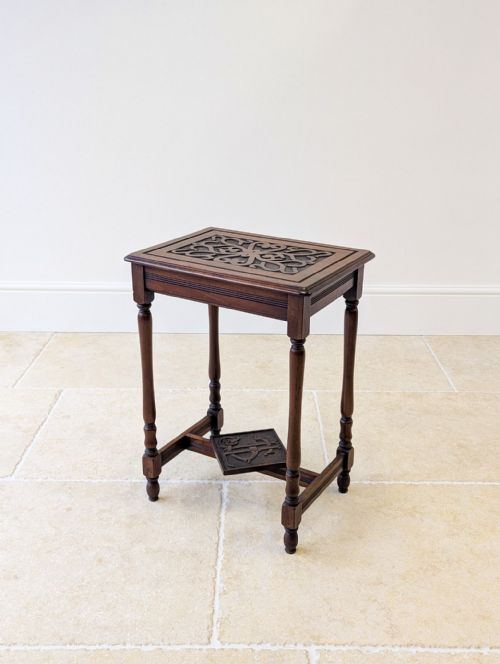
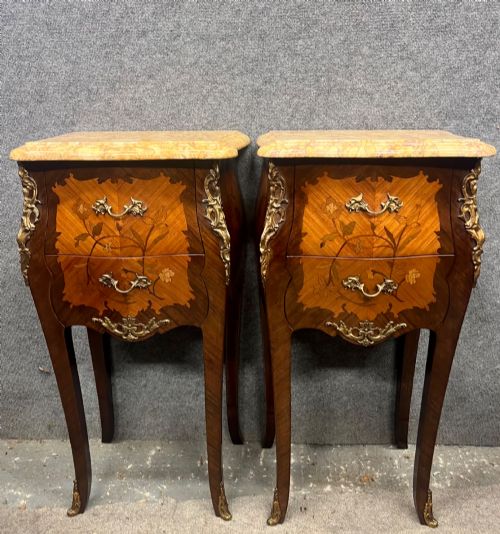
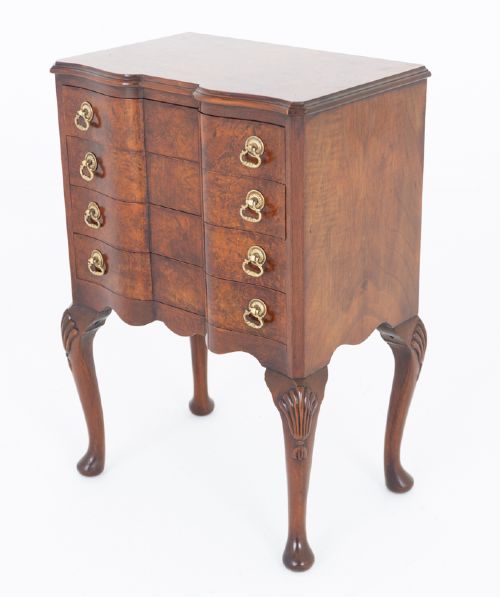
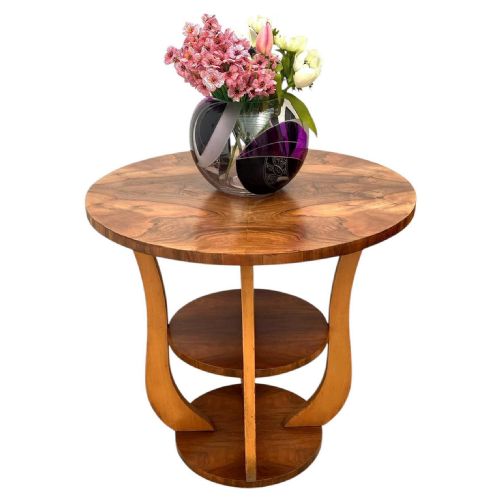
Vintage Walnut Lamp Table
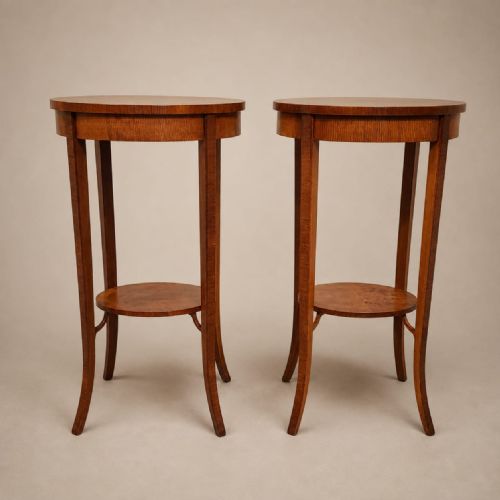
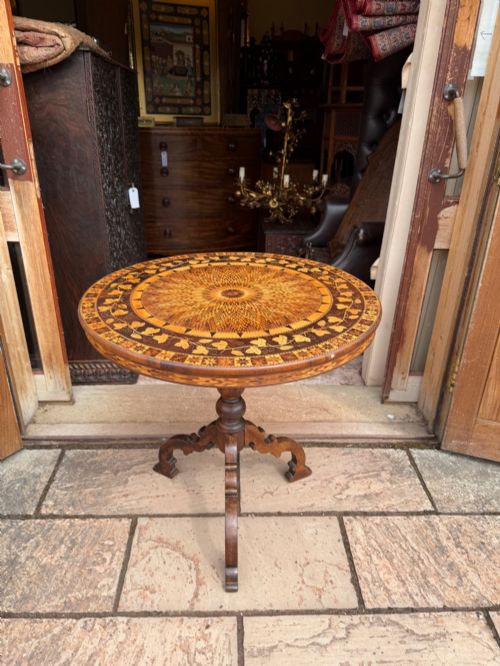
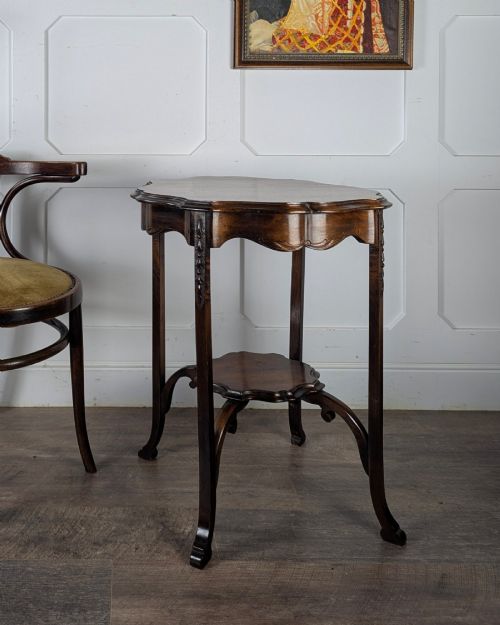
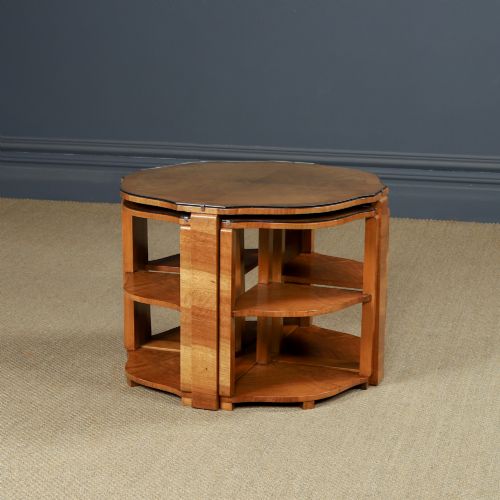
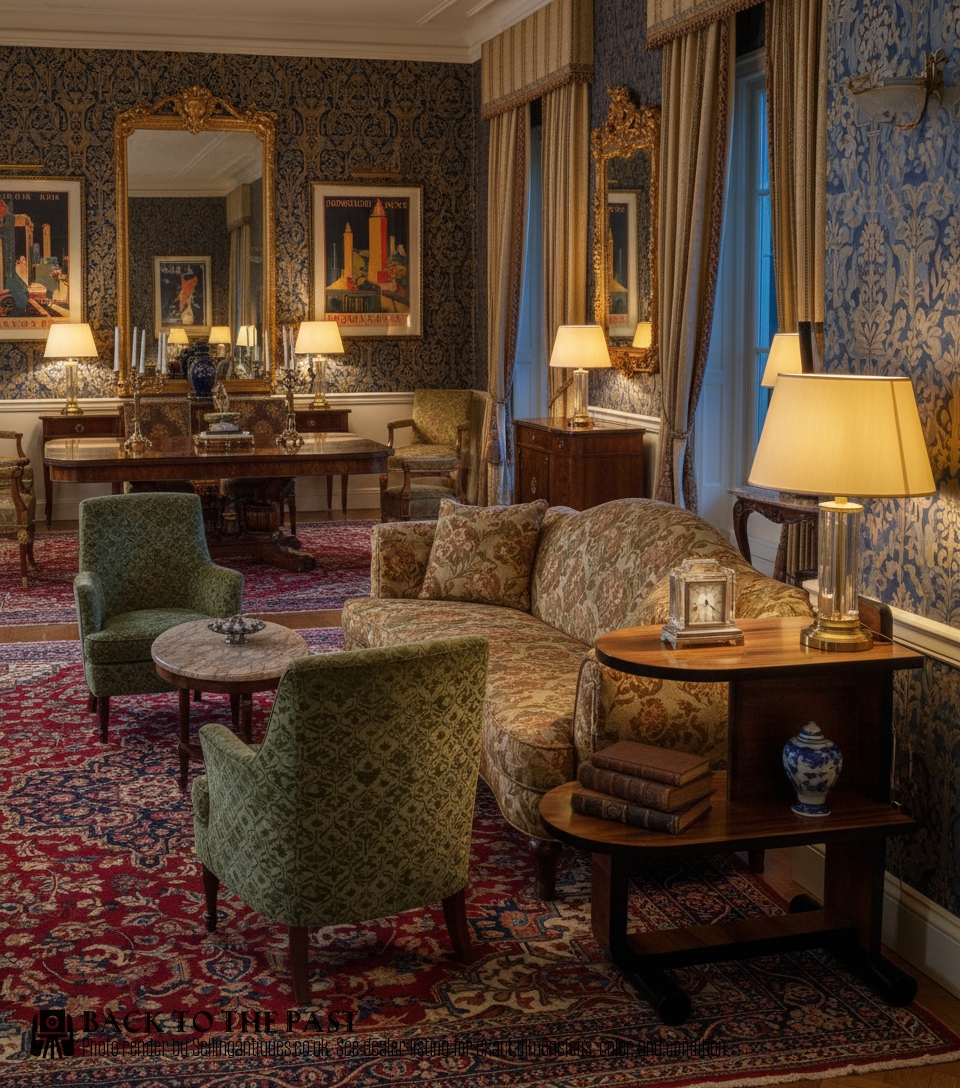
These vintage walnut lamp table pieces offer rich figured timber and practical surfaces, bringing warmth and character to any sitting room.
What They Are
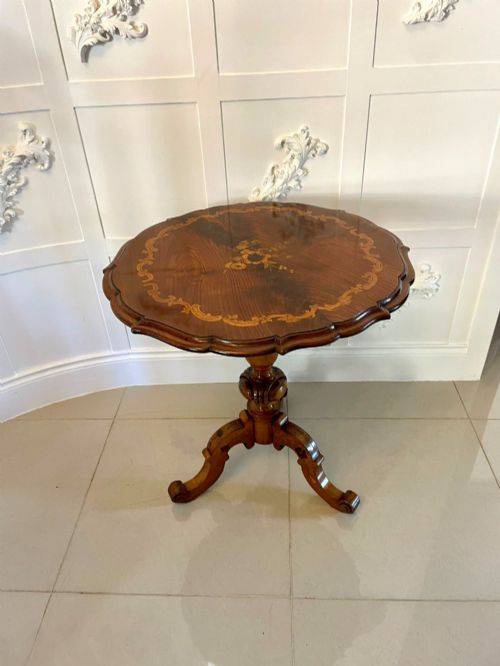
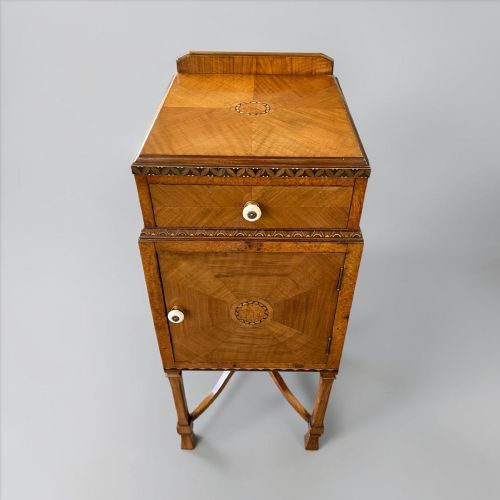
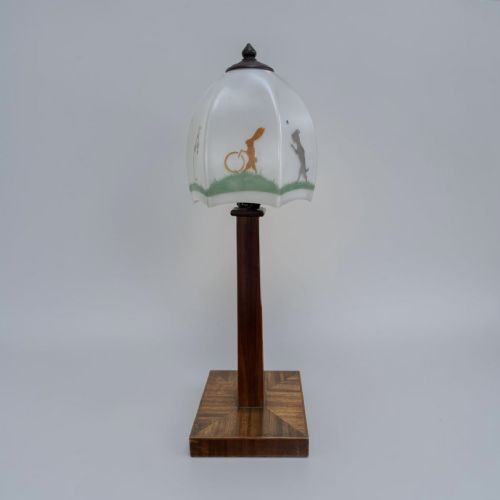
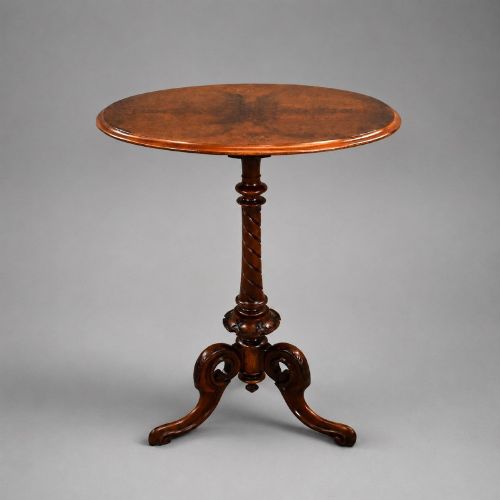
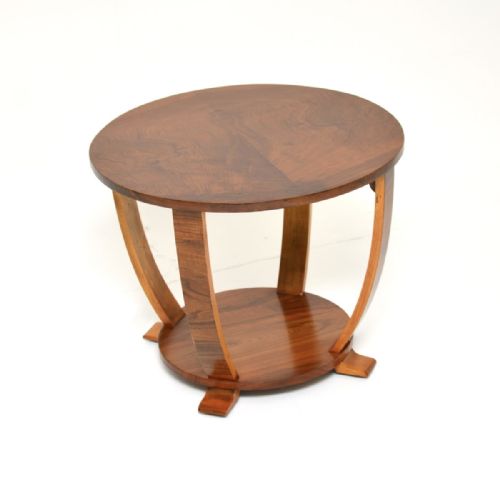
A vintage walnut lamp table provides a compact surface designed to sit beside seating and hold lighting or small objects. The pieces found here span the Victorian period and the nineteen-thirties, showing how domestic requirements changed over the decades.
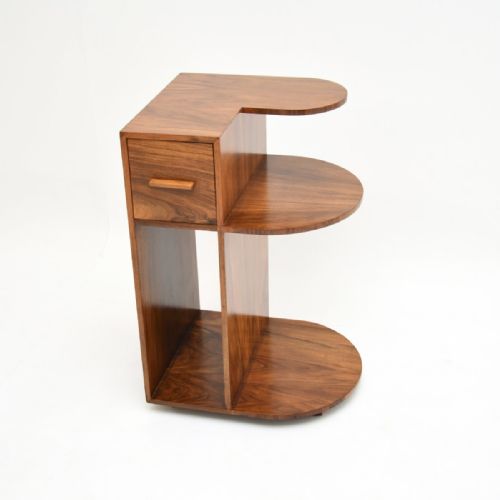
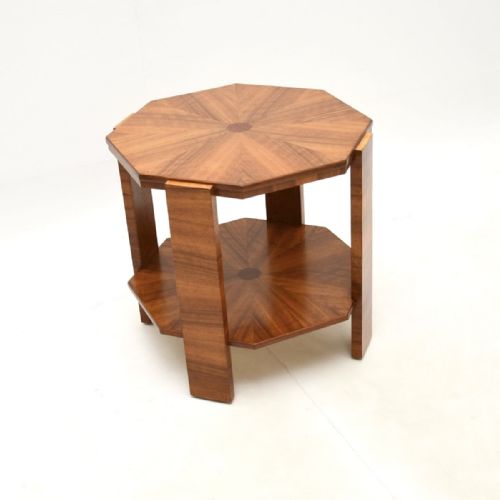
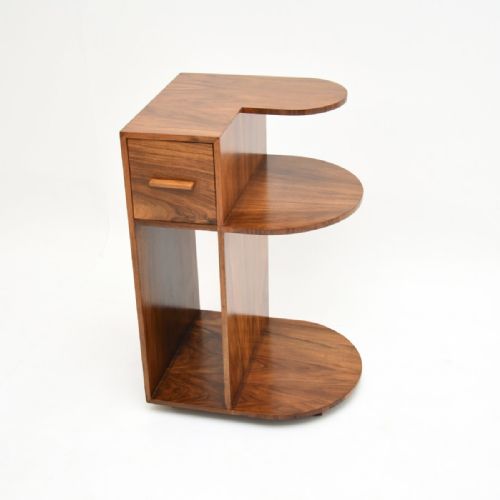
Buyers frequently encounter examples from eighteen-sixty and nineteen-thirty, ranging from occasional tables to side tables. These forms vary from pedestal designs to two-tier structures fitted with casters for easy movement around a room.
The selection includes distinct stylistic movements, most notably Victorian and Art Deco. These items utilise walnut alongside burr walnut, ebonised wood, ebony, and metal, creating varied visual contrasts across different forms.
How They Were Made
Cabinet makers constructed these tables using solid walnut and decorative veneers such as burr walnut. Some examples incorporate contrasting details in ebony and ebonised wood to highlight structural lines and geometric forms.
Nineteenth-century workshops relied on traditional timber preparation and joinery to build sturdy occasional tables. Later Art Deco pieces employed modern techniques, integrating metal supports and functional elements like casters into the design.
Retail Price Guide 2026
Typical UK retail prices for vintage walnut lamp table, calculated from the Sellingantiques database of over a million retail prices indexed since 2003. This retail price guide relies exclusively on Sellingantiques data; no external sources or auction records are used, so the figures do not describe the wider market.
Some tables come equipped with casters, proving that nineteenth- and twentieth-century hosts loved the freedom to rearrange their parlours on a whim.
What Varies in Quality
The distinction between ordinary and exceptional tables rests in the selection and matching of the timber veneer. Highly figured burr walnut displays complex grain patterns that require expert cutting and placement across the surface.
Design complexity also separates standard items from finer examples, particularly in pieces that combine multiple materials such as walnut and ebony. Refined proportions and integrated hardware elevate the overall presence of a table.
The Vintage Walnut Lamp Table Glossary
- Burr walnut
- A type of wood veneer taken from the growth excrescence on a walnut tree, prized for its swirling, highly figured grain patterns. It provides a decorative and luxurious surface on tabletops.
- Occasional table
- A small, movable table designed for intermittent use in a living space. These pieces serve multiple functions including holding lamps, books, or drinks.
- Art Deco
- A design style popular in the nineteen-thirties characterised by sleek geometric shapes, streamlined forms, and modern industrial materials. It marks a clear departure from ornate nineteenth-century decoration.
- Ebonised wood
- Timber treated with a dark finish to imitate expensive ebony. This technique creates stark visual contrasts when paired with lighter walnut surfaces.
Frequently Asked Questions
Where should I place a vintage walnut lamp table?
These tables fit naturally beside armchairs, sofas, or in corners where surface space is needed for reading lamps or small decorative items. Their compact footprints allow them to integrate easily into both traditional and modern room layouts.
Because many examples feature finished timber on all sides, they can stand away from walls rather than being pushed flat against them. Two-tier versions also provide extra room for stacking books or placing everyday objects.
What is the difference between Victorian and Art Deco tables?
Victorian tables from the mid-nineteenth century typically feature more traditional forms, darker timbers, and decorative elements inspired by historical revival styles. They emphasise craftsmanship rooted in solid wood construction and classic silhouettes.
Art Deco tables from the nineteen-thirties embrace geometric simplicity, streamlined profiles, and contrasting materials like ebony and metal. These pieces reflect a modern aesthetic focused on clean lines and functional innovation.
Are these tables suitable for daily use?
These tables were built to serve everyday domestic functions, whether holding a reading lamp or acting as a convenient surface for a coffee cup. Their sturdy construction ensures they remain practical for modern living.
Careful placement and basic maintenance prevent accidental damage to the polished walnut surfaces. Using casters where fitted also allows the table to move smoothly without straining the joints.