


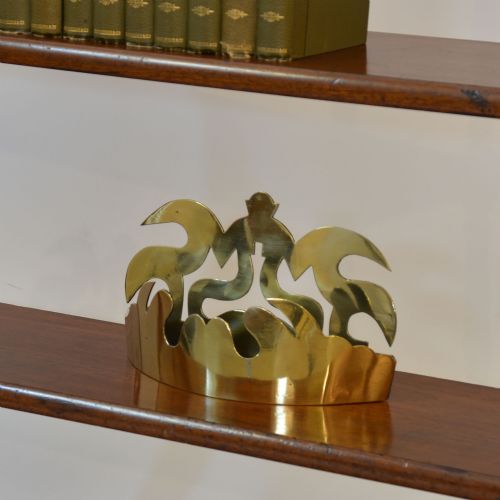


Vintage Wall Vases
Vintage wall vases bring together floral still life paintings and decorative wall pockets from periods spanning the eighteenth to the mid-twentieth century.
Vintage Wall Vases
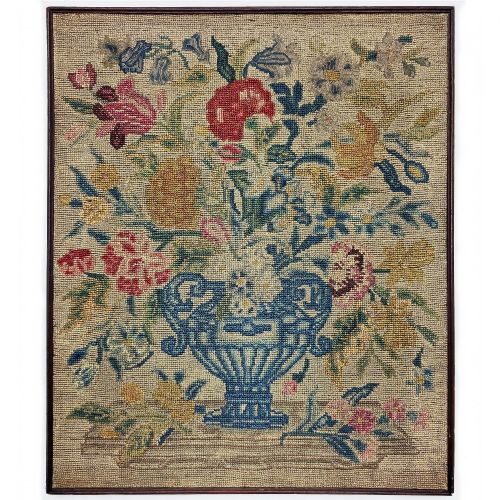
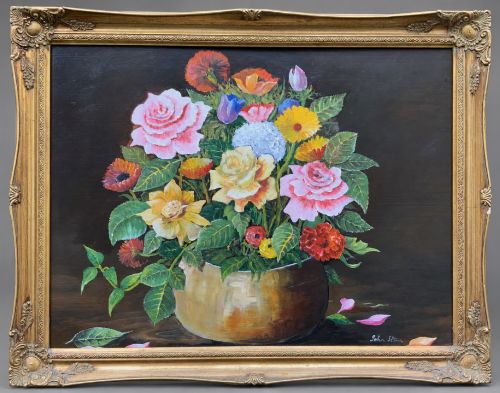
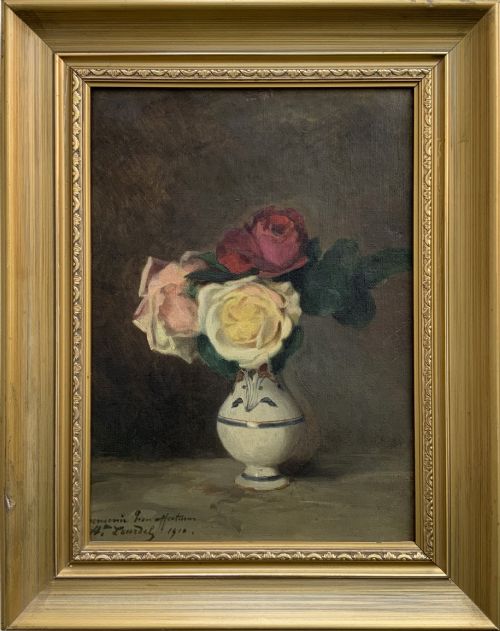
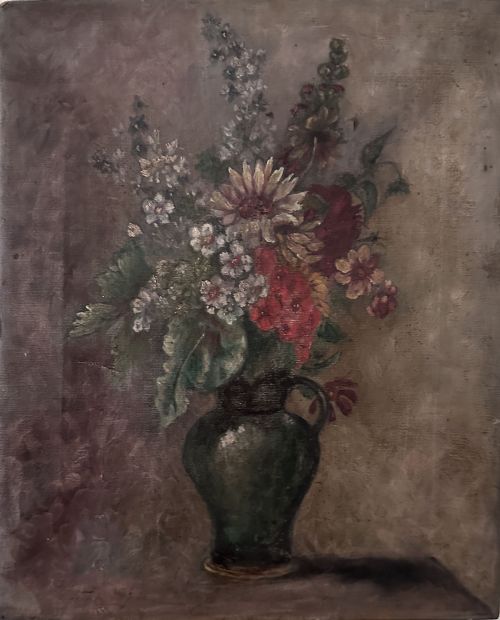
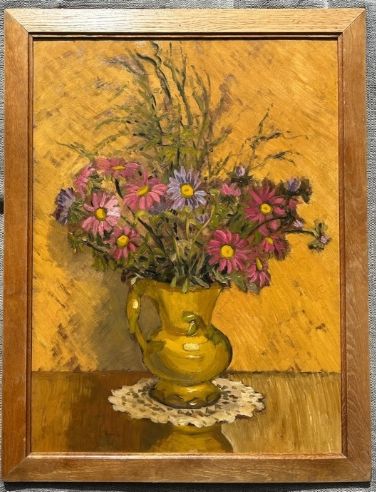
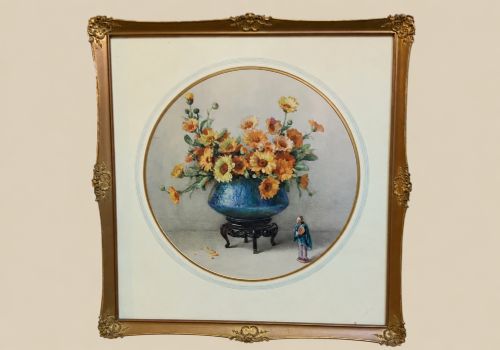
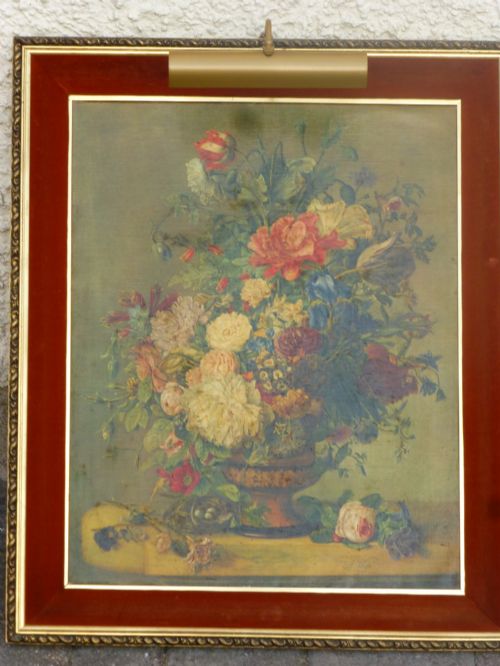
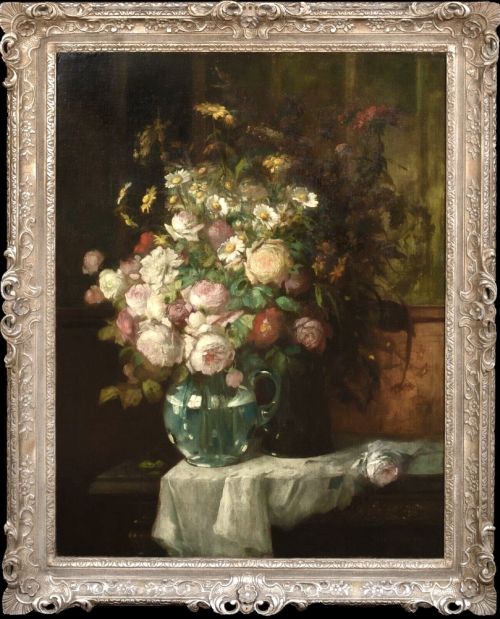
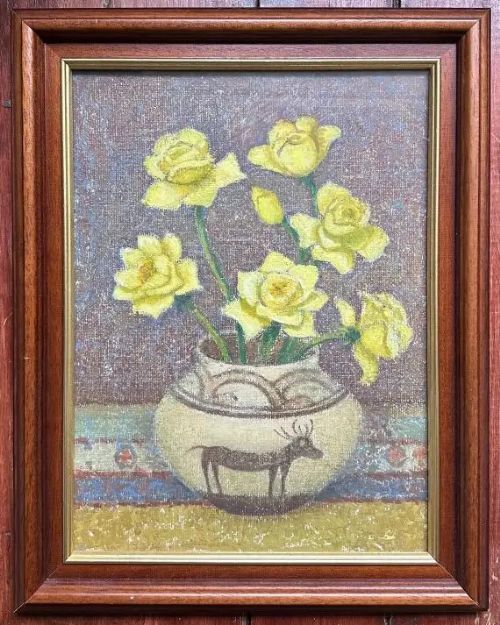
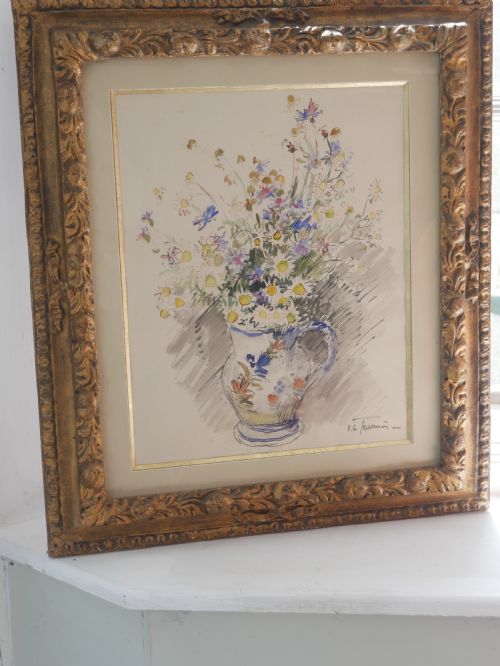
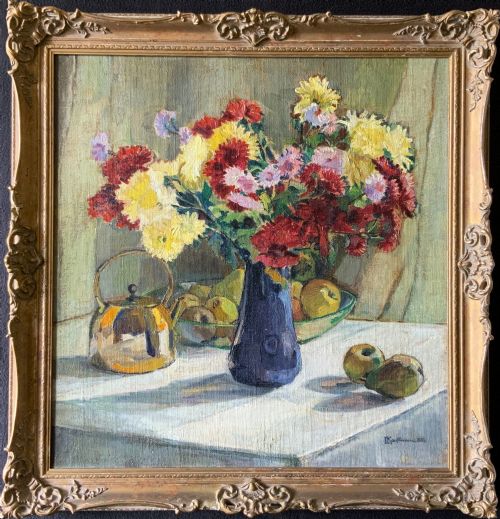
Vintage wall vases encompass a diverse selection of oil paintings, watercolours, and ceramic or brass wall pockets depicting floral arrangements and vases. Buyers searching for vintage wall vases encounter works ranging from eighteenth-century baroque compositions to mid-century modern and impressionist studies.
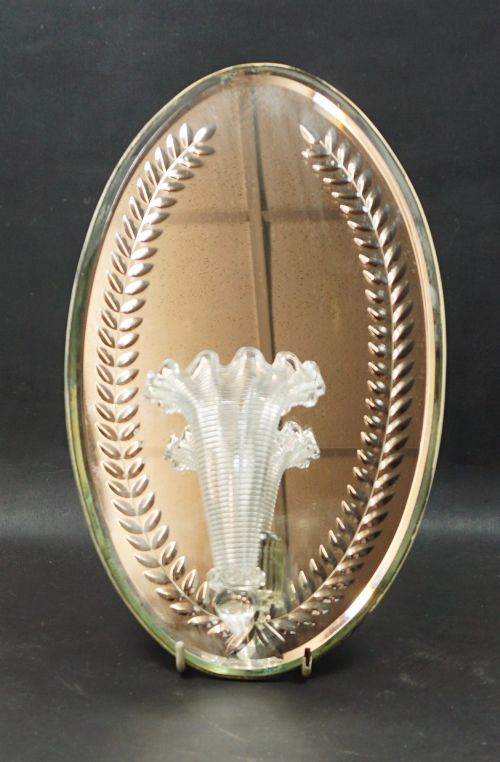
The pieces on this page lean heavily towards floral still life paintings in oil and watercolour, alongside occasional brass and pottery wall pockets designed to hang on vertical surfaces. Artists from various British and European schools dominate the selection, capturing flowers in vessels from the nineteenth and twentieth centuries.
Materials and methods
Makers and painters utilised oil on canvas, oil on board, and watercolour on paper, often framing the finished artwork in traditional wood. Metalwork items consist of brass formed into decorative wall pockets, while pottery versions employ glazed ceramic techniques.
Pigments were applied with brushwork characteristic of impressionist, traditional, and mid-century styles, capturing light and texture within floral still lifes. Canvas and paper provide the primary grounds for the painted works, while cast or beaten brass and fired clay shape the three-dimensional wall vessels.
Vintage Wall Vases Retail Price Guide 2026
Typical asking prices for vintage wall vases among the pieces listed under this phrase on Sellingantiques today, from the lower quarter to the upper quarter. They describe what is for sale here now, not the wider market.
Listings feature oil paintings, watercolours, and pastels alongside brass and pottery wall pockets spanning the eighteenth to the twentieth century.
Assessing quality
Quality rests in the handling of brushwork, the depth of composition, and the fidelity of the floral rendering. Works by recognised artists display a confident command of colour and light that elevates the piece beyond standard decorative production.
The physical condition of the canvas, paper, or metal surface dictates the longevity and visual appeal of each item. Stronger examples maintain original framing, stable pigment layers, and minimal restoration, preserving the artist's intended atmosphere.
Kenneth Cozens·Emma Fordyce MacRae·Owen Bowen·Florence Hess·Stuart Armfield·Henry Schouten·Jennifer Toombs·Emily Selinger·William Thomas Wood·Herbert Davis Richter
The Vintage Wall Vases Glossary
- Still life
- A painting or drawing representing inanimate objects, predominantly everyday or natural items such as flowers and fruit. These compositions allow artists to explore light, colour, and arrangement.
- Impressionism
- A nineteenth-century movement characterised by relatively small, thin, yet visible brush strokes and an emphasis on accurate depiction of light. Painters of this style focus on transient effects.
- Wall pocket
- A decorative vessel designed to be hung on a wall to hold flowers, foliage, or other items. They appear in materials like brass and pottery.
- Baroque
- A highly ornate and extravagant style of architecture, art, and music that flourished in Europe from the early seventeenth century until the mid-eighteenth century. Works from this period emphasise dramatic tension and rich detail.
Vintage Wall Vases: Frequently Asked Questions
How do I hang a vintage wall vase safely?
Wall pockets require secure fixings suited to the wall material, such as wall plugs and screws that match the weight of brass or pottery. Painted works need sturdy picture wire and picture hooks rated for the weight of the framed canvas.
Ensure the hanging point engages firmly with the bracket or wire to prevent accidental slips. Period frames can be heavy, so checking the integrity of the original hanging hardware is essential.
What periods do these pieces represent?
The selections span from the eighteenth century through the Victorian era and into the mid-twentieth century. Mid-century and early twentieth-century modernist works sit alongside traditional nineteenth-century oils and watercolours.
Each period brings distinct stylistic traits, from baroque floral compositions to impressionist flower studies and post-war interpretations.
Are all these items painted on canvas?
Canvas serves as the primary support for many oil paintings, but other materials are common in this category. Works on paper include watercolours and pastels, while some paintings utilise artist boards.
Physical wall vases introduce entirely different mediums, featuring cast brass and glazed pottery designed specifically to mount on vertical surfaces.
How should I care for a vintage oil painting?
Keep painted works away from direct sunlight and sources of extreme heat or humidity to protect the canvas and pigment. Dust gently with a soft, dry brush without applying pressure to the paint surface.
Avoid using liquid cleaners or chemical solvents on the paint or the historic frame. Professional conservation should be sought if the canvas requires cleaning or structural repair.