



Vintage Wall Pocket
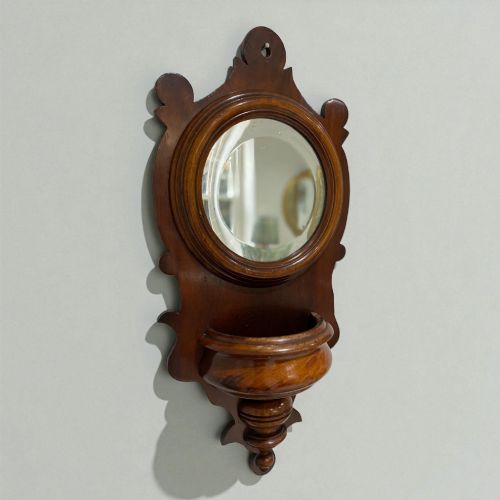
A vintage wall pocket holds letters or stems against a timber panel, bringing tactile utility and period character directly to a room.
Vintage Wall Pocket
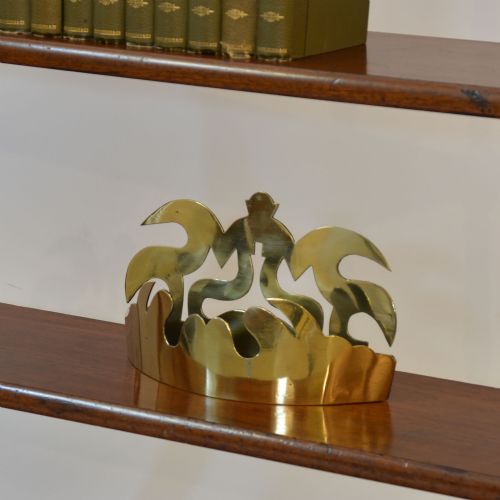
A vintage wall pocket serves as a decorative receptacle for correspondence, small items or floral stems, designed to hang securely against a vertical surface. When buyers search for a vintage wall pocket, they encounter diverse iterations ranging from ornate cast brass crowns to whimsical pottery animal figures.
The selections available here span the nineteenth century through the early decades of the twentieth century, taking shape in varied materials like glazed ceramic and polished metal. These domestic accessories reflect the practical storage needs and aesthetic tastes of Victorian and Edwardian households.
Makers often fashioned these pieces to catch the eye in hallways, parlours or studies, blending functional utility with ornamental charm. Each surviving example demonstrates how previous generations managed everyday paperwork and small domestic clutter.
How they were made
Artisans employed cast brass, iron, and bronze to shape metallic wall pockets, often utilising intricate moulds to achieve raised relief motifs and crown designs. These metalwork techniques ensured structural rigidity for objects intended to support weight on a wall.
Potters shaped ceramic and earthenware versions by hand or with moulds before applying colourful glazes and firing the clay at high temperatures. Wood and pottery components combined traditional joinery and shaping methods typical of nineteenth-century craft workshops.
What varies in quality
The refinement of the casting or carving dictates the visual distinction between standard domestic items and superior examples. Crisp details in metal relief or expressive modelling in pottery indicate a higher standard of workmanship.
The integrity of the original material surface, whether patinated brass or authentic glaze, preserves the visual depth valued by collectors. Pieces retaining their original fixings and untact finish demonstrate superior preservation over time.
Josef Herzog
The Vintage Wall Pocket Glossary
- Wall pocket
- A small hanging container designed to mount on a wall for holding letters, small objects or dried plants. These items became popular domestic accessories during the Victorian period.
- Patina
- The natural sheen or surface alteration developed on materials like brass, bronze, and wood through age and handling. This gradual change denotes authenticity and long-term use.
- Relief
- Sculptural projection from a flat background surface, commonly seen in cast metal or moulded pottery wall pockets. This technique creates depth and shadow within the design.
- Earthenware
- Porous pottery fired at lower temperatures, frequently glazed to hold moisture or display decorative colours. It represents a common medium for domestic vessels and wall ornaments.
Vintage Wall Pocket: Frequently Asked Questions
What were vintage wall pockets used for?
Households utilised these hanging vessels primarily to store incoming post, calling cards, or small stationery items near an entryway. They kept essential papers organised and within easy reach before the widespread use of fitted hallway furniture.
Over time, some designs also functioned as decorative holders for dried floral arrangements or spills used to transfer flames to candles and lamps. Their dual purpose as storage and decoration secured their place in nineteenth-century interiors.
How do I hang a vintage wall pocket safely?
Most pieces feature original suspension loops or mounting holes designed for picture hooks or sturdy wall screws. Weight distribution matters, especially with cast metal or pottery versions, so secure fixings into wall studs or appropriate anchors are essential.
Ensure the mounting hardware matches the load capacity of the specific material, whether fragile earthenware or heavy brass. Checking the stability of any hanging bracket prevents accidental detachment and protects the piece from impact.
How do I tell nineteenth-century pieces apart?
Nineteenth-century examples often display distinct casting methods, heavy brass compositions, or hand-painted ceramic glazes characteristic of Victorian manufacturing. Examining the reverse side for maker marks, casting seams, or tool marks helps determine the production era.
Stylistic cues such as Rococo revival scrolls or folk art motifs align specific pieces with the design trends of the 1800s. Comparing material patination and construction techniques further clarifies the age of each item.