


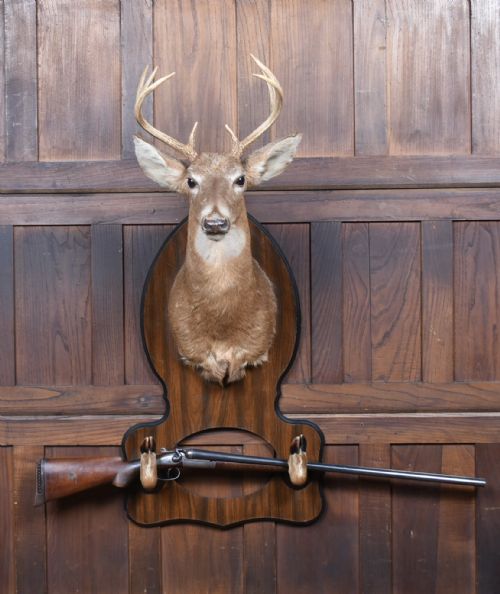


Vintage Wall Mounted Taxidermy
These vintage wall mounted taxidermy pieces bring preserved wildlife and sporting history directly into domestic interiors.
Vintage Wall Mounted Taxidermy
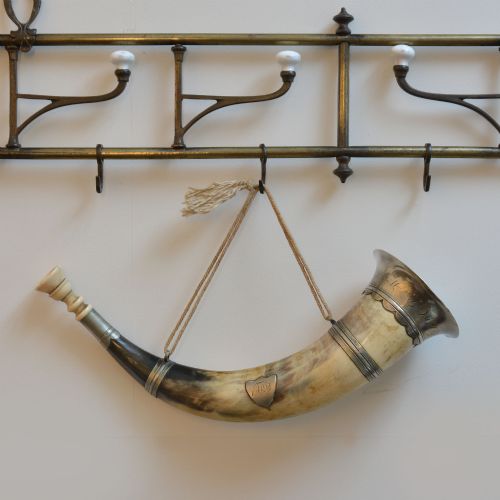
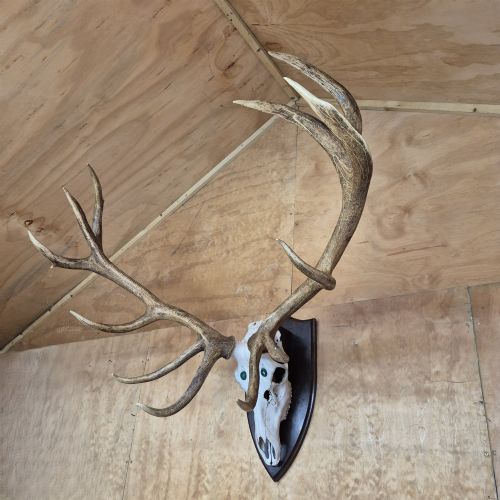
When you search for vintage wall mounted taxidermy, you encounter preserved animal specimens and horn trophies prepared for hanging on interior surfaces. The selection ranges from nineteenth century sporting heads to early twentieth century British and continental mounts.
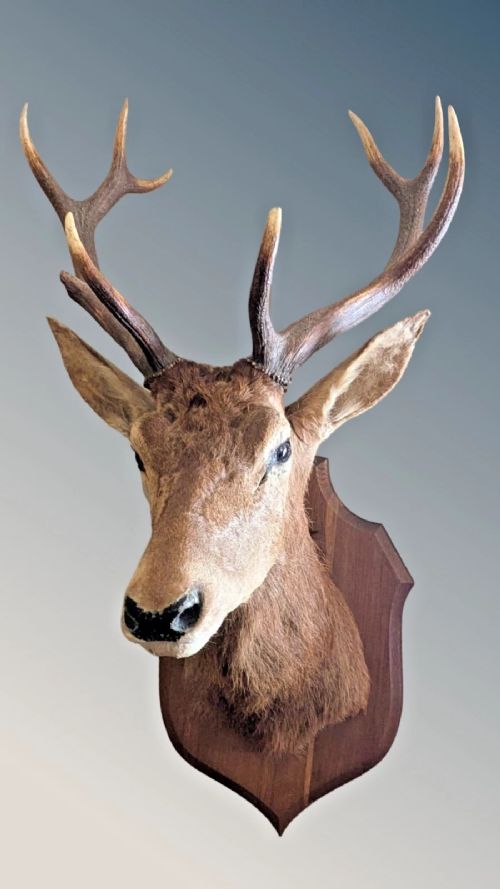
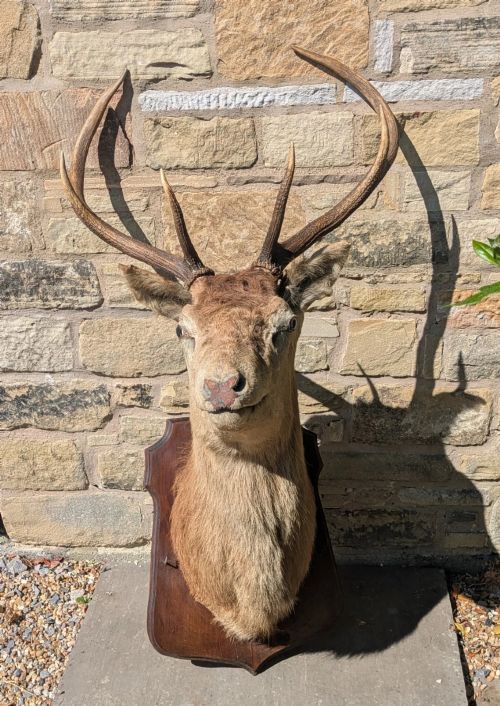
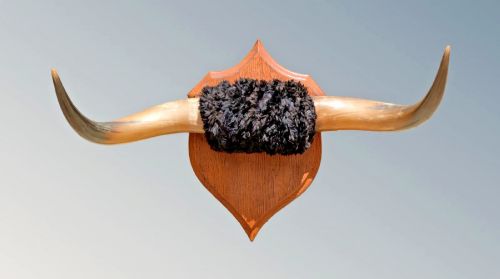
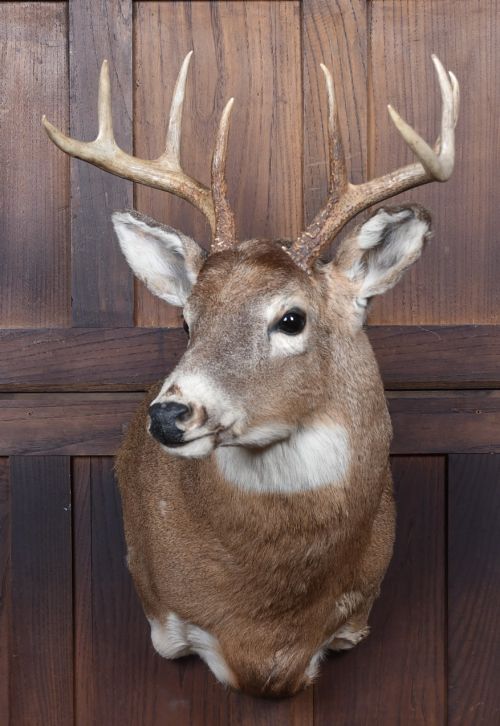
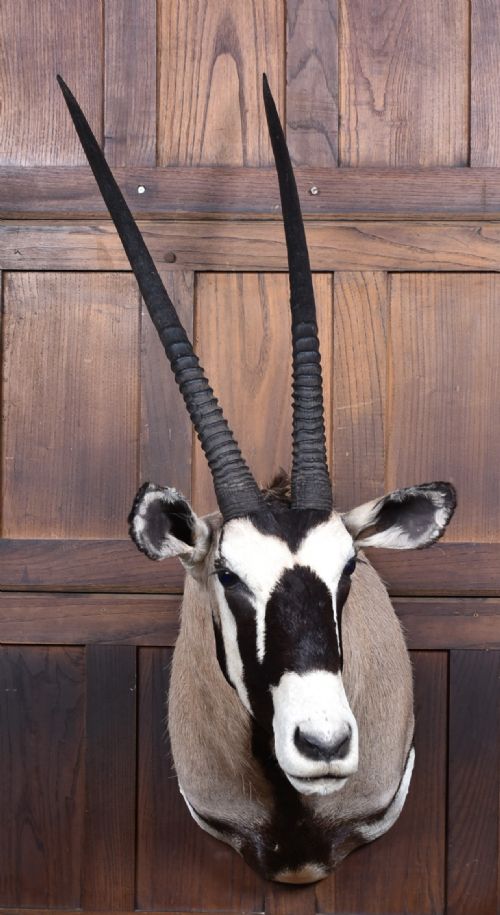
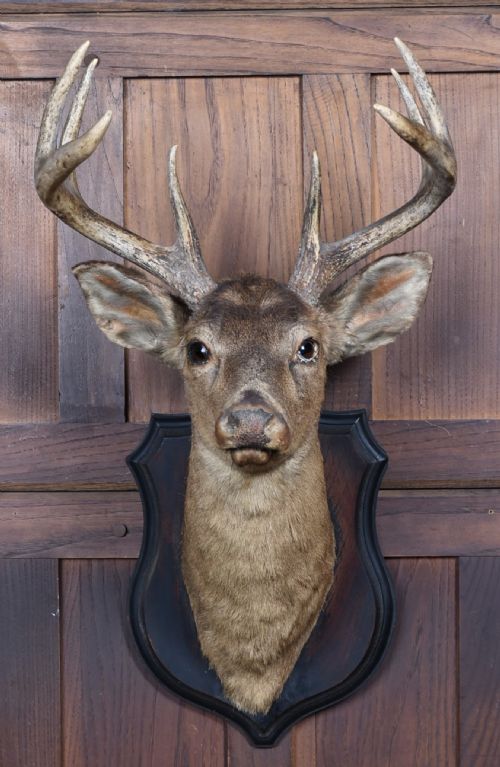
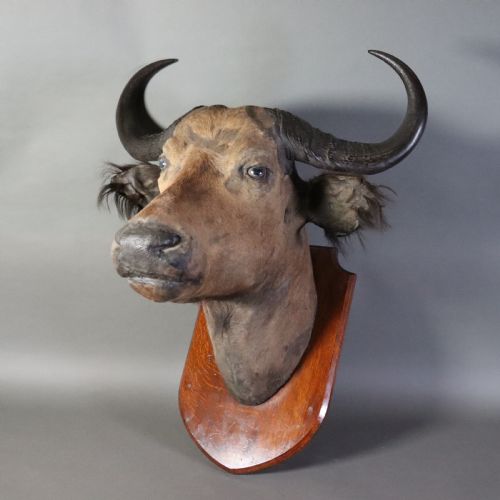
You are most likely to meet deer heads, fox masks, and antelope trophies mounted on carved wooden shields or oak panels. These objects reflect nineteenth century natural history traditions and British sporting culture.
Materials and construction
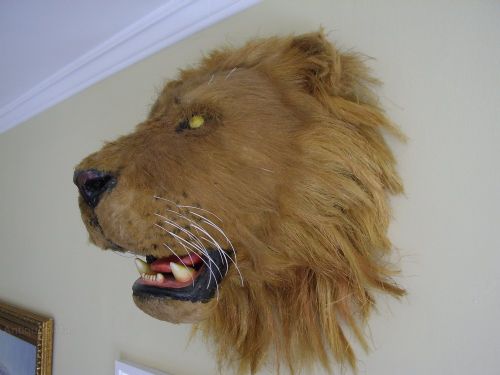
Taxidermists utilised taxidermy hide, fur, bone, horn, and antler mounted over sculptural forms. Glass eyes and painted details completed the lifelike appearance of the specimens.
Mounts were secured to carved oak shields, wooden panels, or integrated into Black Forest style wall decor using traditional joinery and metal fixings.
Vintage Wall Mounted Taxidermy Retail Price Guide 2026
Typical asking prices for vintage wall mounted taxidermy among the pieces listed under this phrase on Sellingantiques today, from the lower quarter to the upper quarter. They describe what is for sale here now, not the wider market.
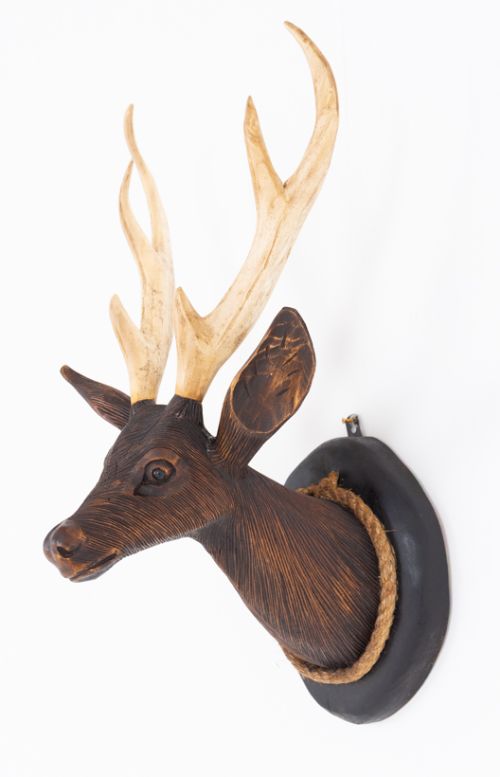
A painted folk art deer wears its carved wooden antlers with an expression of permanent mild surprise.
Distinctions in quality
The standing of a piece rests upon the skill of the taxidermist and the anatomical accuracy of the preservation. Work by established firms demonstrates superior modeling and expression compared to anonymous examples.
The condition of the hide, fur, and antlers, alongside the carving quality of the supporting wooden shield, determines the desirability of the mount.
H. Murray & Son of Carnforth·Gerrard & Sons London·Edward Gerrard & Sons·J. Cooper & Sons·Peter Spicer & Sons·W.F. Homer London
The Vintage Wall Mounted Taxidermy Glossary
- Taxidermy mount
- The preserved skin of an animal stretched over a modeled form and attached to a backing for display. These objects serve as wall sculptures and historical trophies.
- Hunt trophy
- An animal head or horns preserved to commemorate a hunt or sporting event. They frequently appear mounted on wooden shields with dates and locations inscribed.
- Black Forest style
- Carved wood decoration originating from the mountainous region of central Europe. This style typically incorporates naturalistic foliage, animals, and rustic wooden shields.
- Mask
- The head and neck portion of a fox or otter preserved as a sporting trophy. These smaller mounts are designed for compact wall placement.
Vintage Wall Mounted Taxidermy: Frequently Asked Questions
How do I hang heavy taxidermy mounts safely?
Heavy mounts require direct attachment to wall studs or appropriate masonry fixings to support the weight of the wood shield and specimen.
Ensure the hanging wire or metal brackets on the back of the oak shield match the load capacity of your wall fixings before display.
What periods do these taxidermy pieces come from?
The pieces span from the nineteenth century through the mid twentieth century, covering Victorian, Edwardian, and later periods.
Styles include British sporting taxidermy, Black Forest carvings, and continental wall decor from the 1880s to the 1950s.
How do I clean and maintain mounted specimens?
Dust the fur, hide, and antlers gently using a soft brush or a low power hairdryer on a cool setting.
Keep the mounts away from direct sunlight and moisture to protect the natural materials from fading and degradation.
What animal species appear in these collections?
Common species include red deer, roe deer, white-tailed deer, fox, otter, antelope, and exotic game such as waterbuck and springbok.
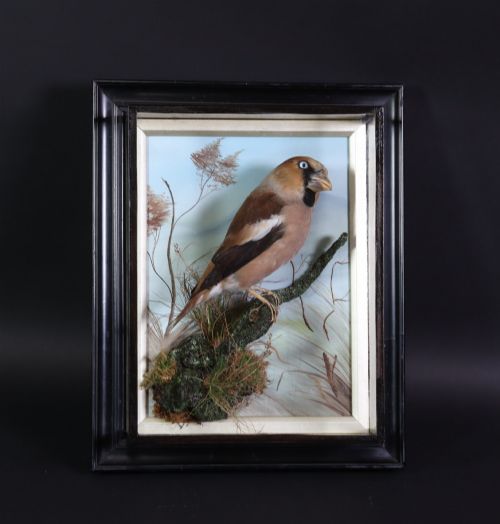
Some listings also feature fish, birds like the jackdaw, and carved wooden folk art deer.