

Vintage Wall Mount
Vintage wall mount pieces bring practical utility and period character to domestic interiors through functional fixtures fixed directly to surfaces.
Vintage Wall Mount
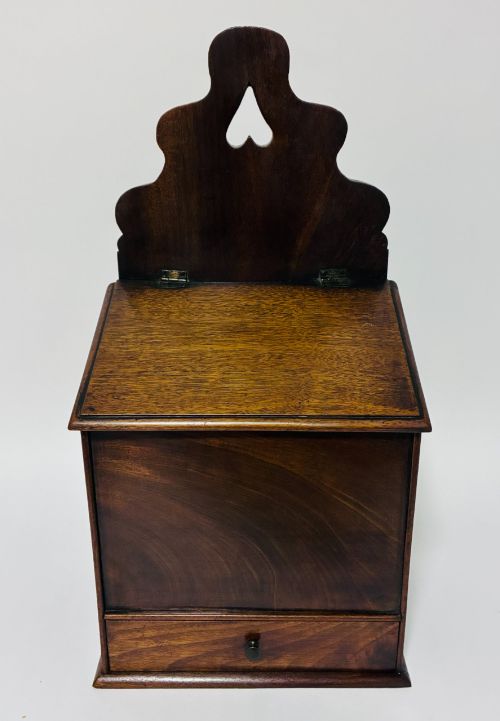
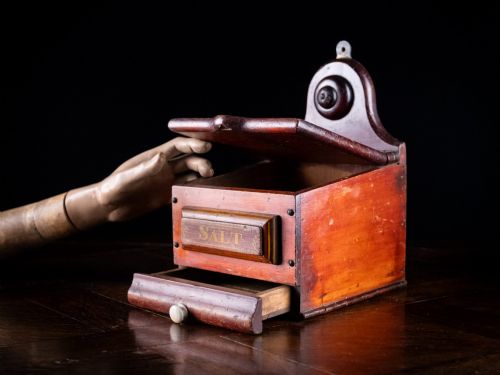
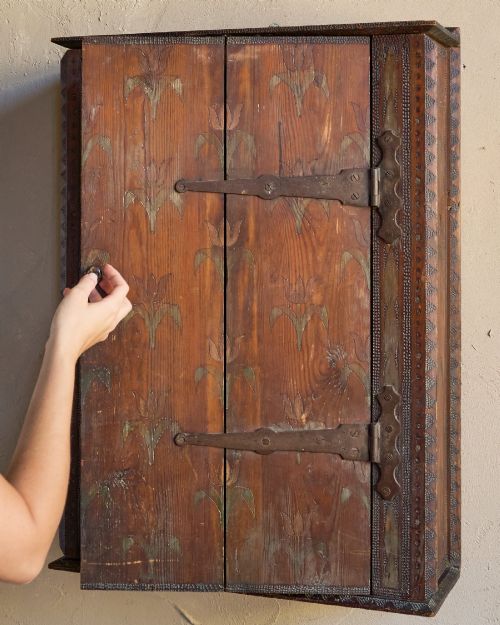
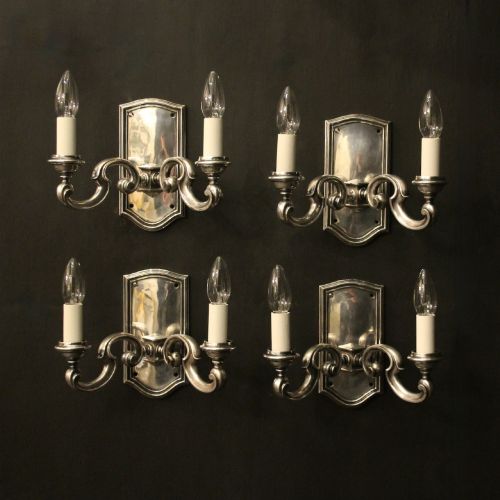
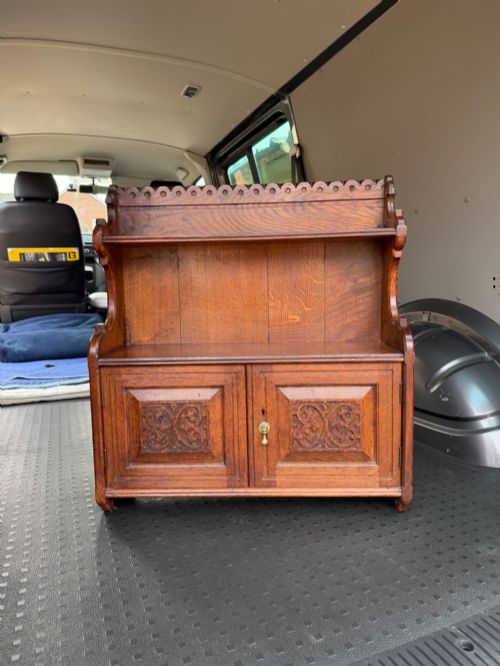
When searching for vintage wall mount, buyers encounter a diverse selection of utilitarian and decorative objects designed to be attached to vertical surfaces. The listings demonstrate a heavy representation of coat racks, wall cabinets, shelves, brackets, and mirrors spanning several centuries from the Georgian period through the Art Deco era.
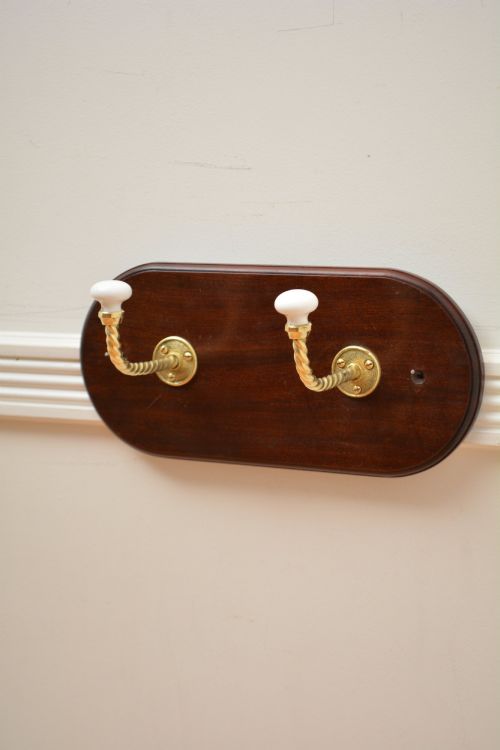
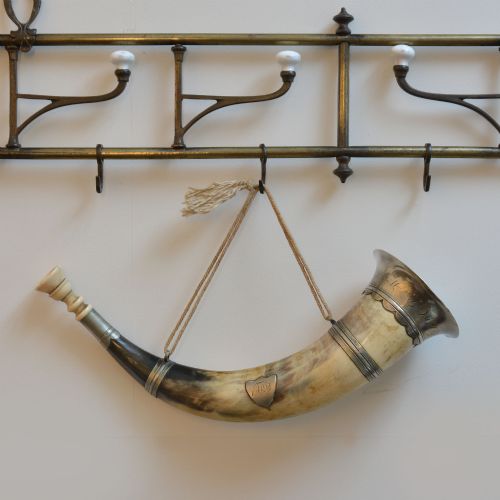
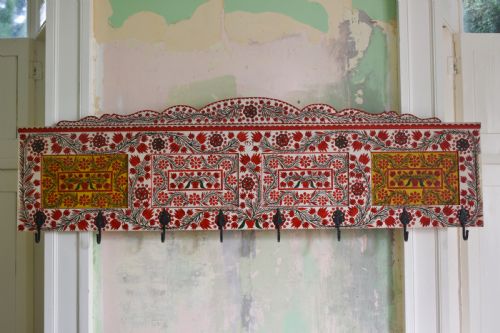
Domestic hardware forms a prominent category, including brass and ceramic coat hooks mounted on oak backing boards, alongside specialised items like wig hangers and opticians cabinets. These functional items reflect the daily organisational needs of Victorian and Edwardian households.
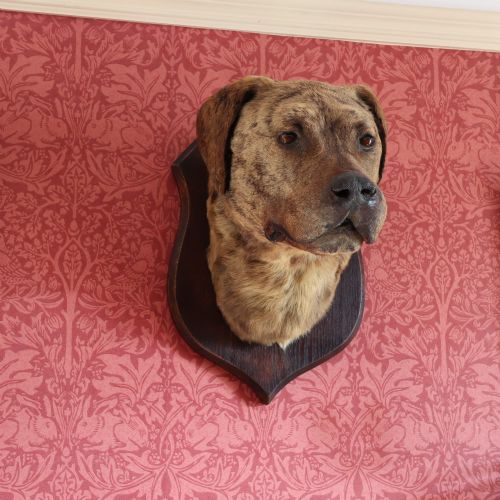
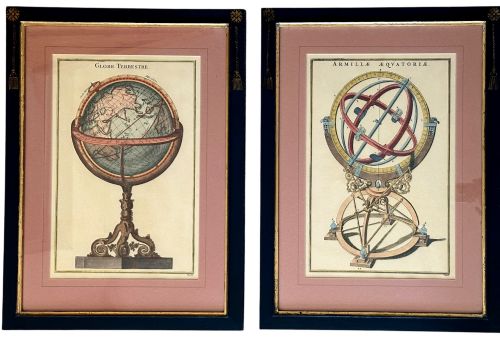
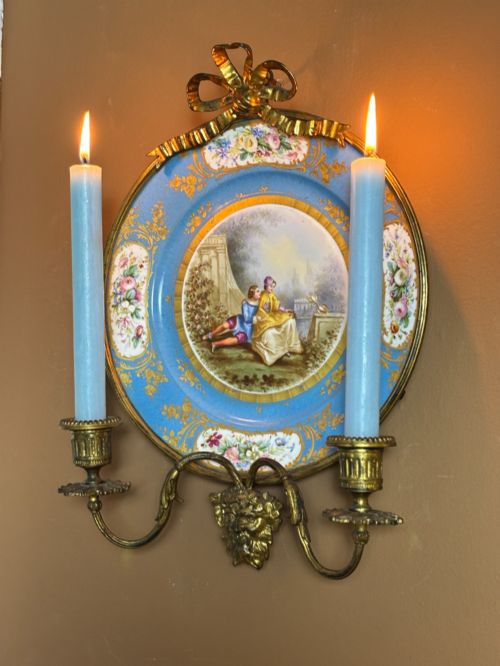
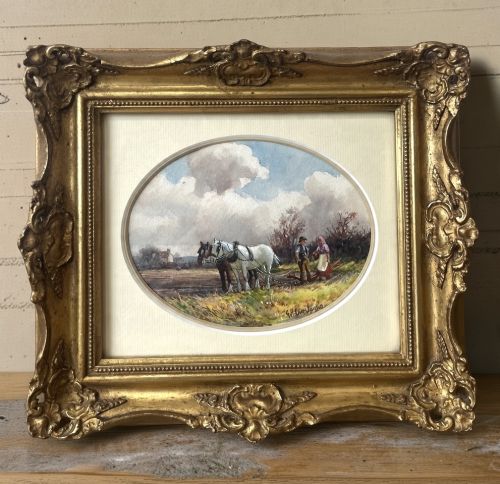
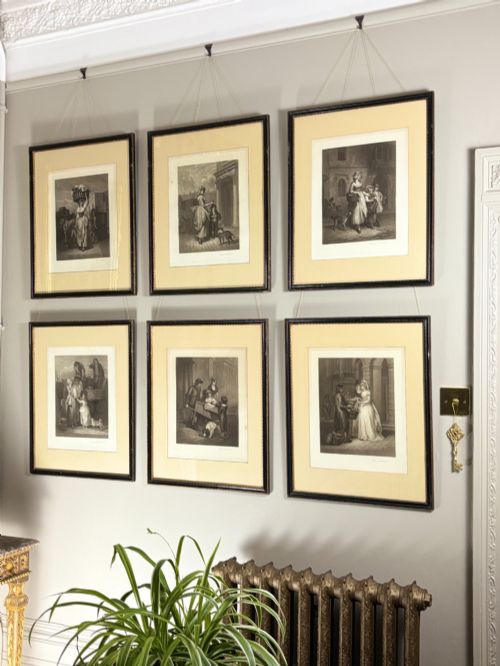
Decorative elements also populate the selection, ranging from framed prints and lithographs to taxidermy mounts and wall plaques. These pieces served to display personal interests or artistic tastes while saving floor space in compact rooms.
Materials and construction techniques
Timber selection dictated much of the cabinetry and backing boards, with mahogany, oak, walnut, and pine utilised extensively across different periods. Carpenters and cabinetmakers employed traditional joinery techniques, sometimes incorporating faux bamboo turning or shell inlay to achieve specific stylistic effects.
Metal components such as cast brass, wrought iron, and silver plate provided structural strength and decorative contrast for hooks, brackets, and fittings. Ceramic elements often complemented these metal fixtures, particularly on coat racks where glazed knobs protected garments.
Paper and glass served as the primary mediums for the various prints, barometers, and mirrors found within the selection. Framing methods varied from simple moulded wooden surrounds to ornate brass mounts designed to support mirrors and plaques securely on walls.
Vintage Wall Mount Retail Price Guide 2026
Typical asking prices for vintage wall mount among the pieces listed under this phrase on Sellingantiques today, from the lower quarter to the upper quarter. They describe what is for sale here now, not the wider market.
Listings feature items from the 18th, 19th, and 20th centuries, spanning Victorian, Edwardian, and Art Deco styles.
Indicators of quality
The standard of materials largely dictates the tier of a piece, distinguishing solid hardwoods like mahogany and oak from softer pine or lesser secondary woods. Selection of superior brass castings and durable ceramic insets for hooks signals higher workshop standards.
Execution of detail defines the finer examples, visible in crisp joinery, deliberate inlay work, and the clean rendering of turned elements such as faux bamboo or twisted rope motifs. Better workshops maintained rigorous standards in both structural integrity and surface finishing.
Preservation of original components, from brackets to glass dials and mirror plates, maintains the integrity of the object. Alterations or replacement hardware alter the historical consistency of the piece.
Heals·Ulugary & Sons·Marjorie L Davies·Donald Grant·Hokusai
The Vintage Wall Mount Glossary
- Faux bamboo
- A decorative turning technique applied to wood to imitate the segmented stalks of natural bamboo. This style appeared frequently in furniture and coat hangers during the nineteenth and early twentieth centuries.
- Banjo barometer
- A mercury barometer housed in a distinctive vertical wooden case shaped like a banjo. These instruments often incorporate thermometer scales and convex mirrors.
- Parian
- A fine-grained, unglazed porcelain resembling white marble, developed in the nineteenth century. It was frequently utilised for sculptural wall brackets and decorative objects.
- Delft
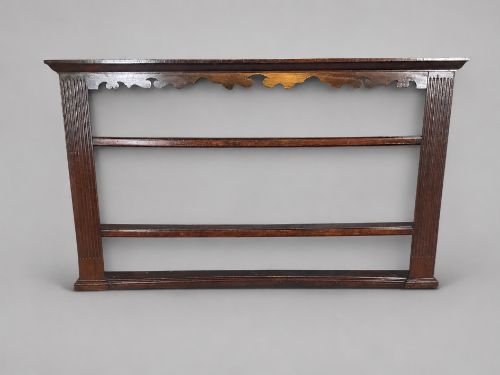
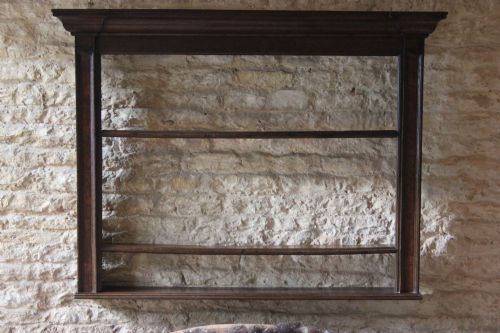
- Tin-glazed earthenware originating from Dutch and English potteries, commonly associated with wall-mounted plate racks in country houses. The glaze provides a smooth white surface often painted in blue.
- Taxidermy
- The art of preparing, stuffing, and mounting the skins of animals for display. Historical specimens range from deer heads to antelope horns mounted on wooden shields.
Vintage Wall Mount: Frequently Asked Questions
How do I secure heavy wall cabinets safely?
Heavy cabinets require sturdy fixings appropriate to the wall construction, such as solid masonry plugs or direct attachment to wall studs. Distributing weight evenly prevents strain on the original hanging brackets.
Ensuring the mounting hardware matches the load capacity protects both the antique structure and the surrounding wall surface.
Were coat racks used in specific rooms?
Coat racks typically occupied hallways, boot rooms, and bedrooms to receive everyday outdoor garments and accessories. Their placement near entry points facilitated easy access for household members and visitors.
Victorian and Edwardian variations often matched the timber of other hall furniture to maintain a cohesive interior scheme.
How should I clean antique brass hooks?
Antique brass benefits from gentle dusting and minimal intervention to preserve its accumulated patina. A soft cloth removes surface dirt without stripping the historical finish.
Harsh chemical polishes should be avoided because they remove the aged surface character valued by collectors.
What distinguishes Edwardian coat racks from Victorian ones?
Edwardian pieces often feature lighter woods and simpler Arts and Crafts influences compared to the heavier, more ornate aesthetic of the Victorian era. Brass and ceramic combinations remained popular across both periods.
Examining the underlying timber and the style of the mounting board helps clarify the likely period of manufacture.