
Vintage Wall Hanging
A vintage wall hanging brings texture and architecture to a room, turning empty plaster into a focal point through mirrors, tapestries, and timber cabinets.
Vintage Wall Hanging
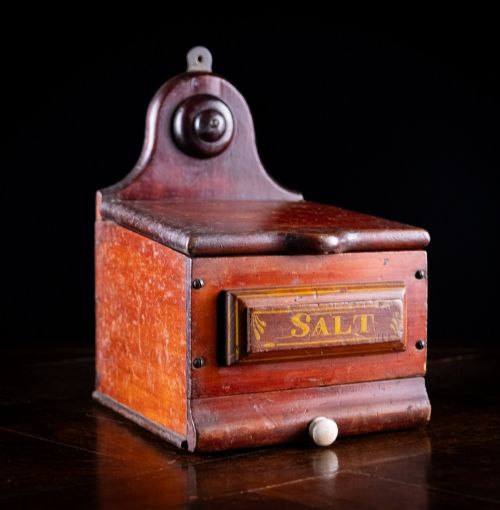
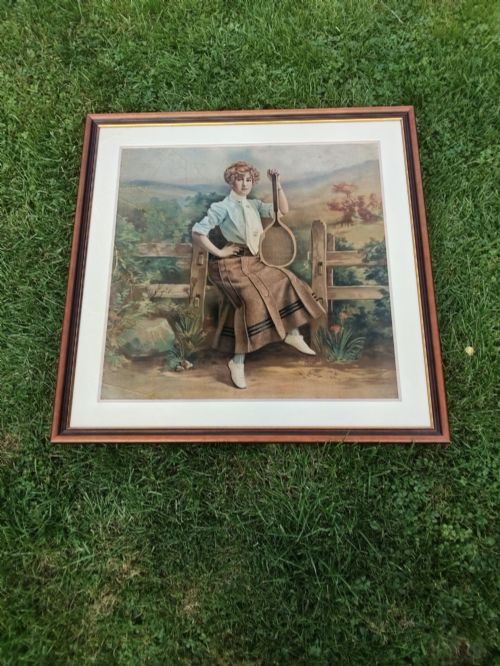
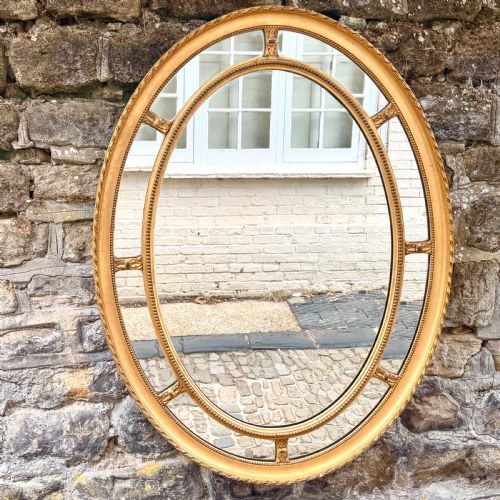
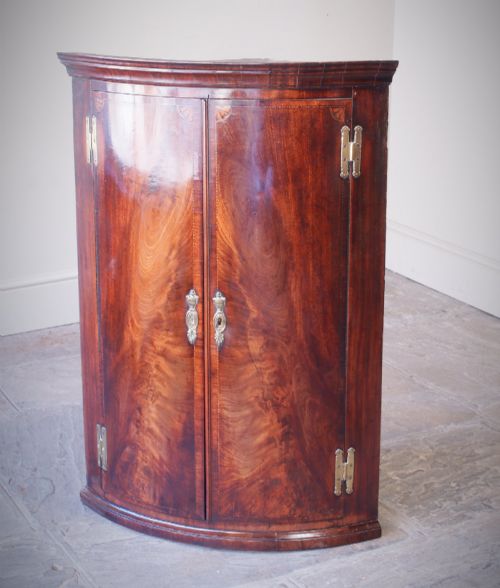
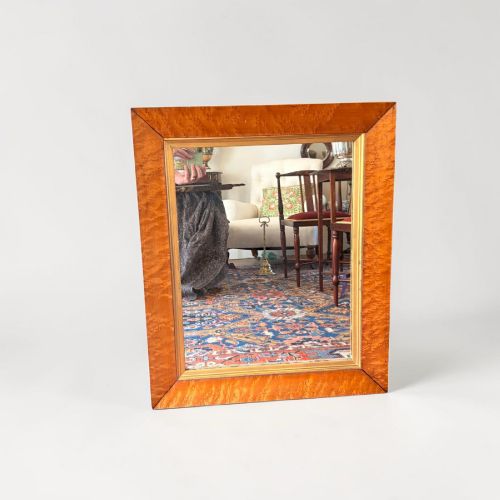
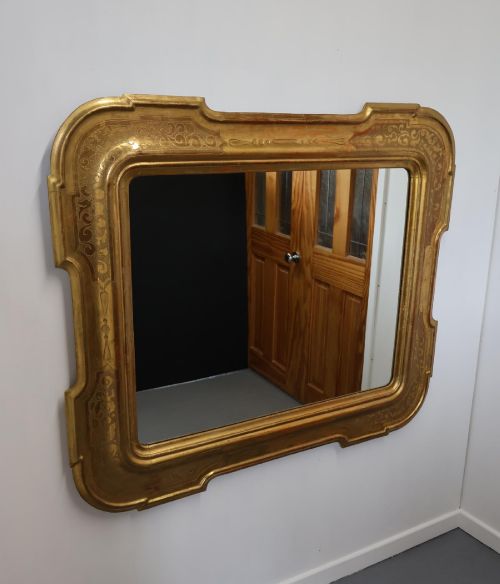
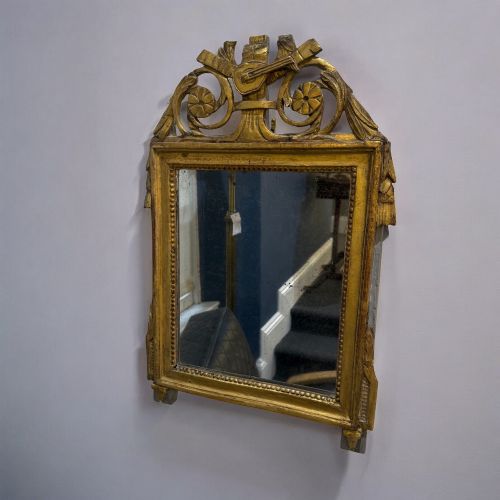
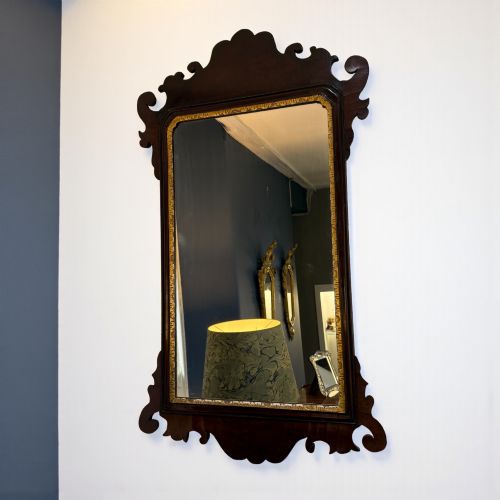
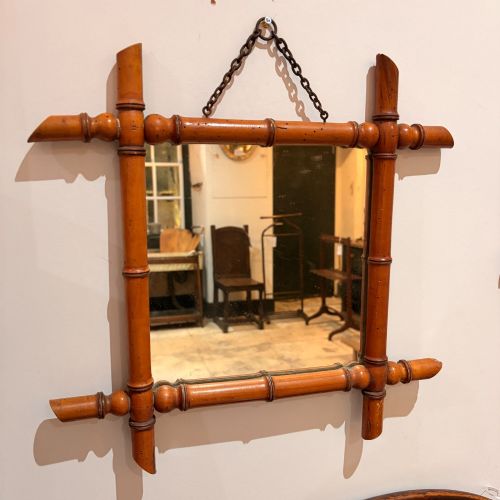
A vintage wall hanging encompasses everything suspended on domestic surfaces, from Georgian and Victorian mirrors to Edwardian tapestries and mahogany cupboards. The selection relies heavily on decorative wall mirrors framed in giltwood, gesso, or maple, alongside functional storage pieces like salt boxes and corner cupboards.
Pieces span multiple centuries, touching Georgian elegance, Victorian mass, and Art Deco geometry. Domestic interiors feature these mounted objects to utilise vertical space while introducing period materials such as brass, oak, and satinwood.
Materials and construction methods
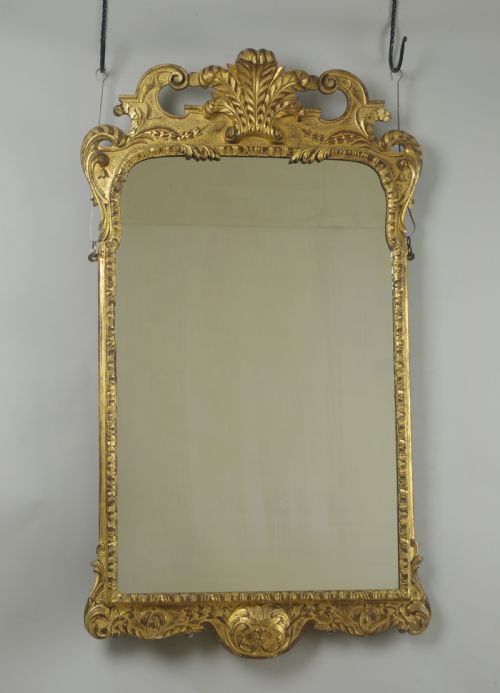
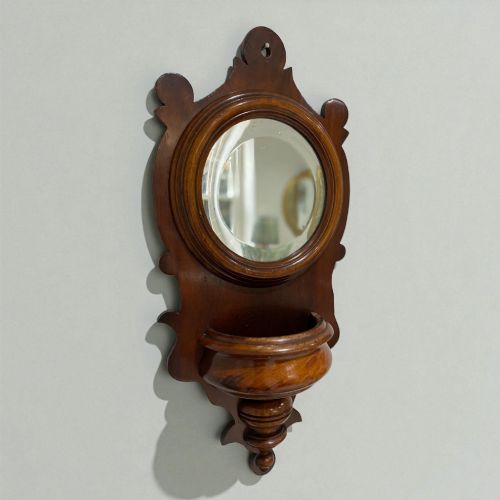
Carpenters and cabinetmakers utilised dense timbers like mahogany, oak, and walnut, frequently shaping them into bow fronts, fretwork panels, or bracket forms. Giltwood and gesso frames received hand-carved ornamentation, such as carved cherub crests or intricate floral motifs.
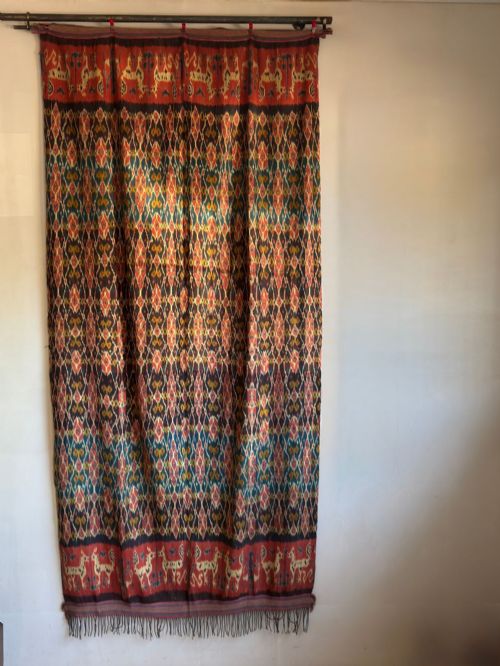
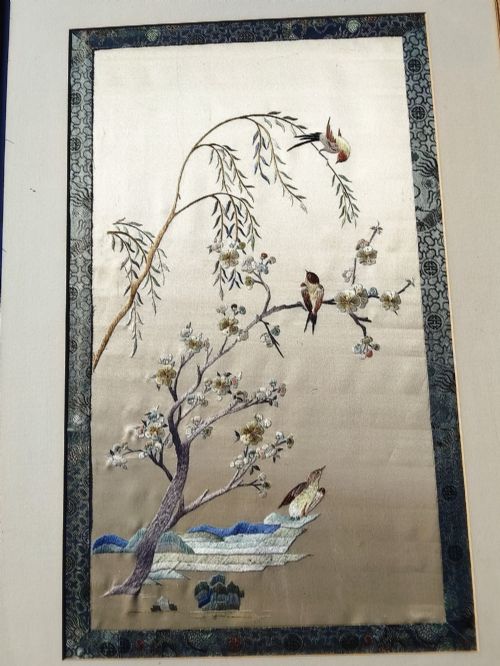
Glazing techniques secured mirrors and framed silk pictures, while specialised joinery supported heavy items like wall cabinets and bookcases. Textiles involved woven tapestries and silk picture frames under glass.
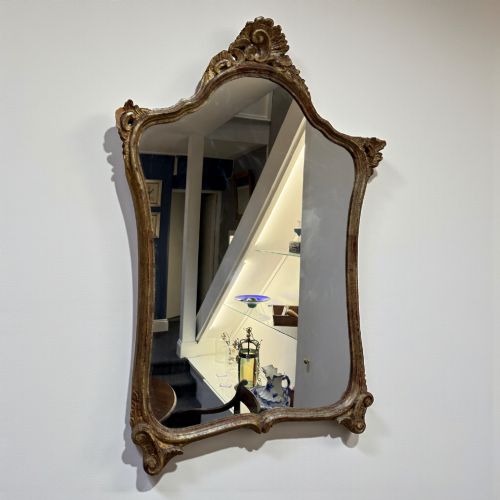
An Edwardian wall mirror keeps watch with a carved cherub crest, supervising the hallway below.
Evaluating craftsmanship and condition
Quality rests upon the depth of hand-carving in giltwood frames and the integrity of the timber joinery in cabinets and shelves. Superior examples display crisp detail in fretwork and gilding without losing structural firmness in the underlying wood.
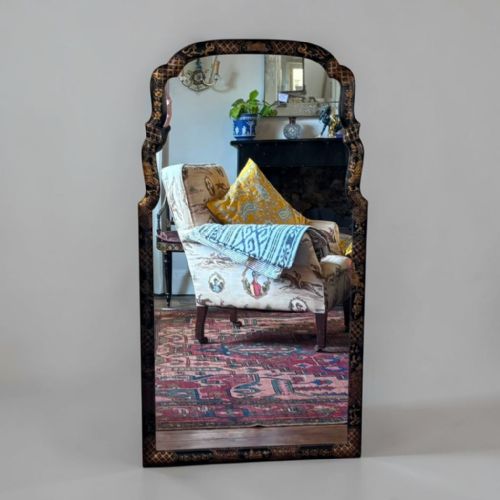
The sophistication of the design, whether an Adam revival mirror or a Chinoiserie accent, dictates the visual impact of the piece. Authentic period materials, such as early mirror plates and genuine satinwood veneers, elevate the character above later reproductions.
Waring and Gillow
The Vintage Wall Hanging Glossary
- Giltwood
- Wood coated with gold leaf or a gold-coloured finish. This material appears frequently on decorative frames and ornate mirrors.
- Gesso
- A plaster mix applied to wood before gilding or painting. It provides a smooth base for intricate carved details.
- Fretwork
- Ornamental design created by cutting patterns through wood. This technique ornaments mirror frames and shelves.
- Bow Front
- A convex curved front facade. This shape defines certain Georgian cupboards and storage units.
- Bevelled
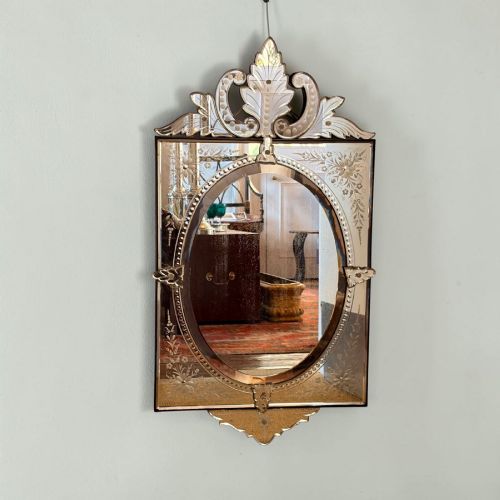
- Edges of glass cut at an angle. This treatment adds depth and light refraction to vintage mirror plates.
Vintage Wall Hanging: Frequently Asked Questions
How do I hang a heavy wooden mirror?
Heavy mirrors and wall cabinets require secure fixing directly into wall studs or appropriate masonry anchors to support the weight of timber and glass.
Distributing the load across sturdy brackets prevents strain on the original frame joints.
Where should I place a wall cabinet?
Wall-mounted cabinets and corner cupboards suit dining rooms, kitchens, or hallways where floor space remains limited.
Positioning them at eye level allows easy access to stored items while displaying the timber grain.
How do I clean an antique giltwood frame?
Giltwood surfaces require gentle dusting with a soft dry brush to protect the delicate gold leaf and gesso layer.
Moisture and chemical cleaners damage the finish, so keeping the room environment stable prevents flaking.
How do I identify a Georgian mirror?
Georgian mirrors often feature mahogany frames, parcel-gilt details, and classical fretwork silhouettes influenced by symmetry and proportion.
Examining the backboards and fixings helps confirm the period construction methods of the piece.