

Vintage Wall Decor
Vintage wall decor brings character to interior spaces through oil paintings, framed prints, mirrors, and architectural salvage spanning the nineteenth and twentieth centuries.
Vintage Wall Decor
When you search for vintage wall decor, you encounter a diverse selection of items designed to ornament vertical surfaces, ranging from paintings to architectural salvage. The nineteenth and twentieth centuries supply the majority of these pieces, reflecting shifting domestic tastes across decades.
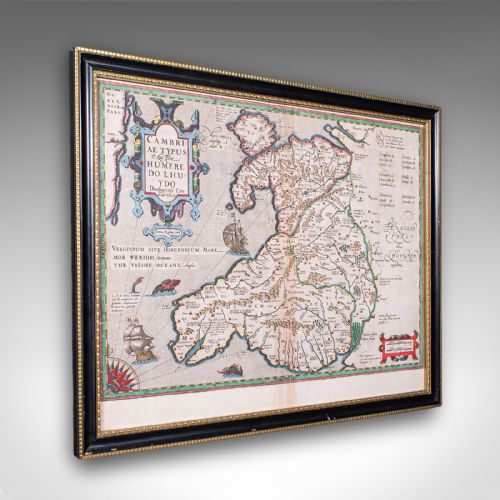
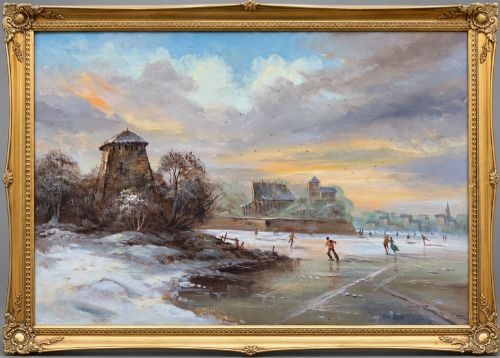
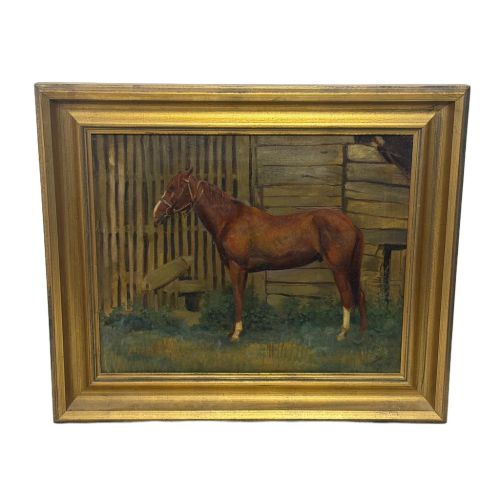
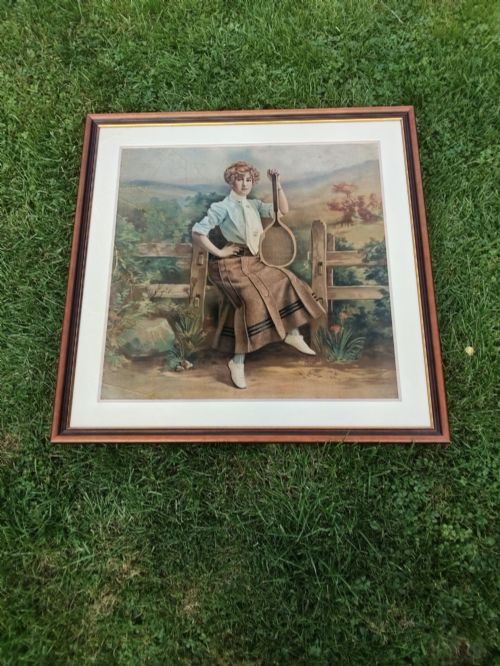
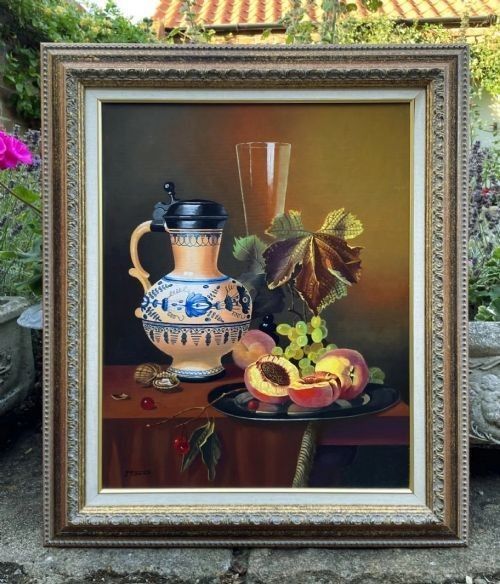
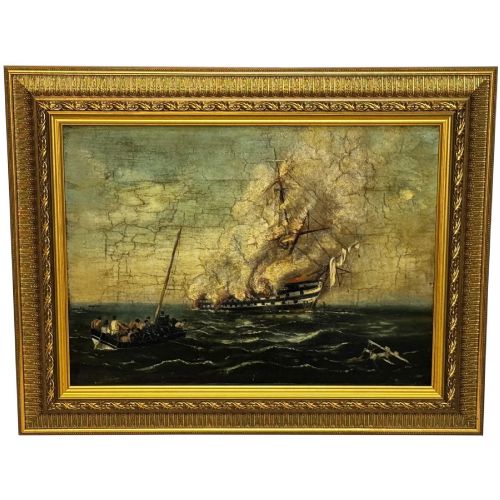
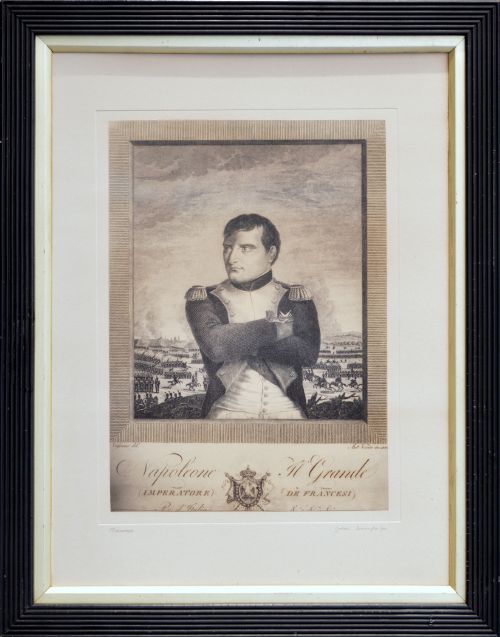
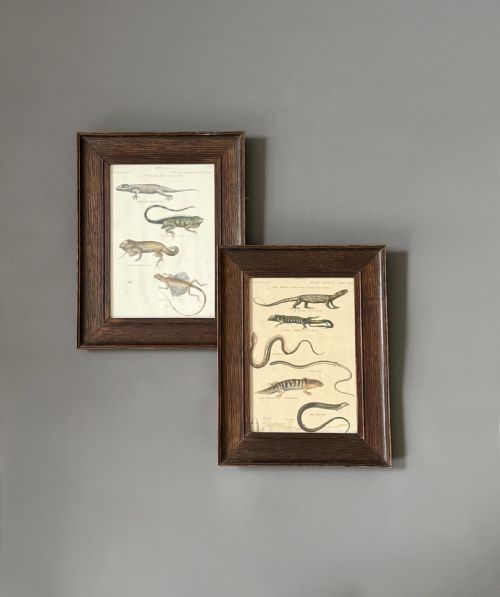
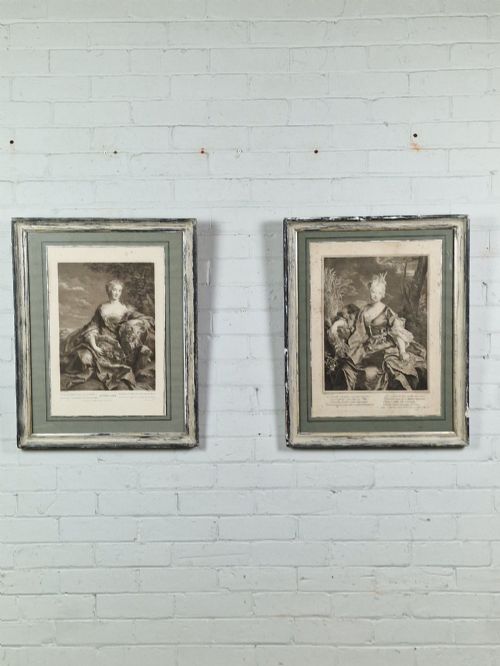
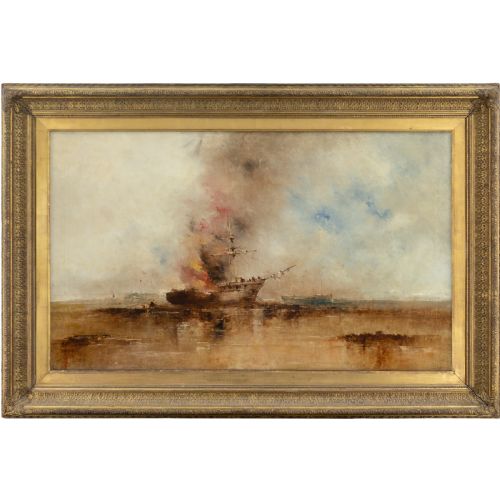
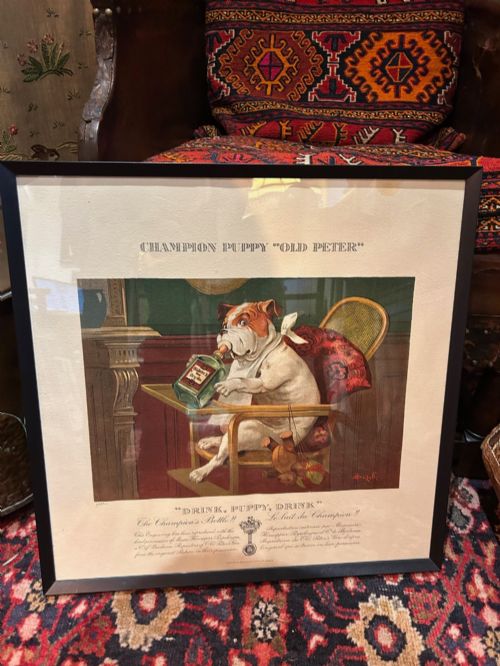
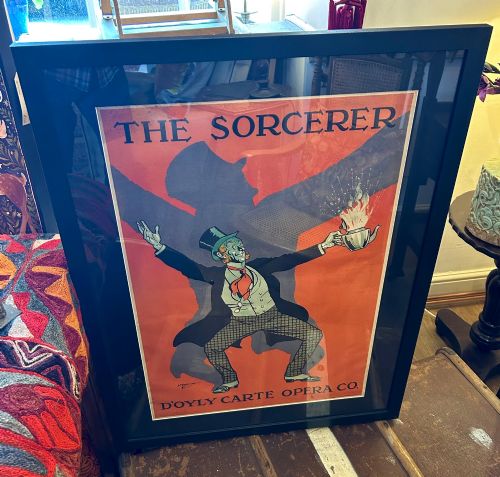
Paintings form a central category here, including oil paintings on canvas, watercolours, and framed prints depicting landscapes, maritime scenes, and portraits. These artworks often arrive in period frames, carrying the marks of their original makers.
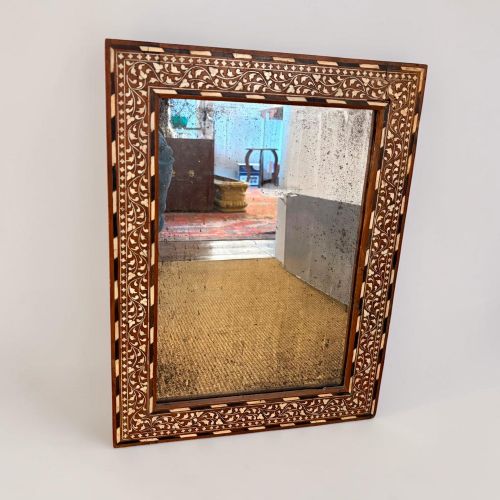
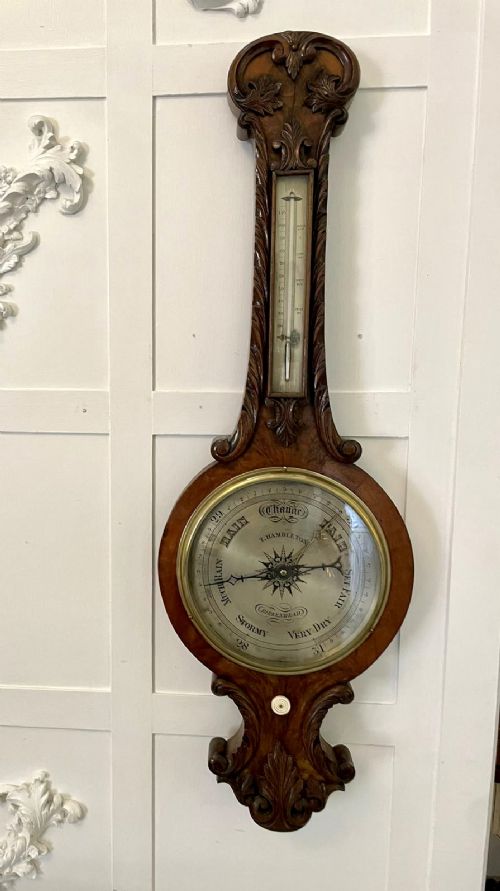
Beyond standard pictures, the selection incorporates utilitarian and decorative objects adapted for display. Mirrors, carved wooden panels, taxidermy mounts, reverse-painted glass signs, and metal trade items populate this category.
The origins stretch from British workshops to continental Europe and further afield to Anglo-Indian and Central Asian pieces. This variety ensures that individual items serve as focal points in contemporary interiors.
How they were made
Wood serves as a primary foundation, utilised in carved panels, architectural pediments, and handmade frames using traditional joinery. Artisans applied hand-carving techniques to hardwoods and softer timbers alike, creating relief patterns and structural supports.
Canvas and paper support the pictorial works, receiving applications of oil paint, watercolours, and ink. Engravings and prints utilise metal plates or stones, whilst reverse-painted glass involves meticulous pigment application directly onto the rear surface of the pane.
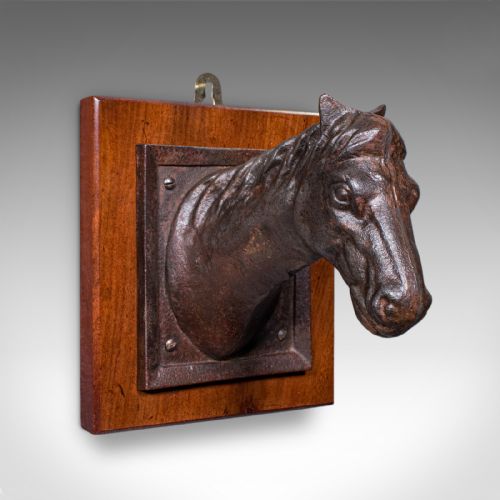
Metalworking techniques appear in wrought iron architectural scrolls, cast bronze portraits, and brass maritime instruments. Taxidermy mounts combine prepared animal specimens with wooden backing boards, employing preservation methods typical of their era.
Object forms span oil paintings, architectural pediments, taxidermy antelope horns, trade signs, and reverse-painted glass.
What varies in quality
The calibre of artistic execution distinguishes finer paintings and engravings from more routine commercial outputs. Brushwork precision, compositional balance, and the handling of light separate skilled artistic hands from standard decorative productions.
Material selection and the depth of carving dictate the standing of wooden panels, frames, and architectural elements. Crisp, deep relief work executed in dense timber indicates superior craftsmanship compared to shallow machine routing.
Originality of components and surface preservation influence overall merit. Items retaining their initial glazing, unretouched paint layers, and period mounting retain greater integrity than heavily restored counterparts.
Gaastra·Lionel Ellis·William Bird·Alfred Young Nutt·William McAlpine·Marcellin Auzolle·Ulugary And Sons·George Finch Mason·Sir Peter Markham Scott
The Vintage Wall Decor Glossary
- Oil painting
- A work executed with pigments suspended in a drying oil medium, typically applied to canvas or wood panels. This technique allows for rich colour blending and textured brushwork.
- Architectural salvage
- Elements rescued from buildings undergoing demolition or renovation, including pediments, iron scrolls, and carved panels. These pieces transition from structural components to decorative wall ornaments.
- Tramp art
- Relief-carved woodwork fashioned from humble materials such as cigar boxes and packing crates, utilising notch-carving techniques. Makers created these decorative items without professional carpentry training.
- Reverse-painted glass
- A technique where the artist applies paint directly to the back of a glass sheet, viewed from the unpainted front. This method produces a glossy finish that protects the pigment beneath.
Vintage Wall Decor: Frequently Asked Questions
How do I hang heavy architectural salvage safely?
Heavy wooden panels and iron scrollwork require secure fixings into structural wall studs or masonry using appropriate heavy-duty brackets. Distributing the weight evenly prevents strain on the original antique material.
Consulting a professional installer ensures the chosen wall anchors support the specific tonnage of iron or dense hardwood safely.
Can oil paintings be cleaned safely at home?
Surface dust can be removed gently using a soft, dry artist brush without applying pressure to the canvas. Avoid using water, household cleaners, or oils on aged paint layers.
Professional conservators should handle deeper cleaning, varnish removal, or the repair of tears in the canvas to prevent permanent damage.
What indicates an Edwardian piece?
Edwardian items dating from the early twentieth century often display lighter proportions and refined classical influences compared to heavier Victorian designs. Materials frequently include polished bronze, Edwardian oak, and crisp framed textiles.
Maker signatures, inscriptions, and stylistic motifs help confirm the manufacturing era alongside construction methods typical of the period.
How should I care for taxidermy wall mounts?
Taxidermy mounts require placement away from direct sunlight and damp environments to protect natural fur, horns, and backing boards. Maintaining stable indoor temperatures prevents cracking in the hide.
Gentle dusting with a feather duster keeps the surface clean without disturbing delicate hair or feathers.