




Vintage Village Scene Art
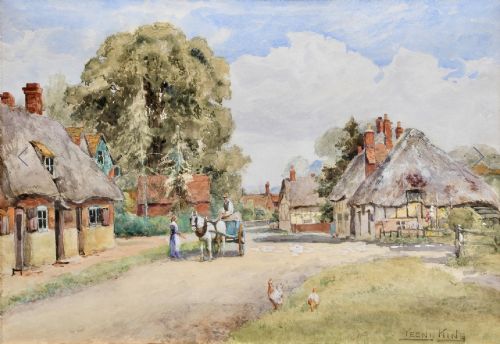
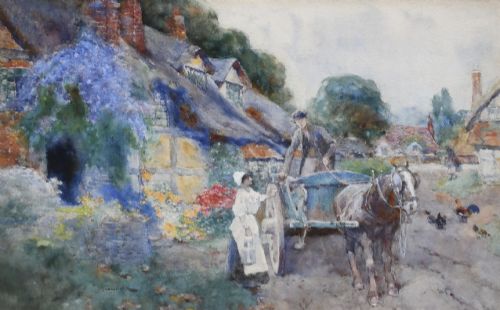
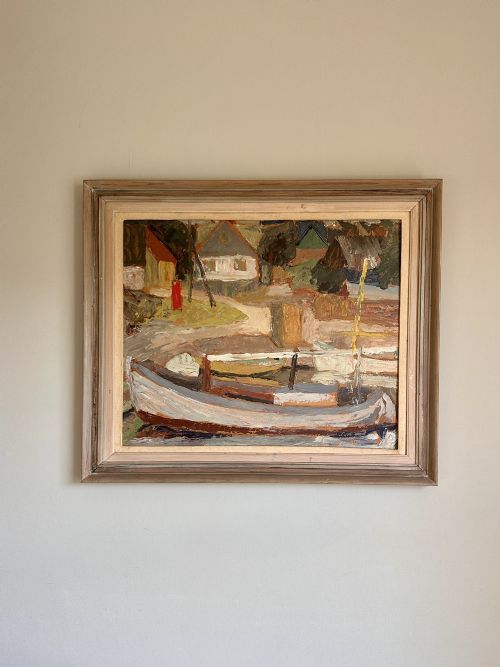
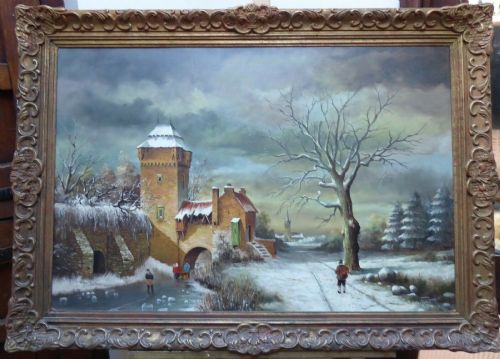
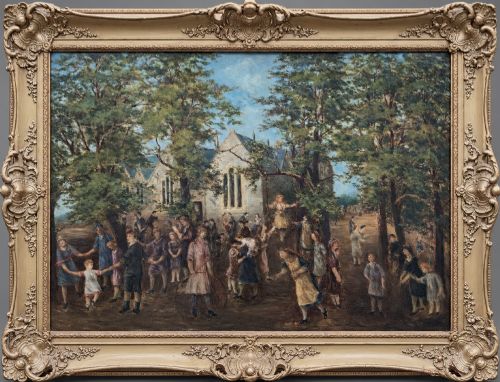
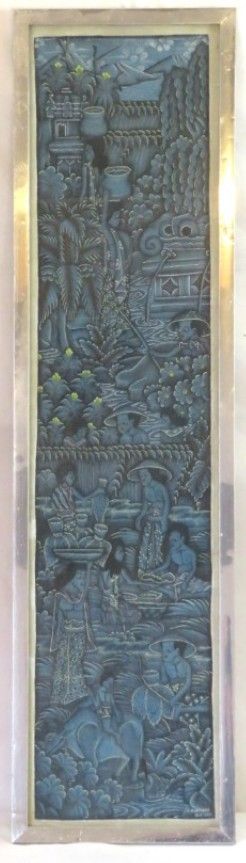
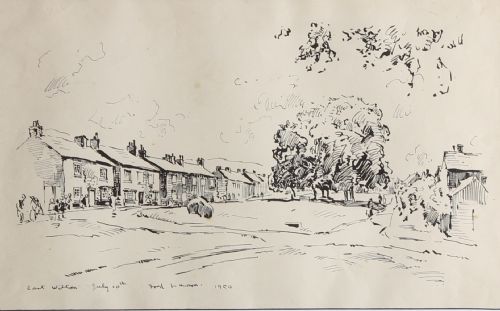
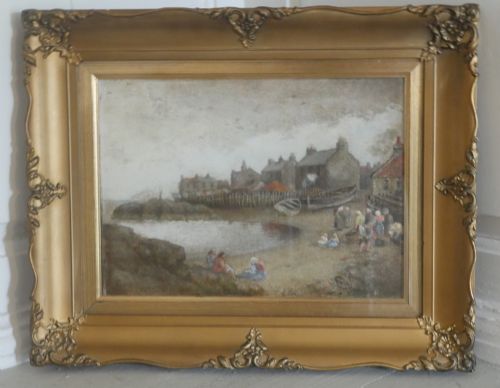
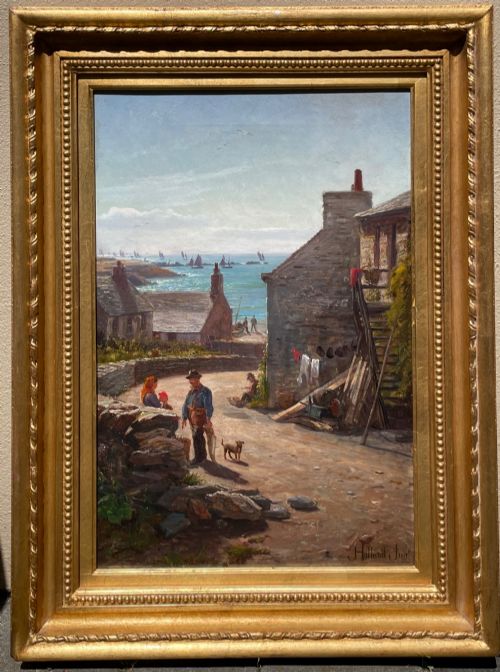
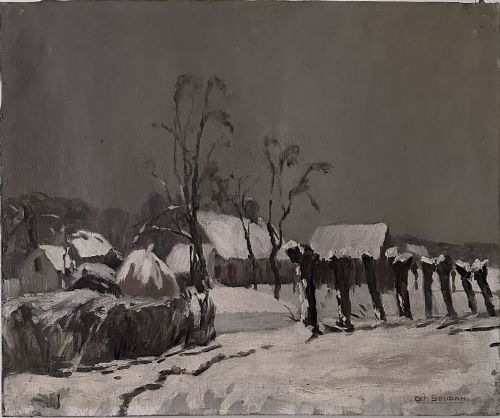
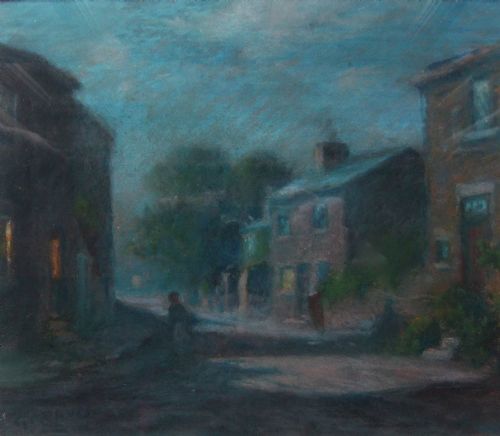
These vintage village scene art works capture rural life through watercolours, oils and pastels spanning the nineteenth to mid-twentieth centuries.
Vintage Village Scene Art
Vintage village scene art comprises paintings and drawings depicting rural settlements, coastal harbours and country cottages from various periods. Buyers seek these pieces to bring traditional landscapes and historical community views into their homes.
The selections on this page rely heavily on works from the nineteenth century, Edwardian era, and mid-twentieth century decades such as the nineteen-fifties and nineteen-sixties. Watercolours and oil paintings on canvas or board dominate the available formats.
Subjects range from English village streets and winter scenes to international locations including Dutch, French, Arabian and Balinese settings. Common stylistic approaches stretch from Victorian realism to Impressionism and folk art.
Materials and construction
Painters utilised oil paint on canvas, panel or board, alongside watercolours and gouache on paper and fabric. Pastels and ink drawings also appear frequently across the collection.
Support materials include traditional stretched canvas, heavy watercolour paper and wooden panels, occasionally augmented with gold leaf detailing or mounted behind glass.
Vintage Village Scene Art Retail Price Guide 2026
Typical asking prices for vintage village scene art among the pieces listed under this phrase on Sellingantiques today, from the lower quarter to the upper quarter. They describe what is for sale here now, not the wider market.
Listings feature paper, canvas, wood and glass alongside oil paint, watercolour, pastel and gold leaf.
Distinctions in quality
Quality rests on the confidence of the brushwork, the handling of light and shadow, and the artist's ability to render architectural perspective and human figures convincingly. Stronger works display deliberate composition and atmospheric depth rather than rigid copying.
The preservation of the medium also matters, with stable oil surfaces and clean, unblemished watercolours representing superior condition. Material choices like heavy canvas and quality paper generally align with more accomplished executions.
David Woodlock·Pieter Cornelis Steenhouwer·Edward Mills·Fred Lawson·John Holland·William Greaves·Arthur Tucker·Mercedes Legrand·M. C. Hider·Charles Vickers·Louie Stanley Maurice Prince·George Gregory·John Smith Atherton·Percy Brooke·V. Zirakian·William Lee Hankey·Robert McGregor·J.V.R.Parsons·Walter Henry Sweet·Herbert Royle·Maurice Asselin·A. Michaelis
The Vintage Village Scene Art Glossary
- Watercolour
- A paint consisting of transparent colour suspended in a water-based solution. It is typically applied to paper to create luminous, delicate washes.
- Oil on canvas
- Pigments bound in a drying oil applied to a woven fabric stretched across a wooden frame. This method allows for rich texture and blending.
- Gouache
- An opaque water-based paint that includes a white pigment to create denser, solid areas of colour. It is frequently combined with watercolour on paper.
- Pastel
- A dry medium made of powdered pigment and a binder, shaped into sticks. It produces velvety surfaces with soft colour transitions.
- Impressionism
- A nineteenth-century style characterised by relatively small, thin yet visible brush strokes and an emphasis on accurate depiction of light.
Vintage Village Scene Art: Frequently Asked Questions
What periods do these paintings cover?
The works span from the nineteenth century through the nineteen-sixties, capturing various stylistic movements across multiple decades.
Collectors will find Victorian, Edwardian, and mid-twentieth-century pieces representing diverse regional communities.
How should I frame and display a watercolour?
Watercolours require framing behind glass to protect the paper and pigments from atmospheric moisture and dust.
Keep them away from direct sunlight to prevent the delicate washes and paper supports from fading over time.
Are these works signed by the artists?
Many pieces in the collection bear signatures or attributions to named historical painters and regional artists.
Some examples remain indistinctly signed or anonymous folk art while still offering strong stylistic context.
What is the difference between oil and watercolour village scenes?
Oil paintings utilise heavy pigments on canvas or board, offering textured brushwork and deep colour saturation.
Watercolours rely on transparent washes on paper, resulting in lighter, more luminous compositions.