

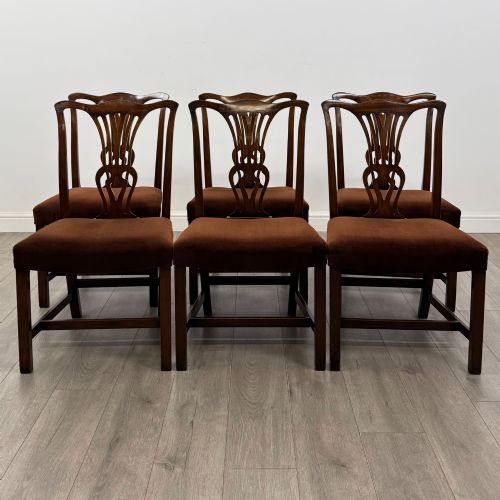
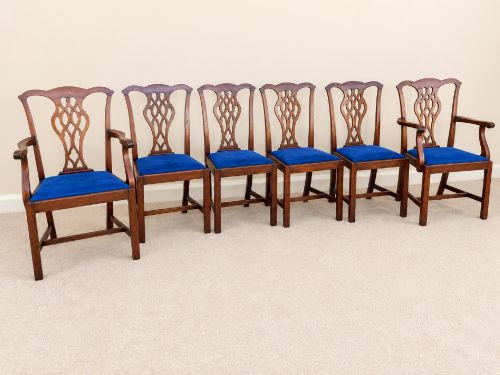
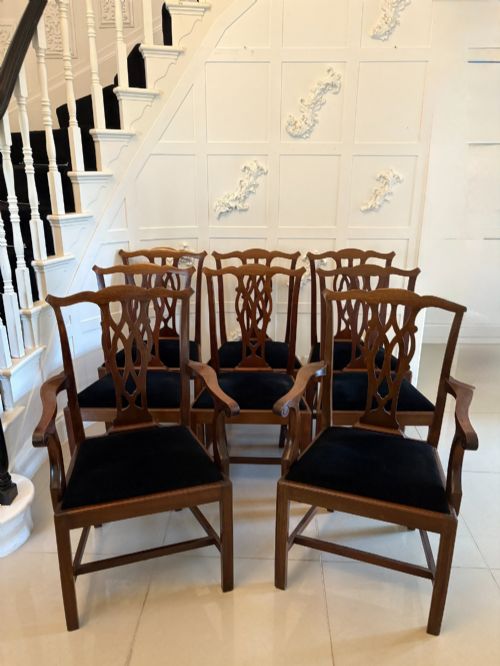
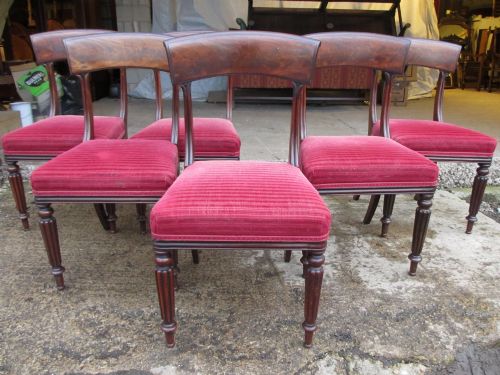
Vintage Velvet Seat
A vintage velvet seat brings tactile depth and rich colour to a room, offering everything from button-backed sofas to small nursing chairs.
Vintage Velvet Seat
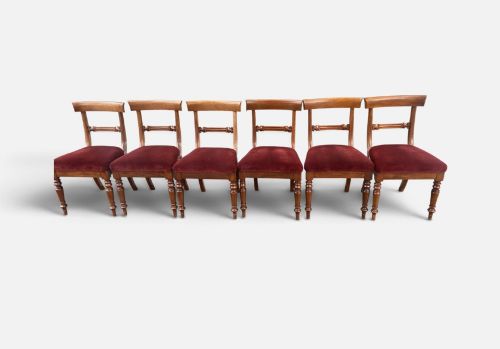
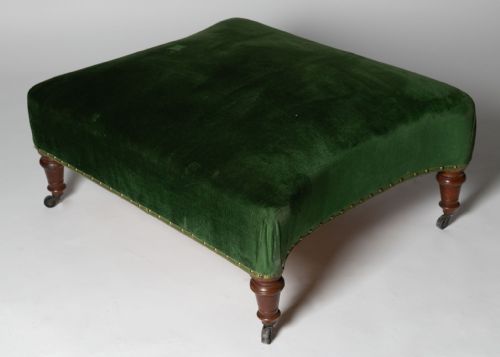
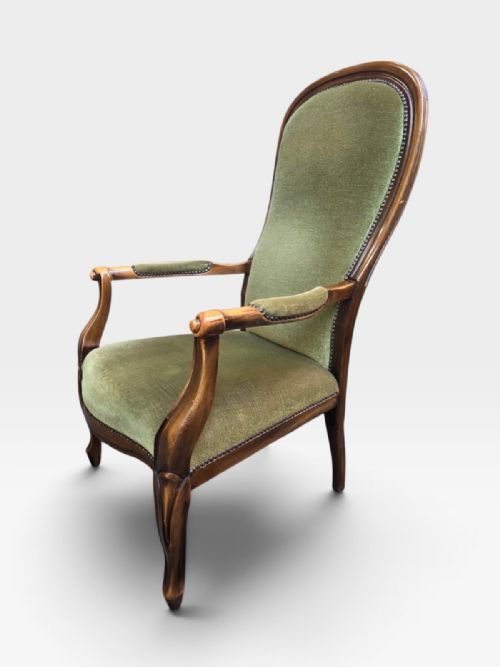
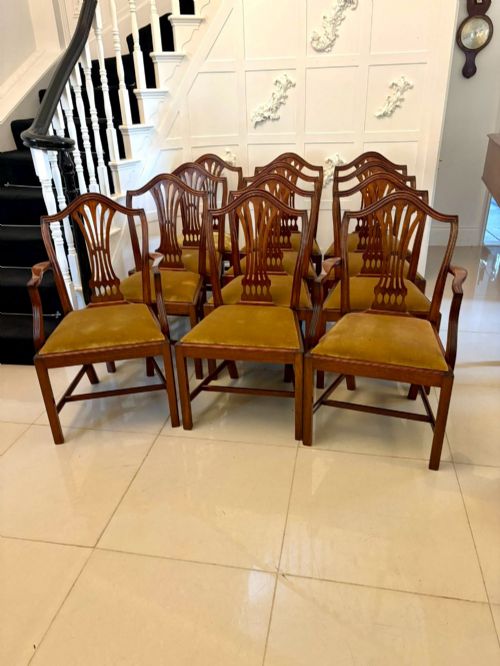
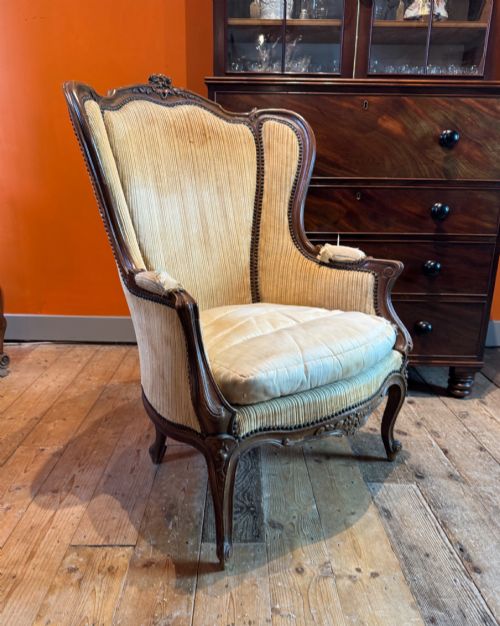
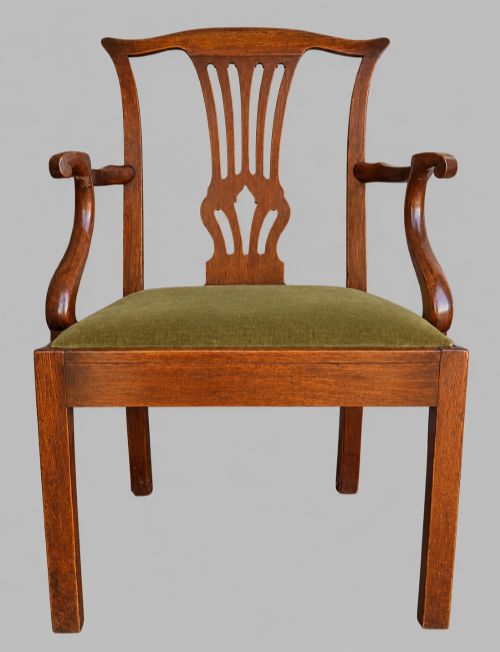
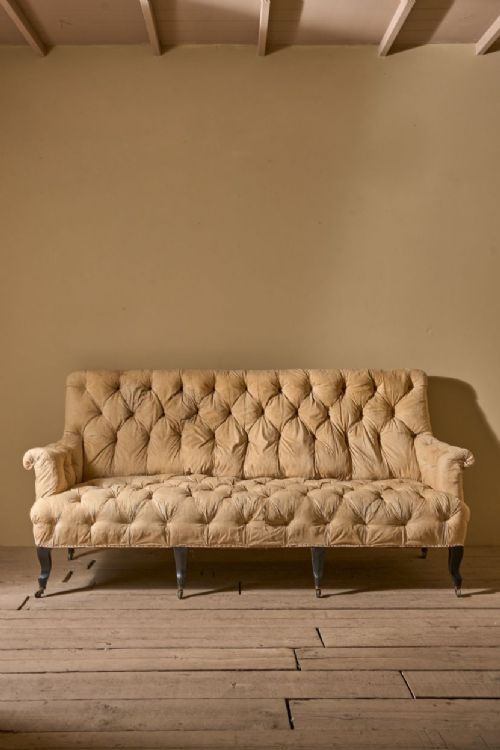
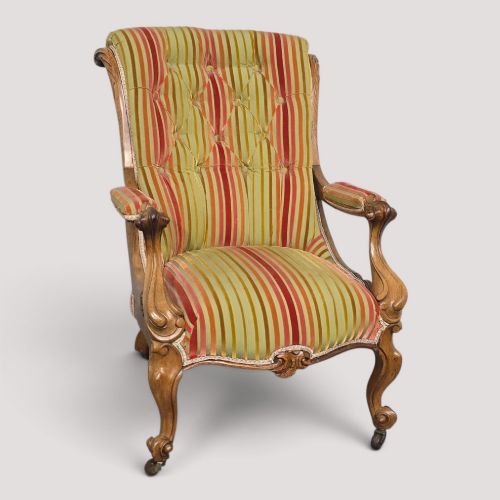
A vintage velvet seat encompasses a wide variety of domestic furniture designed for comfort and reception, appearing in forms such as armchairs, dining chairs, stools, and sofas. When searching for a vintage velvet seat, buyers encounter pieces spanning multiple eras, most notably the Victorian, Edwardian, and Georgian periods, alongside various revival styles.
The assortment on this page reflects traditional seating arrangements, ranging from intimate bedroom and nursing chairs to large conversational settees and library armchairs. Timber frames dictate the structural silhouette, while the plush textile finish defines the visual and physical experience of each piece.
Assessing quality
The distinction between standard examples and finer pieces rests upon the integrity of the timber frame, the crispness of any applied carving, and the fidelity of the designated style revival. Well-executed proportion and substantial weight in hardwoods such as rosewood or walnut elevate a piece significantly.
Upholstery condition and textile choice also influence the overall standard, where tighter buttoning, balanced springing, and high-grade fabric preservation separate everyday domestic seating from superior examples.
Vintage Velvet Seat Retail Price Guide 2026
Typical asking prices for vintage velvet seat among the pieces listed under this phrase on Sellingantiques today, from the lower quarter to the upper quarter. They describe what is for sale here now, not the wider market.
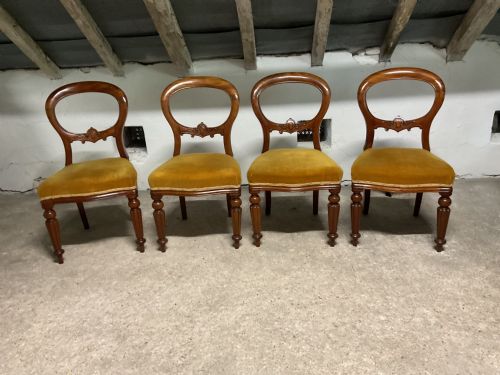
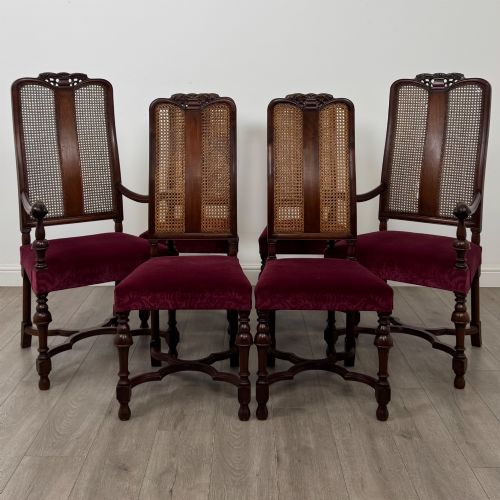
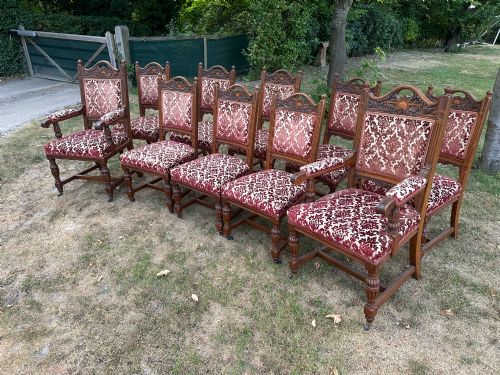
The listings here include diverse timber frames made from mahogany, walnut, rosewood, and oak across Victorian and Edwardian periods.
The Vintage Velvet Seat Glossary
- Bergere
- A closed-arm armchair featuring an upholstered seat and typically cane sides or back panels. This French-derived form gained popularity across various revival periods.
- Balloon Back
- A rounded, oval-shaped chair back resembling the profile of a hot air balloon. This silhouette is particularly prevalent in Victorian mahogany dining and nursing chairs.
- Fauteuil
- An open-arm armchair originating in France, characterised by exposed wooden framing around the arms and back. They often display intricate carving and giltwood finishes.
- Nursing Chair
- A low-seated armchair designed historically for sitting close to a nursery fire. These pieces typically feature a generous upholstered seat and supportive back.
- Settee
- A medium-sized upholstered bench with a back and arms, built to accommodate multiple sitters. They range from formal parlour seating to deep-seated conversation designs.
Vintage Velvet Seat: Frequently Asked Questions
How do I clean velvet upholstery?
Velvet requires gentle brush maintenance to lift the pile and prevent flattening over time. Professional cleaning is generally recommended for deeper stains to protect the delicate fabric.
Avoid aggressive scrubbing or excessive moisture, which can permanently damage the texture of the pile and the underlying timber frame.
Are these seats suitable for daily use?
Most of these pieces were built for practical domestic application and handle regular sitting comfortably. Heavier items like library armchairs and dining sets are particularly robust.
Lighter bedroom or nursing chairs suit occasional use better due to their smaller frames and more delicate structural proportions.
How do I identify the period of a chair?
Dating relies on examining the timber species, joinery methods, and stylistic cues present in the frame. Victorian and Edwardian pieces often display distinct revival motifs.
Comparing the carved details against documented furniture styles helps narrow down the decade of manufacture.
Can I mix different styles in one room?
Combining different eras and styles creates a layered interior by contrasting various wood tones and upholstery textures. Pairing a Victorian button-backed sofa with Edwardian dining chairs adds visual depth.
Maintaining a consistent colour palette helps unify disparate seating forms within the same space.