

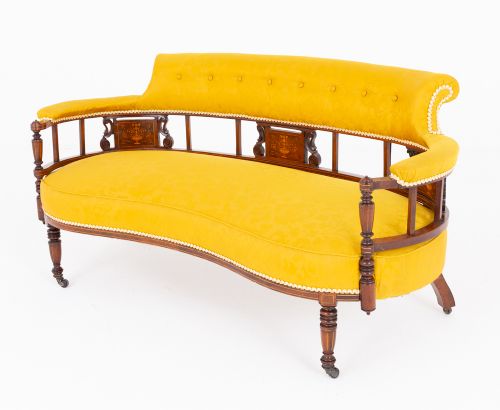


Vintage Velvet Bench Seat
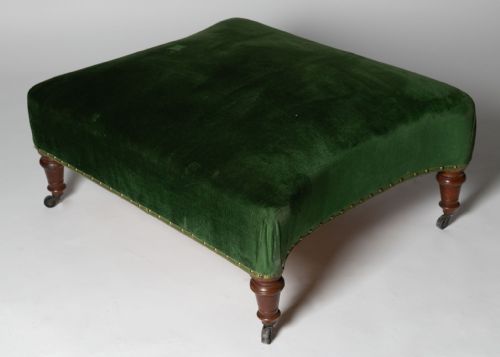
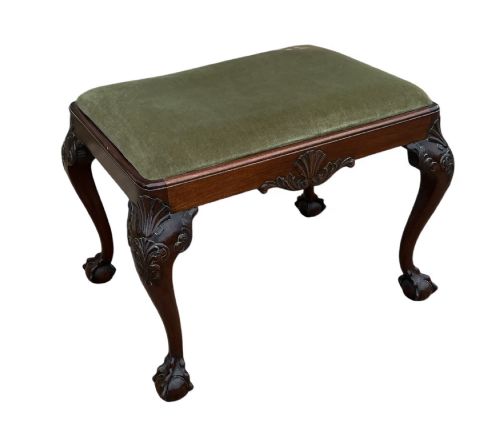
A vintage velvet bench seat offers an inviting perch, combining plush upholstery with periods from the nineteenth century to the art deco era.

Vintage Velvet Bench Seat
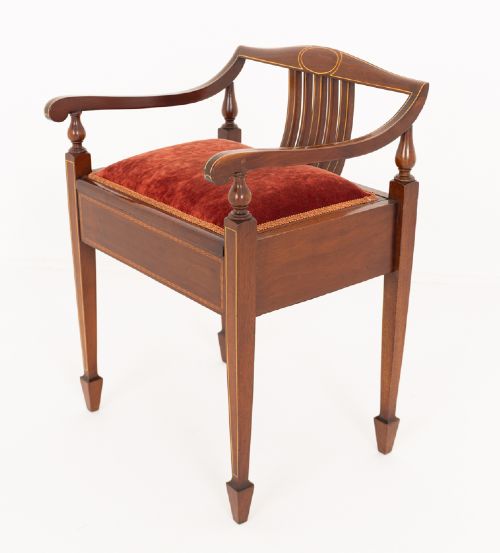
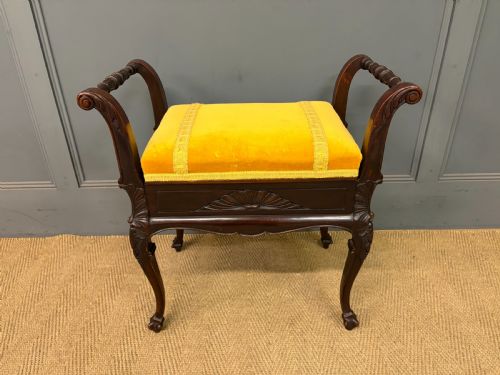
A vintage velvet bench seat spans practical forms including piano stools, dressing table stools, window seats, and compact settees. These seating options emerge from periods such as the Edwardian era, Victorian times, and the nineteen-twenties and thirties.
The most common examples encountered on this page are Edwardian mahogany piano stools and inlaid salon settees, alongside nineteenth-century walnut and rosewood stools. These pieces range from intimate single-seat piano benches to two-seater sofas upholstered in soft fabrics.
Makers and designers drew on Georgian, Chippendale, Sheraton, French Rococo, and Directoire revivals to shape these frames. Buyers find both English craftsmanship and French influence represented across the diverse forms.
How they were made
Craftsmen built the frames using solid timbers such as mahogany, walnut, rosewood, fruitwood, and satinwood inlay, often shaping them with decorative carving. Brass hardware, giltwood accents, and tassel trims complete the detailing on selected pieces.
Upholstery relies on velvet, leather, and satin fabrics stretched over sprung or padded seats, sometimes incorporating lift-up mechanisms for music storage. French polish and natural wax finishes protected the timber frames.
Vintage Velvet Bench Seat Retail Price Guide 2026
Typical asking prices for vintage velvet bench seat among the pieces listed under this phrase on Sellingantiques today, from the lower quarter to the upper quarter. They describe what is for sale here now, not the wider market.
Some Edwardian piano stools hide sheet music compartments right beneath the velvet lid, ready for impromptu parlour performances.
What varies in quality
Quality rests in the crispness of the timber carving, the precision of satinwood inlay, and the structural integrity of the frame joints. Superior examples display carefully selected figured walnut or rich rosewood grain.
The standard of upholstery work, the selection of velvet fabric weight, and the retention of original brass fittings or functional lift-up seat mechanisms distinguish finer workshops from standard production.
Hallett & Sons
The Vintage Velvet Bench Seat Glossary
- Settee
- A small upholstered sofa designed for two or more people. These pieces often feature carved wooden frames and decorative fabric covers.
- Banquette
- A long upholstered bench or sofa. This form frequently appears in nineteenth-century and turn-of-the-century French designs.
- Giltwood
- Timber treated with gold leaf or gilt paint to create a metallic decorative surface. Victorian and revival pieces occasionally use this finish.
- Chaise longue
- An elongated chair designed for reclining, combining seat and footrest into one item. Examples appear in nineteenth-century rosewood configurations.
Vintage Velvet Bench Seat: Frequently Asked Questions
Where should I place a velvet bench seat?
These compact seats fit easily at the foot of a bed, beneath a hallway window, or beside a dressing table. Their modest scale allows them to function in tight circulation spaces.
Larger variations like settees and banquettes suit living rooms or reception spaces where extra seating is required without blocking light.
How do I care for vintage velvet?
Velvet benefits from gentle brushing with the grain to keep the pile lifted and free from dust. Avoiding direct sunlight prevents fading of the fabric.
Professional cleaning is recommended for deeper maintenance to preserve the texture and sheen of older textile coverings.
How can I tell Edwardian pieces apart from Victorian ones?
Edwardian frames often feature lighter mahogany timbers with delicate satinwood inlay and restrained neoclassical revival details. They tend to look airier and less imposing.
Victorian pieces generally utilise heavier walnut, rosewood, or carved giltwood with darker finishes and sturdier proportions, reflecting earlier nineteenth-century tastes.
What is the difference between a piano stool and a dressing table stool?
Piano stools frequently include lift-up seats designed to store sheet music beneath the cushion. They often match duet or single keyboard setups from the Edwardian and art deco periods.
Dressing table stools are typically fixed-height padded seats built to tuck neatly underneath bedroom vanities, sometimes upholstered in matching bedroom velvet or tassel trims.