



Vintage Vanity Atomiser
These vintage vanity atomiser pieces bring dressing table elegance to life, offering a tactile piece of the past for daily use.
Vintage Vanity Atomiser
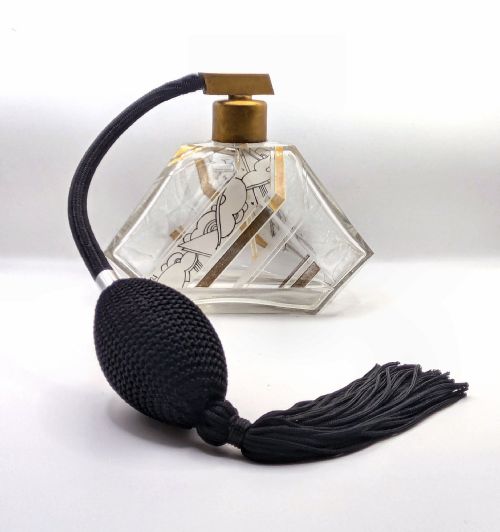
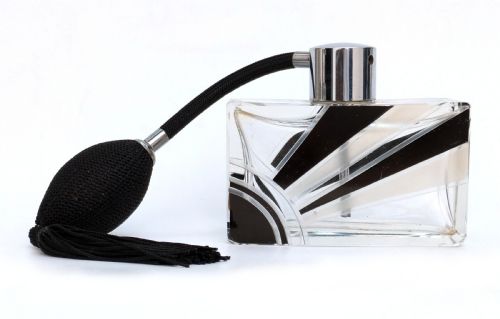
A vintage vanity atomiser is a dressing table accessory designed for spraying perfume, most commonly encountered here in distinct Art Deco forms. These items date primarily from the nineteen twenties and nineteen thirties, reflecting the design sensibilities of those decades.
Makers such as Karl Palda, Rudolf Hlousek, René Lalique, and Hermanova shape the high end of this category. Buyers will frequently find cut glass and frosted glass configurations among the current choices.
How they were made
Production relies heavily on glass moulding and cutting techniques, yielding substantial crystal and frosted glass bodies. These glass elements are often paired with chrome, brass, and Bakelite components for the metal mounts and mechanisms.
Fabric elements occasionally accompany the spray mechanisms, particularly in the bulb and mesh assemblies used to diffuse the scent. Enamel details add colour and geometric interest to the metal surfaces.
Moulded glass designs utilise precise industrial techniques from the nineteen twenties and nineteen thirties to achieve sharp geometric lines and relief patterns. Artisans combined these glass bodies with durable metal collars and spray hardware.
Vintage Vanity Atomiser Retail Price Guide 2026
Typical asking prices for vintage vanity atomiser among the pieces listed under this phrase on Sellingantiques today, from the lower quarter to the upper quarter. They describe what is for sale here now, not the wider market.
The site listings feature items exclusively from the nineteen twenties and nineteen thirties, showcasing Art Deco glass and chrome.
What varies in quality
Quality separates standard production items from masterworks by renowned designers through the complexity of the glass cutting and the purity of the material. Pieces bearing specific attribution to prominent glasshouses or designers demonstrate superior artistic execution.
The sophistication of the metalwork and the integration of enamel or chrome fittings dictate the overall refinement of an item. Superior examples maintain balanced proportions between the glass body and the functional spray hardware.
Karl Palda·Rudolf Hlousek·René Lalique·Hermanova
The Vintage Vanity Atomiser Glossary
- Art Deco
- A design style dominant in the nineteen twenties and nineteen thirties characterised by sleek geometric shapes, streamlined forms, and modern industrial materials. It represents the aesthetic pinnacle of these dressing table accessories.
- Atomiser
- A device used to turn liquid perfume into a fine mist through the action of a squeeze bulb and internal tubing. This mechanism sits atop the glass vessel.
- Bakelite
- An early form of synthetic plastic utilised for decorative caps, bases, and fittings during the interwar period. Its durability made it popular for vanity items.
- Frosted Glass
- Glass treated to create a textured, opaque surface through acid etching or sandblasting. This finish diffuses light and highlights moulded relief patterns.
Vintage Vanity Atomiser: Frequently Asked Questions
What is a vintage vanity atomiser?
A vintage vanity atomiser is a decorative glass bottle equipped with a spray mechanism, designed to hold and dispense perfume on a dressing table. These items date principally from the nineteen twenties and nineteen thirties.
Most examples reflect the geometric aesthetics of the Art Deco period, combining moulded or cut glass with metal mounts and fabric components.
How do I identify Art Deco pieces?
Art Deco pieces display clean geometric lines, stylised motifs, and symmetrical patterns typical of interwar design. They often utilise moulded glass, chrome, and Bakelite.
Look for sunray patterns, faceted crystal bodies, and streamlined metal collars that define the style of this era.
Where were these atomisers made?
These atomisers originate primarily from workshops and glasshouses in France and Bohemia, which is modern-day Czech Republic. Master glassmakers in these regions produced distinctive scent bottles and vanity wares.
Renowned designers and makers from these areas shaped the distinct visual standards seen in the current selection.
Can I still use them for perfume?
While these items functioned originally as working perfume sprayers, many collectors display them as decorative art objects. The vintage mechanisms require careful handling if tested.
Assessing the condition of the internal tubing and bulb is necessary before introducing liquid scent to a historic piece.