



Vintage Urban Landscape Artwork
Vintage urban landscape artwork captures city streets, factories, and rooftops across the nineteenth and twentieth centuries in oil and watercolour.
Vintage Urban Landscape Artwork
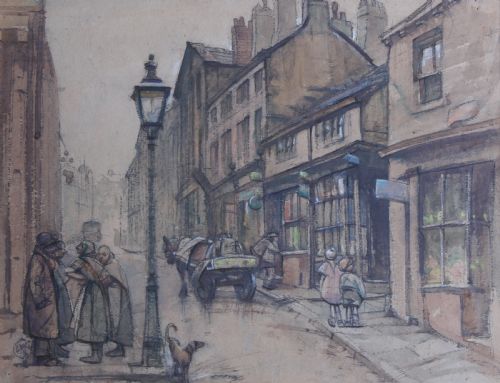
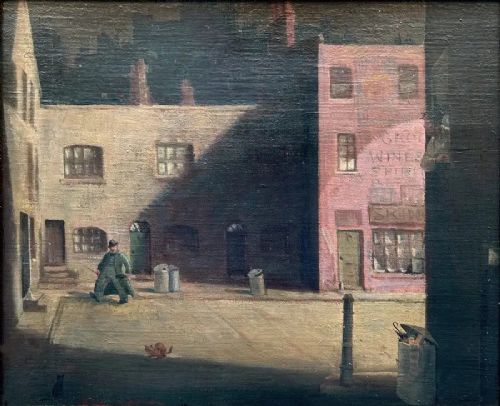
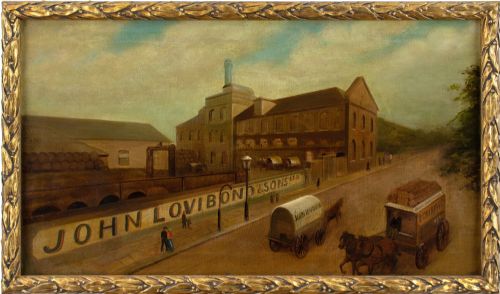
Vintage urban landscape artwork comprises paintings and watercolours depicting city streets, buildings, bridges, and industrial scenes. These pieces capture the changing face of metropolitan life from the late nineteenth century through to the mid-twentieth century.
The selection on this page centres primarily on mid-century expressions alongside earlier Victorian and Edwardian works. Buyers encounter depictions of London, Paris, and northern industrial towns rendered in oil on canvas, oil on board, and watercolour.
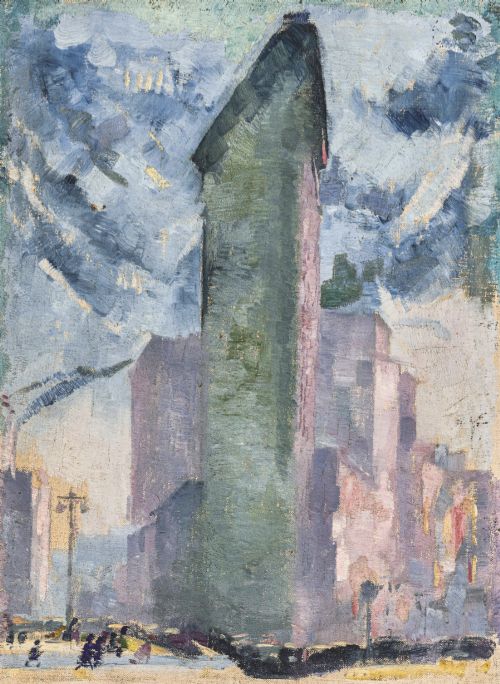
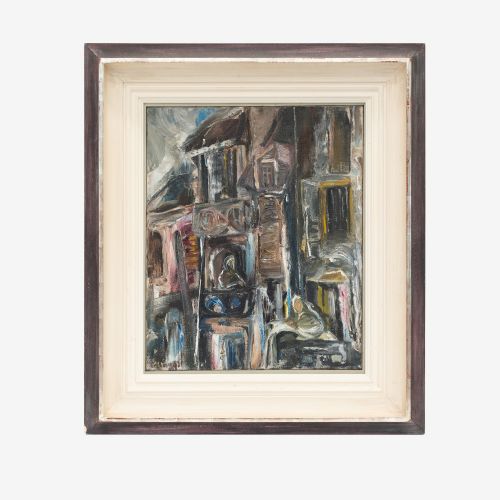
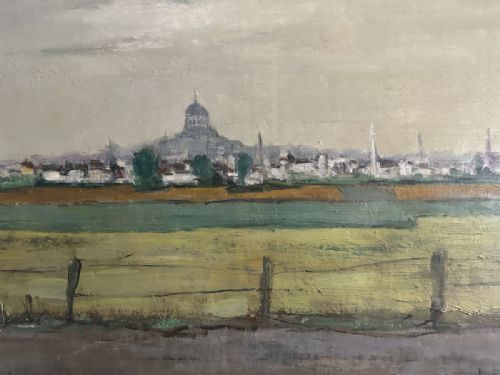
The assortment ranges from impressionist street scenes and post-impressionist city views to northern realism and abstract cityscapes. Each piece records a distinct architectural era and urban atmosphere through the eyes of period painters.
Assessing quality and execution
Quality rests upon the confidence of the brushwork and the artist's ability to command light and perspective within a crowded street or architectural setting. Stronger pieces demonstrate purposeful handling of oil paint or watercolour rather than rigid mechanical drafting.
The cohesion of the composition and the truthful atmospheric rendering of city air separate superior examples from routine topographical records. Material preservation, stable canvas or board supports, and harmonious period framing further distinguish the finest items.
Subject matter ranges from Paris streets and London landmarks to northern industrial scenes and continental bridges.
Francisco Sancha·Alfred Wolmark·Stuart Walton·Lilian Colbourn·William Manners·Florence Hess·E A Minardo·Guillaume Urban Régamey·Rowland Henry Hill·Fred Lawson
The Vintage Urban Landscape Artwork Glossary
- Impasto
- Paint applied thickly to a canvas or board, standing out from the surface so that texture and brush marks remain visible. This technique often accentuates the grit and solidity of urban architecture.
- Watercolour
- A painting method in which pigments are suspended in a water-soluble vehicle, typically applied to paper. It yields transparent washes suited to rapid townscape sketches.
- Giltwood
- Wood that has been coated with gold leaf or a gold-coloured finish. Antique frames of this material frequently accompany nineteenth and early twentieth-century paintings.
- Post-Impressionism
- An art movement developing roughly from the late nineteenth century that extended impressionism while rejecting its limitations. Painters focused on symbolic content and heavier structural brushwork.
- Northern Realism
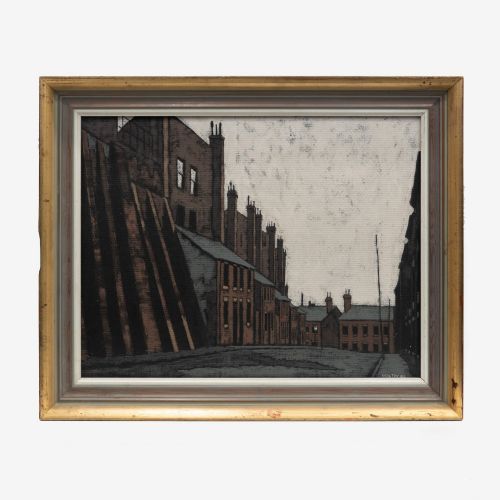
- A regional painting tradition focusing on industrial towns, working-class districts, and urban landscapes. It records northern cities with unvarnished directness.
Vintage Urban Landscape Artwork: Frequently Asked Questions
What periods do these urban artworks cover?
The works span from the late nineteenth century through the 1900s, 1910s, 1930s, 1940s, and 1950s up to 1960. Mid-century and early twentieth-century pieces form a large part of the selection.
Victorian and Edwardian examples also appear, showing how cities evolved over several generations of painters.
What mediums are used in these paintings?
Artists worked primarily in oil paint and watercolour. Supports include canvas, board, paper, and wood panels.
Some pieces employ heavy impasto oil techniques to build texture, whilst watercolours offer delicate transparency on paper.
How should I hang and display city paintings?
Choose a wall with balanced ambient lighting to protect oil surfaces and watercolours from harsh direct sunlight. Pair the frame with the period of the piece, such as traditional giltwood for older works.
Keep them away from damp environments to preserve the canvas, board, and paper supports.
How do I identify a mid-century cityscape?
Mid-century pieces often embrace expressionist or abstract tendencies, capturing industrial growth and modern architecture through energetic brushwork. Dates around the 1950s and 1960s frequently appear in the titles or signatures.
Palette choices and flat perspective treatments characteristic of the period also help distinguish these works from nineteenth-century views.