





Vintage Upholstery Bench
These vintage upholstery bench options span multiple periods and styles, offering character and seating utility for any interior space.
Vintage Upholstery Bench
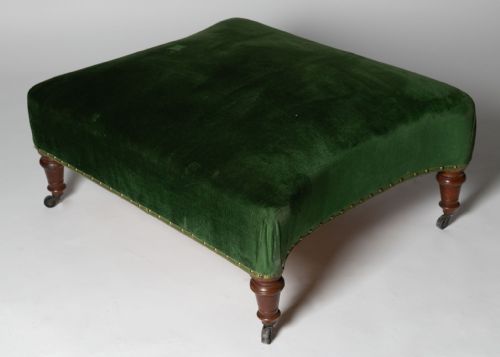
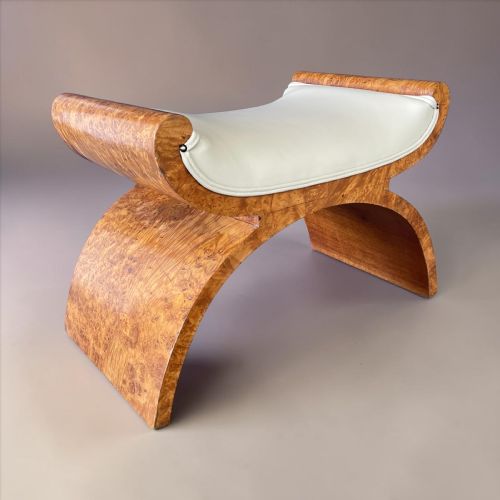
A vintage upholstery bench encompasses a broad spectrum of seating forms, including settees, ottomans, footstools, and larger salon pieces. These items serve both functional seating roles and decorative centrepieces within traditional or period interiors.
Buyers examining this category encounter various regional influences and historical periods, ranging from the Regency era through Victorian designs to Edwardian and Art Deco pieces. Forms vary from low footstools to grand multi-seat settees with exposed wooden frames.
French styles strongly influence the selection, with Louis XV and Louis XVI revival canapés frequently appearing alongside English walnut and mahogany frames. Many examples retain their original padding or present projects ready for fresh fabric.
Materials and Construction Methods
Makers utilised solid hardwoods like walnut and mahogany to construct the supporting frameworks, often incorporating hand-carved details or painted finishes. Brass accents and cane work appear across various pieces to add textural contrast to the woodwork.
Upholstered elements rely on traditional stuffing and buttoning techniques, finished in materials such as leather, velvet, and patterned fabric. Frames frequently display structural joinery typical of their respective centuries, from nineteenth-century turning to Edwardian inlay.
Vintage Upholstery Bench Retail Price Guide 2026
Typical asking prices for vintage upholstery bench among the pieces listed under this phrase on Sellingantiques today, from the lower quarter to the upper quarter. They describe what is for sale here now, not the wider market.
Listings feature items spanning the 1800s through the 1930s, constructed from walnut, mahogany, and brass.
Assessing Craftsmanship and Condition
Quality resides primarily in the integrity of the wooden frame and the precision of the carving, with superior pieces showing crisp joinery and robust timber selection. The weight and grain of the walnut or mahogany indicate the standard of the initial manufacture.
The degree of original survival, whether in the caning, the painted finish, or the leather upholstery, distinguishes standard production from finer workshop output. Pieces designated for re-upholstery require careful evaluation of the underlying webbing and spring systems.
Harry and Lou Epstein·Hallett & Sons
The Vintage Upholstery Bench Glossary
- Canapé
- An antique French sofa or settee featuring an exposed wooden frame and upholstered back and seat. These items typically display stylistic traits from periods such as the Louis XV revival.
- Ottoman
- A padded seat or footstool usually without a back or arms, sometimes incorporating internal storage space. Larger versions serve as central coffee table alternatives in drawing rooms.
- Salon settee
- A lighter decorative sofa designed for formal reception rooms during the Edwardian and Victorian eras. They often feature inlaid mahogany frames and open spindle or upholstered backs.
- Centre stool
- A freestanding stool designed to be viewed from all angles, frequently positioned in the middle of a room. Victorian examples often utilise solid walnut frames with buttoned tops.
- Buttoned leather
- A traditional upholstery method where leather is secured with deep indentations held by buttons. This technique provides distinct surface texture on larger footstools and Chesterfields.
Vintage Upholstery Bench: Frequently Asked Questions
How do I choose the right size bench?
Consider the available floor space and the primary function, whether serving as a footstool before a sofa or seating around a room.
Larger settees require clearance for passage, while compact stools fit easily into hallways or bedrooms.
What does a project bench involve?
A project piece requires new fabric and potentially updated internal webbing or padding while retaining the original timber frame.
Buyers can select textiles that match their interior scheme while preserving the historical structure.
How do I care for antique leather?
Maintain leather upholstery by keeping it away from direct sunlight and applying appropriate conditioning balms to prevent drying.
Regular dusting preserves the natural grain and patina developed over decades of use.
How do I identify a French style settee?
French style pieces typically display painted or gilded wooden frames with cabriole legs and characteristic scrollwork.
Details like cane panels and carved floral motifs further distinguish these continental designs from English alternatives.