


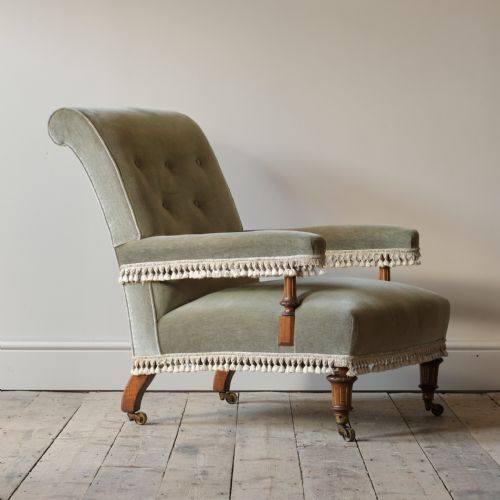
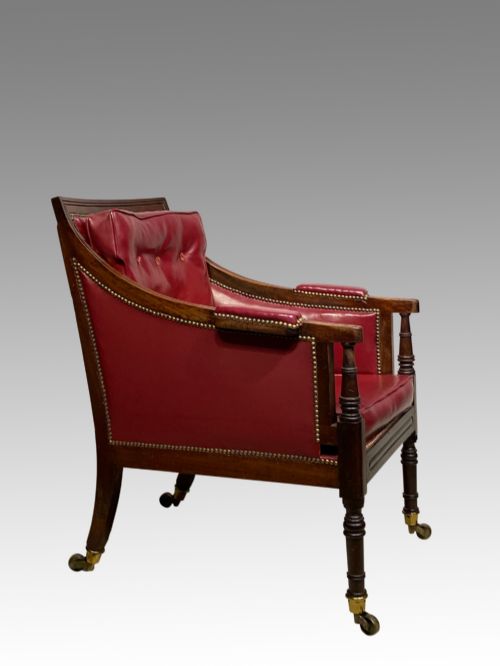
Vintage Upholstered Library Chair
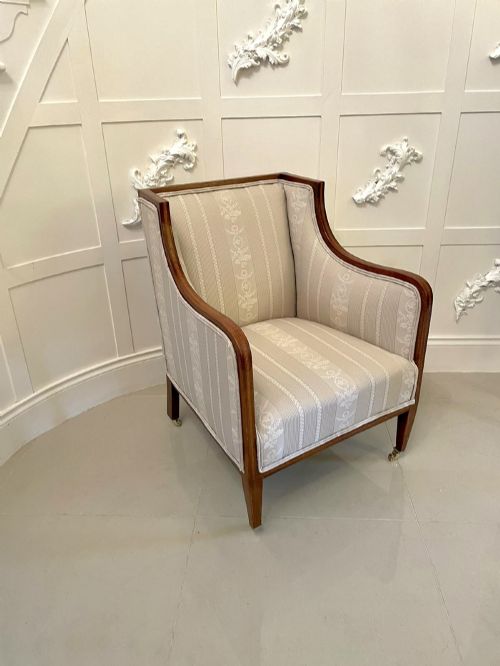
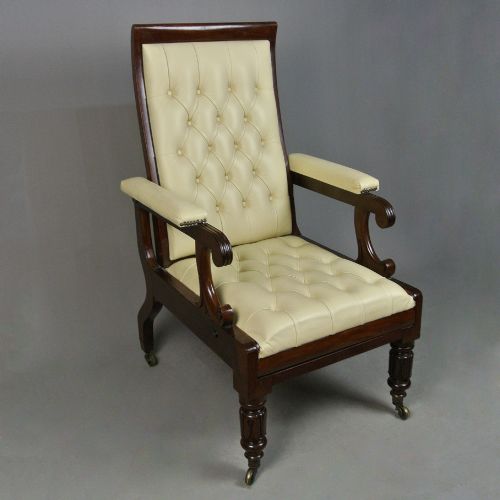
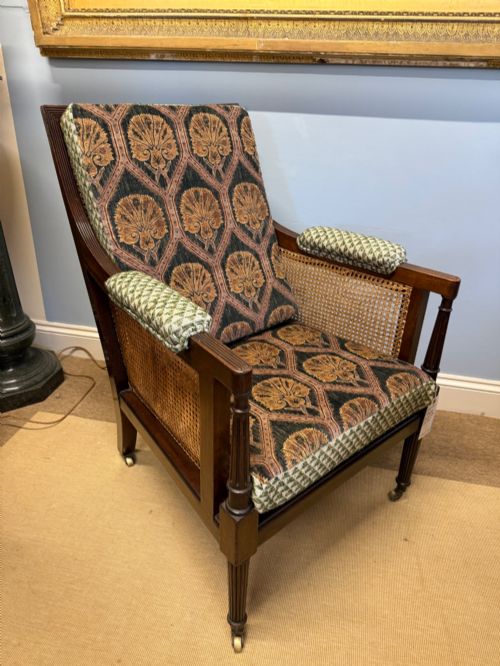
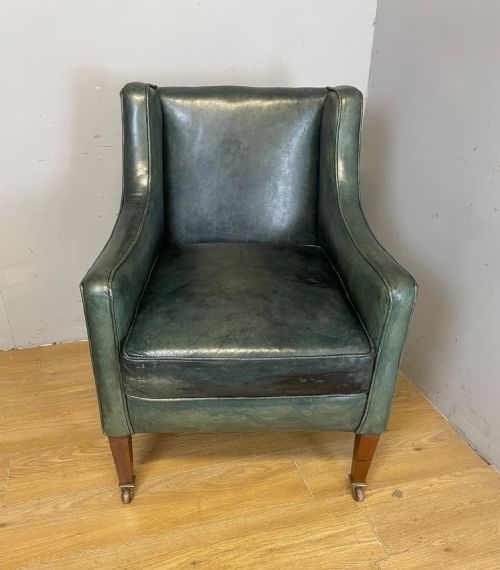
A vintage upholstered library chair anchors a room with deep seating, solid timber frames, and traditional leather or textile coverings.
Vintage Upholstered Library Chair
A vintage upholstered library chair provides sturdy, comfortable seating designed for reading rooms, studies, and parlours. These pieces frequently appear from the Victorian, Edwardian, and Georgian periods, alongside later twentieth-century iterations.
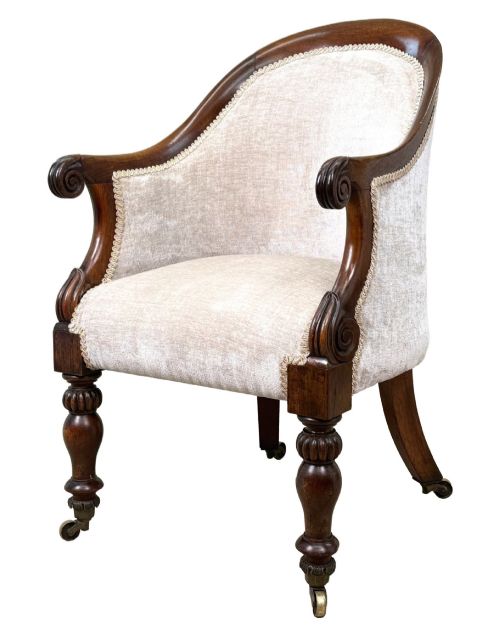
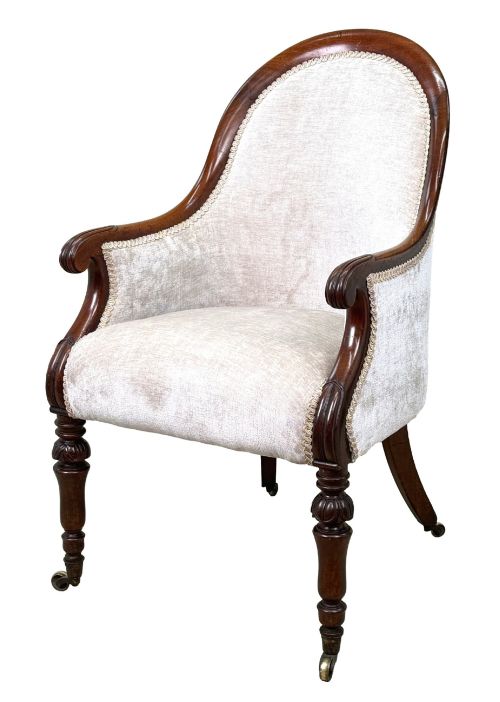
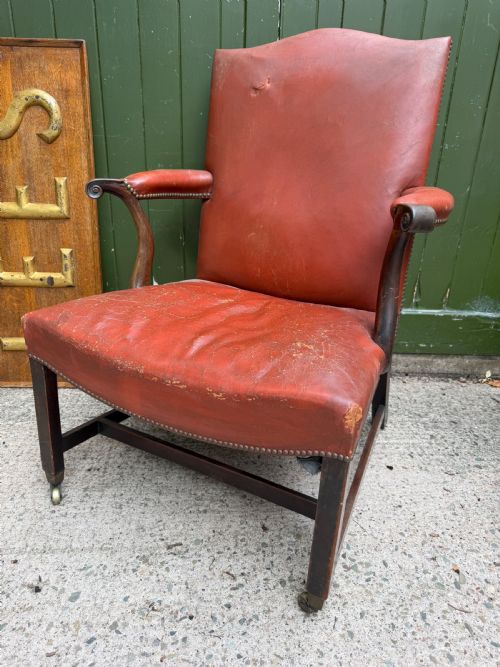
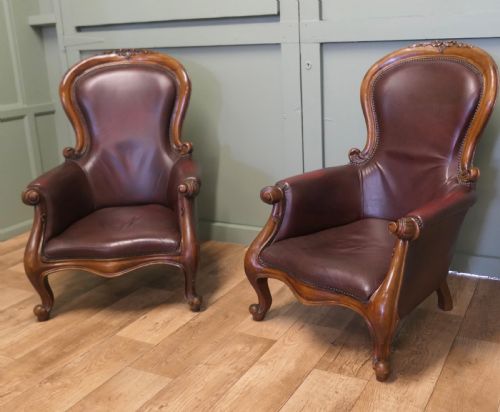
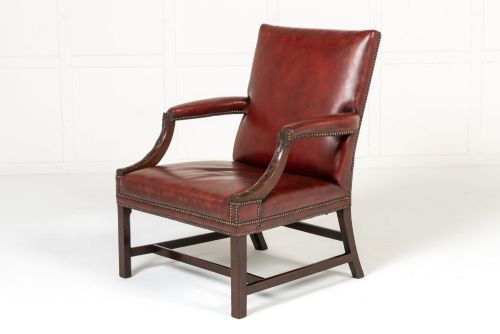
The primary forms on this page include mahogany and oak armchairs, desk chairs, tub chairs, and Gainsborough types. Makers constructed these seats for sustained daily use, pairing substantial timber frames with padded upholstery.
Origins span English workshops from the eighteenth, nineteenth, and early twentieth centuries. Pieces range from large, over-scaled armchairs to compact desk chairs and folding campaign designs.
How they were made
Carpenters shaped frames from dense hardwoods like mahogany, oak, rosewood, and birds eye maple. These timbers provided the structural strength required to support heavy padding and constant daily sitting.
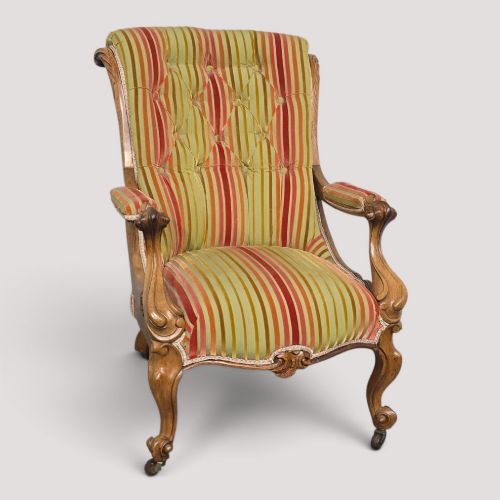
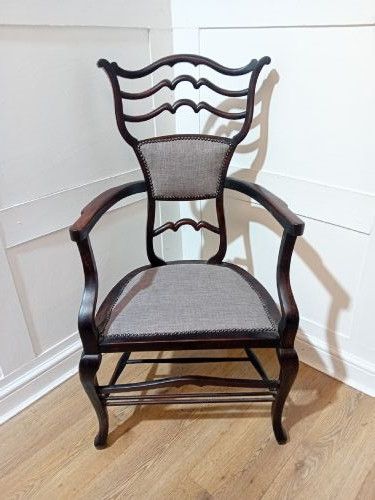
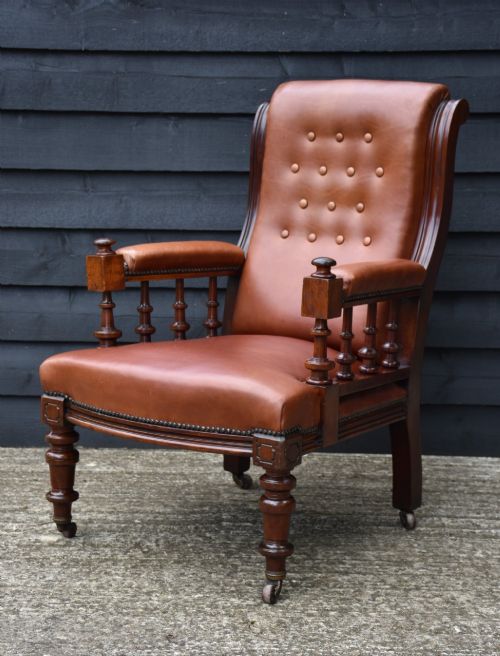
Craftspeople upholstered the frames in traditional materials including leather, velvet, fabric, and textiles. Brass details frequently appeared as tacks securing the leather edges or as castors on the feet of the chair.
One exceptional Edwardian armchair breaks from tradition by featuring a dedicated horse racing theme woven into its textile upholstery.
What varies in quality
The integrity of the timber frame and the depth of the carving set examples apart. Heavier, well-scaled frames with crisp mouldings and durable joinery represent superior cabinetmaking.
The choice and execution of the upholstery dictate the finish. Premium chairs utilise high-grade leather or fine textiles correctly tensioned over traditional stuffing, maintaining structural support over decades.
Gillows
The Vintage Upholstered Library Chair Glossary
- Gainsborough chair
- An eighteenth-century style of upholstered armchair featuring open padded arms, short legs, and a wide seat. This form was originally designed for writing desks and libraries.
- Bergère armchair
- An enclosed armchair with stuffed upholstery and wooden framing, frequently incorporating cane work on the sides or back. These emerged during the eighteenth century and remained popular in later revival periods.
- Tub chair
- An armchair with a continuous curved back and arms forming a circular enclosure. These pieces offer deep, supportive seating.
- Campaign chair
- A portable chair designed to fold or dismantle for travel. Nineteenth-century examples often combined timber frames with brass hardware.
- Spoon back
- An upholstered chair back shaped in the concave contour of a spoon to fit the human spine. This silhouette is common in Victorian seating.
Vintage Upholstered Library Chair: Frequently Asked Questions
How do I identify a Victorian library chair?
Look for dense timber frames in mahogany or oak paired with leather or velvet upholstery. Victorian examples often feature deep buttoning or spoon backs.
Examine the construction methods and wood patination to confirm the nineteenth-century origin.
Are these chairs comfortable for daily use?
These chairs were built with deep seats and sturdy internal padding designed for long hours of reading. The ergonomic proportions suit modern living spaces as fireside or study seating.
Vintage springs and stuffing provide a firm, supportive sit compared to modern foam furniture.
How do I care for leather upholstery?
Maintain antique leather by keeping it away from direct heat sources and sunlight to prevent drying. Apply appropriate leather creams periodically to preserve suppleness.
Avoid harsh chemical cleaners that can strip the original finish and patination.