




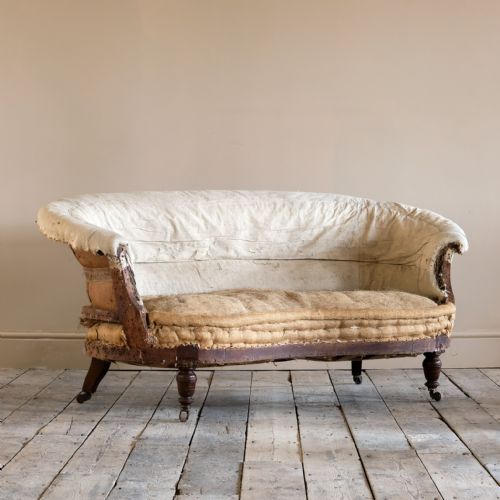


Vintage Two Seater Couch
A vintage two seater couch brings compact seating and distinct period character to a room, spanning Edwardian, Victorian, and later twentieth century designs.
Vintage Two Seater Couch
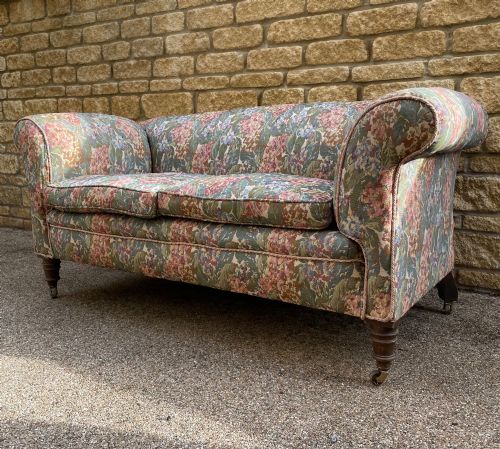
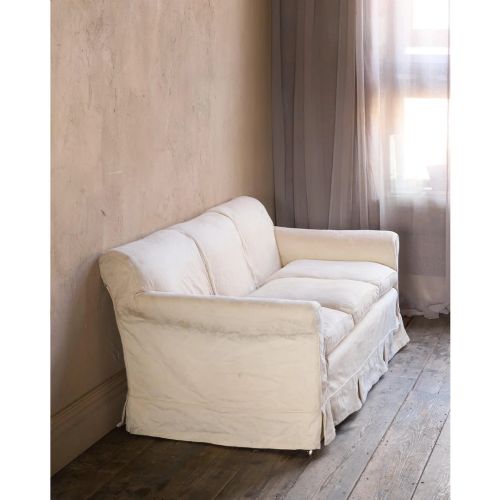
A vintage two seater couch encompasses compact settees, salon seats, and small sofas originating from periods such as the Victorian, Edwardian, and nineteen-thirties eras. These pieces appear in forms ranging from drop arm settees and window seats to deep seated country house designs and framed parlor suites.
The selection on this page relies heavily on Edwardian and nineteenth century examples, alongside pieces from the nineteen-twenties and thirties. Buyers encounter various scales, from petite salon couches to substantial upholstered seating designed for drawing rooms and country house interiors.
Materials and construction
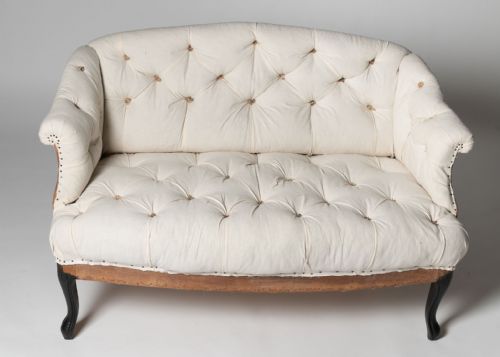
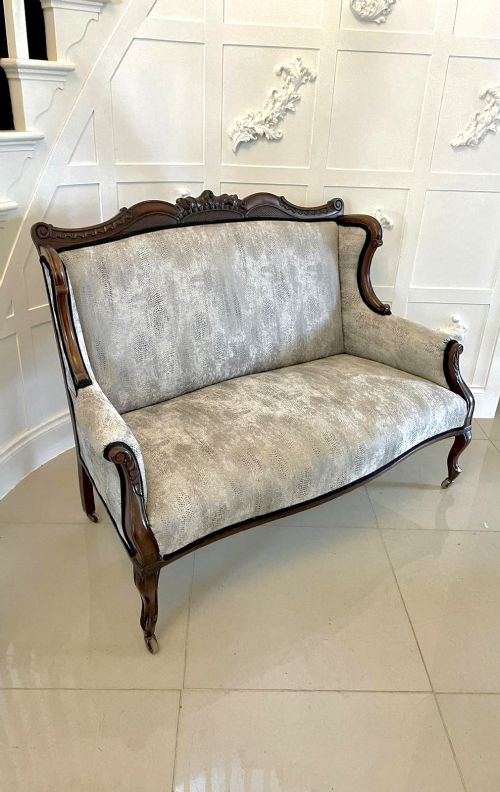
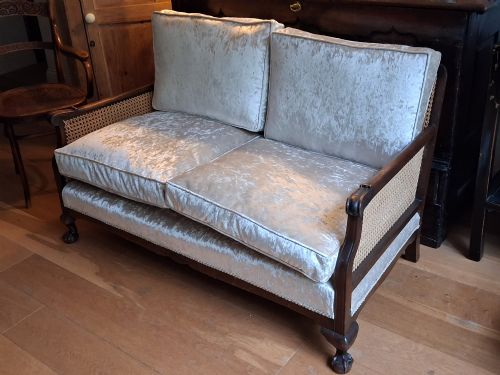
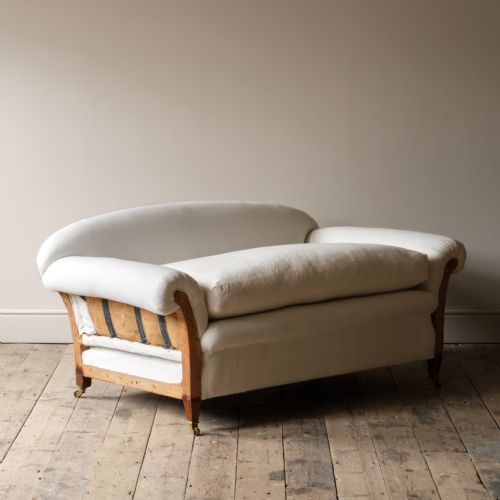
Frames rely on sturdy timbers including mahogany, walnut, rosewood, and general hardwood, often featuring turned legs, carved details, or inlaid decoration. Show frames expose polished wood structures, while other models use canework or hidden wooden carcasses.
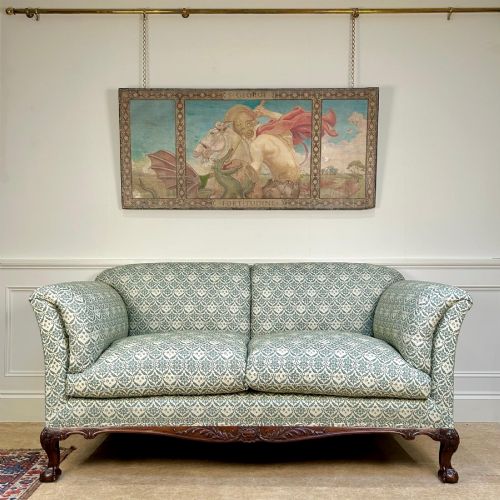
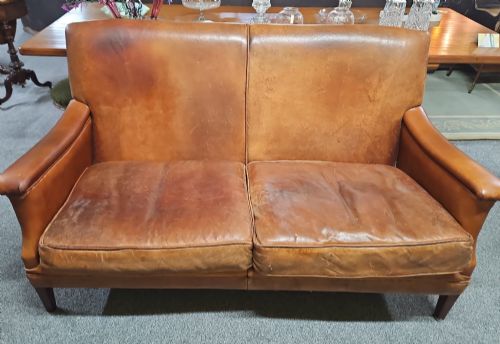
Upholstery employs traditional materials and contemporary replacements, ranging from hand dyed and button back leather to patterned fabric, ticking, and designer textiles. Brass fittings and specialised feet, such as claw and ball designs, complete the construction of many pieces.
Vintage Two Seater Couch Retail Price Guide 2026
Typical asking prices for vintage two seater couch among the pieces listed under this phrase on Sellingantiques today, from the lower quarter to the upper quarter. They describe what is for sale here now, not the wider market.
Current listings feature wood frames in mahogany, walnut, and rosewood, paired with leather, fabric, and cane.
Distinctions in quality
Quality rests in the integrity of the timber frame, the precision of carved or inlaid details, and the depth of the seating proportions. Maker attribution and original structural elements elevate certain examples significantly above standard workshop production.
The standard of upholstery work, whether retaining period fabric or showcasing specialist re-upholstery, shapes the overall finish. Well executed joinery and robust springing distinguish superior examples from simpler utilitarian seating.
Hampton & Sons·Howard & Sons
The Vintage Two Seater Couch Glossary
- Drop arm
- A sofa mechanism allowing one end to lower for reclining or resting. This feature appears on select Victorian examples.
- Show frame
- A wooden structural frame left visible around the upholstered portions of a settee. It highlights the grain and carving of walnut or mahogany.
- Canework
- Woven cane panels incorporated into the back or sides of a couch. This technique lightens the visual weight of wooden frames.
- Chesterfield
- A deeply buttoned upholstered sofa style traditionally finished in leather. These pieces offer firm support and rolled arms.
- Wingback
- An armchair or sofa design featuring protective side panels attached to the backrest. It provides draft insulation and traditional proportion.
Vintage Two Seater Couch: Frequently Asked Questions
What periods do these couches cover?
The listings span from the late nineteenth century through the Edwardian era and into the nineteen-thirties. Pieces reflect stylistic movements including Victorian, George II style, and Louis XV influence.
Buyers encounter diverse forms shaped by these distinct historical periods, allowing for integration into various interior schemes.
How were these settees originally used?
These couches served in drawing rooms, salons, and country house reception spaces for formal seating and daily comfort. Smaller window seats and salon settees were placed in alcoves or parlours.
Larger deep seated versions provided relaxed lounging in private living areas and country residences.
Are these sofas suitable for daily sitting?
Many pieces feature robust hardwood frames and supportive springs that accommodate regular use in modern homes. The suitability often depends on whether the internal webbing and upholstery have been restored.
Checking the depth and firmness helps determine comfort for everyday living spaces.
How do I identify an Edwardian piece?
Edwardian examples frequently display lighter mahogany or walnut timbers, sometimes with inlaid decoration or delicate carved details. The proportions tend toward petite or graceful salon seating.
They often reflect revivals of earlier styles while maintaining the refined aesthetic of the early twentieth century.