
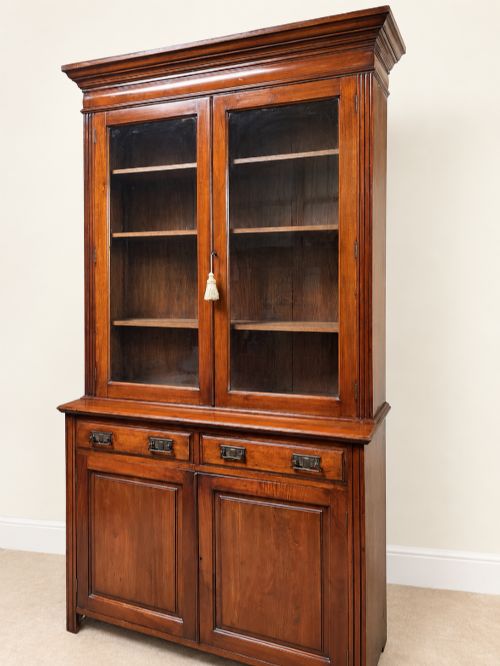
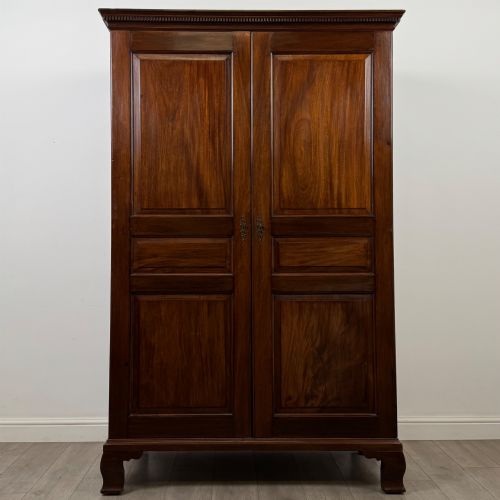
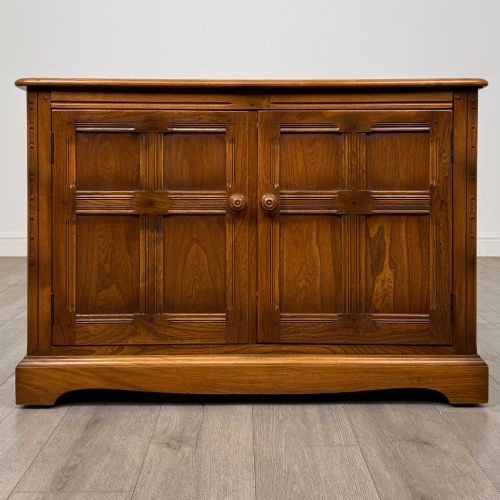
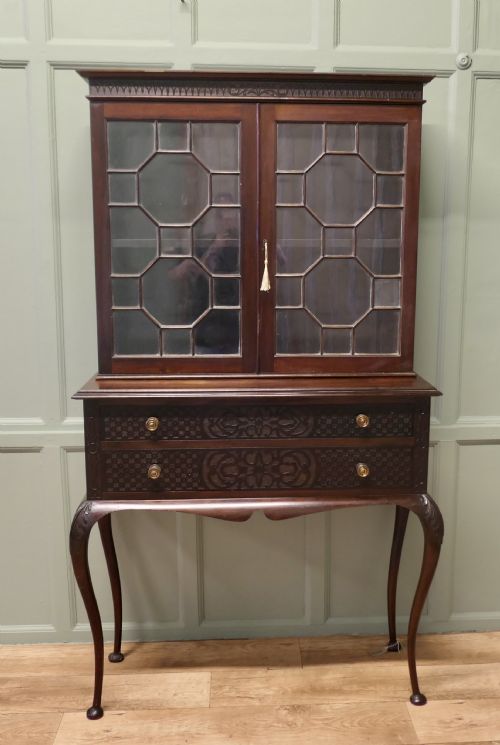
Vintage Two Door Cabinet
A vintage two door cabinet offers practical storage with period character, ranging from robust oak country pieces to refined mahogany designs.
Vintage Two Door Cabinet
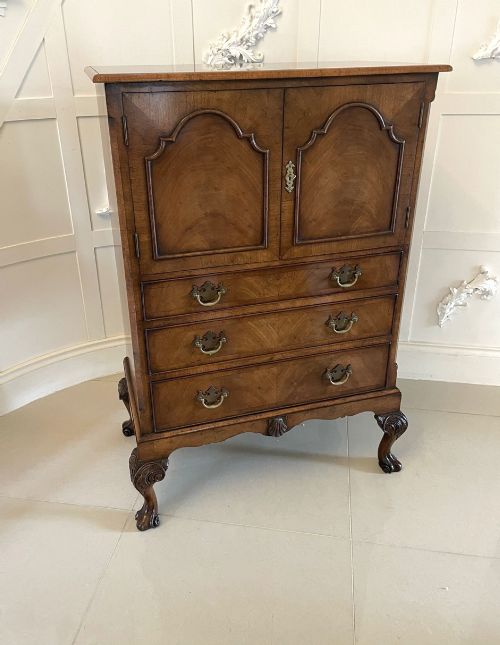
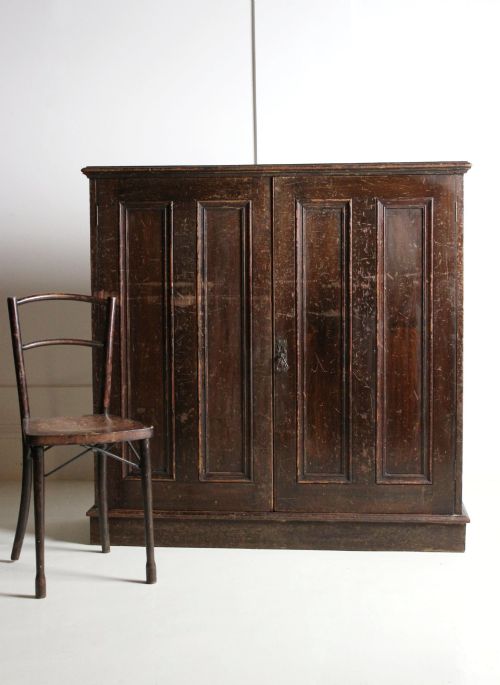
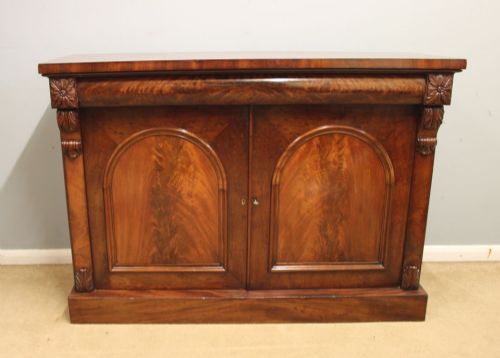
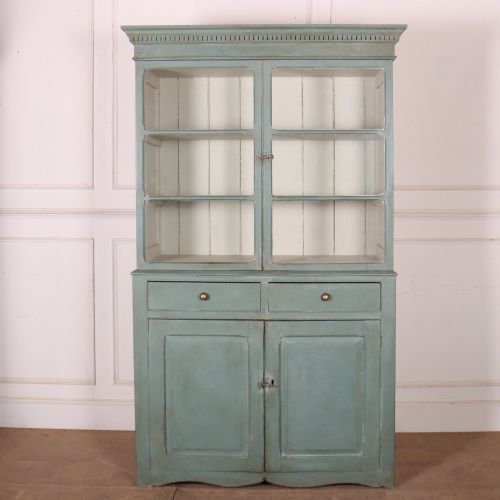
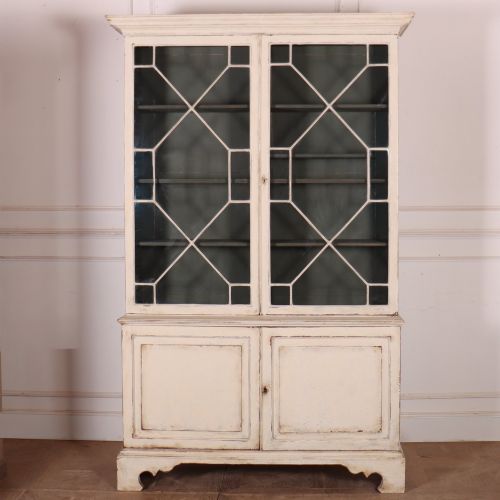
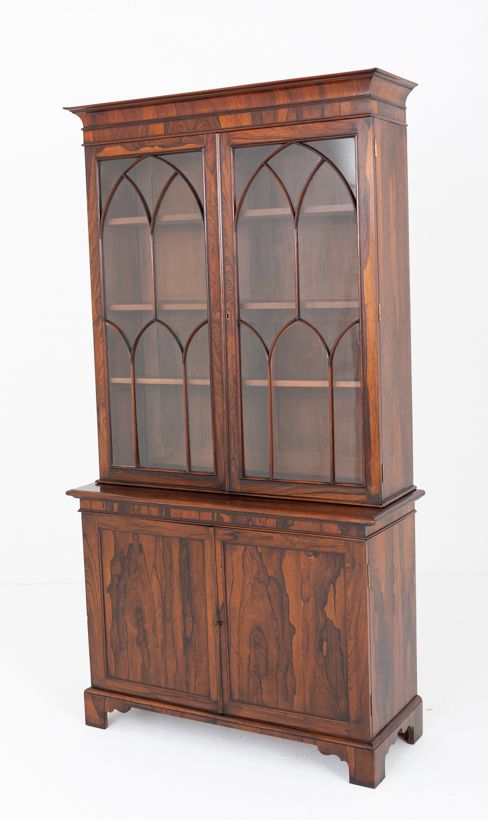
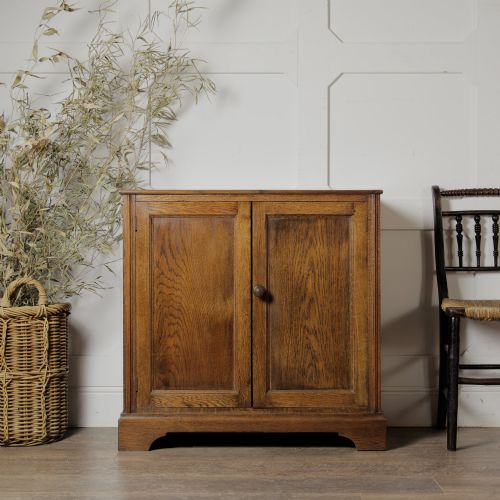
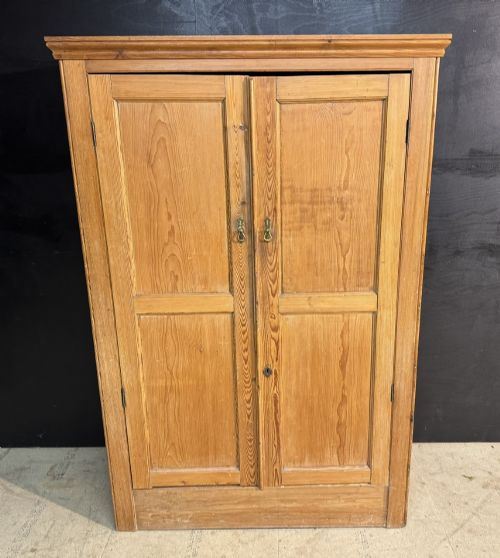
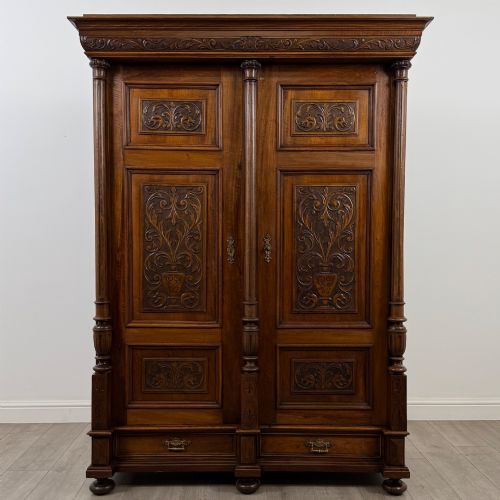
When searching for a vintage two door cabinet, buyers encounter a diverse selection of brown wood and painted storage furniture spanning the nineteenth and twentieth centuries. These pieces encompass utilitarian cupboards, glazed bookcases, side cabinets, and wardrobe variations originating from English, Welsh, Scottish, and continental workshops.
The most common examples on this page date from the Victorian and Edwardian eras through to the nineteen-thirties, typically constructed in solid oak, pine, or mahogany. Formats range from low side cabinets on legs to taller two-part cupboards and glazed display units suited for contemporary domestic interiors.
Materials and construction methods
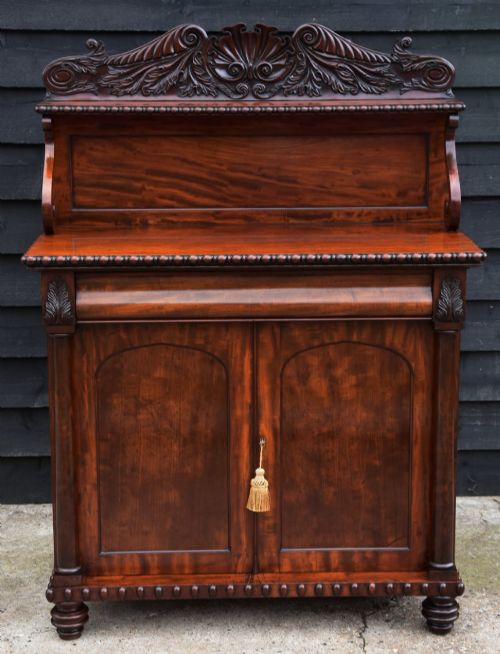
Cabinet makers relied predominantly on timbers such as oak, mahogany, walnut, and pine, utilising both solid planks and decorative veneers like burr walnut or curl-mahogany. Surfaces were frequently finished with traditional wax, polish, or period paint treatments.
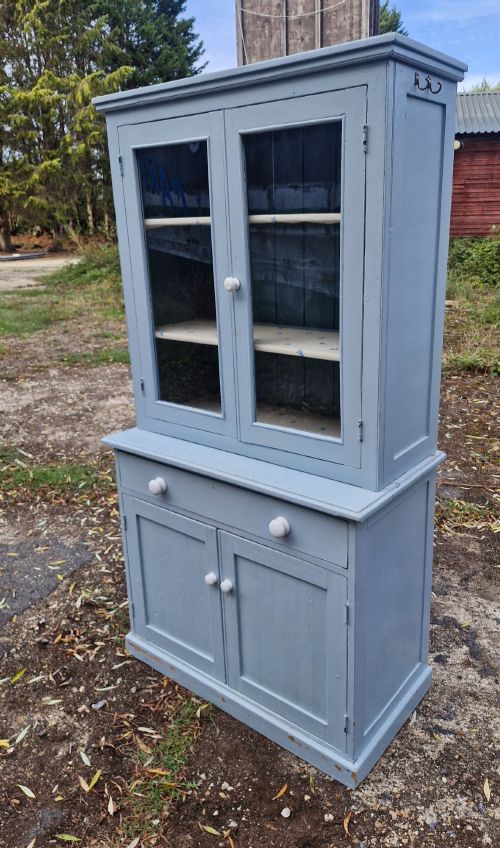
Structural integrity depended on traditional joinery techniques, often incorporating panelled doors, brass hardware, and occasionally bun feet or bracket bases. Glazed variants utilised timber framing to support glass panels for bookcases and display cabinets.
Common forms include glazed bookcases, side cabinets, larder cupboards, and double wardrobes from Victorian and Edwardian workshops.
Factors determining cabinet quality
Quality in these cabinets rests upon the selection of timber, the crispness of any applied mouldings, and the integrity of the original construction. Dense, well-figured woods and substantial solid oak or mahogany distinguish superior examples from simpler utilitarian pine pieces.
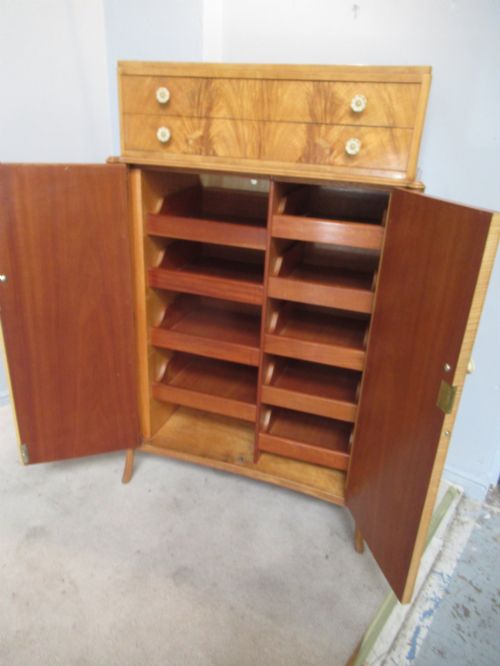
Finer items display careful attention to internal fittings, such as adjustable shelving or fitted drawers, alongside original brass handles and glass panes. The balance of proportions and the restraint or skill of decorative carving separate standard production items from master workshops.
Peter Waals
The Vintage Two Door Cabinet Glossary
- Chiffonier
- A low sideboard or cabinet with doors, developed during the nineteenth century for dining rooms and parlours. It frequently incorporates a shelf or back superstructure.
- Vitrine
- A glass-fronted cabinet or display case designed for showing porcelain, books, or decorative objects. These often feature glazed side panels alongside double doors.
- Glazed
- Fitted with glass panes held within a timber framework, typically seen on bookcase and display cabinet doors. This allows contents to remain visible while protected from dust.
- Bases
- The lower section of a larger piece of furniture, such as a dresser base or cabinet stand. These support the upper storage compartment upon legs or plinths.
Vintage Two Door Cabinet: Frequently Asked Questions
What periods do these cabinets cover?
The pieces span from the nineteenth century through the Edwardian era up to nineteen thirty. This includes Victorian, Regency, and early twentieth-century examples.
Design influences vary from traditional country styles to Art Deco and Cotswold School movements.
Which woods were commonly used?
Makers utilised timbers such as oak, mahogany, pine, and walnut, often applying wax, polish, or paint finishes. Burr walnut and curl-mahogany appeared on finer decorative models.
Secondary woods like maple also feature in internal compartments and smaller drawers.
How do I style one at home?
These cabinets suit living rooms, dining spaces, and hallways as functional storage or display furniture. Glazed versions hold books and ceramics, while solid timber cupboards conceal everyday clutter.
Pairing golden oak or dark mahogany with modern interiors creates a balanced, layered aesthetic.
Are the interiors original?
Many pieces retain their original wooden shelving, painted interiors, and brass hardware from the period of manufacture. Modifications or restorations vary depending on the individual history of each item.
Checking listing descriptions confirms whether fittings such as hooks or drawers remain intact.