

Vintage Turned Wood
Vintage turned wood brings warmth and sculptural grain to a room through lathe-shaped bowls, tables and seating.
Vintage Turned Wood
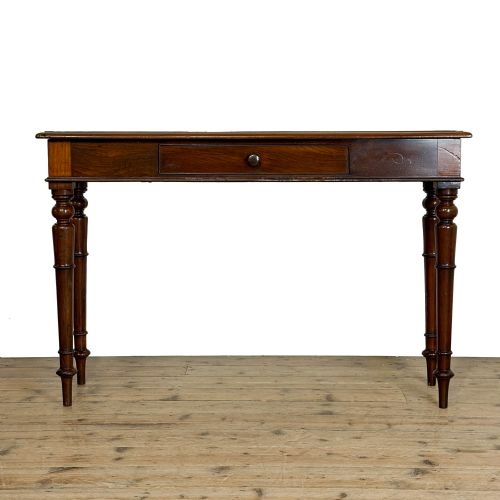
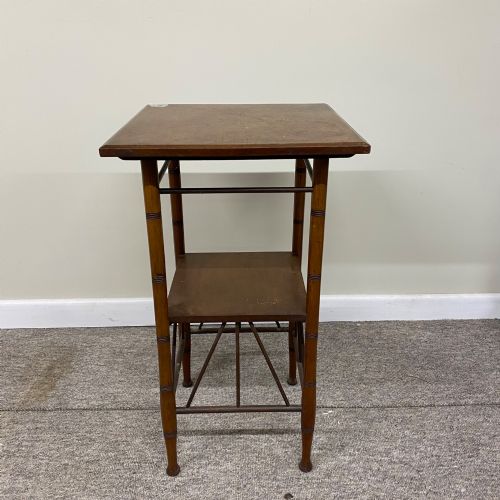
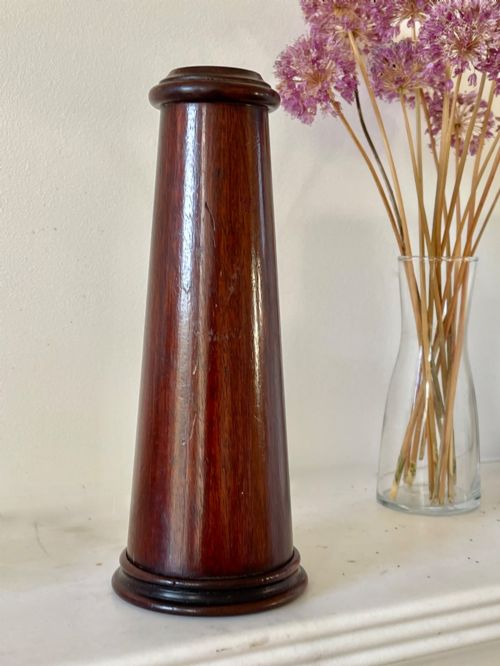
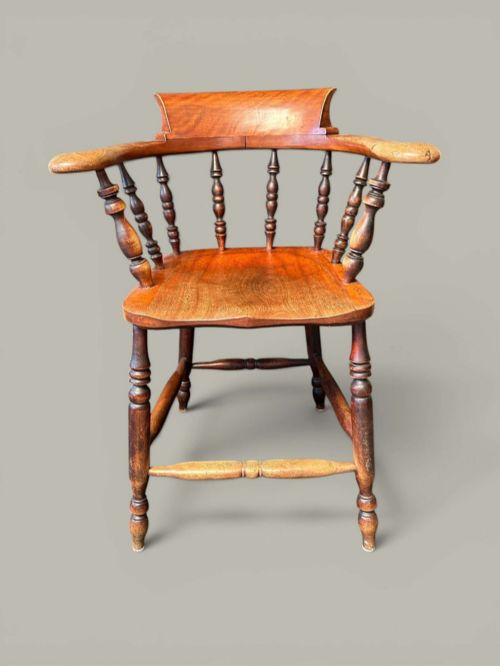
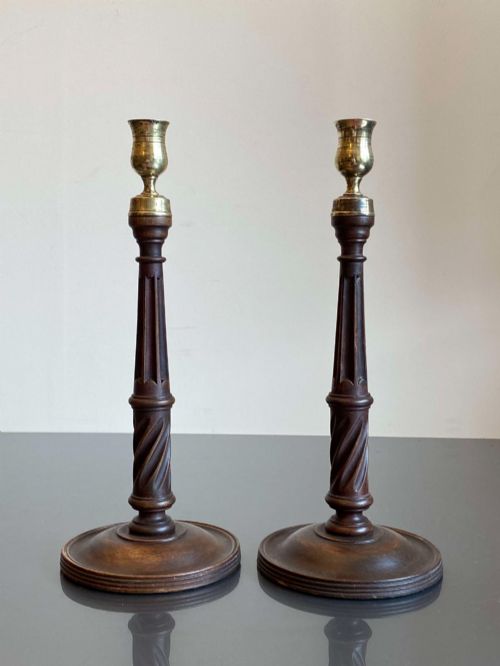
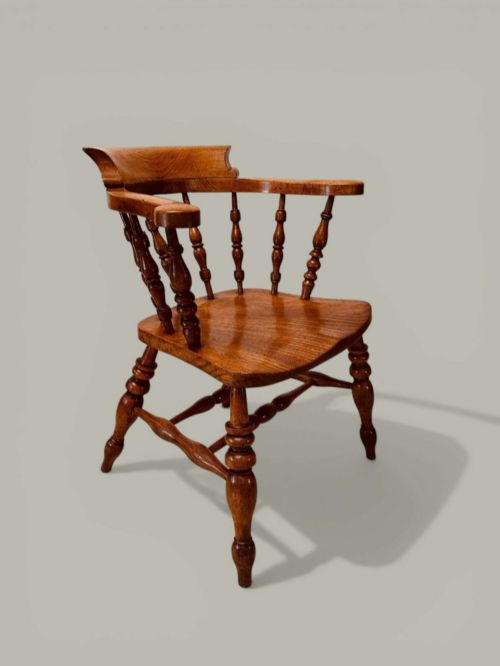
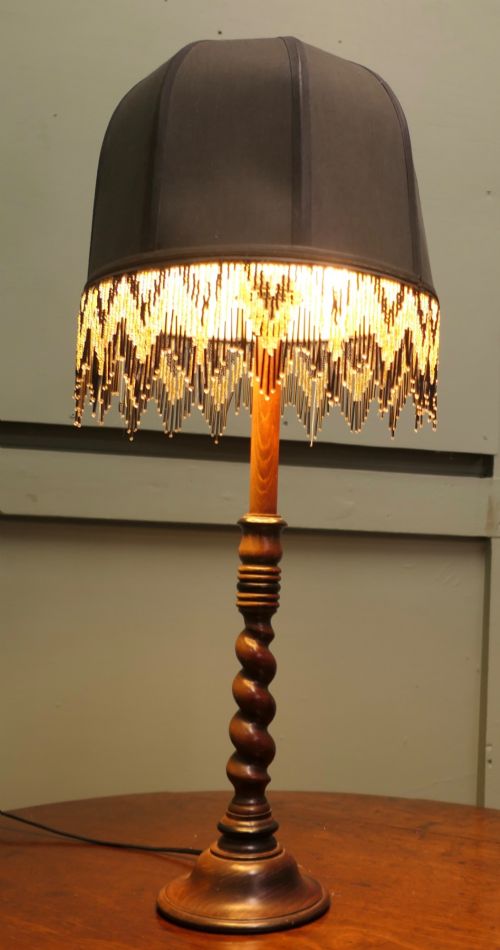
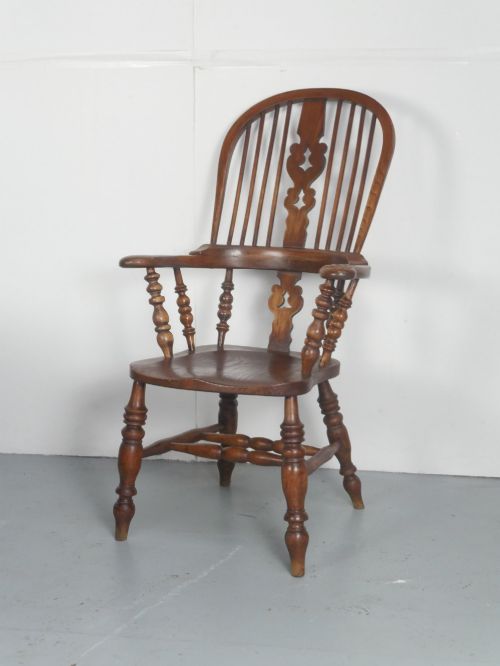
Vintage turned wood encompasses domestic items and furniture shaped on a lathe, ranging from 19th-century treen bowls and string boxes to Edwardian nests of tables and oak side tables with baluster or bobbin legs. Buyers looking for vintage turned wood seek out the tactile quality of shaped grain, whether in a sycamore dairy bowl, a mahogany standard lamp, or dining chairs with spindle backs.
The pieces appearing most frequently span the Victorian and Edwardian eras up to the 1930s, encompassing utilitarian treen, country seating, and occasional furniture in oak, mahogany, fruitwood, and walnut. These items bridge daily utility and decorative craft, showing the rhythmic marks of the lathe alongside the softer wear of human hands.
Materials and turning techniques
Craftsmen shaped these pieces using foot-powered or belt-driven lathes, turning dense hardwoods such as mahogany, oak, walnut, beech, fruitwood, and sycamore to create symmetrical profiles, balusters, and spindles. The choice of timber dictated both the function and the finish, from the robust grain of oak on side tables to the fine texture of fruitwood on small chairs and treen.
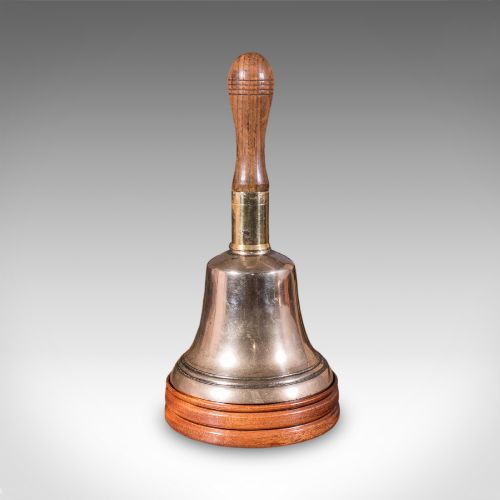
Joinery combined traditional turning with pegged joints, dovetails, and steam-bent elements where appropriate, supporting items like Windsor barback chairs, nests of tables, and floor lamps. Metal elements such as brass hooks or glass inserts occasionally complemented the turned wood, as seen on coat racks and string boxes.
Vintage Turned Wood Retail Price Guide 2026
Typical asking prices for vintage turned wood among the pieces listed under this phrase on Sellingantiques today, from the lower quarter to the upper quarter. They describe what is for sale here now, not the wider market.
Assessing quality in turned wood
Quality rests upon the crispness of the lathe work and the selection of timber, where tightly defined profiles and well-figured grain distinguish superior pieces from utilitarian work. The integrity of the turning, the balance of proportions in legs and columns, and the preservation of the original surface patina dictate the standing of an object.
At the higher end, thoughtful execution is evident in complex assemblages like quartetto nests of tables, matching dining chair sets, or intricately detailed treen such as bee hive string boxes. Lesser examples show flattened turning details, replaced components, or heavy over-finishing that obscures the natural character of the wood.
Heals
The Vintage Turned Wood Glossary
- Treen
- Small handmade wooden domestic objects such as bowls, boxes, and spoons. These items gained a smooth patina through generations of handling and daily use.
- Baluster
- A moulded column or shaft with a swelling profile, commonly used for table legs and standard lamps. This architectural form provides robust structural support while introducing decorative rhythm.
- Bobbin turning
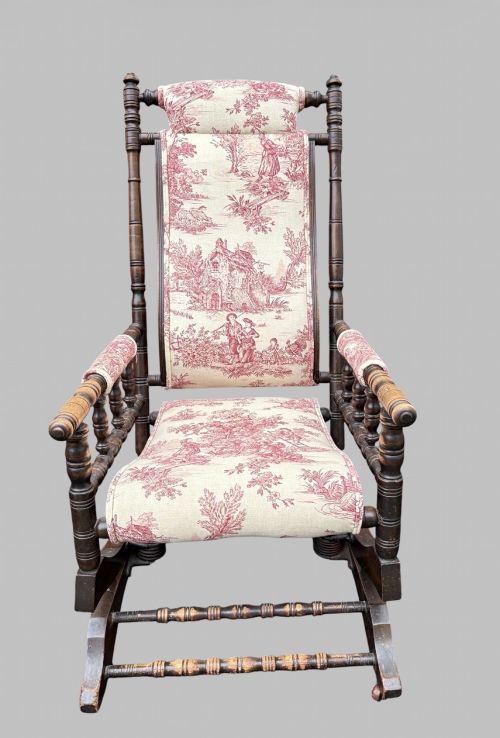
- A series of rounded wooden beads carved along the length of a leg or stretcher, resembling a string of bobbins. This style gained particular popularity during the Victorian and Edwardian periods.
- Quartetto
- A set of four nested tables designed to slide neatly beneath one another. They offer versatile surface space with a compact footprint.
- Spindle back
- A chair back constructed from a series of slender, turned vertical wooden rods. This construction method offers lightweight strength and traditional country charm.
Vintage Turned Wood: Frequently Asked Questions
What is vintage turned wood?
Vintage turned wood refers to items shaped on a woodturning lathe during the 19th and early 20th centuries. It includes practical household items like bowls and string boxes alongside furniture with decorative legs and spindles.
These pieces showcase traditional carpentry skills and the natural grain of timbers such as oak, mahogany, and fruitwood. Each item bears the distinct profile created by the turner's chisel.
How were turned wooden bowls used?
Wooden bowls served everyday domestic functions in dairies, kitchens, and pantries for preparing and serving food. Sycamore and fruitwood were preferred for their clean surfaces and resistance to splitting.
Over decades of washing and handling, these bowls developed a soft, tactile surface texture. Today, they bring organic warmth and history into modern living spaces.
How do I care for turned wood furniture?
Maintain turned wood by keeping it away from direct heat sources and dramatic humidity fluctuations. Occasional application of a suitable natural wax preserves the timber's moisture and sheen.
Avoid excessive moisture during cleaning and use soft cloths to protect the original patina. Gentle upkeep ensures the turned details and joinery remain stable for years to come.
How can I date turned wooden items?
Dating relies on identifying the timber species, the turning style, and the construction methods used. Victorian and Edwardian pieces often feature machine assistance, while earlier 19th-century items may show hand-tool marks.
Comparing the form and hardware to documented examples helps narrow down the period. The wear patterns and finish also offer clues to an object's age.